Artwork
Beggar in a Public House
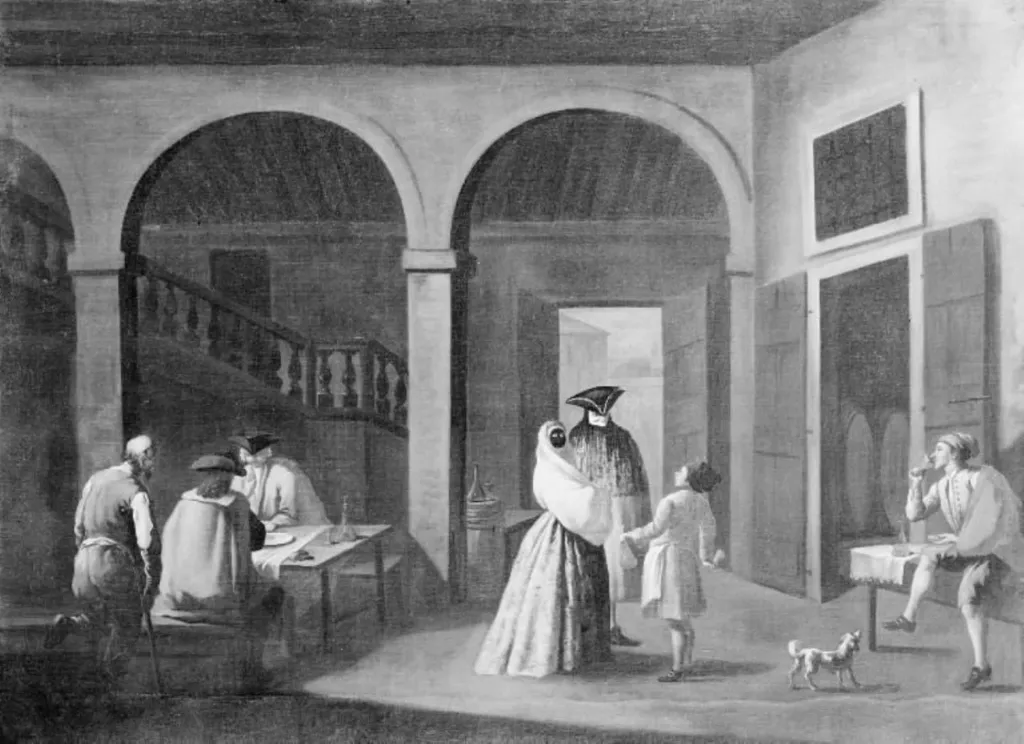
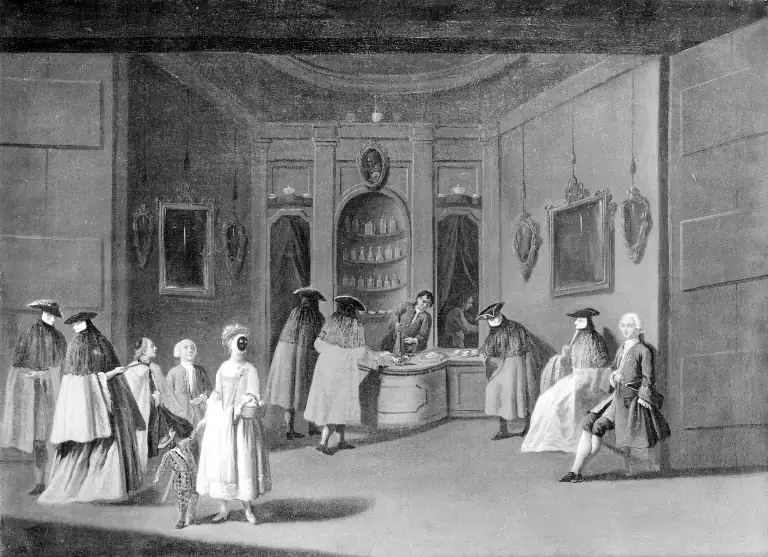
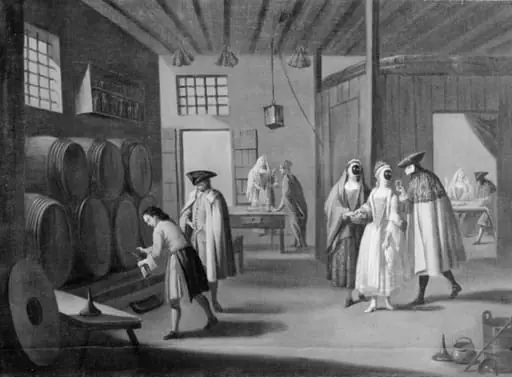
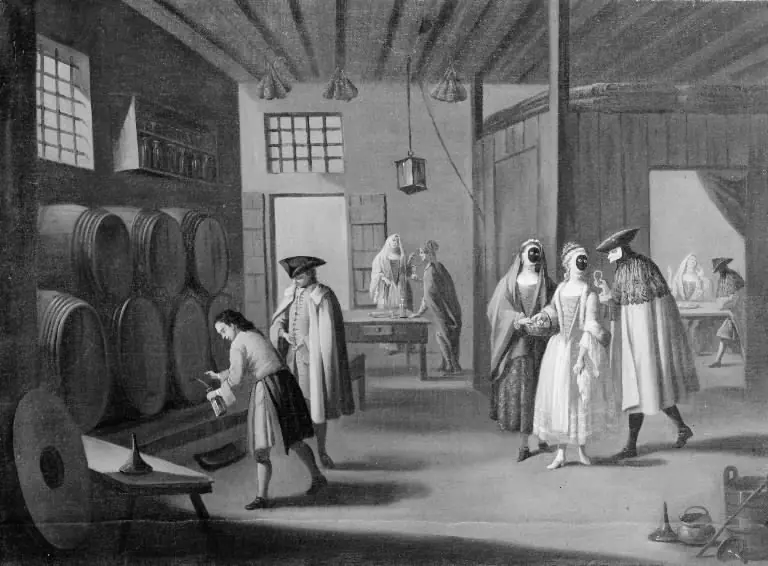
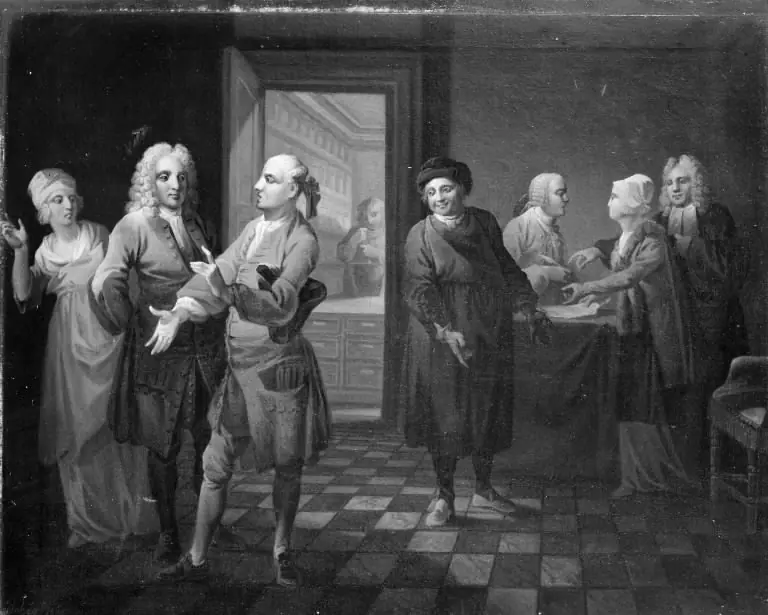
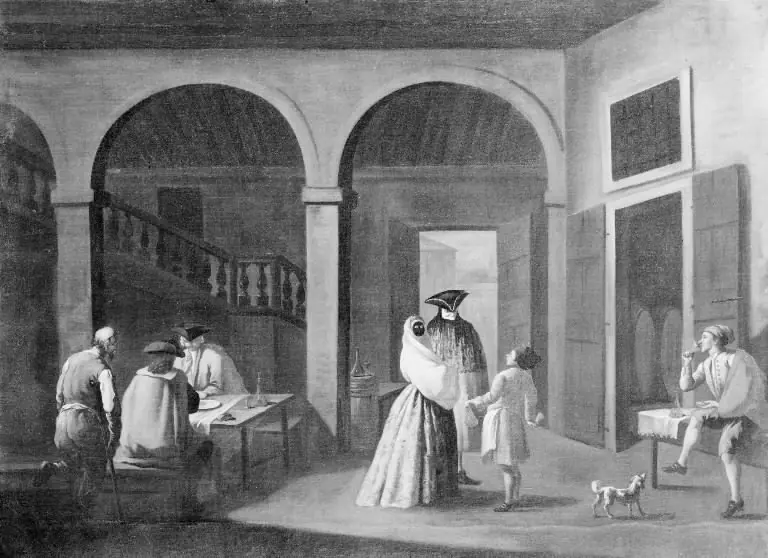
Beggar in a Public House is a photography by Unknown. It dates from 1750 and is held in the collection of the Statens Museum for Kunst. Created around 1750, this black-and-white image portrays a quiet interior scene in a public house.
About this work
Overview
The work is held in the collection of the Museum of Ethnography, where it is studied for its depiction of social dynamics in 18th-century public spaces.
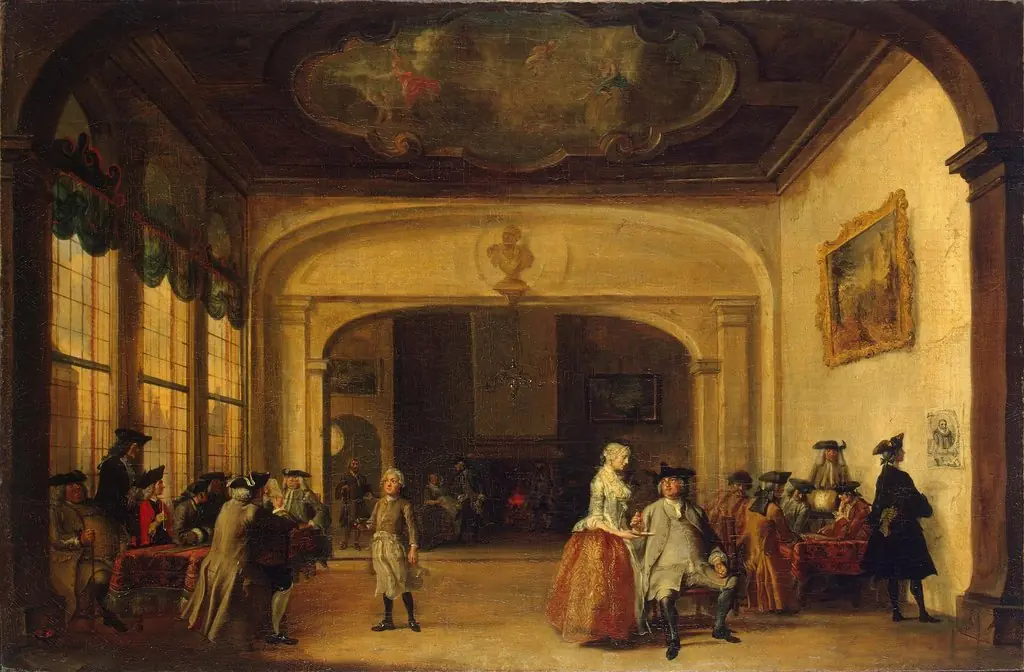
Created around 1750, this black-and-white image portrays a quiet interior scene in a public house. The composition centers on a woman in a long dress, standing amid seated and standing male figures. Dim lighting and architectural arches frame the space, suggesting a modest, everyday setting. The work is held in the collection of the Museum of Ethnography, where it is studied for its depiction of social dynamics in 18th-century public spaces.
Subject & Meaning
The central figure, a woman dressed plainly, stands apart from the seated men, who appear absorbed in solitary activities. Her posture and placement suggest observation or quiet endurance, contrasting with the passive stillness of the others. The scene avoids overt drama, instead conveying a sense of social isolation or unspoken tension. The absence of narrative clarity invites interpretation of class, gender, and marginality within a shared domestic space.
Technique & Style
The artist employs chiaroscuro to model forms and define spatial depth, using stark contrasts between light and shadow to draw attention to the central woman. Lines are restrained, with minimal detail in clothing or facial features, emphasizing mood over individual identity. The monochrome palette and soft gradations suggest an etching or ink drawing, aligning with printmaking traditions of the period that prioritized tonal economy over color.
History & Provenance
The work entered the Museum of Ethnography’s collection in the late 19th or early 20th century, likely as part of a broader effort to document everyday life across social strata. Its attribution to 3119_person remains tentative, with no definitive records linking it to a known artist. The piece was likely produced as a standalone print or study, not as part of a larger series, and its origins remain obscure.
Context
In mid-18th-century Europe, public houses served as informal gathering places for working-class patrons. Depictions of such spaces often reflected moral or social commentary, though this image avoids overt judgment. The woman’s presence—alone, upright, and unengaged—may reflect contemporary anxieties about poverty, gender roles, or urban anonymity, offering a quiet counterpoint to more theatrical genre scenes of the time.
Legacy
Though not widely exhibited, the work is referenced in studies of social realism in pre-industrial visual culture. Its restrained composition and psychological subtlety distinguish it from more sensationalized depictions of poverty. Scholars value it as a rare, unembellished glimpse into the visual language of marginal figures in public settings, influencing later documentary approaches to everyday life.
Artist & collection

 Domestic Scene
 Giacomo and Cardinal Marco, investing Andrea, Abbot of San Zeno, with his Benefice
 The Nymph of Fontainebleau
 Portrait of a Woman
 Madonna and Child with Saints in the Enclosed Garden
 Venus and Minerva
 Family Group of Four on Sofa
 Wall painting from Room H of the Villa of P. Fannius Synistor at Boscoreale