Artwork
Richard Tompson
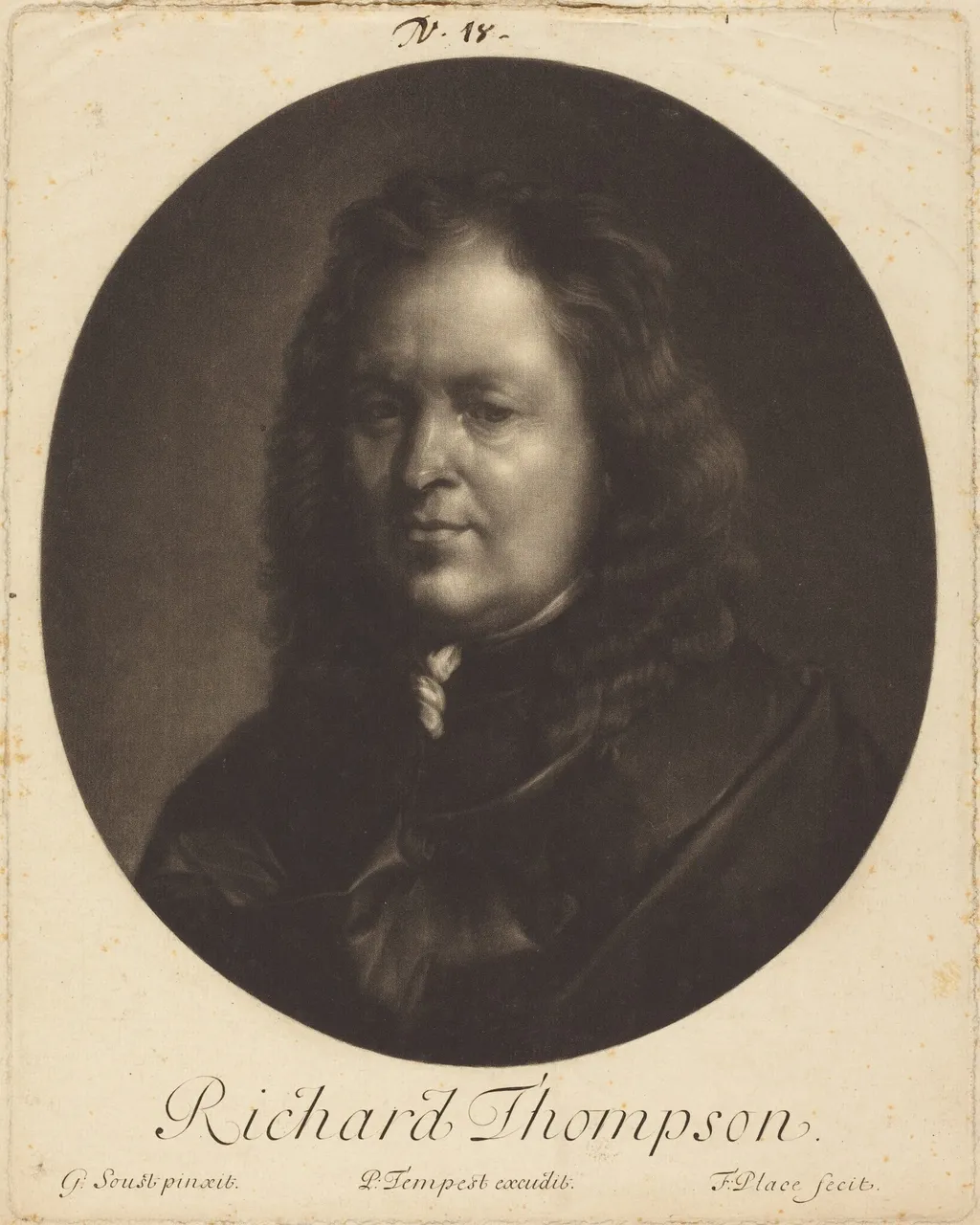
Richard Tompson is an ink print by the Baroque artist Francis Place. It dates from 1680 and is held in the collection of the National Gallery of Art.
About this work
Overview
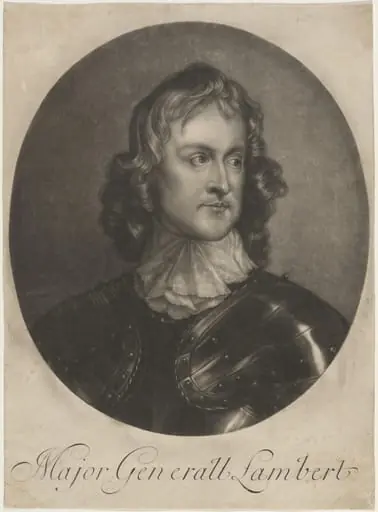
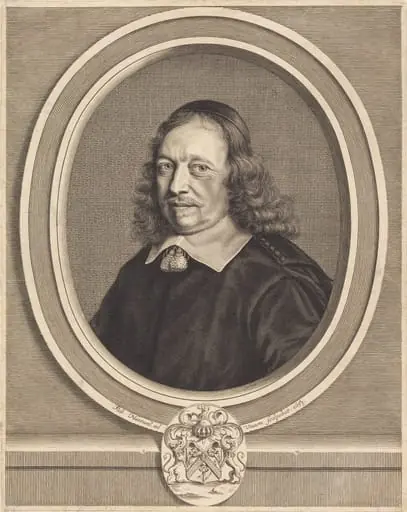
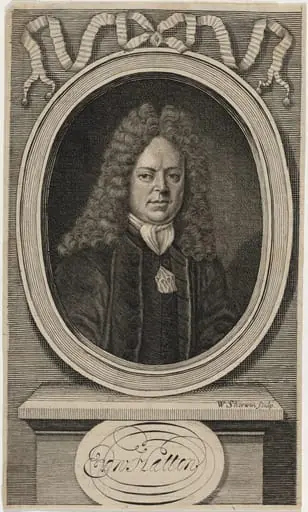
Created circa 1680 by the York‑based draughtsman and printmaker Francis Place, this mezzotint presents a half‑length portrait of Richard Tompson. Executed on laid paper, the work exemplifies the printmaking practices of late‑seventeenth‑century England and offers a sober, frontal view of its sitter, whose identity suggests local prominence.
Subject & Meaning
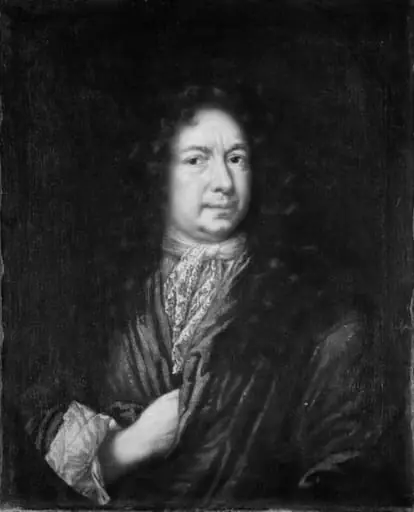
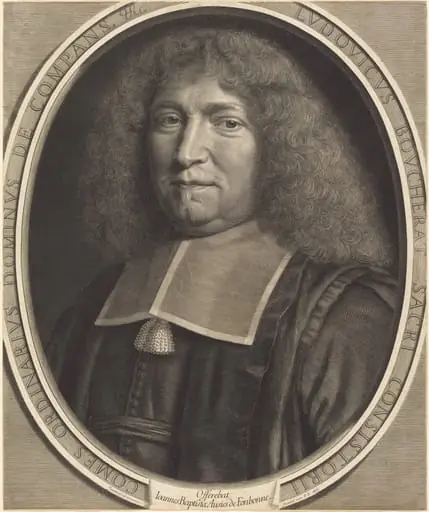
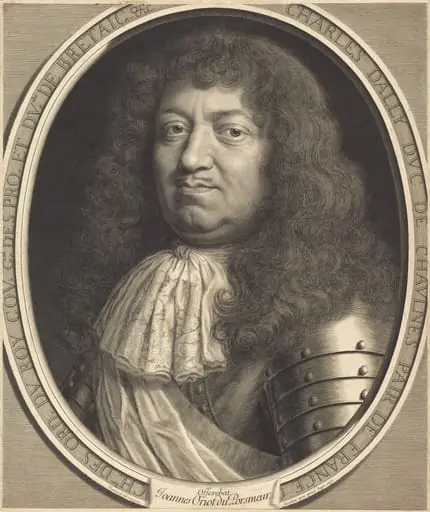
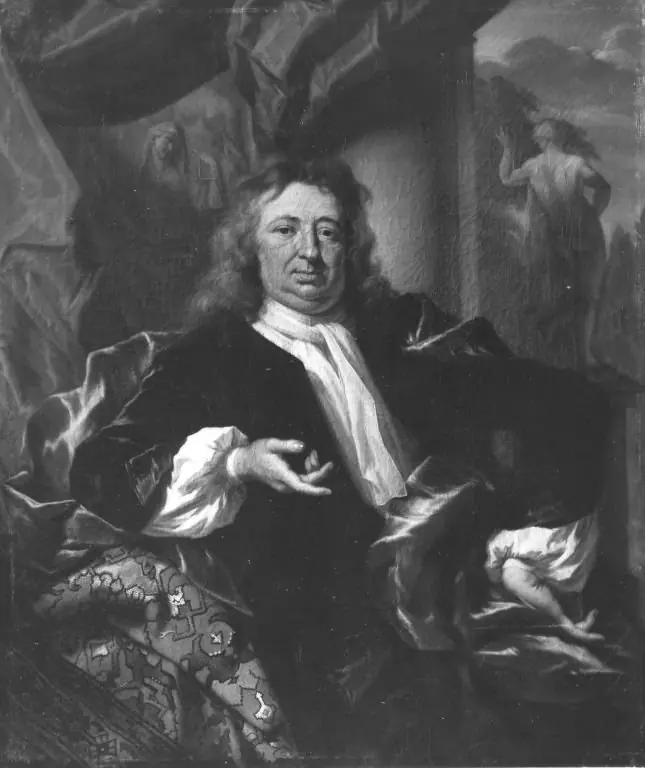
The figure is rendered with long, wavy hair and a dark robe, his expression neutral and his gaze directed forward. The attire and demeanor imply a scholarly or clerical role, indicating Tompson’s probable status as a respected professional within the York community of the period.
Technique & Style
Place employed the mezzotint process, exploiting its capacity for rich tonal gradations. Through careful chiaroscuro, the artist models the face against a deep, unlit background, achieving a three‑dimensional effect typical of Baroque portraiture, where dramatic light contrasts convey a restrained emotional tone.
History & Provenance
Francis Place, noted for his engraving expertise, produced this image as part of his broader contribution to England’s visual culture. The print has survived on its original laid paper support, a common substrate for the era, and remains a documented example of Place’s output in the late 1600s.
Context
The portrait aligns with the Baroque aesthetic that permeated English art in the seventeenth century, emphasizing strong lighting and a sense of gravitas. Within the regional context of York, such works served to commemorate notable citizens, reinforcing social hierarchies and local identity through printed portraiture.
Artist & collection
Artist
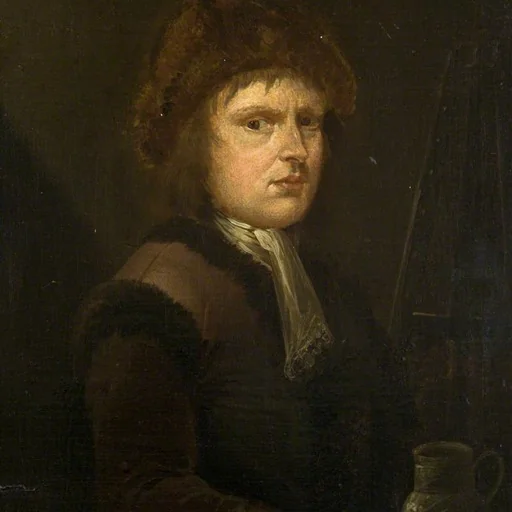
Francis Place (1647 – 21 September 1728) was an English gentleman draughtsman, potter, engraver and printmaker, active mainly in York.