Artwork
Jean Le Camus
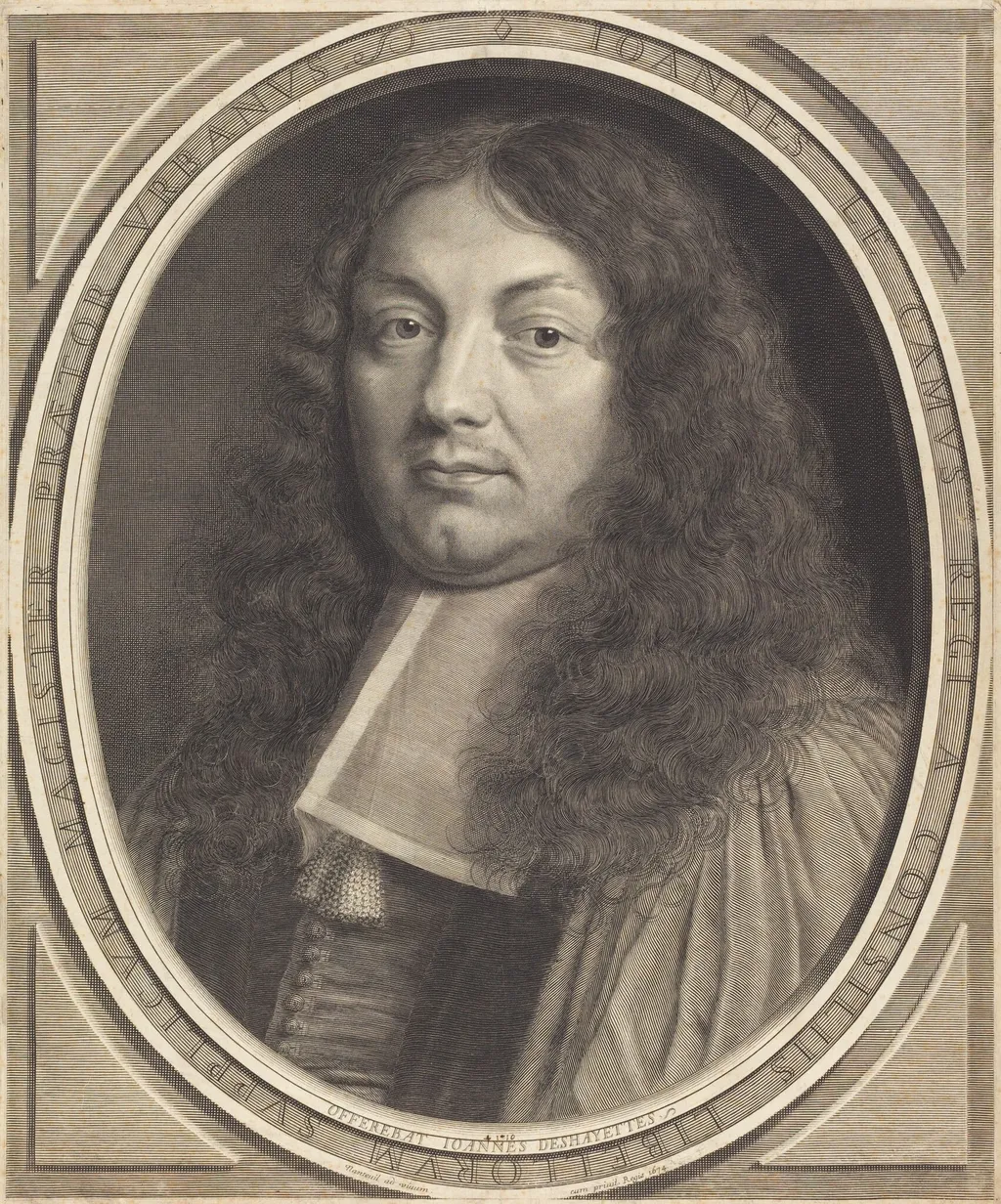
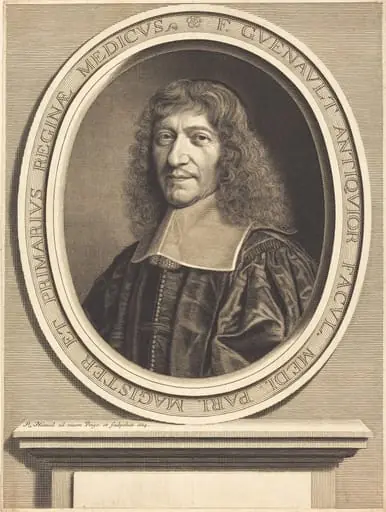
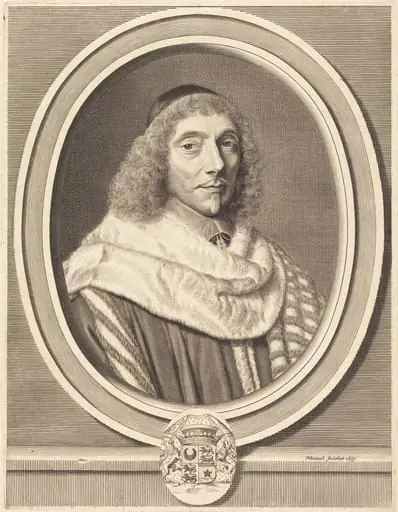
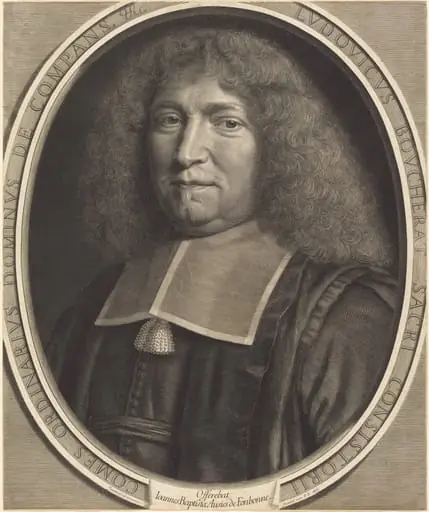
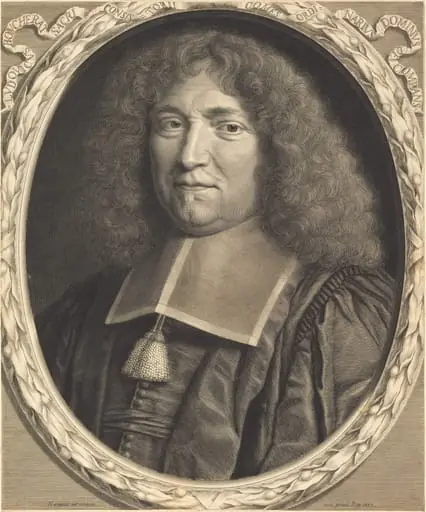
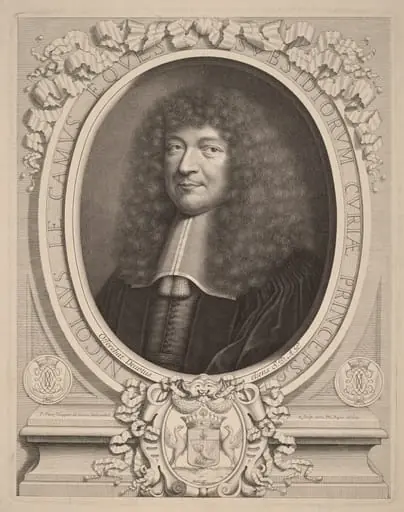
Jean Le Camus is an ink print by the Baroque artist Robert Nanteuil. It dates from 1674 and is held in the collection of the National Gallery of Art.
About this work
Overview
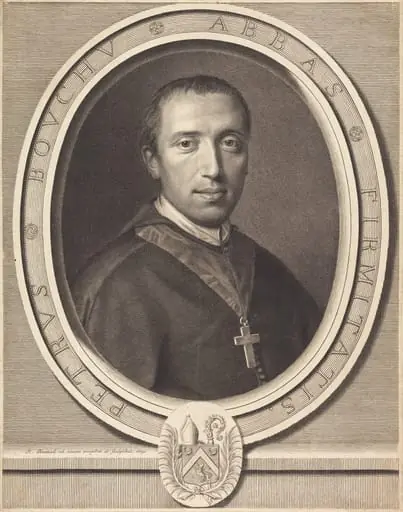
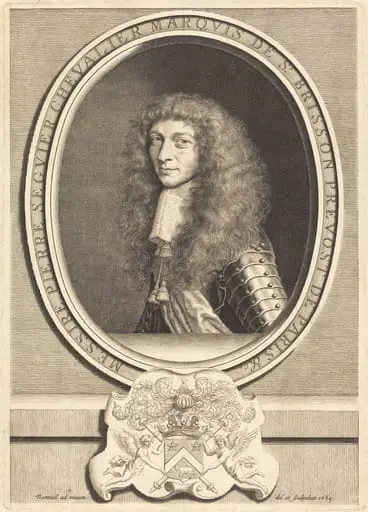
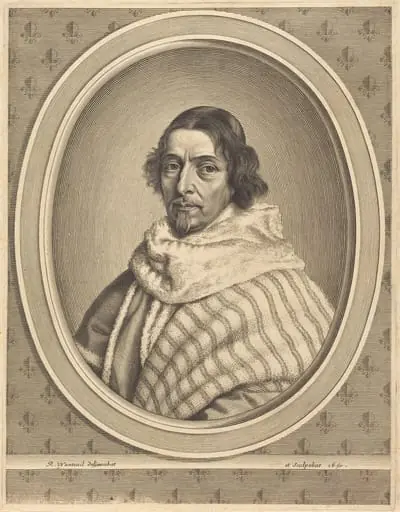
The print is one of many formal portraits Nanteuil produced for the French elite, showcasing his precision in capturing likeness through fine linear detail.
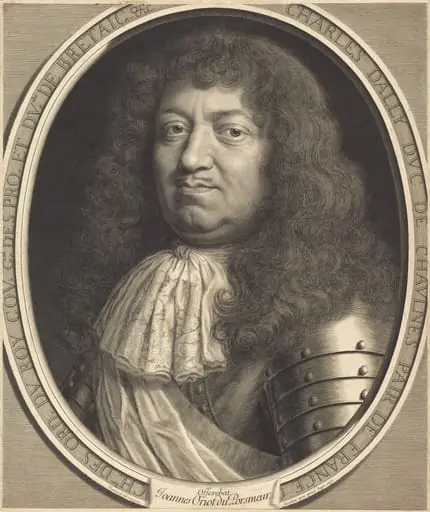
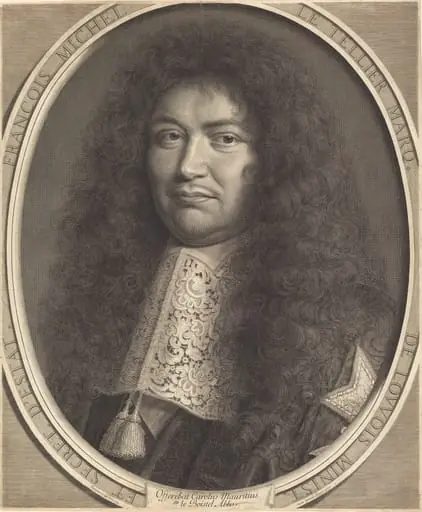
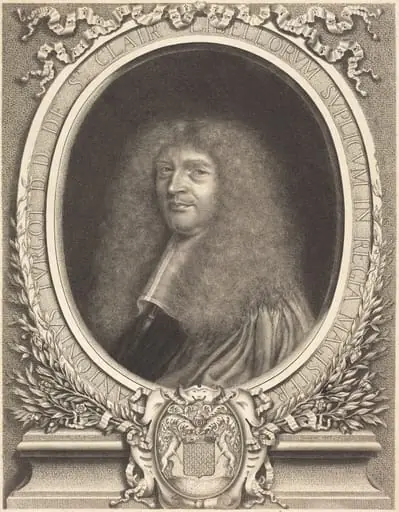
Robert Nanteuil created this 1674 engraving of Jean Le Camus during his service as court engraver to Louis XIV. The print is one of many formal portraits Nanteuil produced for the French elite, showcasing his precision in capturing likeness through fine linear detail. Executed in black ink on paper, the work exemplifies the technical discipline required in intaglio printmaking, where each line is incised by hand into a metal plate.
Subject & Meaning
Jean Le Camus was a member of Nanteuil’s social and professional circle, likely a figure of some standing given the dignity of his portrayal. The portrait avoids overt symbolism, instead emphasizing composure and quiet authority. The high collar and lace ruff signal status and formality, while the neutral background focuses attention on the sitter’s expression and refined attire, reflecting the values of courtly decorum.
Technique & Style
Nanteuil employed fine, controlled engraving lines to model form and texture, particularly in the curls of the subject’s hair and the intricate folds of the lace collar. The tonal gradations are achieved through density and direction of incised lines, not shading or wash. The decorative border framing the image is a common feature in period portrait prints, adding structure and elegance without distracting from the central figure.
History & Provenance
Created during Nanteuil’s official tenure at the French court, the engraving was likely made for private circulation among aristocratic patrons. As court engraver, Nanteuil produced portraits for distribution to reinforce the visual identity of the monarchy and its associates. This print survives as part of a broader corpus of 17th-century French portraiture, preserved in institutional collections and private holdings.
Context
In mid-17th century France, engraved portraits served as both personal mementos and instruments of social representation. Nanteuil’s work stood apart for its naturalism and technical refinement, distinguishing French portraiture from the more stylized traditions of other European courts. His prints circulated widely, helping to standardize a visual language of nobility grounded in subtlety rather than grandeur.
Legacy
Nanteuil’s engravings, including this portrait, set a benchmark for French portraiture in the late Baroque period. His influence extended to later printmakers who adopted his delicate line work and psychological restraint. Though overshadowed in popular memory by painting, his prints remain key documents of French court culture and the evolution of reproductive portraiture in early modern Europe.
Artist & collection
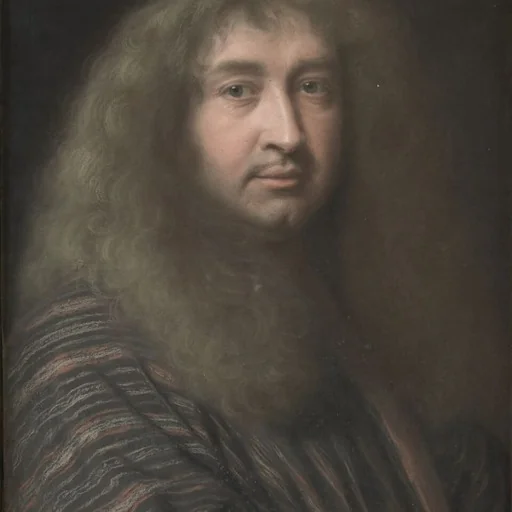
Artist
Robert Nanteuil (French pronunciation: ; 1623 – 9 December 1678) was a French portrait artist: engraver, draughtsman and pastellist to the court of Louis XIV.