Artwork
The Body of Christ
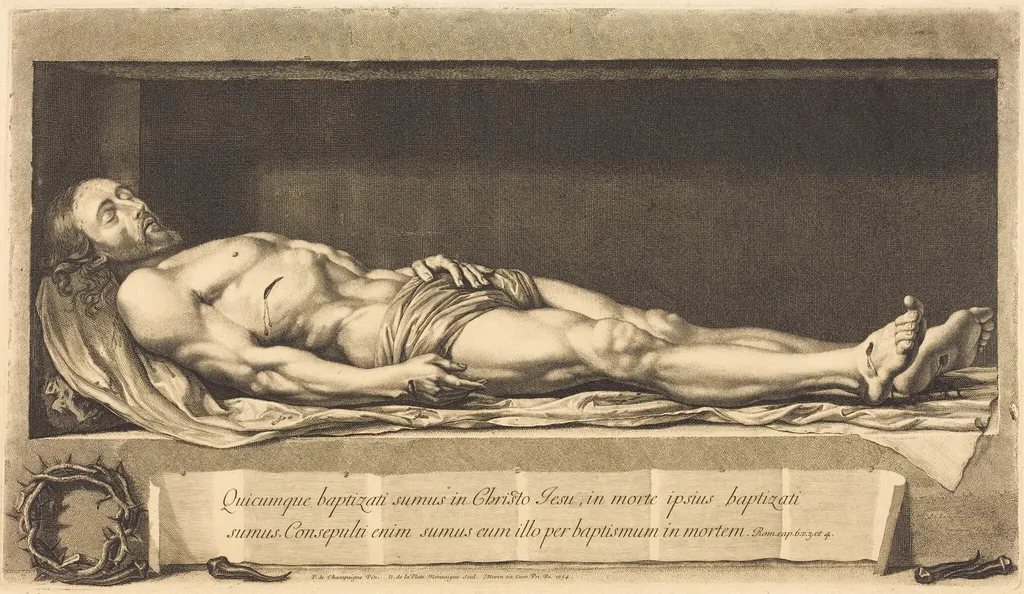
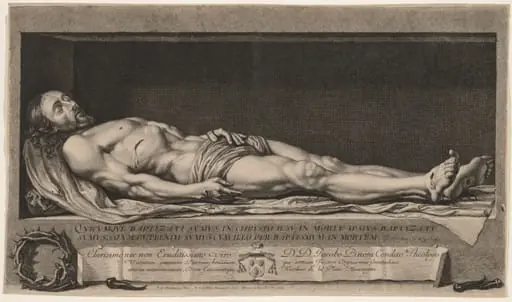
The Body of Christ is an ink print by the Baroque artist Nicolas de Plattemontagne. It dates from 1654 and is held in the collection of the National Gallery of Art.
About this work
Overview
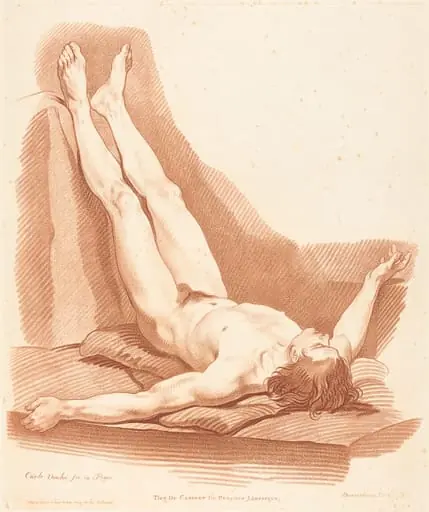
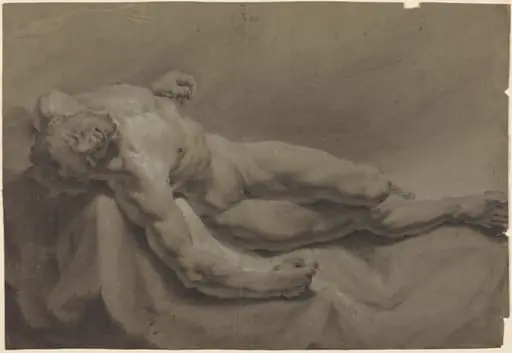
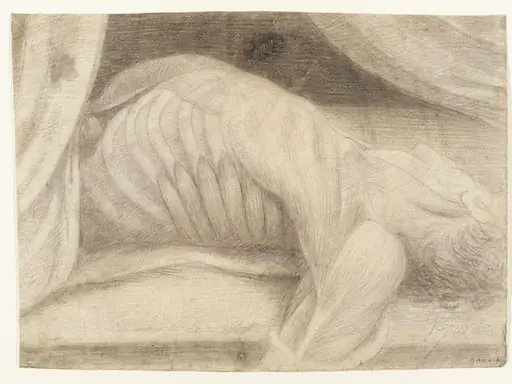
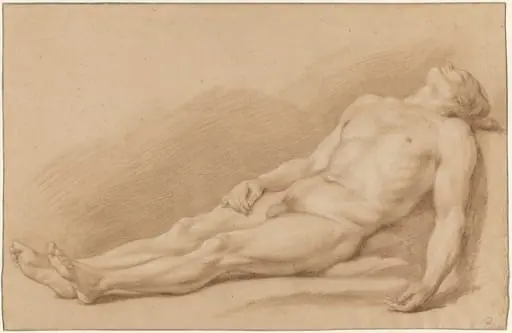
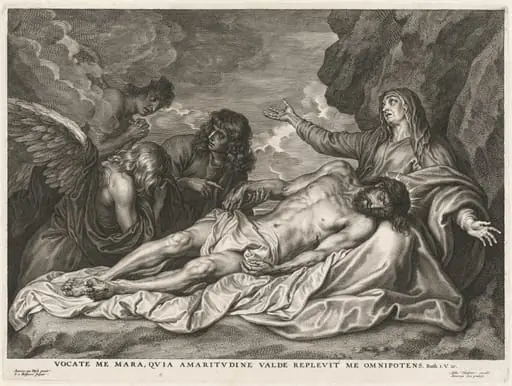
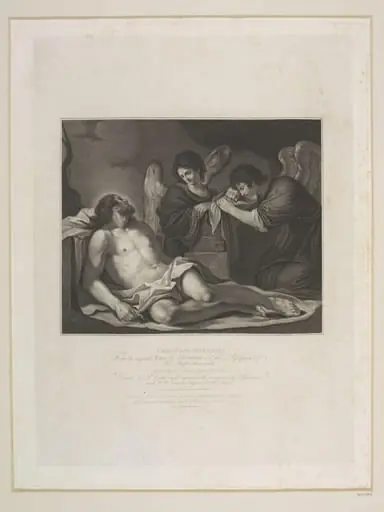
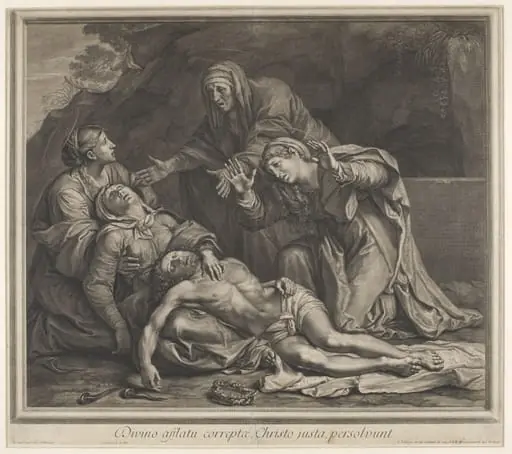
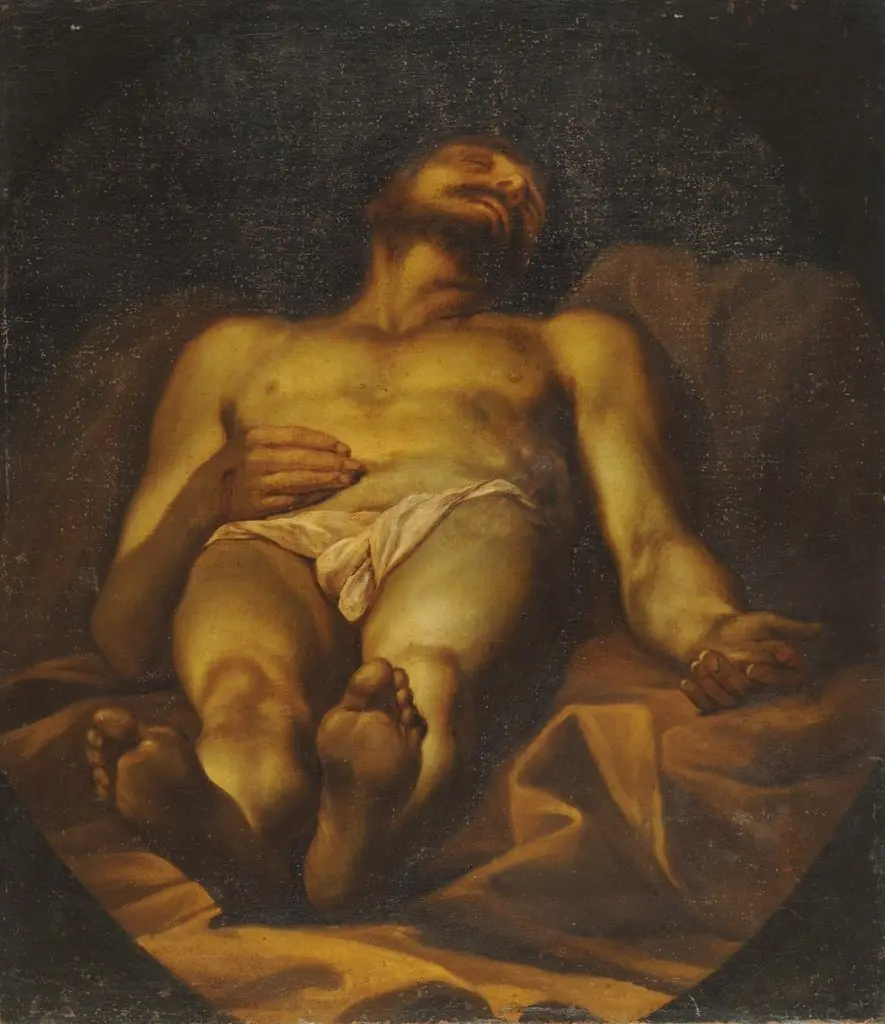
Nicolas de Plattemontagne’s 1654 engraving, titled *The Body of Christ*, presents a solitary, lifeless figure reclined on a plain cloth. The nude form is modestly covered only by a waistband, his head tipped back with eyes closed, while a crown of thorns and three nails lie nearby, evoking the crucifixion narrative.
Subject & Meaning
The composition centers on the physical aftermath of Christ’s passion, inviting contemplation of sacrifice and mortality. By isolating the body in a stark setting, the work emphasizes the human vulnerability of the divine figure, encouraging viewers to meditate on themes of redemption and suffering.
Technique & Style
Executed in fine engraving on laid paper, the image employs pronounced chiaroscuro, contrasting the dark background with the illuminated flesh and cloth. Meticulous line work renders muscles, veins, and the texture of the thorns, creating a three‑dimensional presence that heightens the realism of the scene.
History & Provenance
Created in the mid‑seventeenth century, the print reflects the period’s devotional print market and the artist’s affiliation with the French academic tradition. While specific ownership records are scarce, the engraving circulated among religious collectors and was likely used for private contemplation.
Context
The work aligns with Counter‑Reformation visual strategies that emphasized corporeal representations of Christ to foster personal piety. Its stark, somber tone mirrors contemporary French religious art, which often employed dramatic lighting to underscore spiritual intensity.
Legacy
*The Body of Christ* exemplifies de Plattemontagne’s skill in translating painterly chiaroscuro to the medium of engraving, influencing later French printmakers who sought similar tactile realism in devotional imagery.
Artist & collection