Artwork
În clasă
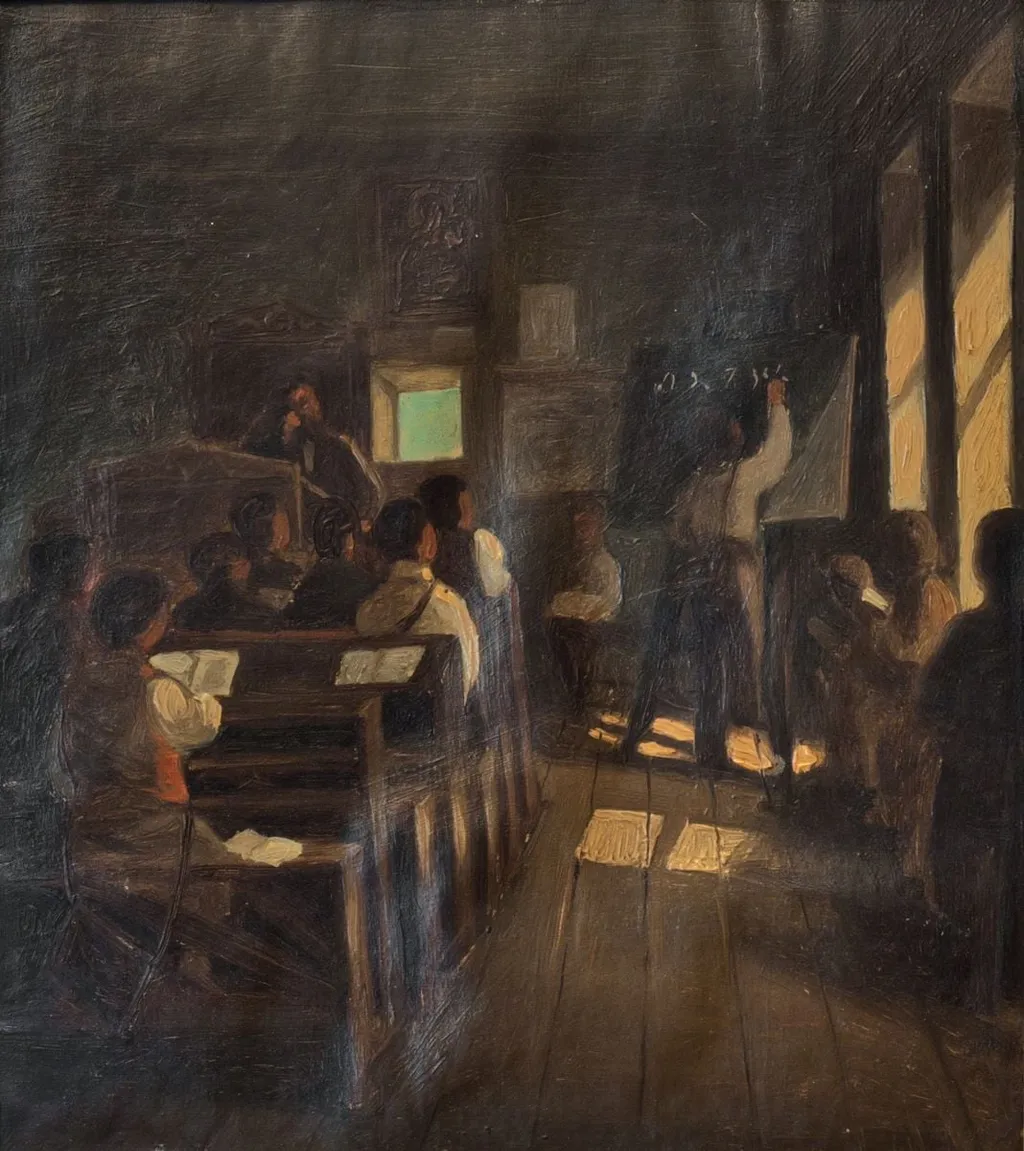
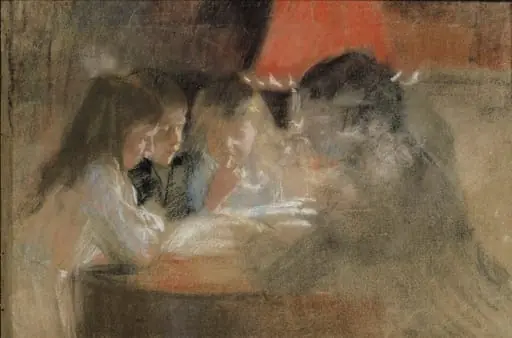
În clasă is a print by Gheorghe (George) Ioachim Pompilian. It is held in the collection of the Bucharest Municipality Museum. The painting captures a quiet classroom moment, rendered with careful attention to light and atmosphere.
About this work
Overview
Natural light enters from the right, illuminating parts of the room and casting soft shadows, reinforcing a mood of stillness and focus.
The painting captures a quiet classroom moment, rendered with careful attention to light and atmosphere. Students sit at desks, absorbed in their tasks, while a teacher stands at the front, observing. Natural light enters from the right, illuminating parts of the room and casting soft shadows, reinforcing a mood of stillness and focus. The composition avoids dramatic action, instead emphasizing the routine dignity of learning.
Subject & Meaning
The scene portrays an ordinary educational setting, free from idealization or sentimentality. The subjects are engaged in silent, individual labor, suggesting a culture of discipline and quiet diligence. The teacher’s presence is authoritative yet unobtrusive, reflecting a relationship rooted in structure rather than spectacle. The painting values the unseen efforts of daily instruction over grand narratives.
Technique & Style
Chiaroscuro is employed to model forms and define spatial depth, with light falling selectively across desks, faces, and walls. The dim interior contrasts with the bright window, guiding the viewer’s gaze toward the center of activity. Brushwork is restrained, favoring subtle tonal shifts over detail, enhancing the sense of realism and intimacy without theatricality.
History & Provenance
The work was created in the late 19th or early 20th century, likely in Eastern Europe, where depictions of school life gained traction as symbols of social progress. It remained in private collections until the mid-20th century, when it entered a public institution. Its origin and early ownership are documented in regional archives, though its initial reception is not widely recorded.
Context
During its time, such scenes reflected broader societal investments in public education and literacy. Classrooms were increasingly seen as sites of civic formation, and artists often turned to them as subjects of quiet social observation. This painting aligns with a regional trend of realism that favored everyday moments over historical or mythological themes.
Legacy
The painting contributes to a modest but persistent tradition of educational realism in Eastern European art. It is not widely reproduced or celebrated in major surveys, but it remains a reference point for studies on pedagogy and visual culture. Its enduring value lies in its unembellished portrayal of learning as a private, collective act.
Artist & collection
Artist
Gheorghe (George) Ioachim Pompilian
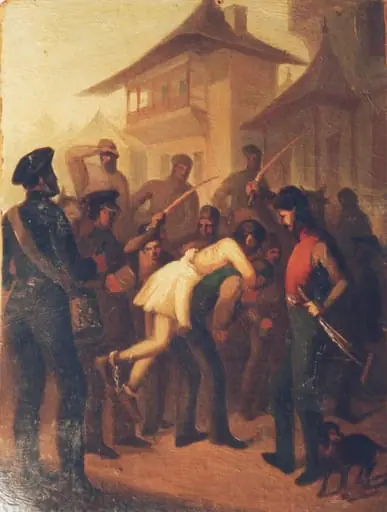
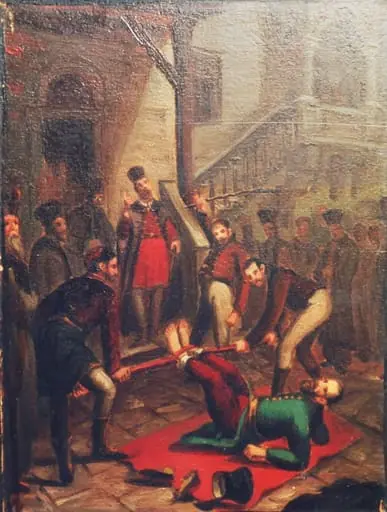
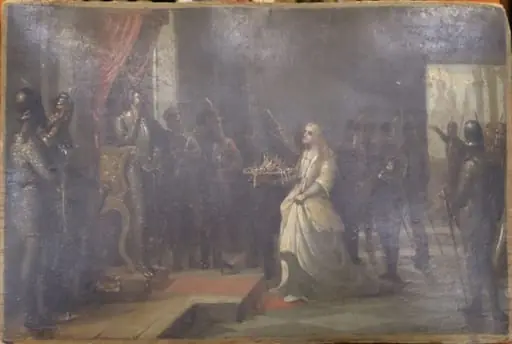
George Ioachim Pompilian had the habit of turning history into something you can almost touch.
 A church Service in the Island of Mors, Jutland
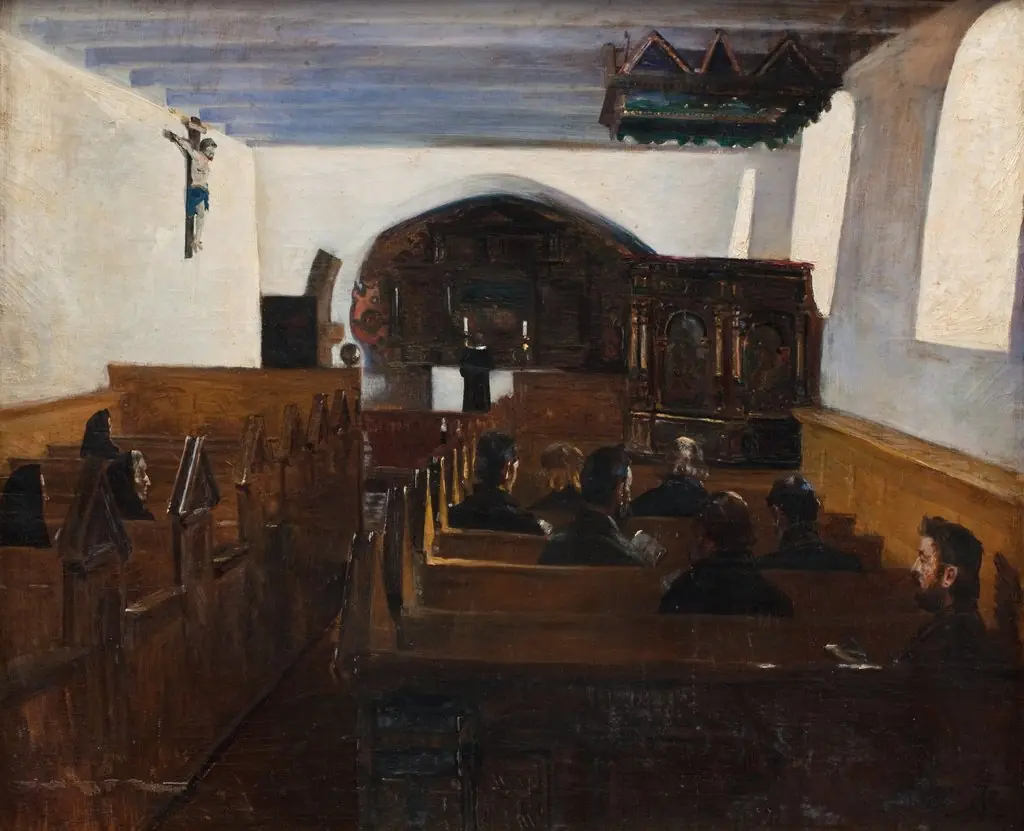 A church Service in the Island of Mors, Jutland
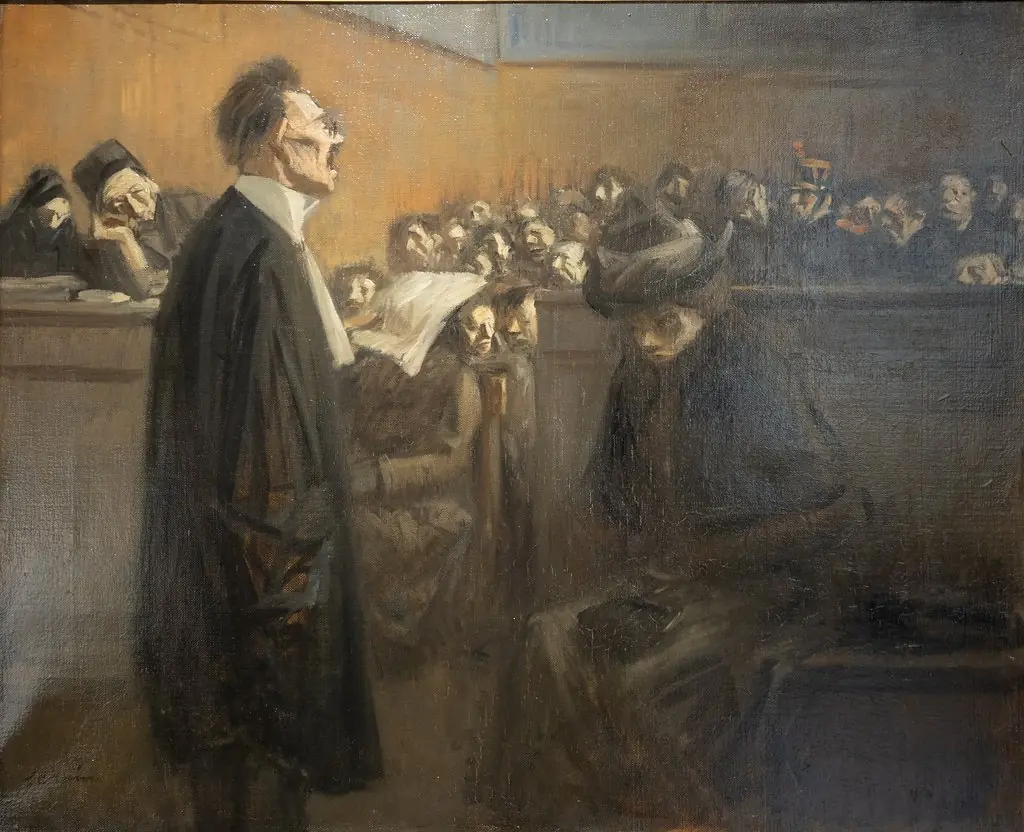 En correctionnelle
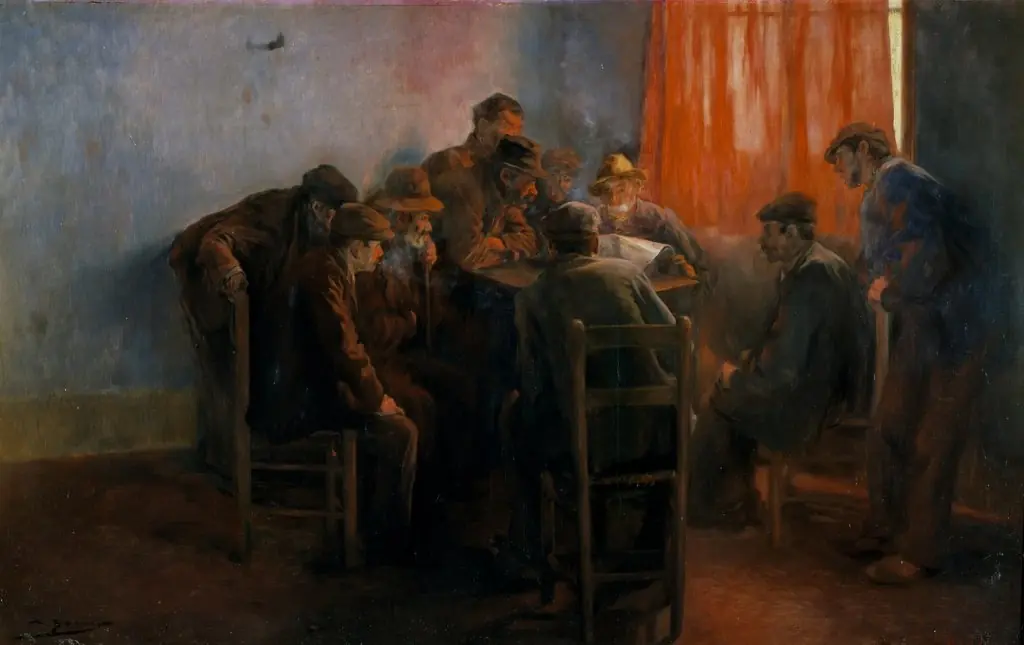 El Comité Rojo
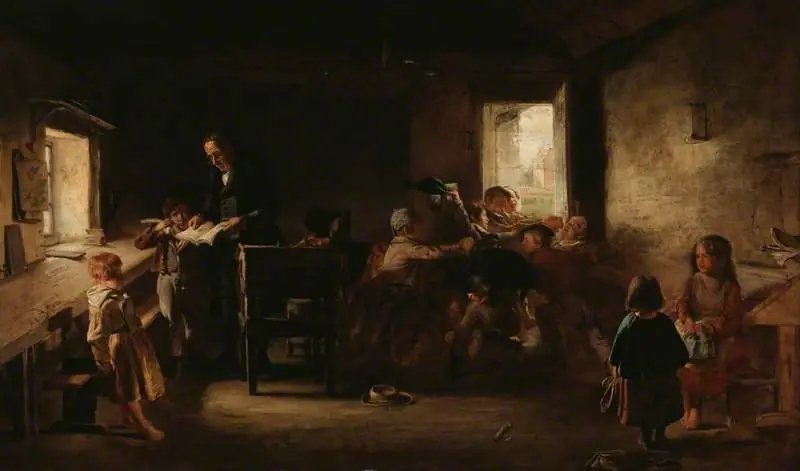 The Schule Skailin'
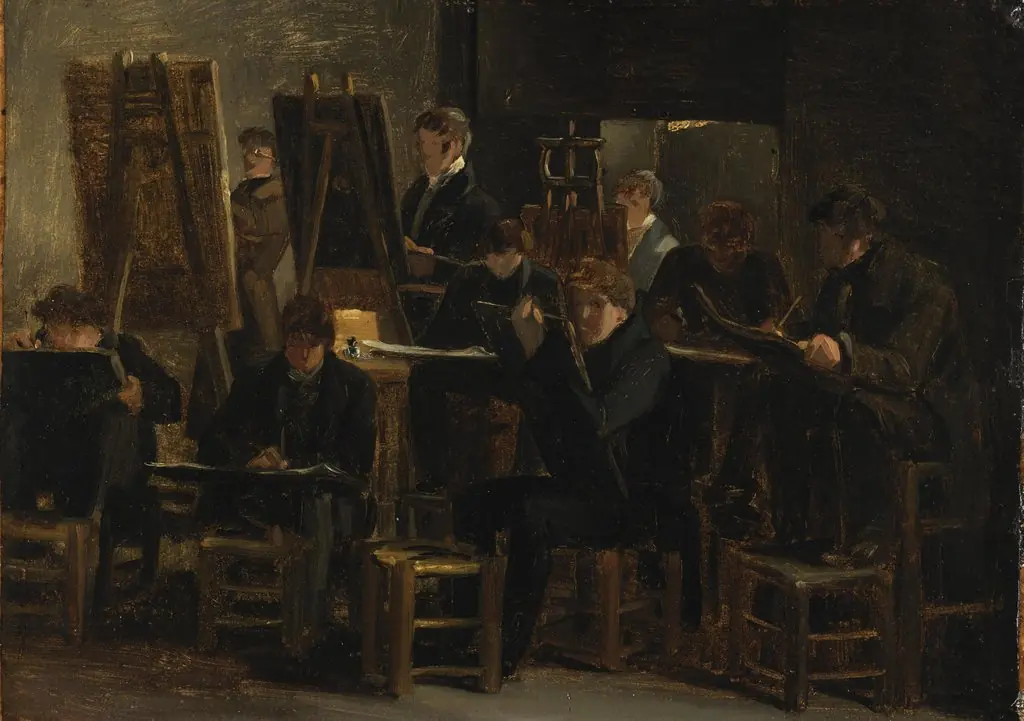 Studio Interior with Artists Working
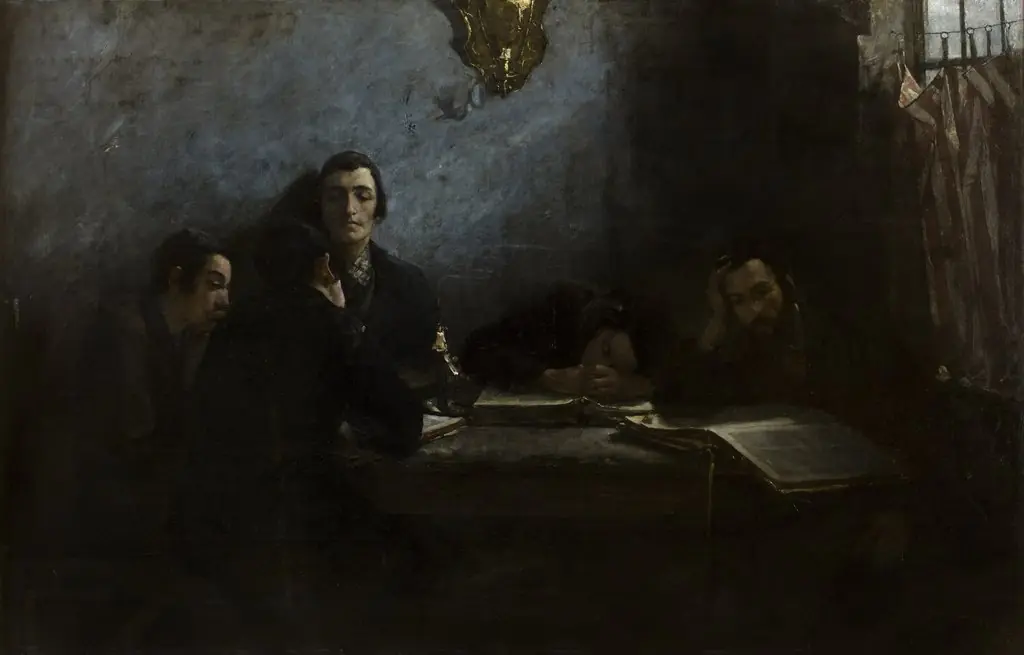 School of Talmudists
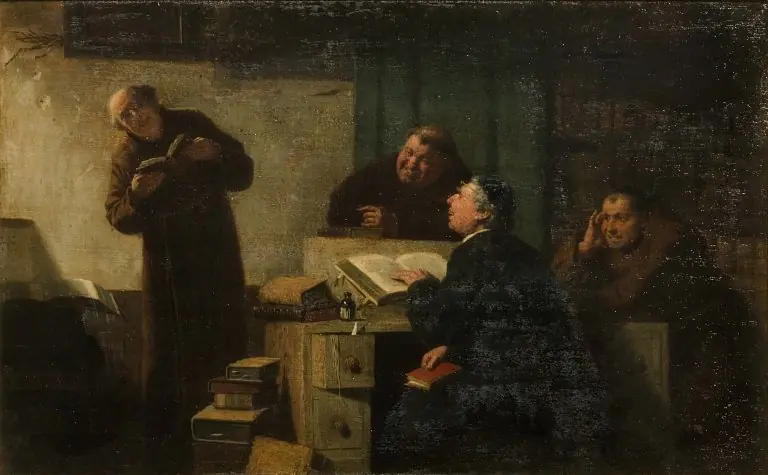 Monastic Library
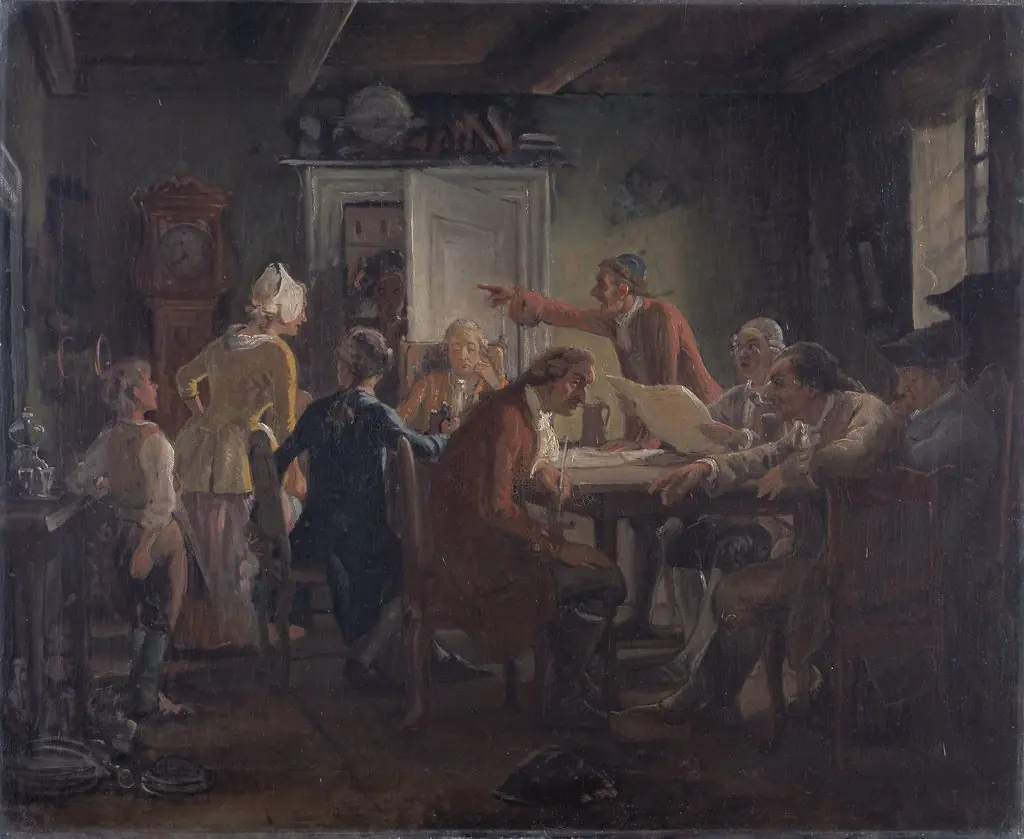 Collegium Politicum. From Ludvig Holberg’s The Political Tinker, Act I, Scene 2.
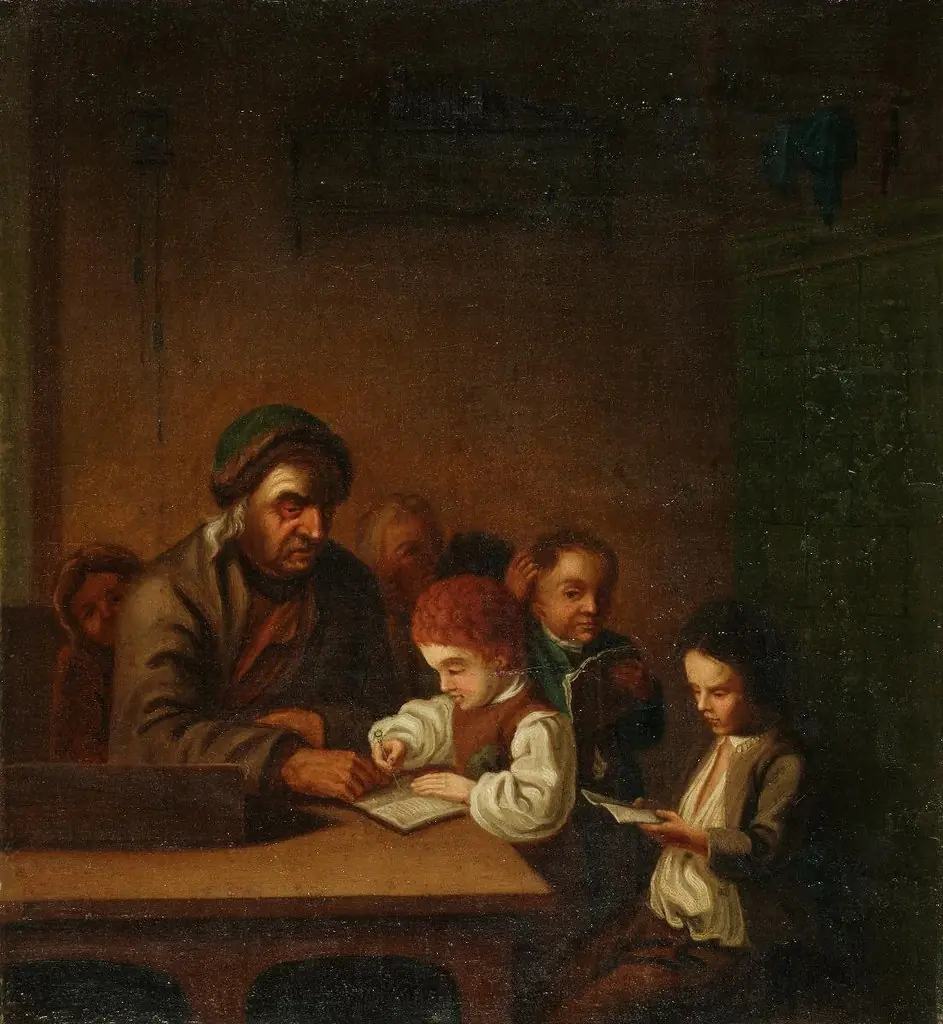 Die Dorfschule
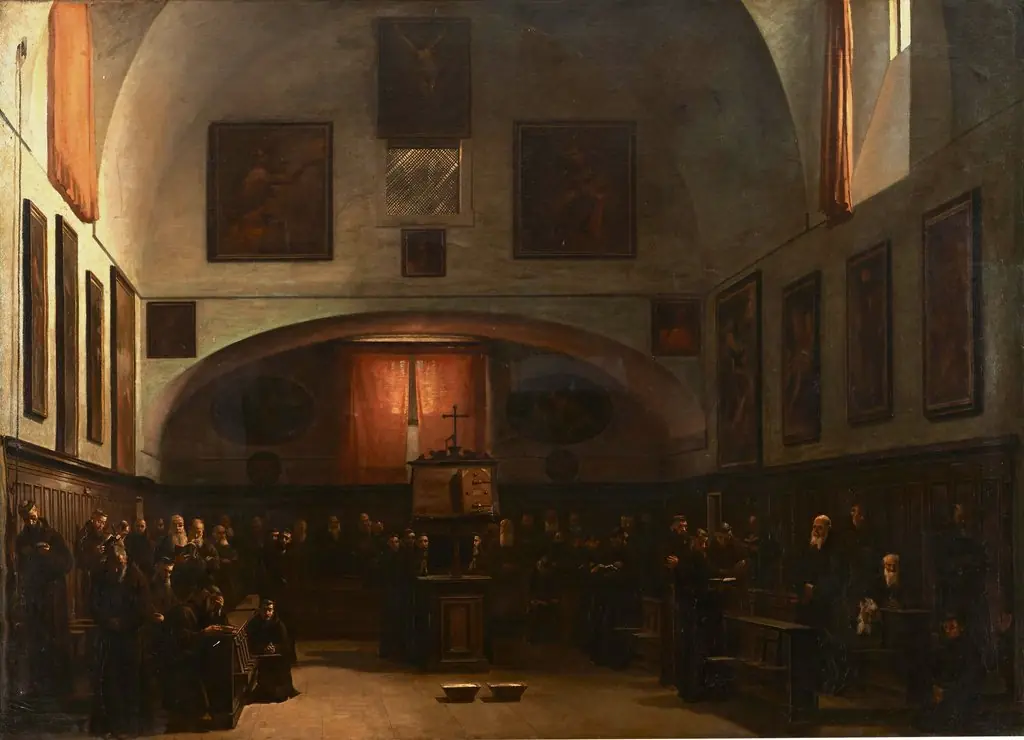 Capuchinos en el coro
 Brandtin lapset (Lampun ääressä)