Artwork
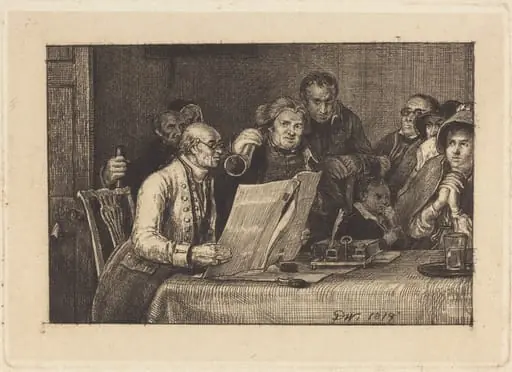
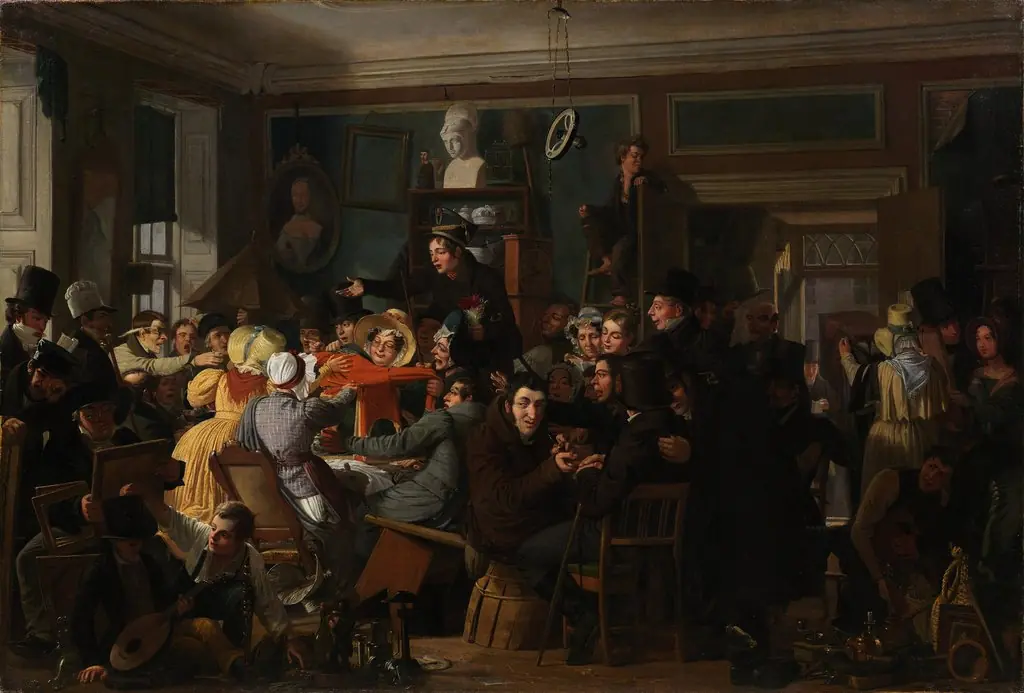
Collegium Politicum. From Ludvig Holberg’s The Political Tinker, Act I, Scene 2.
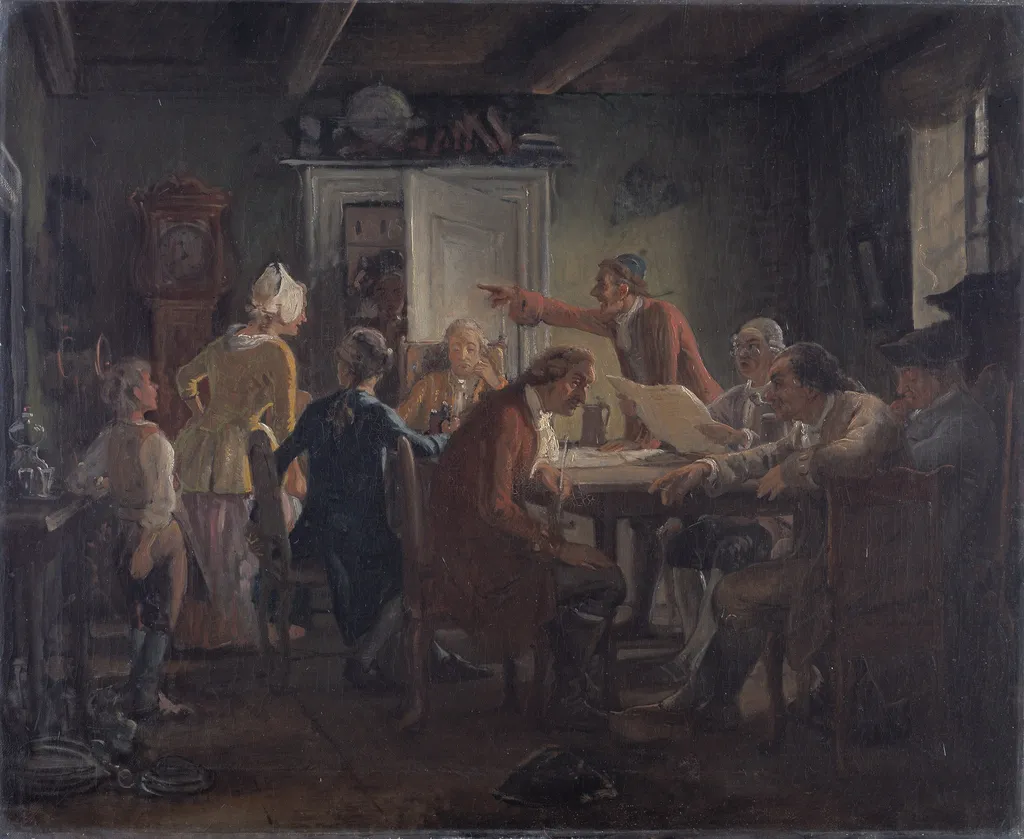
Collegium Politicum. From Ludvig Holberg’s The Political Tinker, Act I, Scene 2. is an oil painting by the Realist artist Wilhelm Marstrand. It dates from 1852 and is held in the collection of the Statens Museum for Kunst.
About this work
Overview
Painted in 1852 by Danish artist Wilhelm Marstrand, this oil-on-canvas work illustrates a moment from Ludvig Holberg’s satirical play *The Political Tinker*.
Painted in 1852 by Danish artist Wilhelm Marstrand, this oil-on-canvas work illustrates a moment from Ludvig Holberg’s satirical play *The Political Tinker*. It captures a gathering of men in a scholarly setting, their postures and expressions conveying intense debate. The painting is part of Denmark’s Golden Age tradition, reflecting a cultural interest in literature and civic life through visual art. It resides today in the Statens Museum for Kunst in Copenhagen.
Subject & Meaning
The scene depicts a political assembly from Act I, Scene 2 of Holberg’s comedy, where flawed governance is lampooned through exaggerated rhetoric. Figures surround a table, one gesturing emphatically at a document, suggesting the absurdity of bureaucratic posturing. The setting—a cluttered study filled with books and papers—hints at the pretense of intellectual authority. Marstrand translates Holberg’s satire into visual form, emphasizing the tension between appearance and substance in public discourse.
Technique & Style
Marstrand employs a restrained palette and careful chiaroscuro to model the figures against a dim interior. His brushwork is precise yet unobtrusive, focusing on texture in fabric, paper, and wood. Facial expressions are rendered with subtle nuance, avoiding caricature while preserving the satirical tone. The composition directs attention to the central document, framed by the figures’ gestures and the clock on the wall, reinforcing the theme of time and urgency in political deliberation.
History & Provenance
Created in 1852, the painting was acquired by the Danish state shortly after completion and entered the collection of the Statens Museum for Kunst. It remained relatively unaltered in public view, reflecting its status as a culturally significant interpretation of national literary heritage. No major changes in ownership or restoration are recorded, and it has been consistently exhibited as part of Denmark’s 19th-century artistic canon.
Context
Marstrand painted this during a period when Danish artists increasingly turned to national literature for subject matter, seeking to define a distinct cultural identity. Holberg’s 18th-century comedies, once popular in Copenhagen’s theaters, were revived in the 1800s as symbols of civic wit and Enlightenment values. This painting aligns with broader efforts to connect visual art with Denmark’s literary past, reinforcing national pride through historical narrative.
Legacy
The work endures as a representative example of how Danish Golden Age painters engaged with literary satire. While not widely known internationally, it remains a key reference in studies of 19th-century Nordic art and the visual adaptation of theater. Its quiet realism and attention to social nuance continue to inform interpretations of Danish cultural history, particularly regarding the intersection of politics, intellect, and performance.
Own this work as a print
Artist & collection
Artist
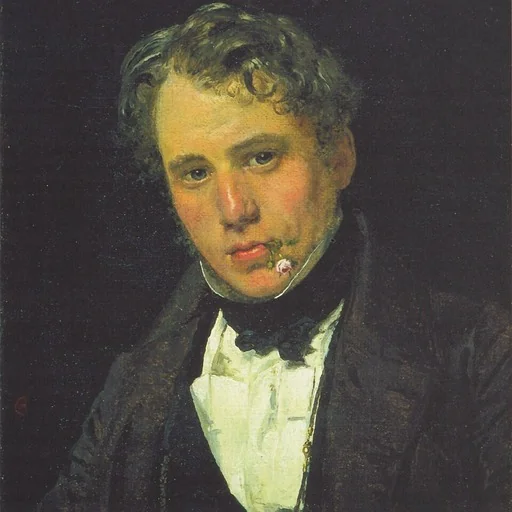
Nicolai Wilhelm Marstrand (24 December 1810 – 25 March 1873), painter and illustrator, was born in Copenhagen, Denmark, to Nicolai Jacob Marstrand, instrument maker and inventor, and Petra Othilia Smith.

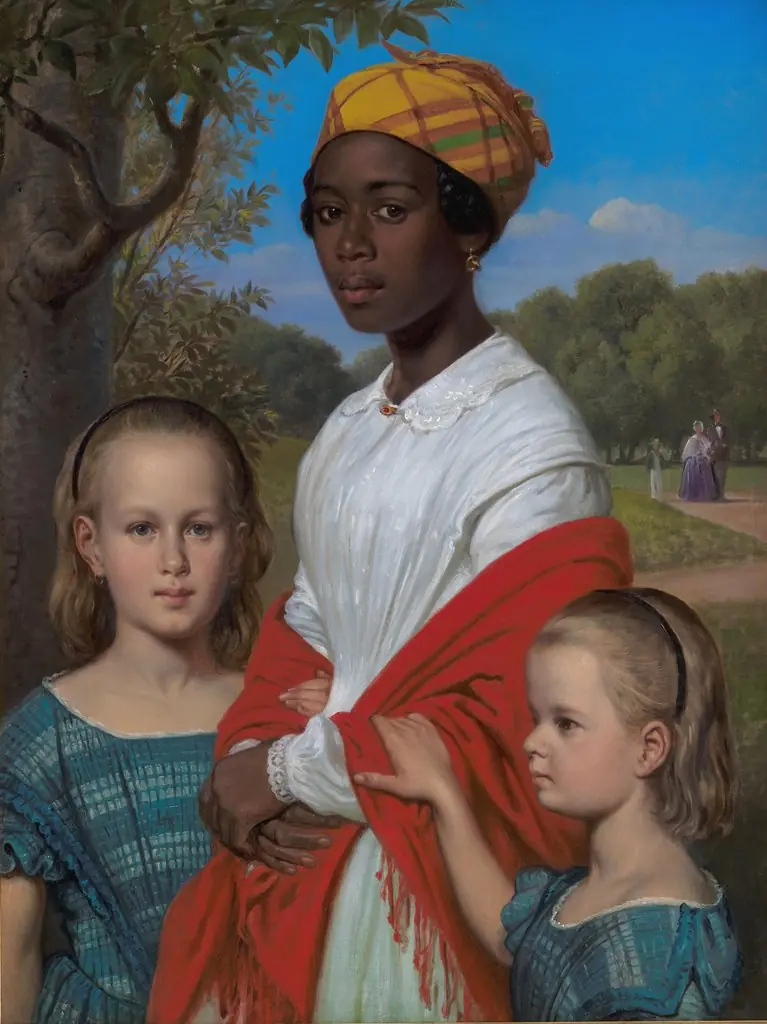 Portrait of Otto Marstrand's two daughters and their nanny
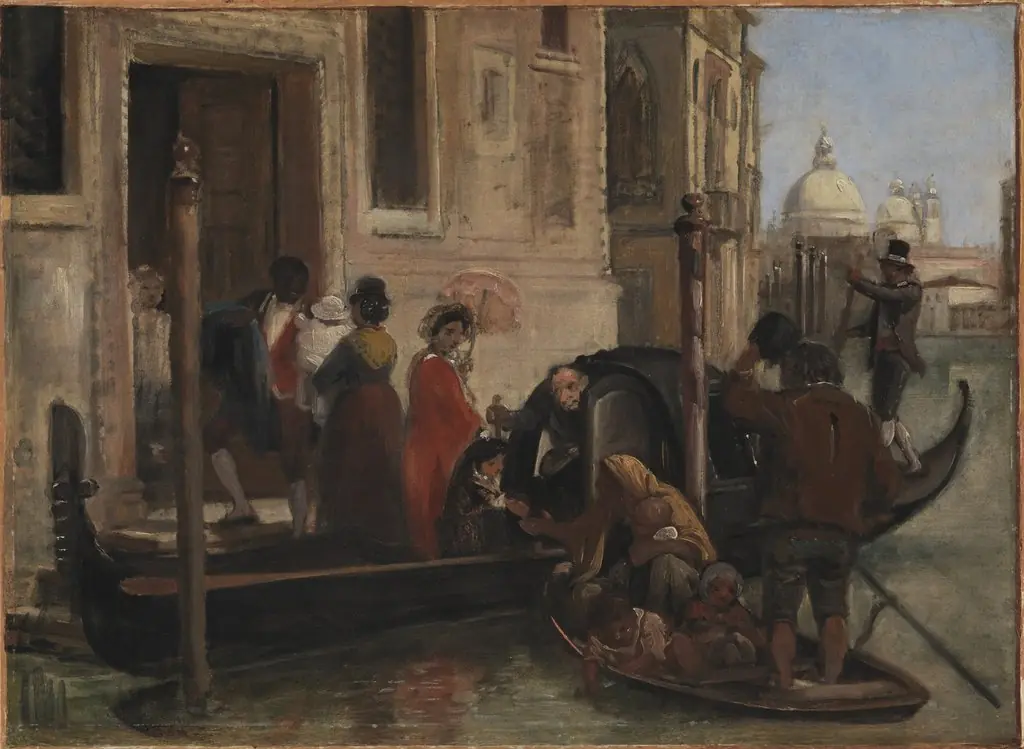 Landing in Venice. In the Distance S. Maria delle Salute
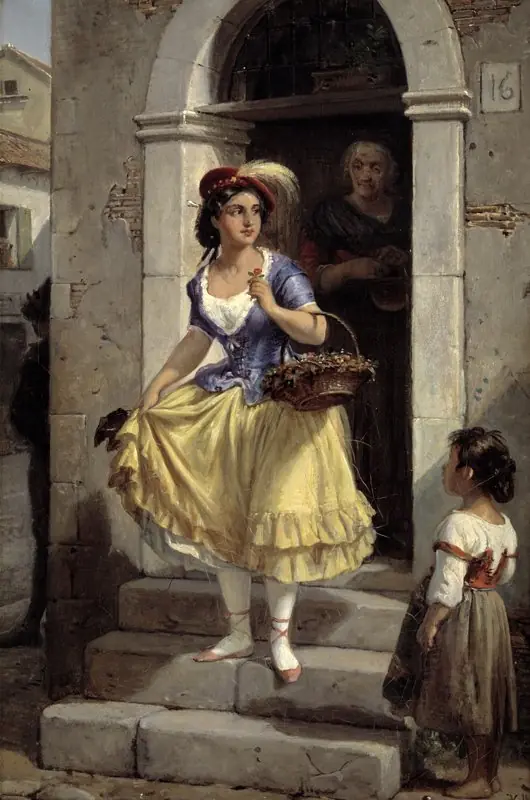 An Italian Woman in the Way to the Carnival
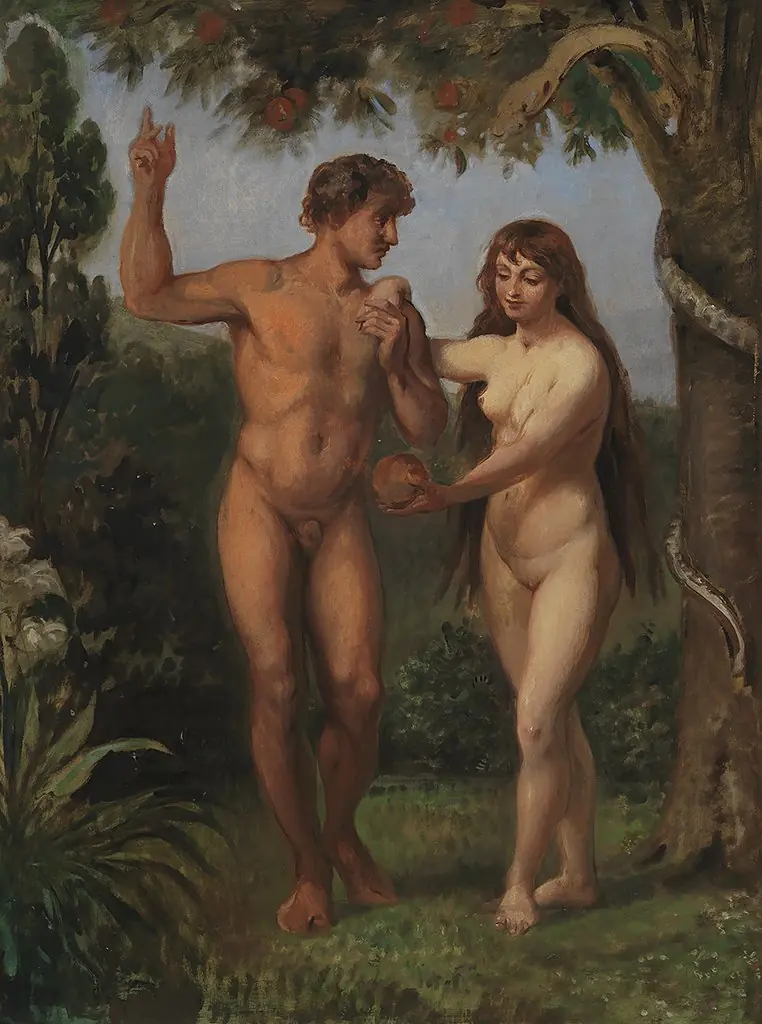 Eve Tempts Adam
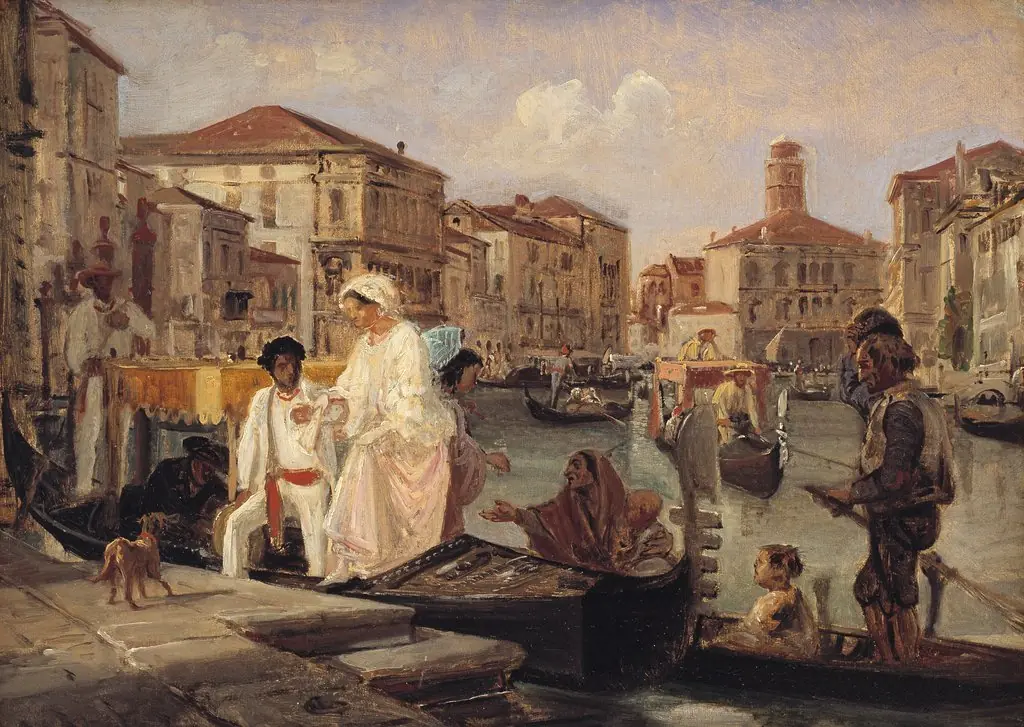 Alighting from a Gondola in Venice
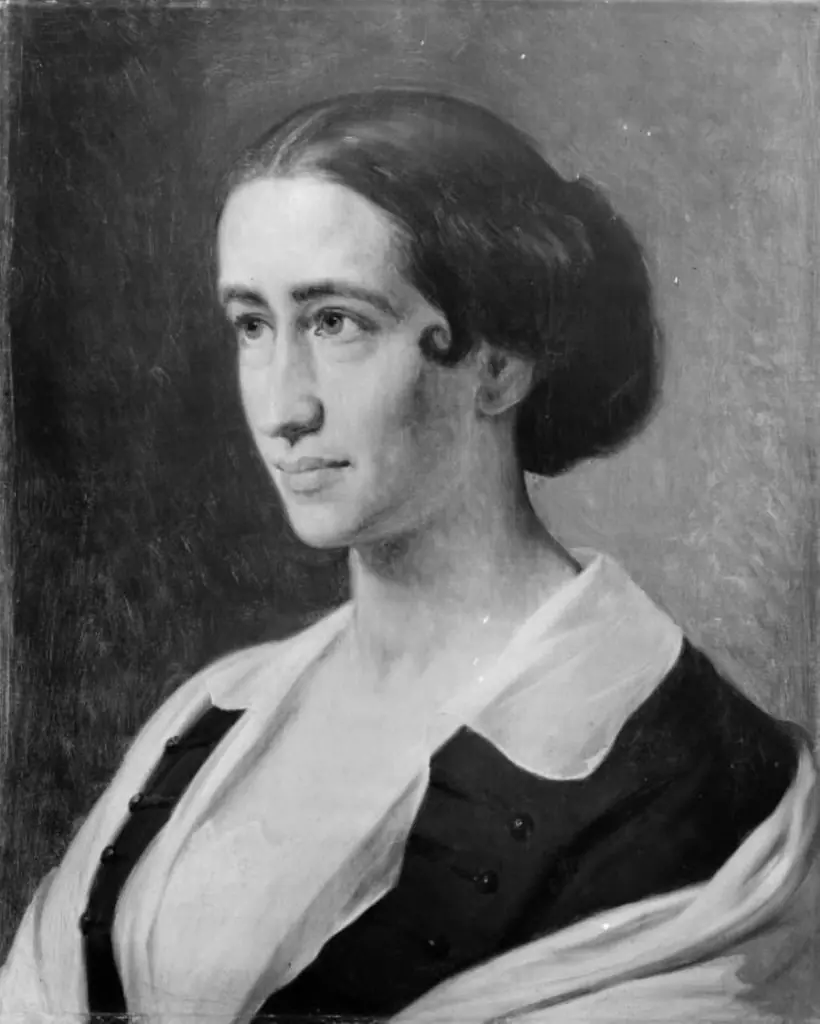 Skuespillerinden Johanne Luise Heiberg
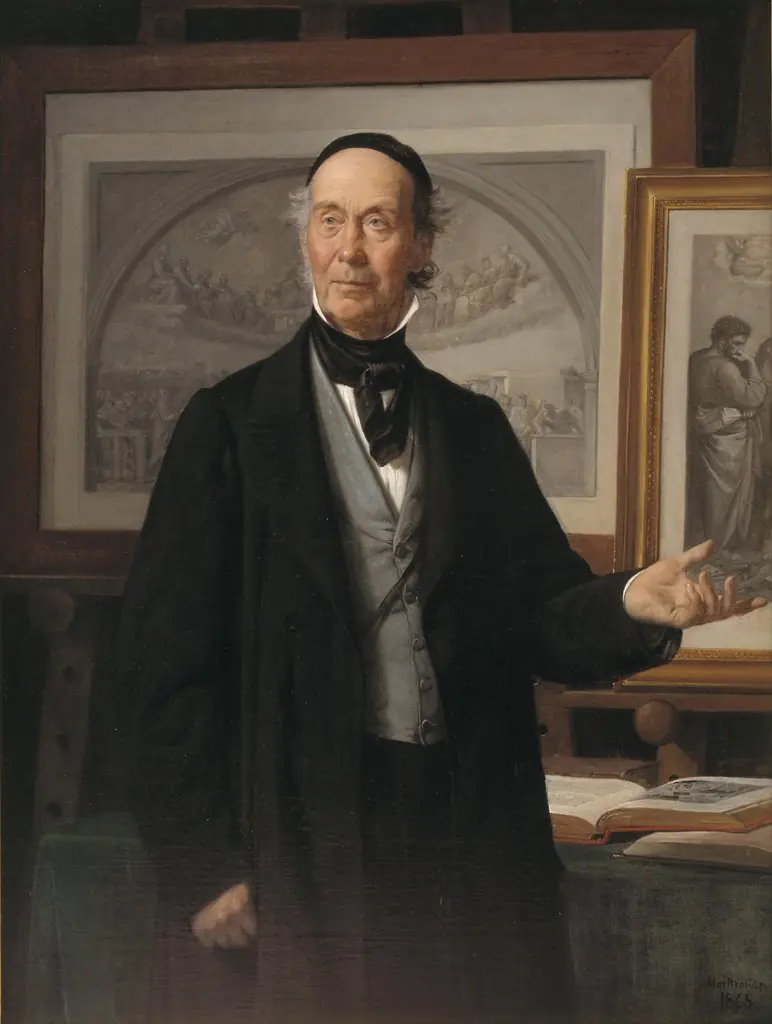 The Art Historian N. L. Høyen
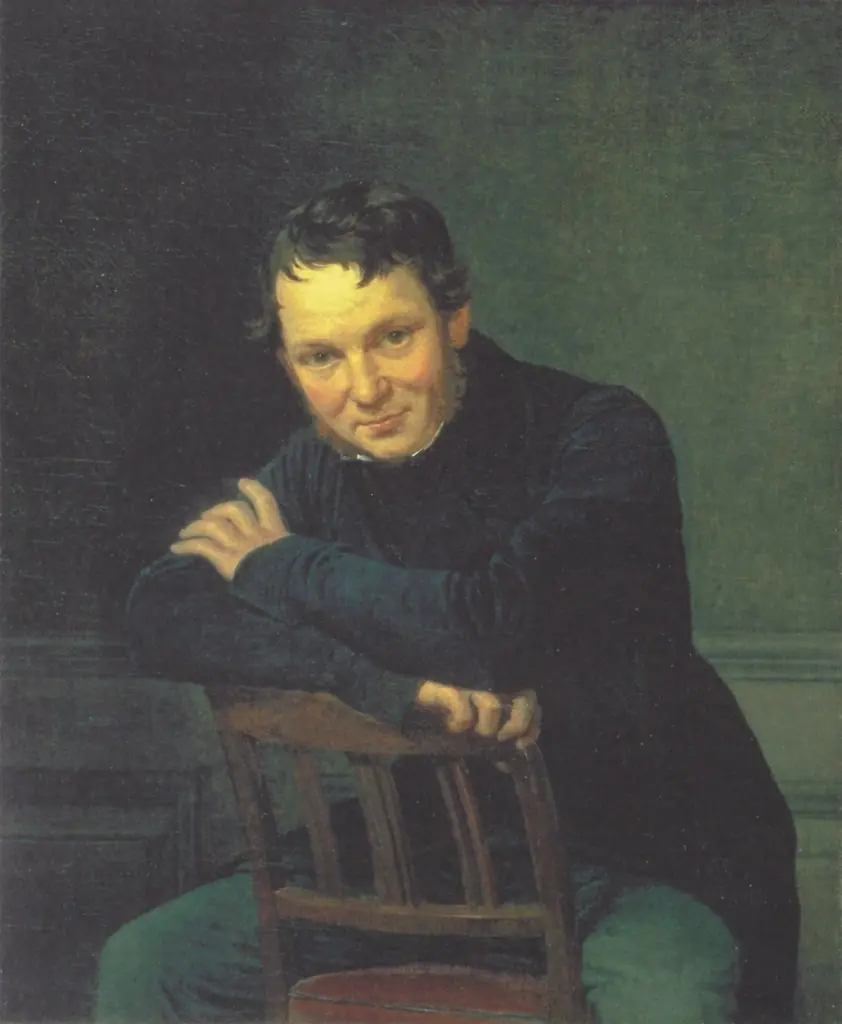 Gottlieb Bindesbøll, Danish Architect