Artwork
Iarna
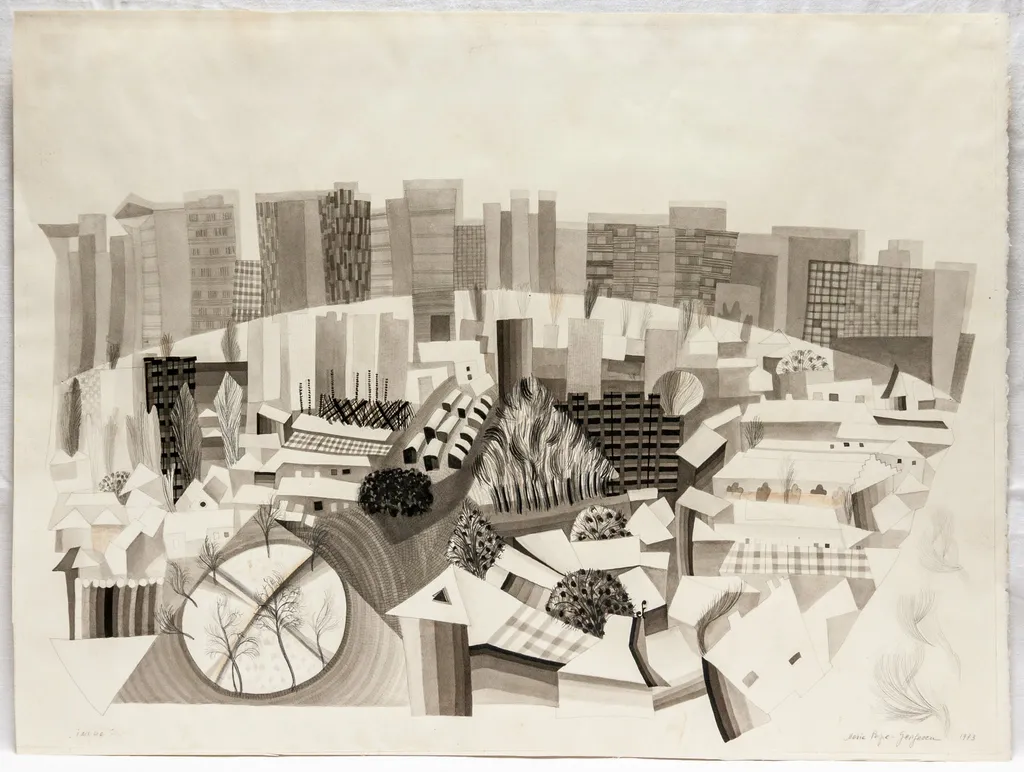
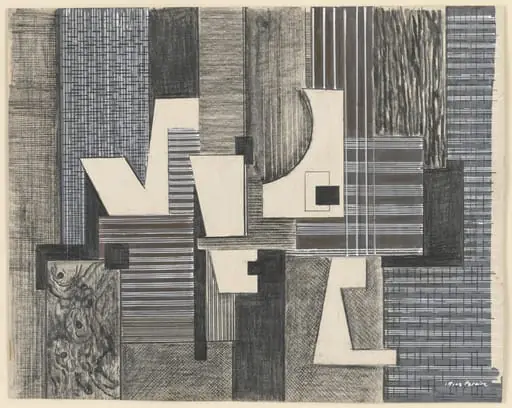
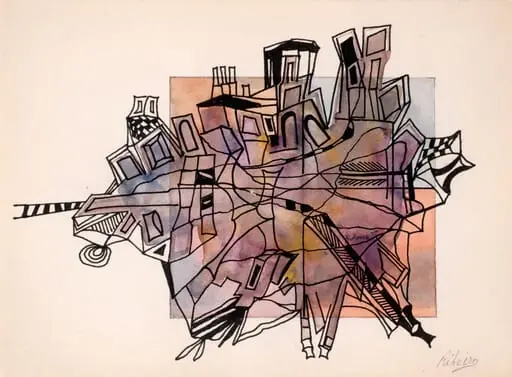
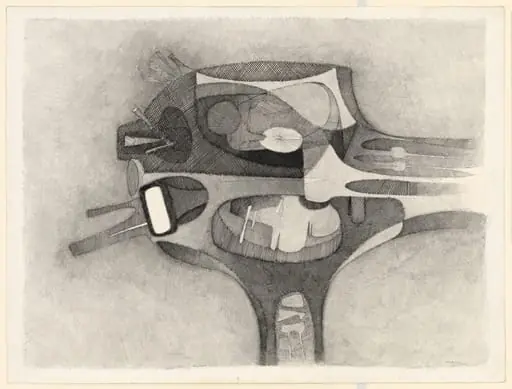
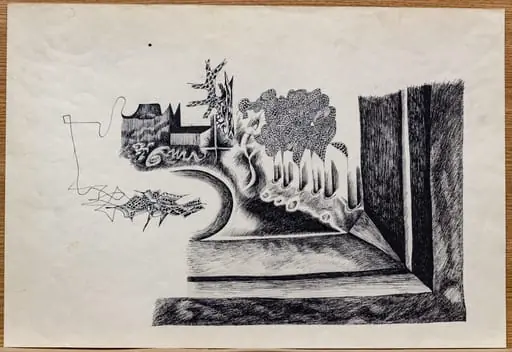
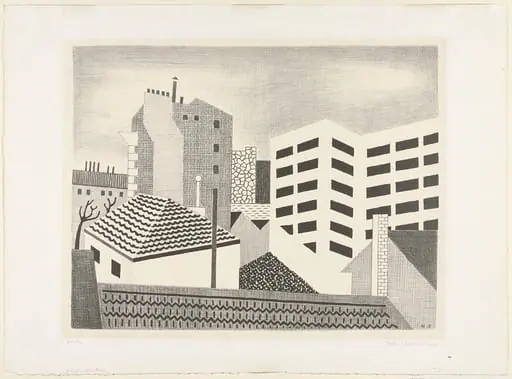
Iarna is a print by Maria Popa Georgescu. It dates from 1950 and is held in the collection of the Gavrila Simion Eco-Museum Research Institute Tulcea.
About this work
Overview
Iarna, created around 1950 by Maria Popa Georgescu, is a cut-paper and ink composition depicting a winter village scene. The work resides in the Museum of Ethnography and reflects a quiet, observational approach to rural life in Romania. Its layered paper elements and controlled ink lines form a stylized yet grounded landscape, emphasizing texture over realism.
Subject & Meaning
The scene portrays a clustered village nestled in a snow-covered valley, with bare trees and a winding path suggesting quiet isolation. The absence of human figures enhances a sense of stillness, evoking the rhythm of seasonal life in rural communities. The composition conveys endurance and solitude, rooted in the rhythms of agrarian existence rather than narrative drama.
Technique & Style
Georgescu constructed the image using layered cut-paper shapes and ink, mimicking natural textures like bark, woven textiles, and snow-dusted surfaces. Edges remain sharp, with no blending of tones; contrast between light and dark areas creates spatial depth through chiaroscuro. The method favors tactile suggestion over painterly illusion, aligning with folk-inspired modernist practices.
History & Provenance
The work was produced in the early postwar period, during a time when Romanian artists increasingly turned to rural themes as cultural anchors. It entered the collection of the Museum of Ethnography shortly after its creation, likely chosen for its representation of traditional landscape and craft-based aesthetics within national artistic discourse.
Context
Iarna emerged amid state-supported efforts to define a Romanian artistic identity rooted in peasant life. While official culture often idealized rural scenes, Georgescu’s approach remained intimate and unembellished. Her use of paper and ink reflected both material constraints and a deliberate alignment with folk art traditions, distinguishing her from academic painters of the era.
Legacy
The work stands as an example of mid-century Romanian artists who reinterpreted folk motifs through modernist techniques. Though not widely exhibited beyond institutional circles, Iarna contributes to a quieter lineage of print and collage-based landscape art that valued material honesty over spectacle, influencing later generations interested in vernacular aesthetics.
Artist & collection
Artist
Maria Popa Georgescu made prints. In one she showed a snowy Romanian village under winter’s low sky, bare poplars standing like black lace. The print is titled Iarna. She worked in the quiet decades between the wars…
Museum
Gavrila Simion Eco-Museum Research Institute Tulcea
Continue through works from the same source collection.