Artwork
Nicolae Popp, fratele pictorului Mișu Popp
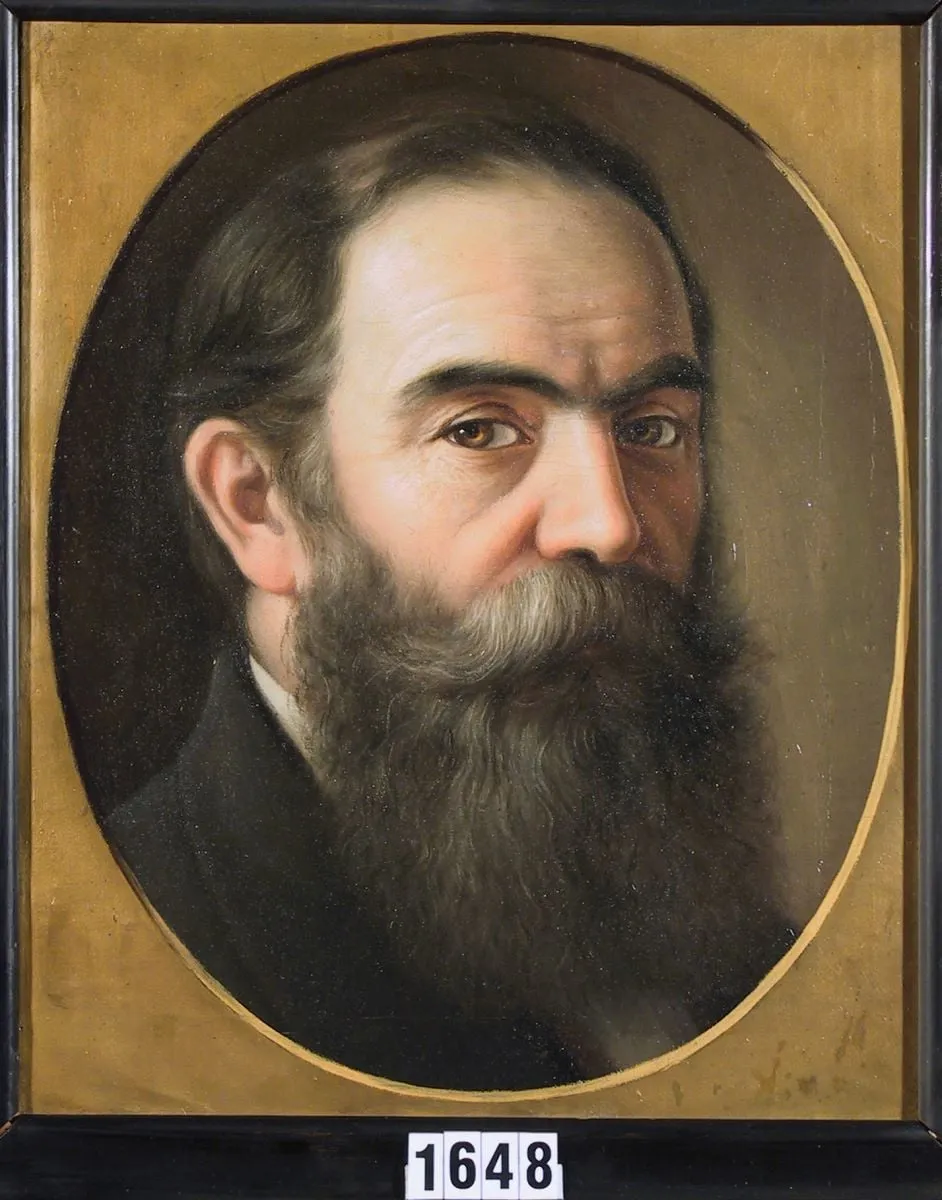
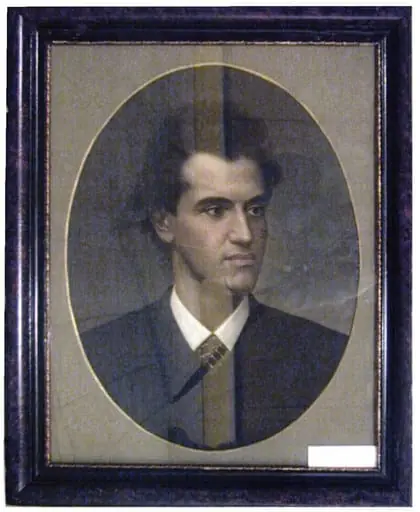
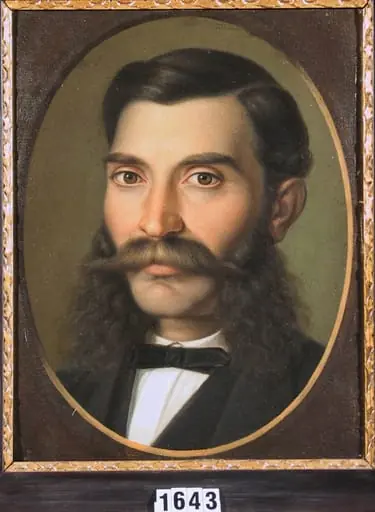
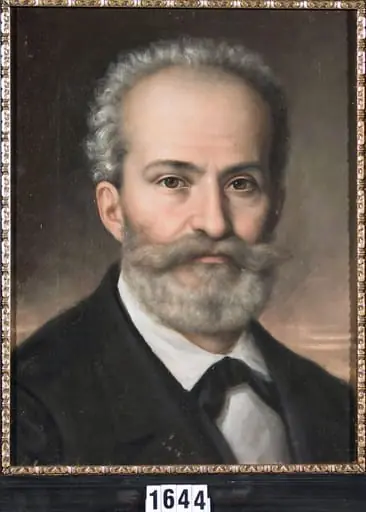
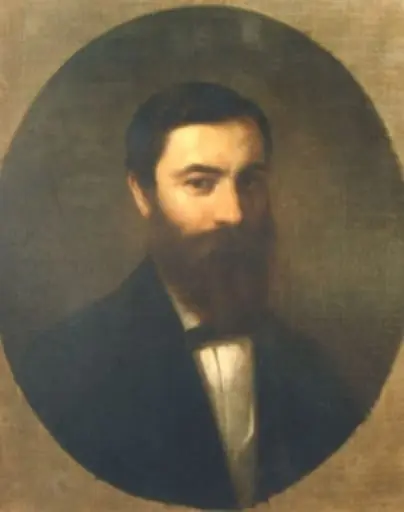
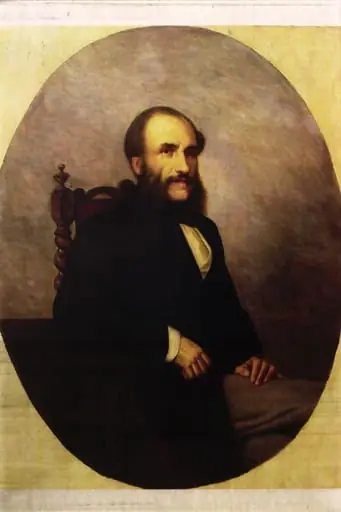
Nicolae Popp, fratele pictorului Mișu Popp is a print by the Academic Art artist Mișu Popp. It dates from 1869 and is held in the collection of the Brukenthal National Museum.
About this work
Overview
Painted around 1869 by Mișu Popp, this portrait depicts his brother Nicolae Popp. The composition is intimate and tightly framed, with the subject’s face occupying nearly the entire circular space. A dark, unmodeled background isolates the figure, drawing attention to the subtle modeling of skin and beard. The work reflects a quiet, personal moment rather than a formal commission.
Subject & Meaning
His beard and furrowed brow suggest age and quiet dignity, but no explicit narrative or symbolic elements are present.
Nicolae Popp, the subject, is rendered with solemnity and restraint. His beard and furrowed brow suggest age and quiet dignity, but no explicit narrative or symbolic elements are present. The portrait functions primarily as a familial record, capturing a moment of stillness between siblings. The absence of props or context emphasizes the psychological presence of the sitter over any external identity.
Technique & Style
Mișu Popp employs soft chiaroscuro to model the face, using gradual tonal transitions to suggest volume and texture. The beard is rendered with delicate, feathery strokes that mimic individual hairs, while wrinkles are suggested through subtle shifts in light rather than sharp lines. The technique avoids theatrical contrast, favoring a restrained realism that enhances the portrait’s intimacy and quiet presence.
History & Provenance
The painting was created in the late 1860s, likely in Romania, during Mișu Popp’s early career as a portraitist. It remained within the family for generations before entering institutional collections. Its survival as a private work, rather than a public commission, suggests its significance as a personal artifact, preserved for its emotional resonance rather than artistic fame.
Context
In mid-19th century Romania, portraiture was increasingly used by the emerging middle class to assert identity and social standing. Mișu Popp, trained in academic traditions, adapted these conventions to intimate subjects. This portrait reflects a shift from grand public imagery toward private, psychologically nuanced depictions, aligning with broader European trends in domestic realism.
Legacy
Though not widely exhibited during its time, the portrait endures as a quiet example of familial representation in Romanian art. It illustrates Mișu Popp’s skill in capturing character through subtle light and texture, distinct from his more formal commissions. Its preservation highlights the value placed on personal memory within artistic circles of the period.
Artist & collection