Artwork
Emil Kjöllerfeldt
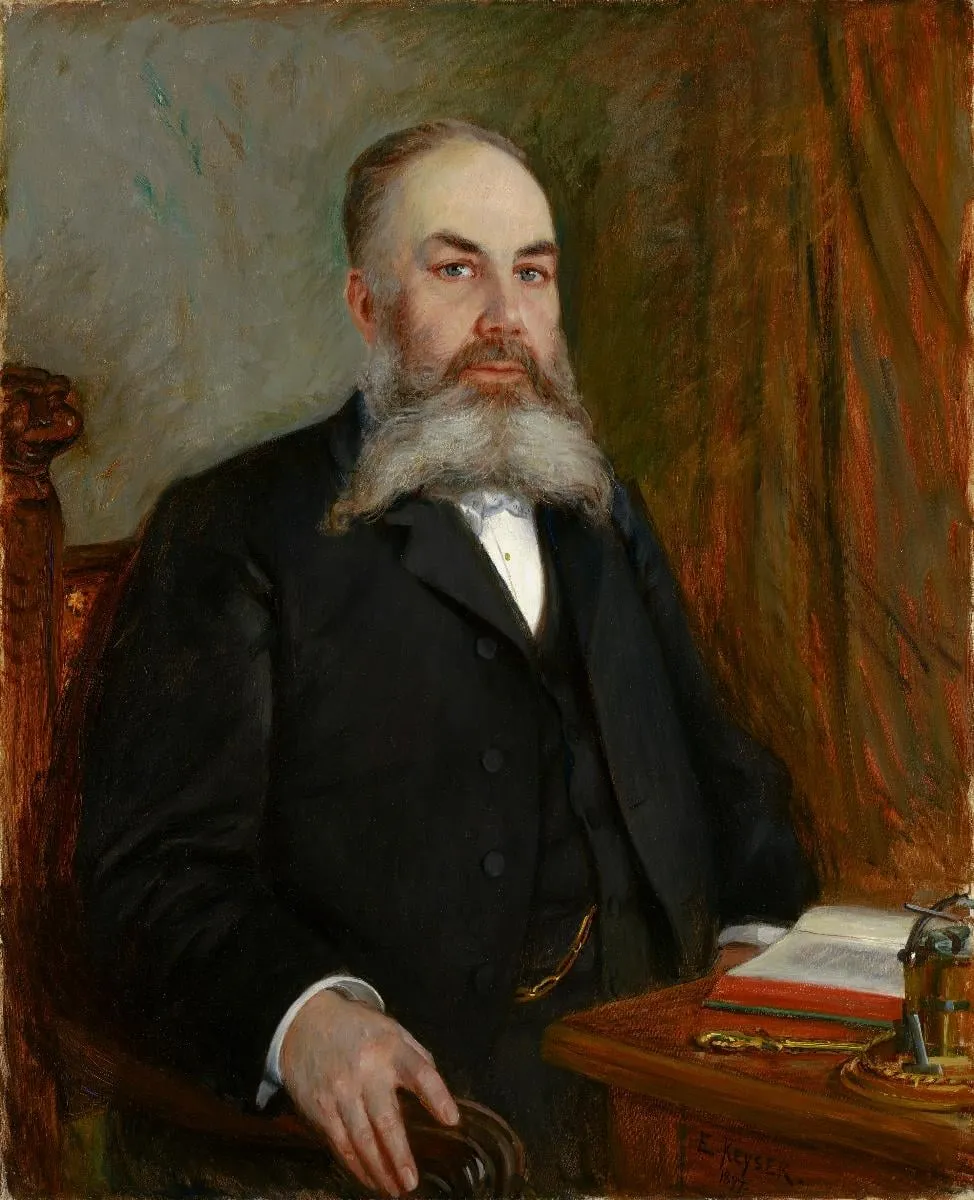
Emil Kjöllerfeldt is an unspecified painting by Elisabeth Keyser. It is held in the collection of the Finnish National Gallery.
About this work
Overview
Emil Kjöllerfeldt’s portrait depicts an elderly man seated at a desk, rendered with subdued tonalities and restrained detail. The composition centers on the figure, whose dark attire contrasts with the muted background, directing attention to his facial features and hands. A single red book and a small lamp serve as minimal yet deliberate props, reinforcing the scene’s quiet intimacy.
Subject & Meaning
The subject, an unidentified older man, conveys an air of contemplation or scholarly engagement. His relaxed posture and the presence of a book suggest a moment of private reflection or study. The absence of overt symbolism leaves interpretation open, though the emphasis on calm and focus may imply dignity in intellectual or domestic pursuits.
Technique & Style
Kjöllerfeldt employs soft, blended brushwork to model the subject’s face, creating gradual transitions between light and shadow. This approach, reminiscent of sfumato, lends a lifelike yet understated quality to the features. The restrained palette and sparse background reflect a realist sensibility, prioritizing clarity and emotional restraint over dramatic effect.
History & Provenance
Details of the painting’s creation and early ownership remain undocumented. Its current status and location are not publicly recorded, limiting insight into its trajectory. The work’s modest scale and unassuming subject matter suggest it may have been a private commission or an exercise in portraiture rather than a public exhibition piece.
Context
Painted during a period when portraiture often served as a record of social or professional standing, this work diverges from formal conventions by favoring intimacy over grandeur. The subdued setting and unadorned presentation align with late 19th- or early 20th-century trends that valued psychological presence over ostentation.
Legacy
While not widely recognized in broader art historical narratives, the painting exemplifies techniques characteristic of its time. Its quiet execution and focus on human presence offer insight into the artist’s approach to portraiture. The work’s preservation, whether in private or institutional hands, contributes to the study of period-specific representational methods.
Artist & collection

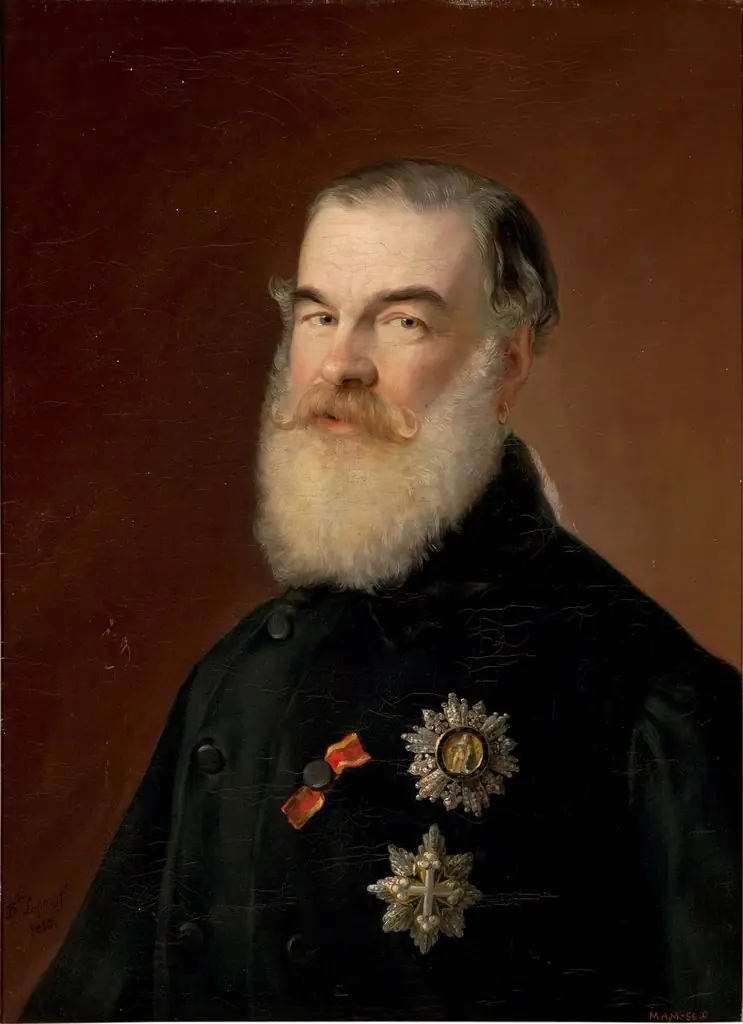 Dionisio de Bassecourt marqués de Bassecourt
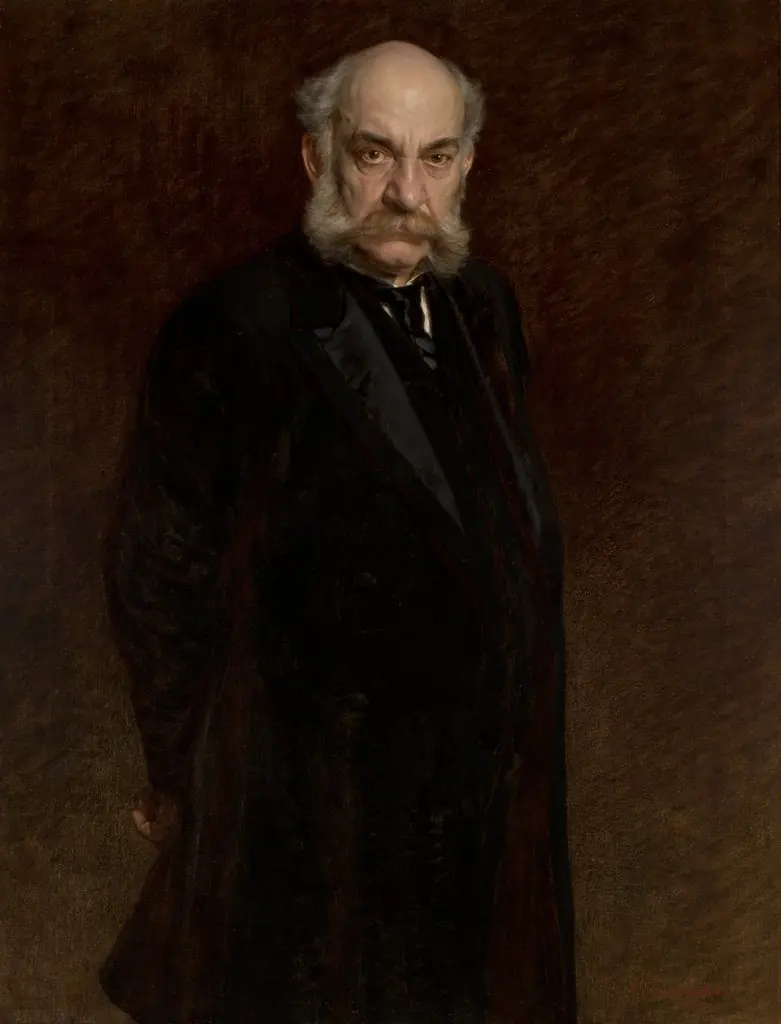 Portrait of Filip Zaleski
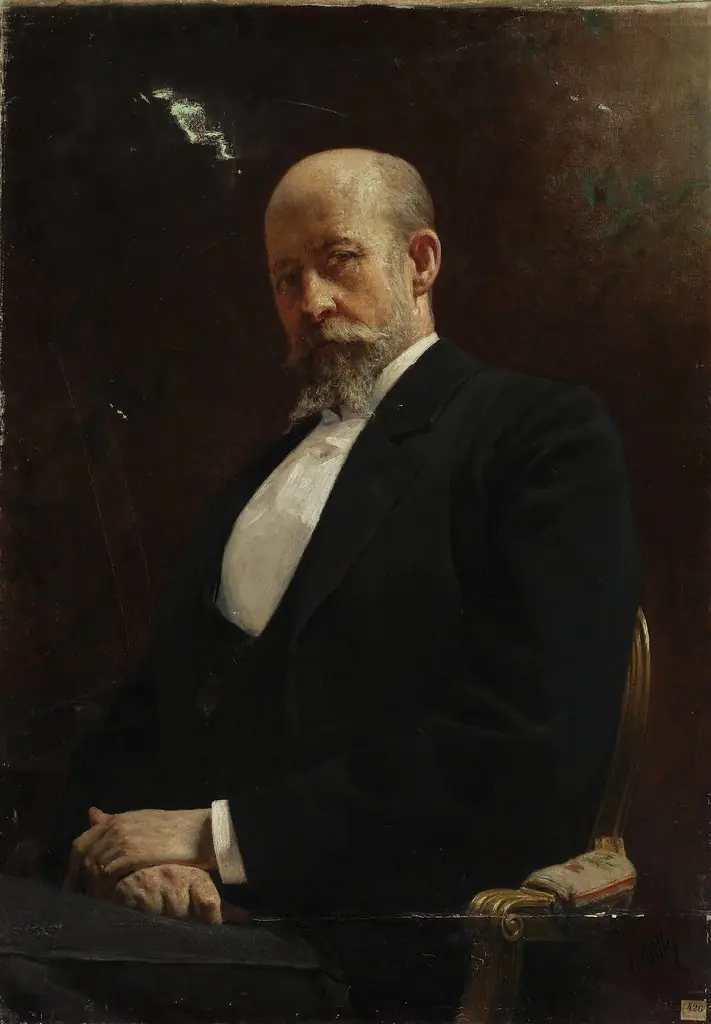 Portrait of Teodor Rygier, sculptor
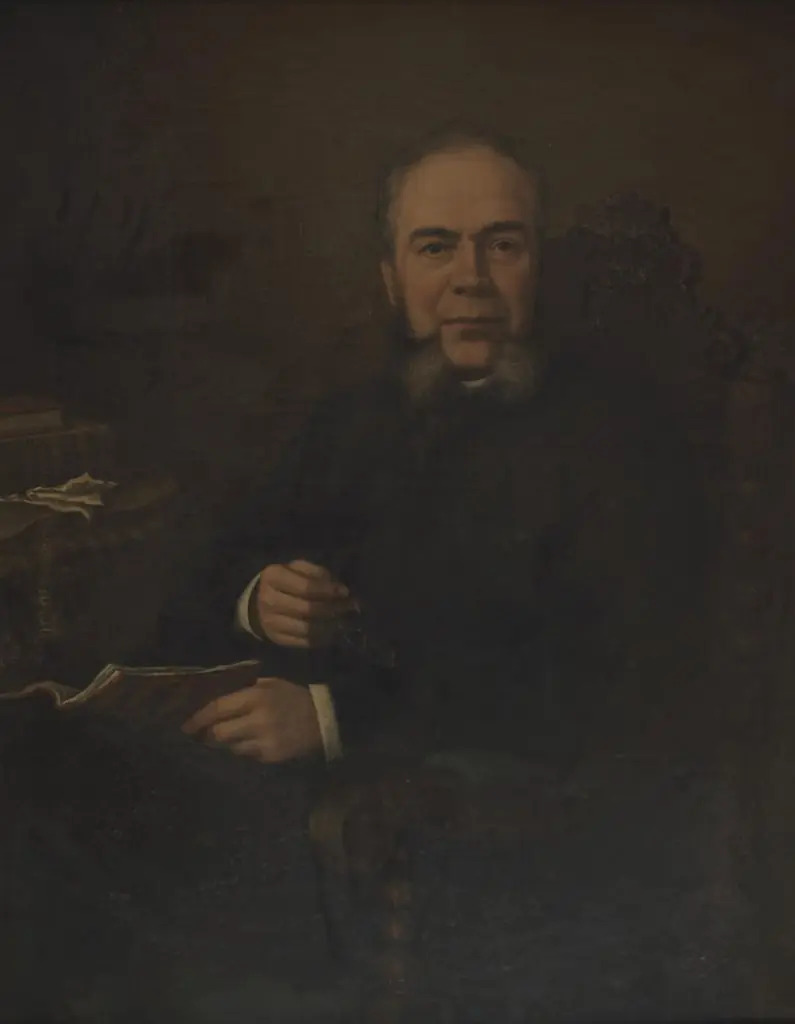 Rev John Morris, DD, 1813-96
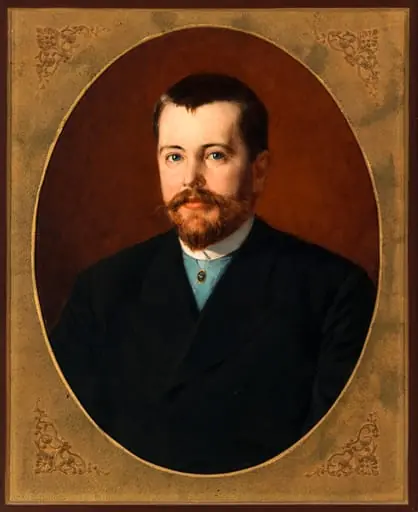 Karl Johan Maximilian Krook
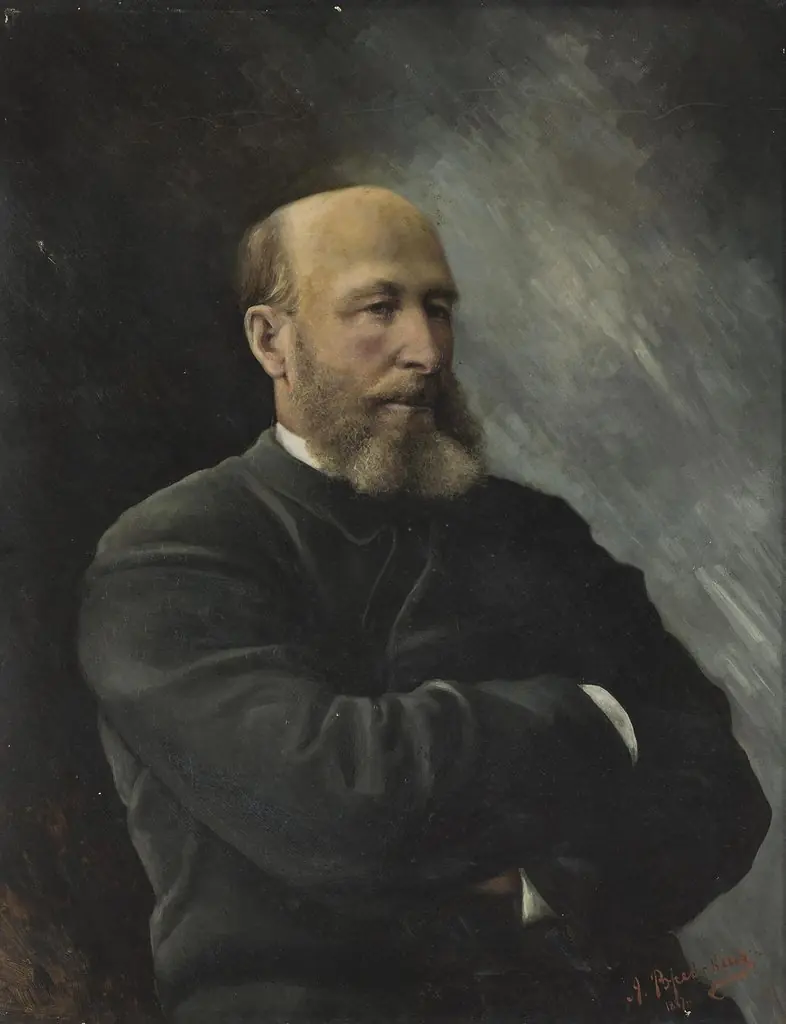 Portrait of A.M. Butlerov
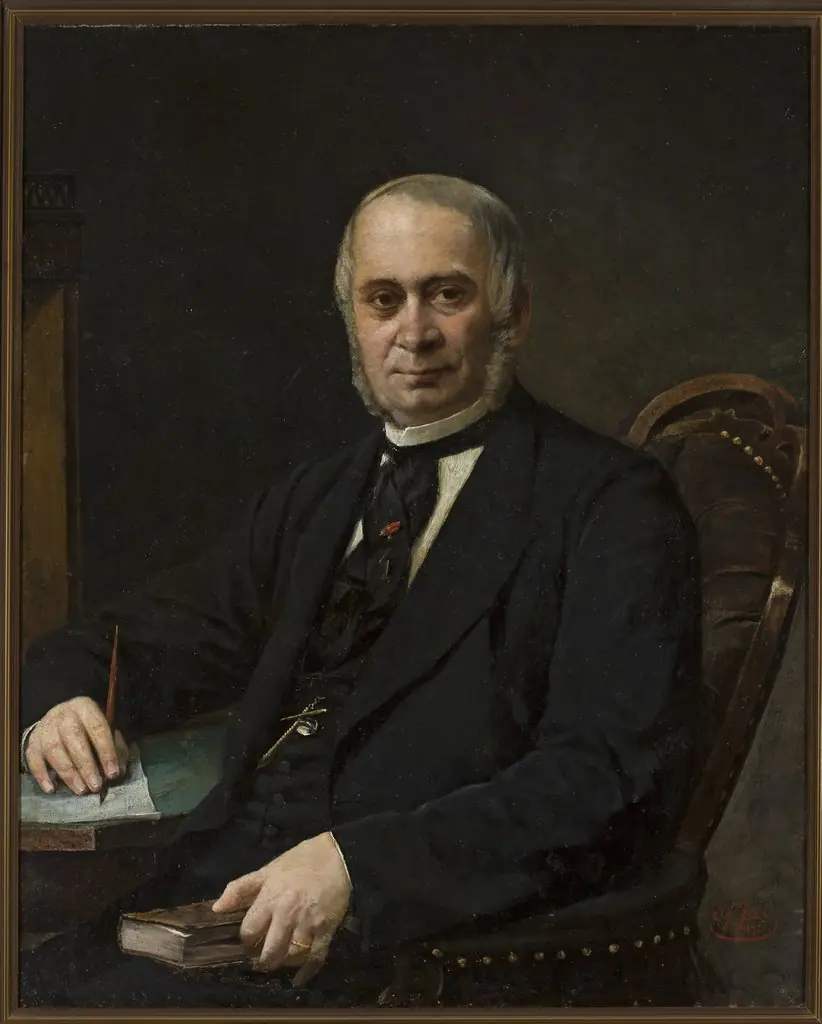 Portrait o f Aleksander Preys
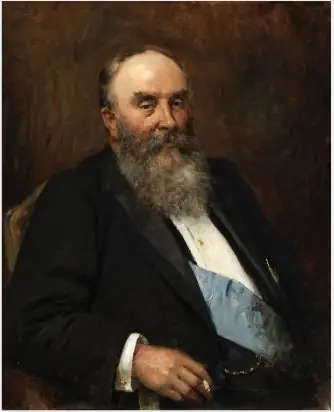 Portrait of Mervyn Wingfield, 7th Viscount Powerscourt (1844-1904)
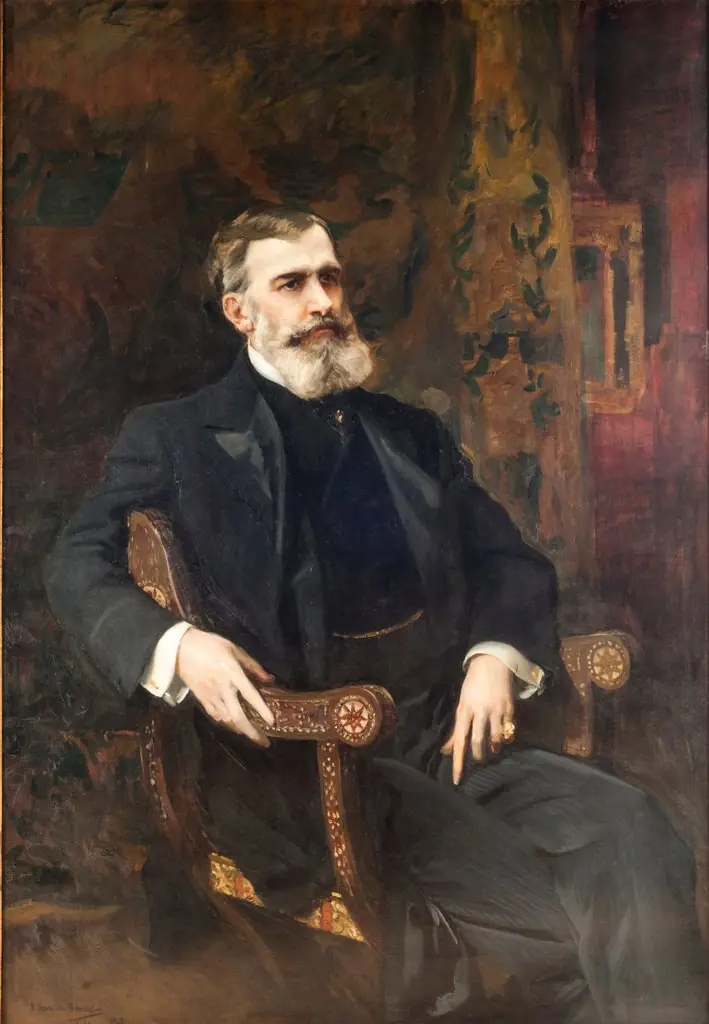 Portrait of José Prudencio Guerrico
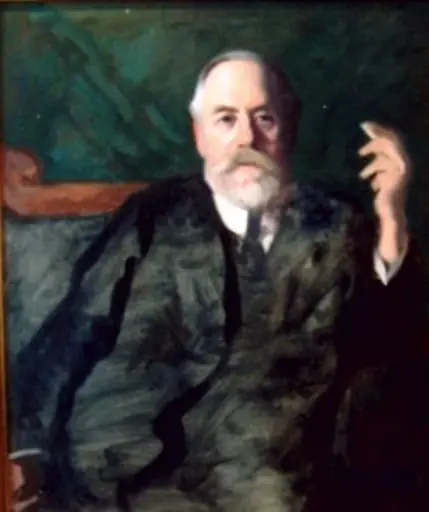 Pictorul Szinyeu
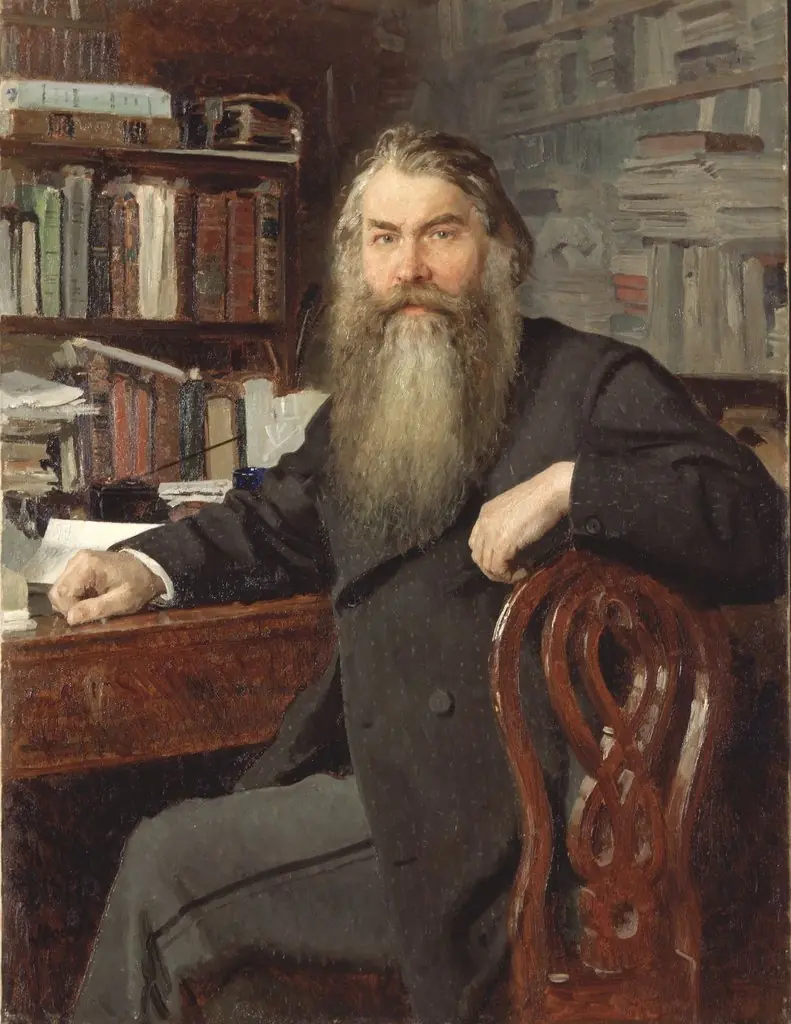 Portrait of the historian and archaeologist Ivan Egorovich Zabelin
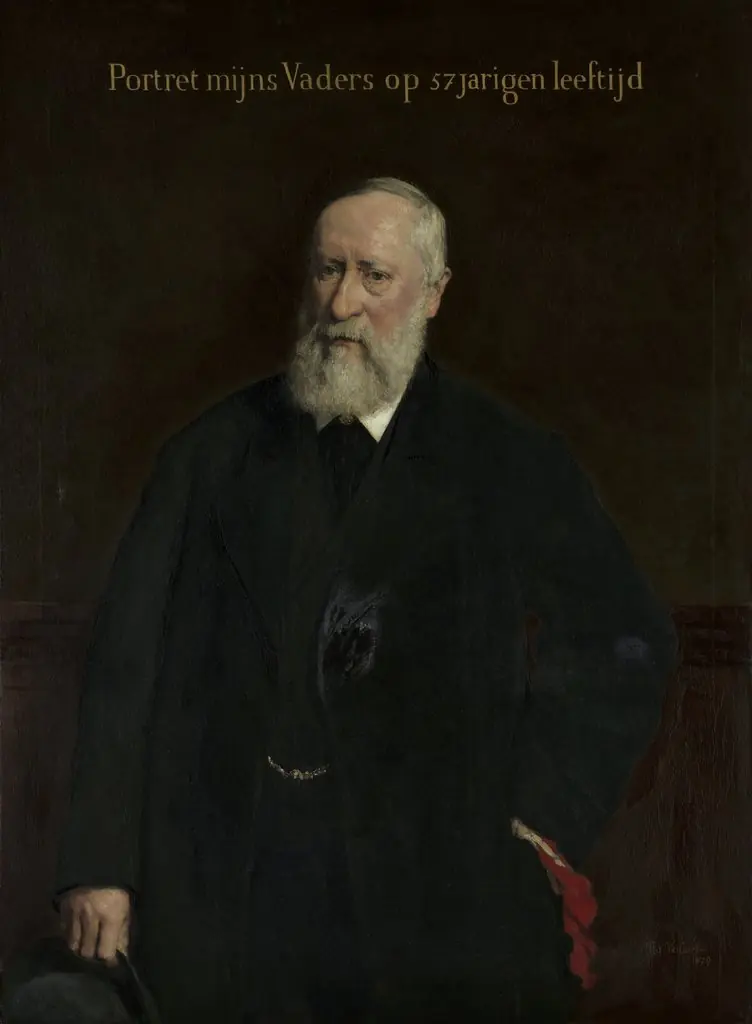 Jan Verhaert, the Artist's Father