Artwork
Pădure
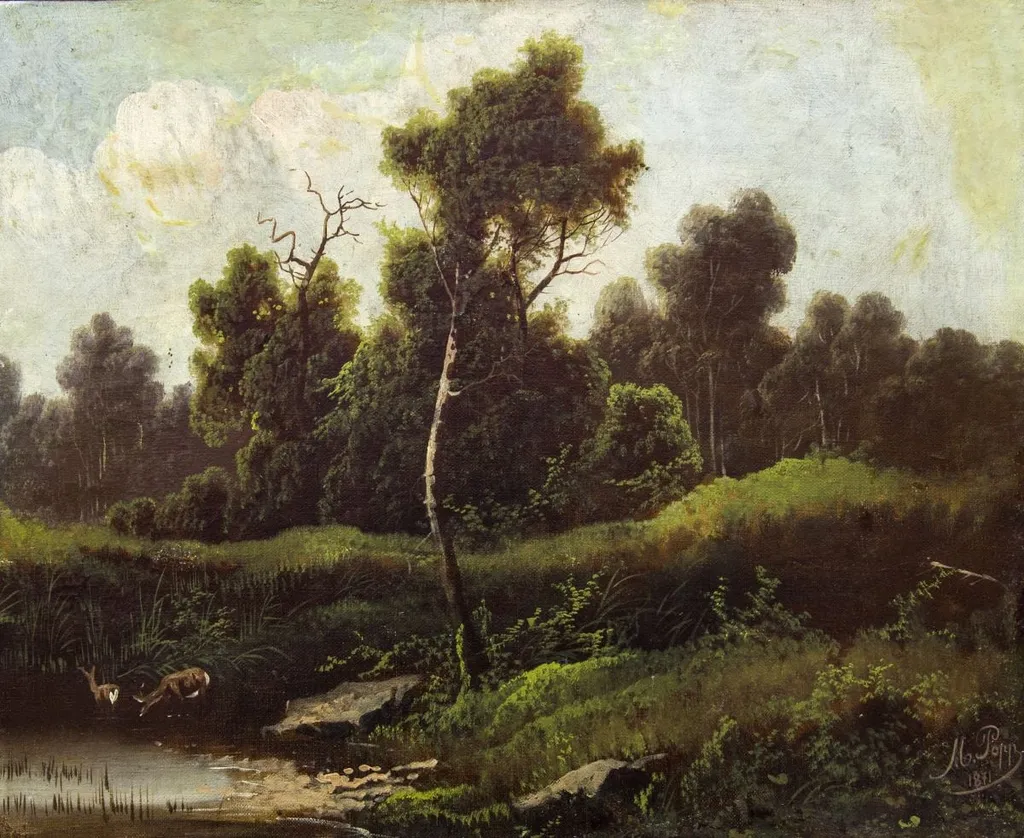
Pădure is a print by the Impressionist artist Mișu Popp. It dates from 1871 and is held in the collection of the National Museum of Art of Romania.
About this work
Overview
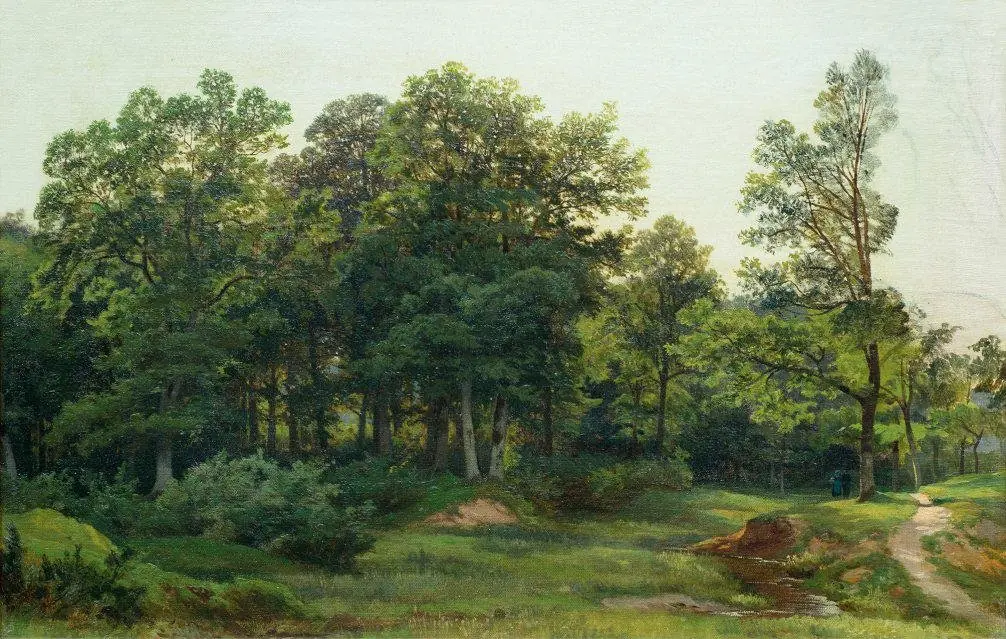
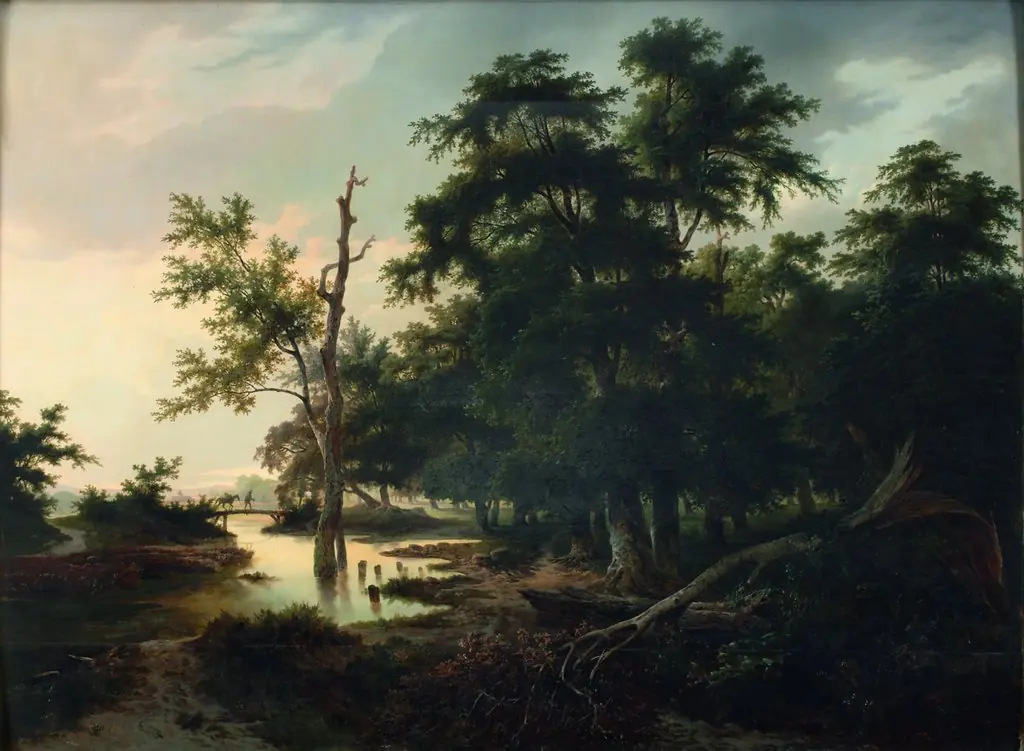
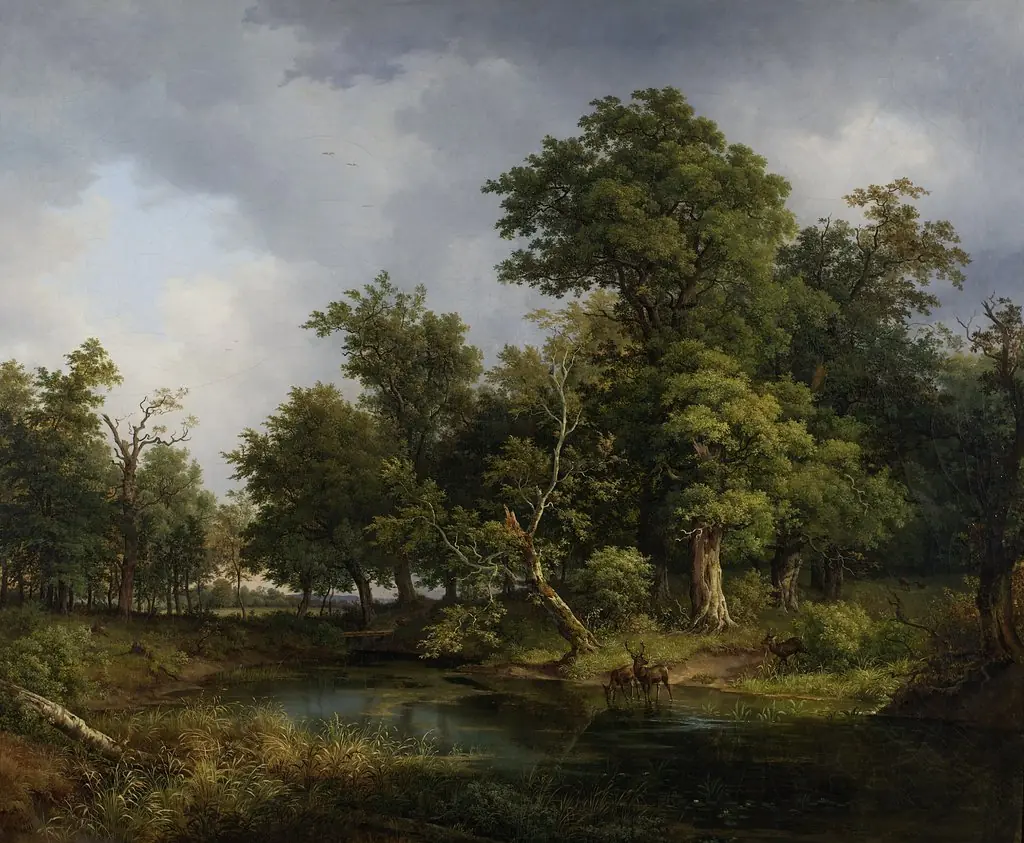
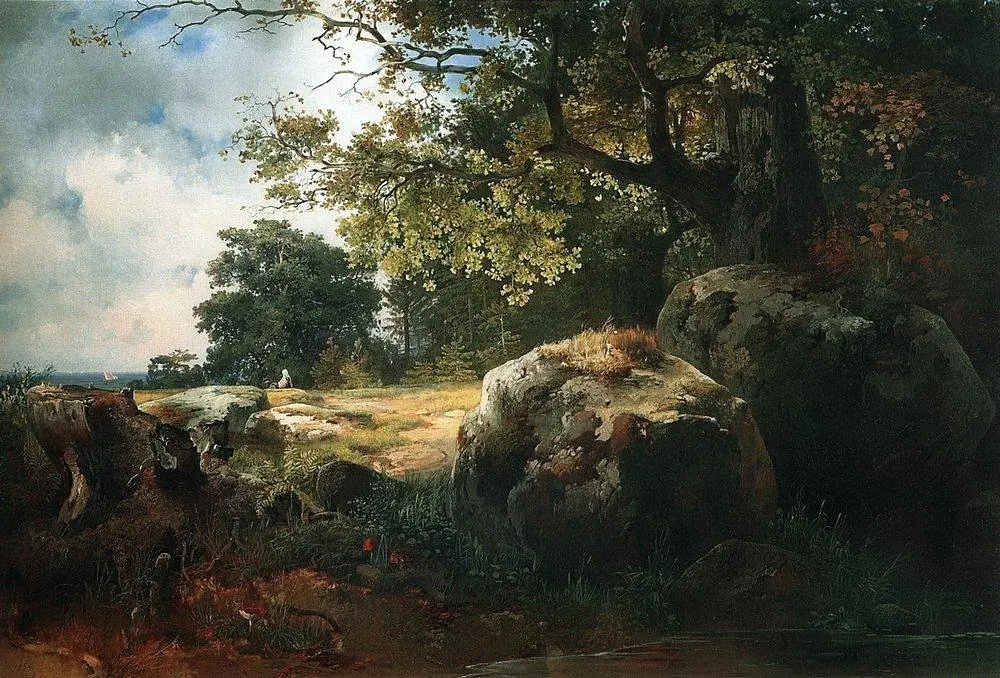
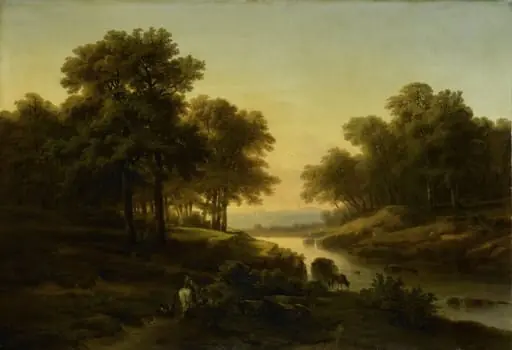
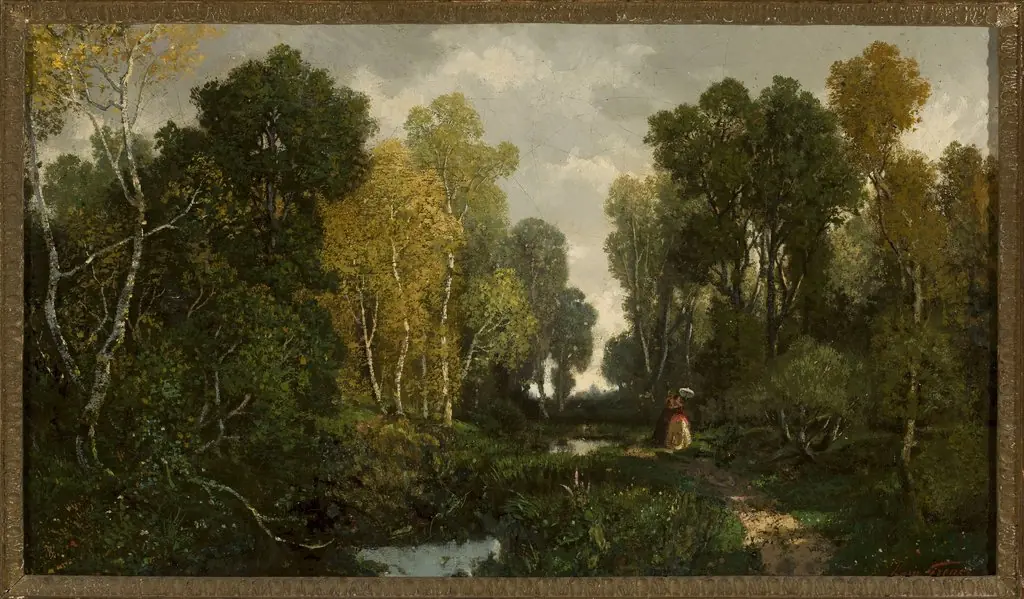
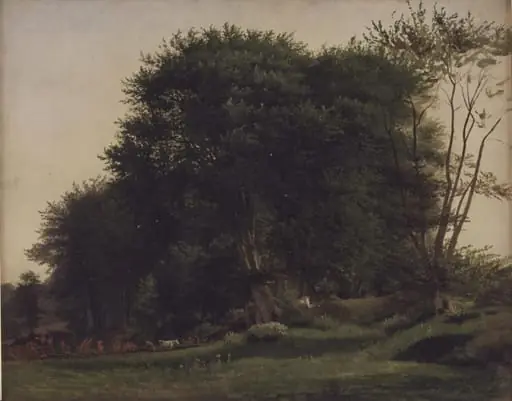
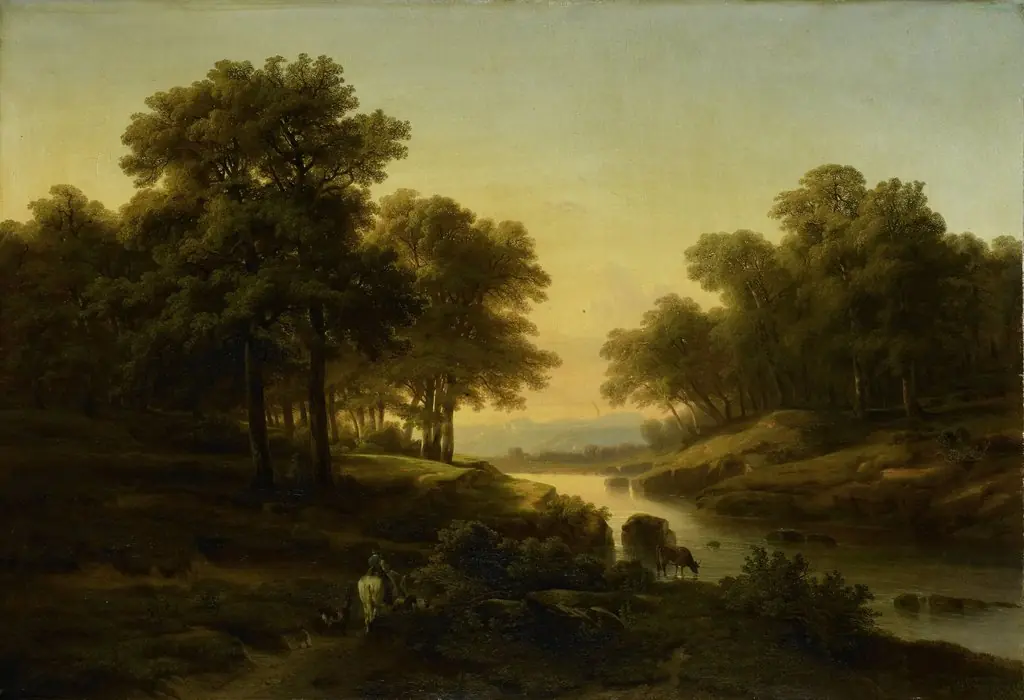
The composition centers on a quiet forest with dense foliage, a narrow stream winding through the foreground, and two deer drinking near its edge.
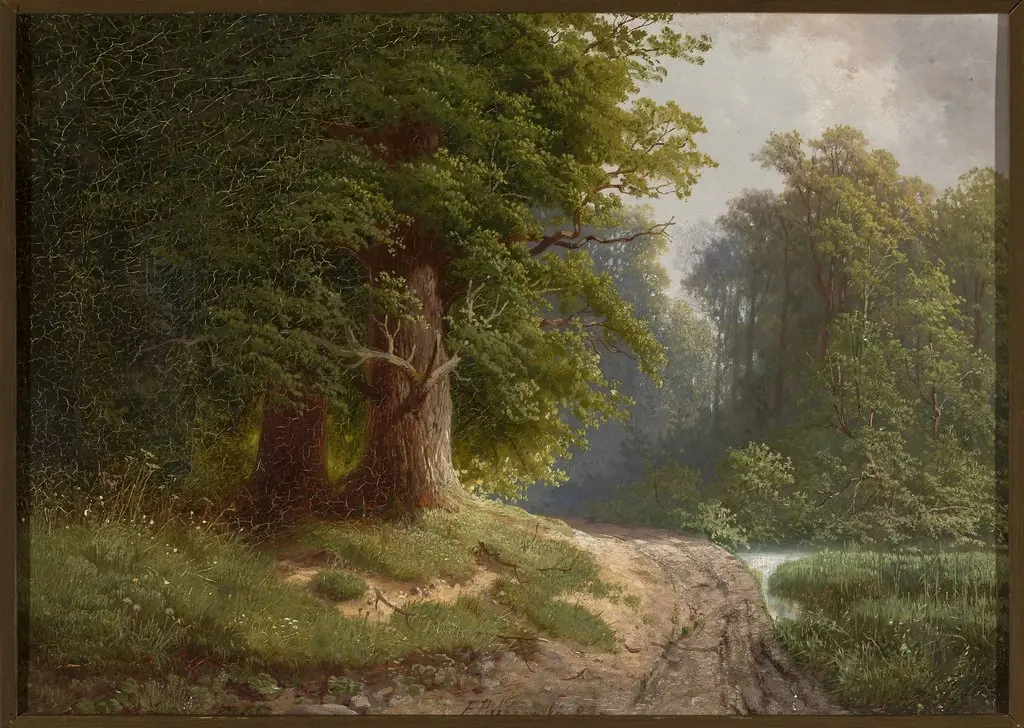
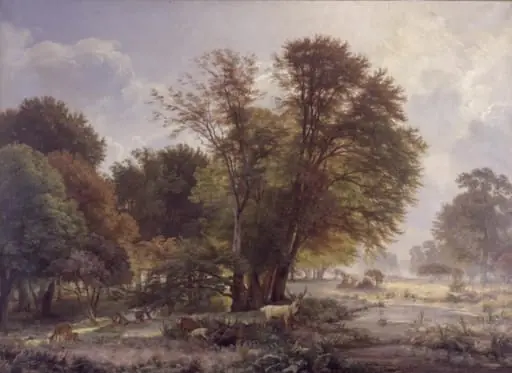
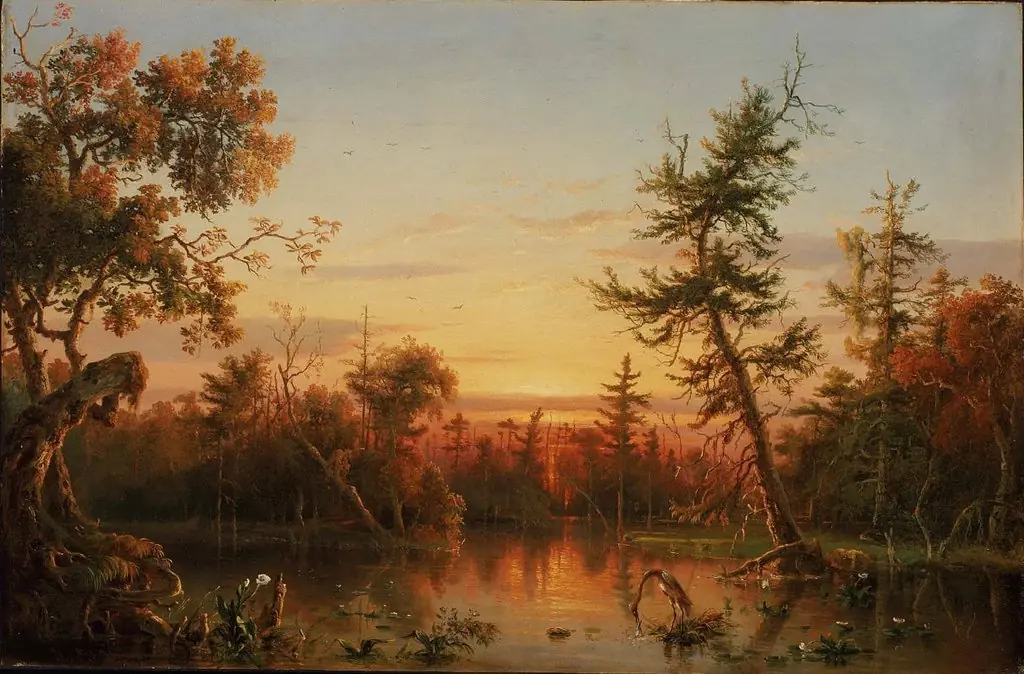
Painted in 1871 by Mișu Popp, Pădure is a landscape depicting a tranquil woodland scene. The composition centers on a quiet forest with dense foliage, a narrow stream winding through the foreground, and two deer drinking near its edge. The palette favors muted greens and earthy browns, with a softly lit sky suggesting late afternoon. The work avoids theatricality, favoring quiet observation over narrative drama.
Subject & Meaning
The painting presents nature as an undisturbed realm, where deer move with quiet familiarity through their environment. Their presence, unalarmed and grounded, reinforces a sense of harmony between animal and habitat. There is no human figure or sign of intervention, suggesting an idealized but unromanticized view of the wild—a space governed by natural rhythms rather than human concern.
Technique & Style
Popp employed loose, fluid brushwork to suggest texture and movement rather than define detail. Trees are rendered with broad strokes of green and ochre, while the stream’s surface is hinted at with thin, broken lines. The sky is lightly washed, allowing the forest to dominate. This approach prioritizes atmosphere over precision, aligning with emerging tendencies toward naturalistic observation in late 19th-century European painting.
History & Provenance
Created in 1871, Pădure emerged during a period when Romanian artists were increasingly turning to native landscapes as subjects of artistic study. Though little is documented about its early ownership, the painting is recognized as part of Popp’s mature output, reflecting his engagement with both academic training and the growing interest in rural and natural themes in Romanian visual culture.
Context
In the decades following Romania’s unification, artists like Popp sought to define a national visual identity through depictions of the country’s forests, rivers, and rural life. Pădure reflects this cultural shift, aligning with broader European trends that valued direct observation of nature. While not formally Impressionist, its emphasis on light and casual composition shows awareness of contemporary developments in Western art.
Legacy
Pădure remains a representative example of Romanian landscape painting from the late 19th century. It influenced later generations who continued to explore nature as a subject worthy of quiet, sustained attention. Though not widely exhibited internationally, it holds significance within Romanian art history as a thoughtful, restrained response to the natural world.
Artist & collection