Artwork
The White Boat
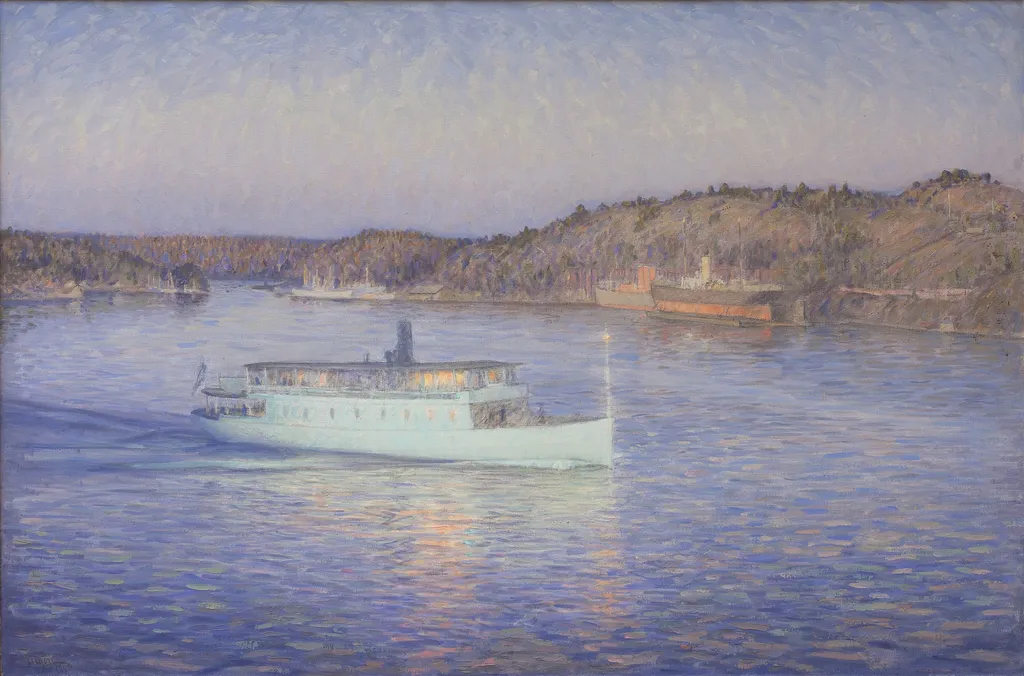
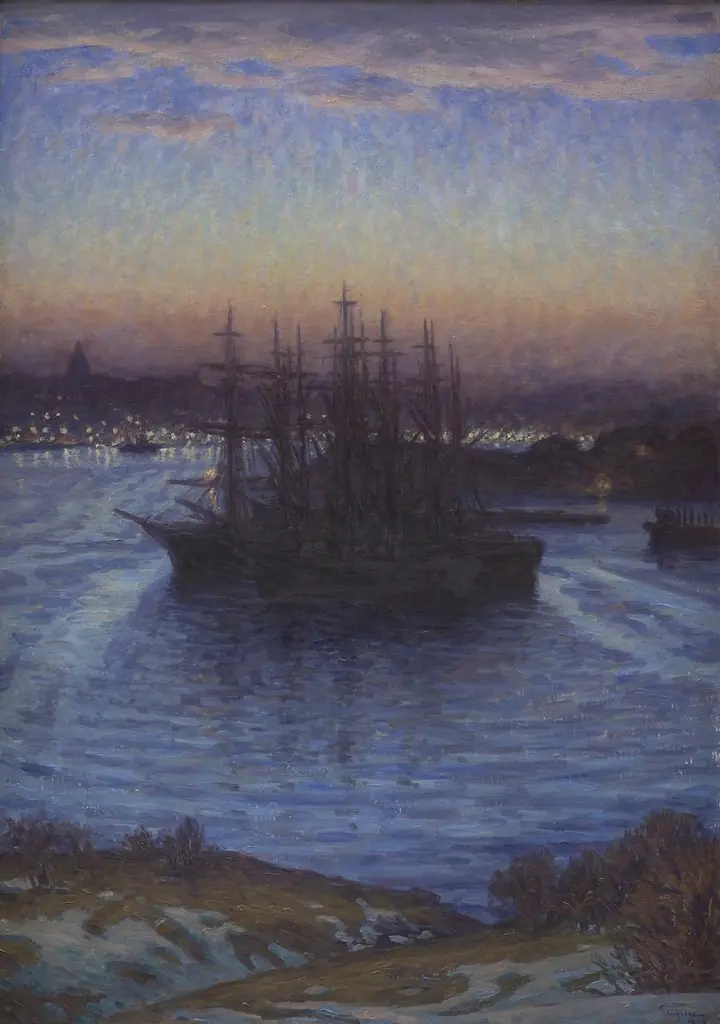
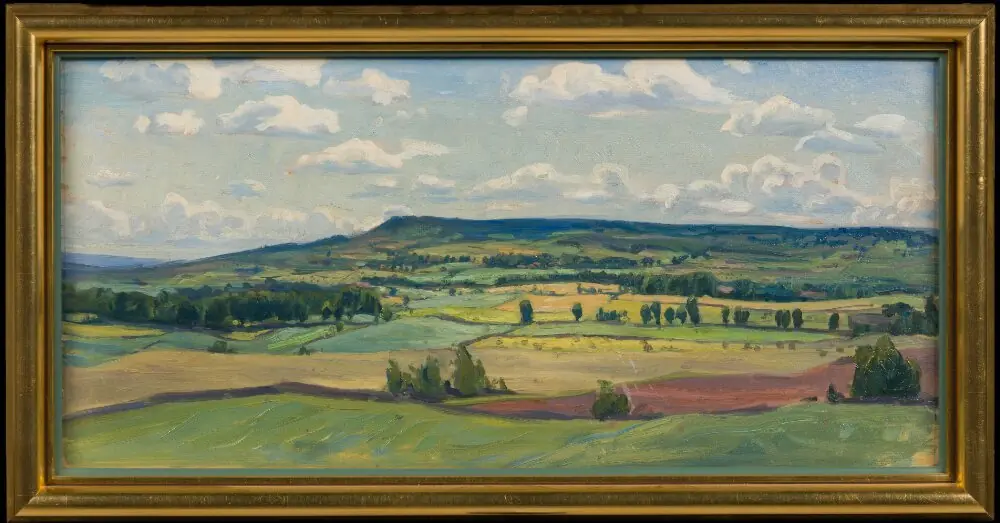
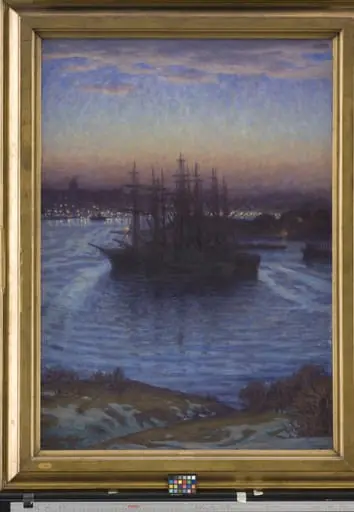
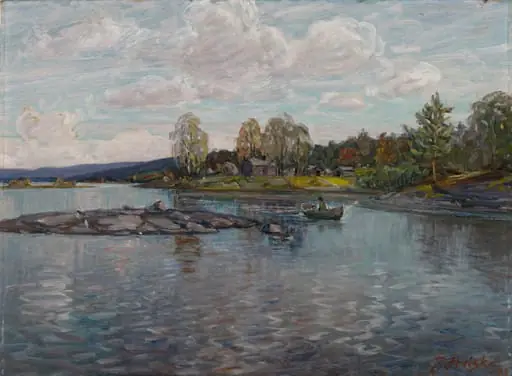
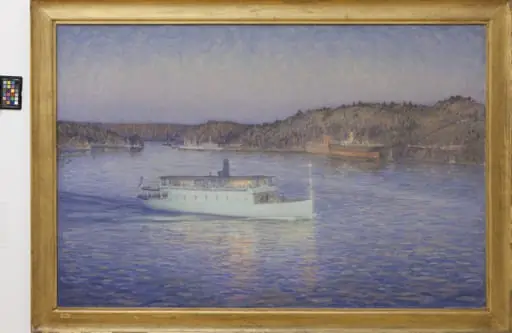
The White Boat is an oil painting by the Impressionist artist Duke of Närke Prince Eugen. It dates from 1906 and is held in the collection of the Statens Museum for Kunst.
About this work
Overview
The White Boat is an oil painting created in 1906 by Prince Eugen, Duke of Närke, a Swedish artist associated with the Impressionist movement. The work belongs to the marine art genre, capturing a serene aquatic scene.
Subject & Meaning
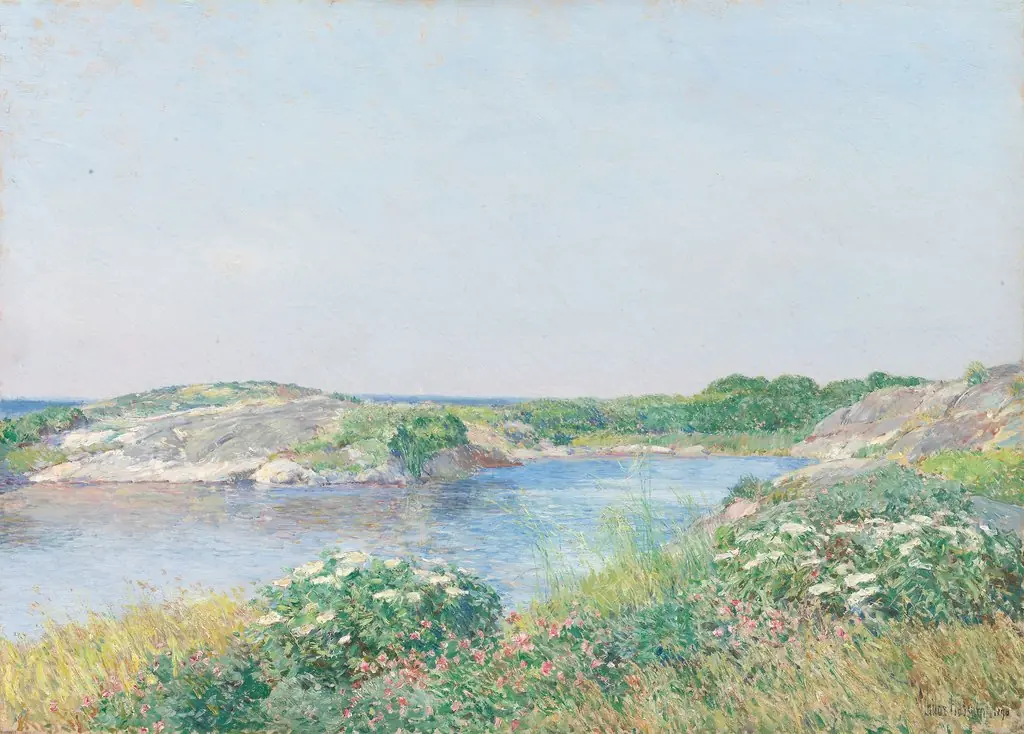
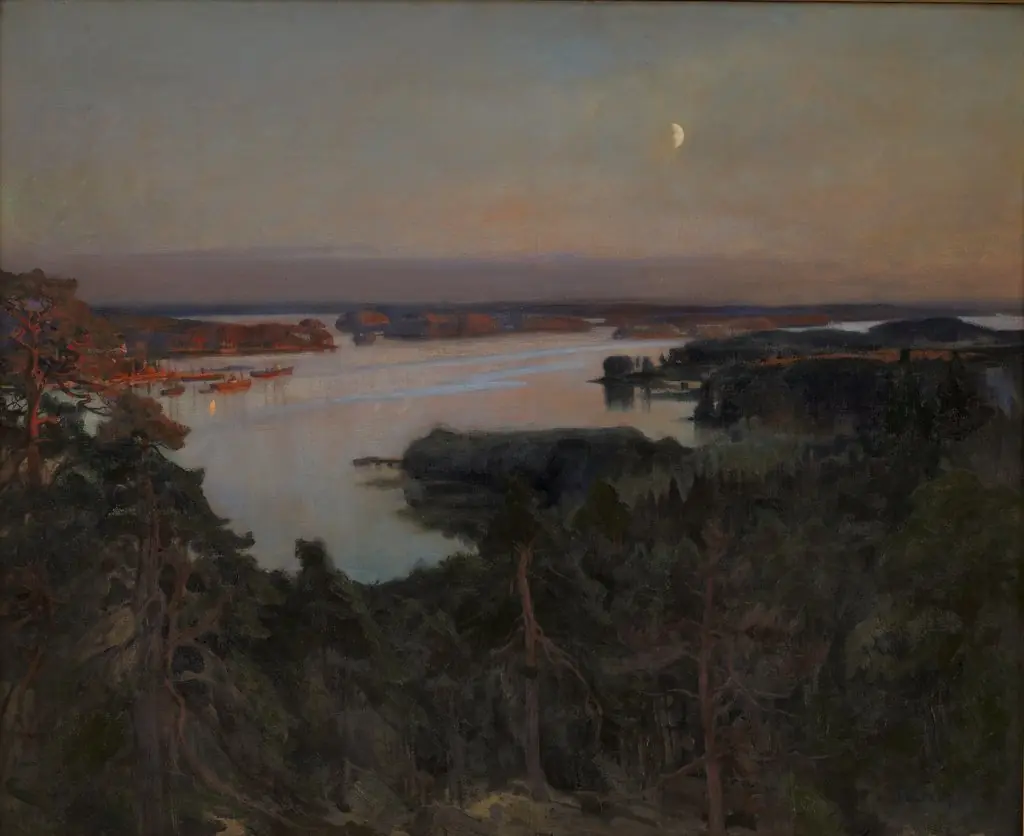
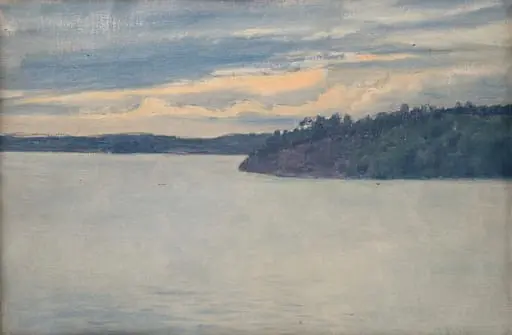
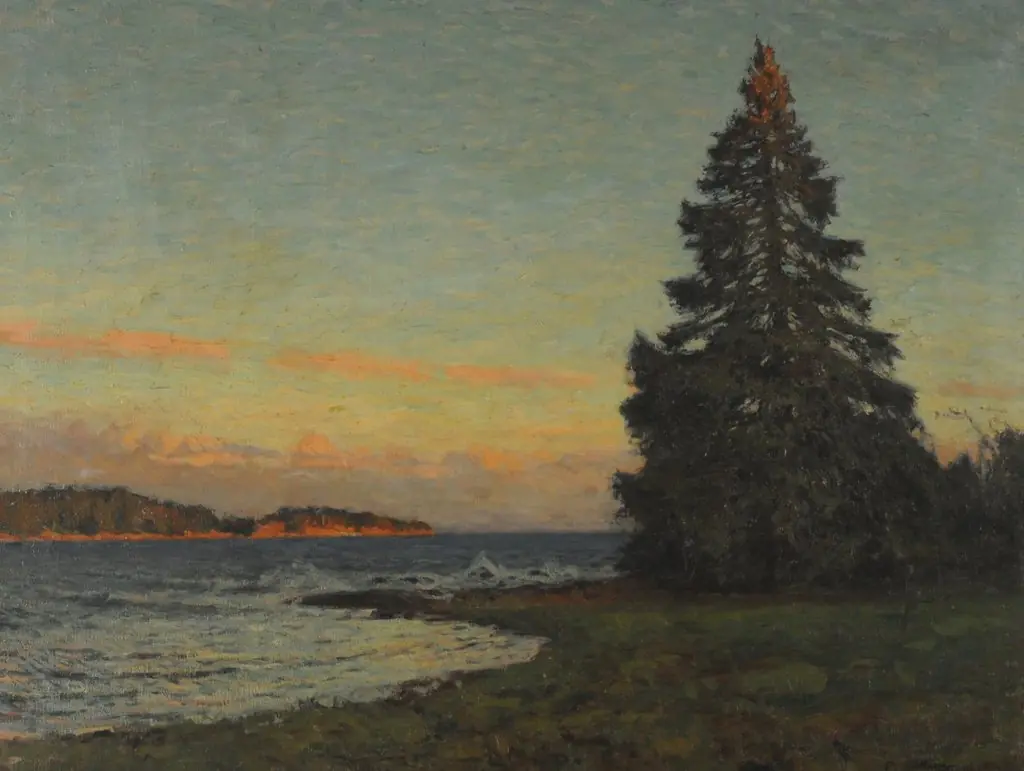
The painting depicts a tranquil river with a large, weathered boat at its center, surrounded by a hilly landscape, scattered trees, and distant buildings. The boat's faded, worn state and the soft, reflective water convey a sense of calm and passage of time.
Technique & Style
Executed in oil paint, the work features a palette of blues and greens for the water, capturing light's soft reflection. The sky is rendered in pale, smooth tones, enhancing the overall peaceful ambiance. The Impressionist influence is evident in the emphasis on light and color.
History & Provenance
Created in 1906 by Prince Eugen (1865-1947), The White Boat is part of the collection at Statens Museum for Kunst.
Context
As an Impressionist marine painting, The White Boat reflects the late 19th and early 20th-century European fascination with capturing everyday life and natural light in outdoor settings.
Legacy
While specific impact details are not provided, the painting remains a part of the preserved Impressionist heritage, accessible through its housing at Statens Museum for Kunst.
Artist & collection
Artist
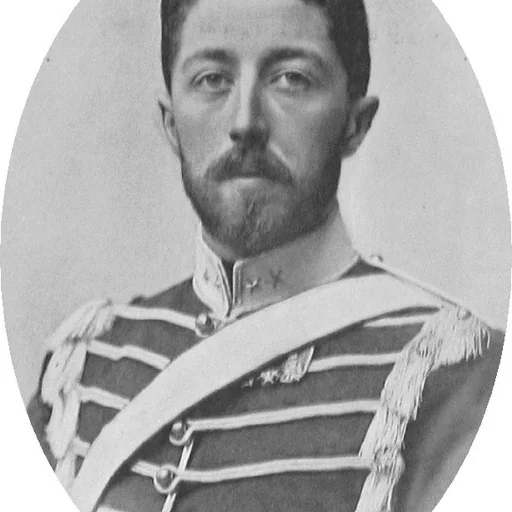
Prince Eugen of Sweden and Norway, Duke of Närke (Eugen Napoleon Nicolaus; 1 August 1865 – 17 August 1947) was a Swedish painter.