Artwork
Hooker, Spenser, Lord Bacon, Ben Johnson
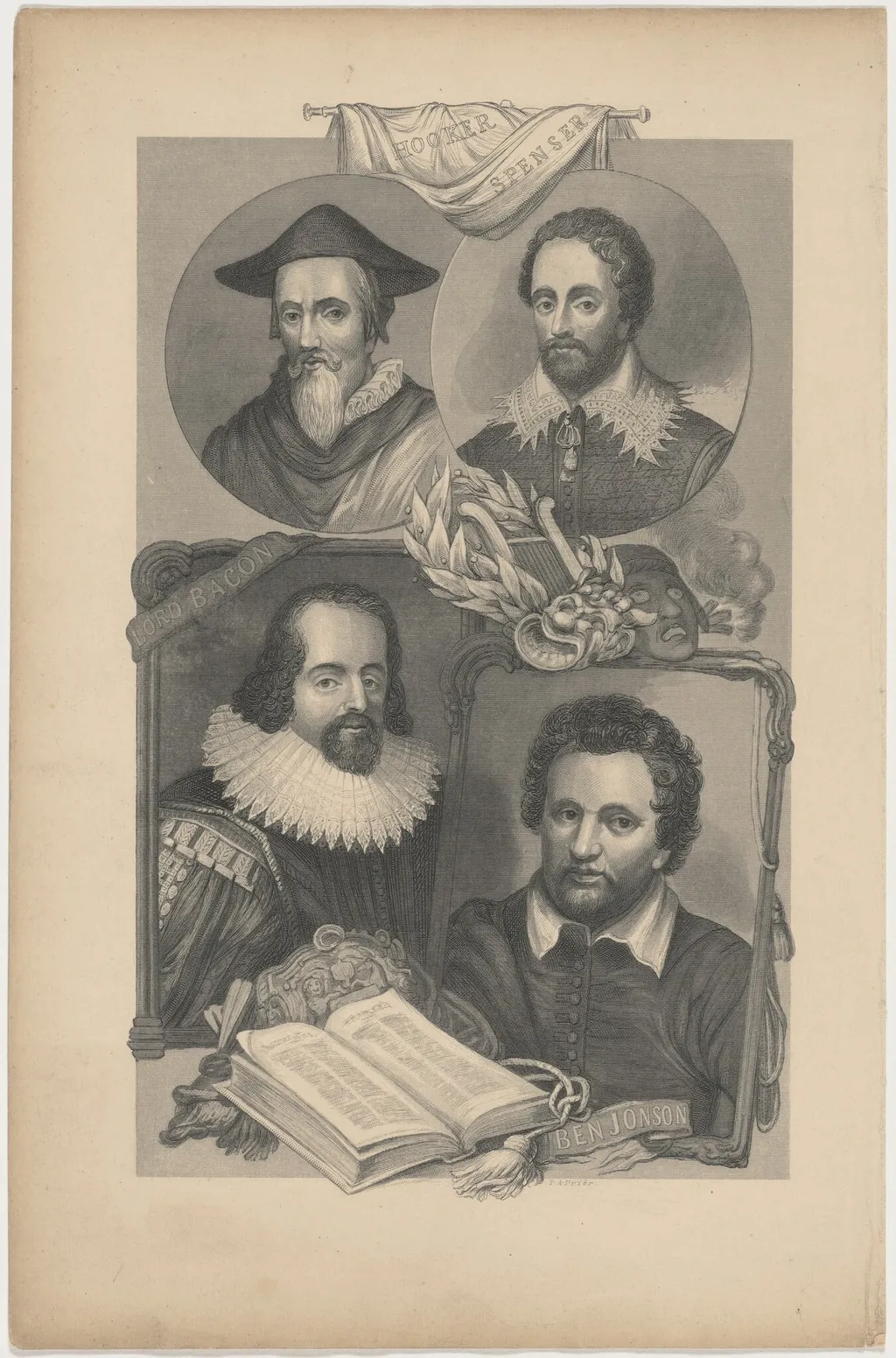
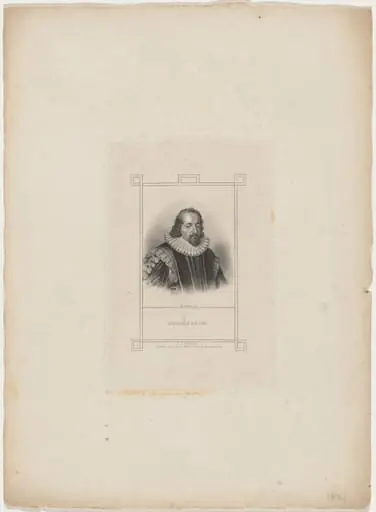
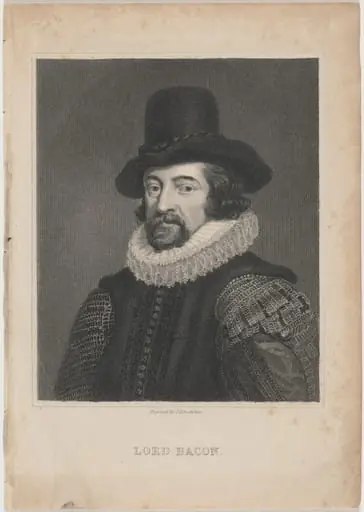
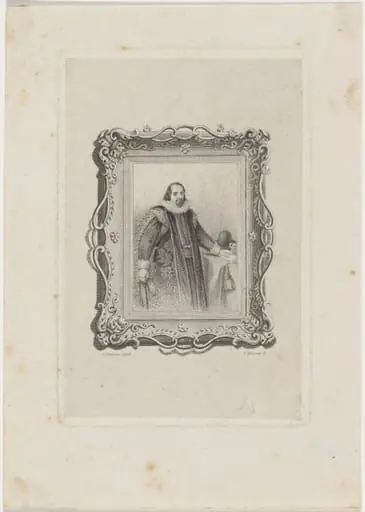
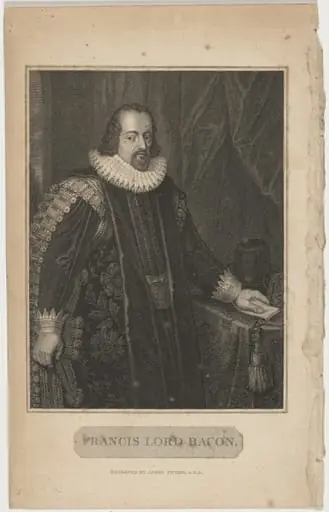
Hooker, Spenser, Lord Bacon, Ben Johnson is an ink print by the Romanticist artist Thomas Abiel Prior. It dates from 1848 and is held in the collection of the National Gallery of Art.
About this work
Overview
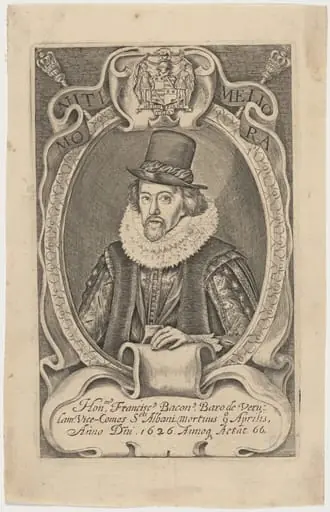
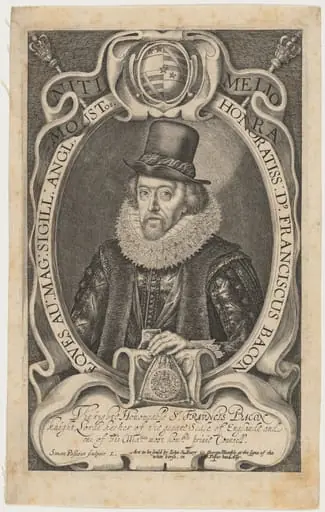
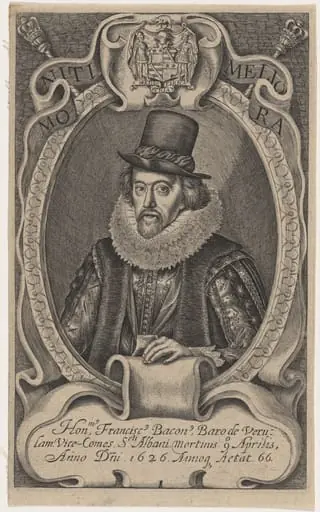
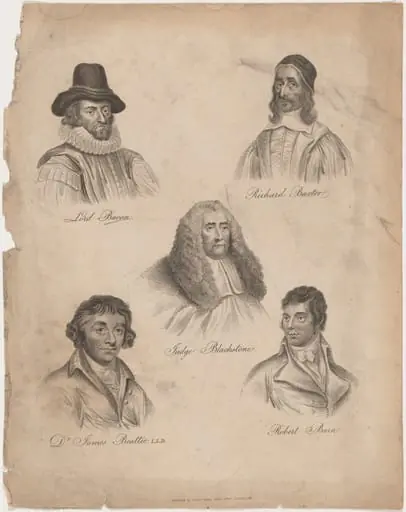
Thomas Abiel Prior created this 1848 engraving to depict four prominent English literary and intellectual figures of the late 16th and early 17th centuries.
Thomas Abiel Prior created this 1848 engraving to depict four prominent English literary and intellectual figures of the late 16th and early 17th centuries. The composition arranges the portraits in two horizontal rows, each figure enclosed in a separate oval frame. The work is executed in fine line engraving, emphasizing detail and tonal contrast to distinguish individual features and attire. The arrangement suggests a deliberate grouping of thinkers associated with the Elizabethan and Jacobean eras.
Subject & Meaning
The four figures are Richard Hooker, Edmund Spenser, Francis Bacon, and Ben Jonson—each a defining voice in English literature, philosophy, or theology. Hooker and Spenser, placed above, represent the poetic and ecclesiastical traditions; Bacon and Jonson below reflect empirical thought and dramatic writing. Their attire and props reflect their social and intellectual roles: ruffs and stars denote aristocratic association, while open books signify scholarship. The arrangement implies a lineage of English intellectual achievement.
Technique & Style
Prior employed fine-line engraving to render subtle gradations of light and shadow, capturing texture in fabric, hair, and skin. The oval frames unify the composition while isolating each subject for focused attention. Details like the star-shaped pendant and open book are rendered with precision, reinforcing identity without narrative. The style adheres to 19th-century academic conventions, prioritizing clarity and dignified representation over expressive flair, typical of portrait engravings intended for scholarly audiences.
History & Provenance
Created in 1848, the engraving emerged during a period of renewed interest in England’s literary heritage. Prior, known for portrait engravings, likely produced this as part of a broader cultural project to visually canonize national figures. It was probably published as a print for educational or decorative use, circulating among middle-class households and institutions. No record of an original commission survives, suggesting it was a commercial venture aligned with Victorian antiquarianism.
Context
In mid-19th century Britain, there was a surge in publishing and visual projects that celebrated historical literary figures as national icons. This engraving reflects that trend, aligning with efforts to define a continuous English intellectual tradition. The selection of Hooker, Spenser, Bacon, and Jonson—though diverse in genre—was chosen for their perceived foundational roles in shaping English prose, poetry, and philosophy. Their inclusion signals a cultural desire to anchor contemporary identity in a revered past.
Legacy
The engraving remains a visual reference for identifying these four figures in historical contexts. While not widely reproduced today, it appears in academic publications and museum collections as an example of 19th-century portraiture in print. Its value lies less in artistic innovation than in its function as a documentary record of how Victorian society chose to represent its literary forebears—structured, formal, and reverent.
Artist & collection