Artwork
Portrait of Georges Haasen
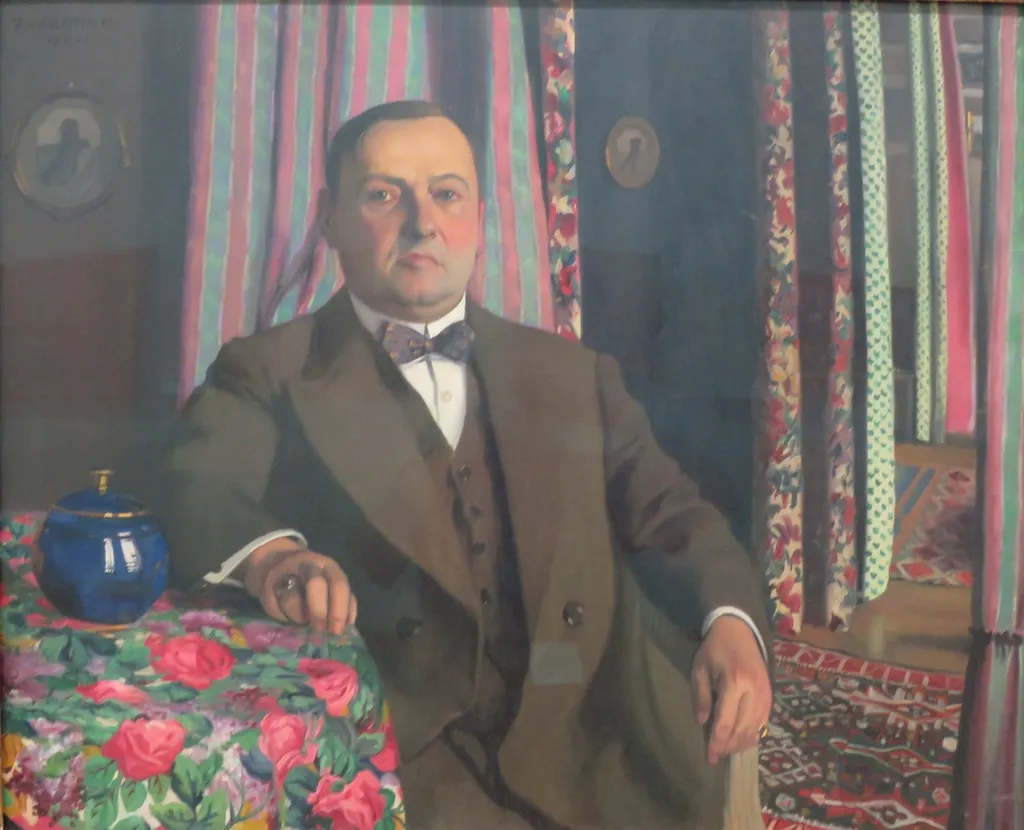
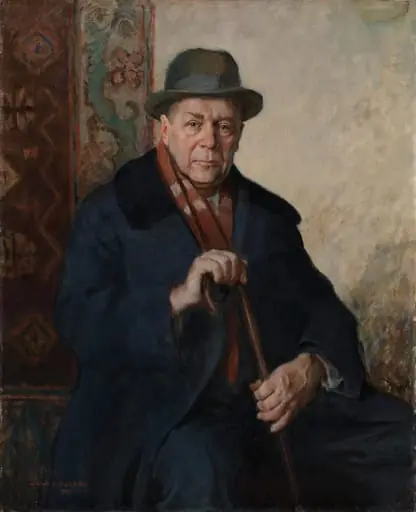
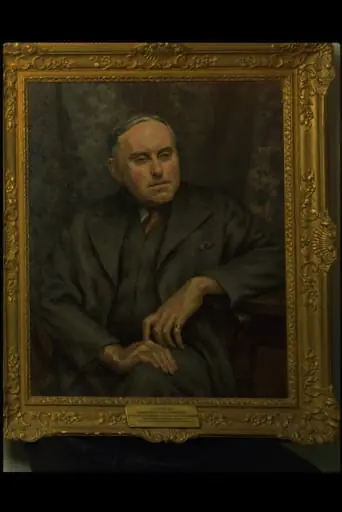
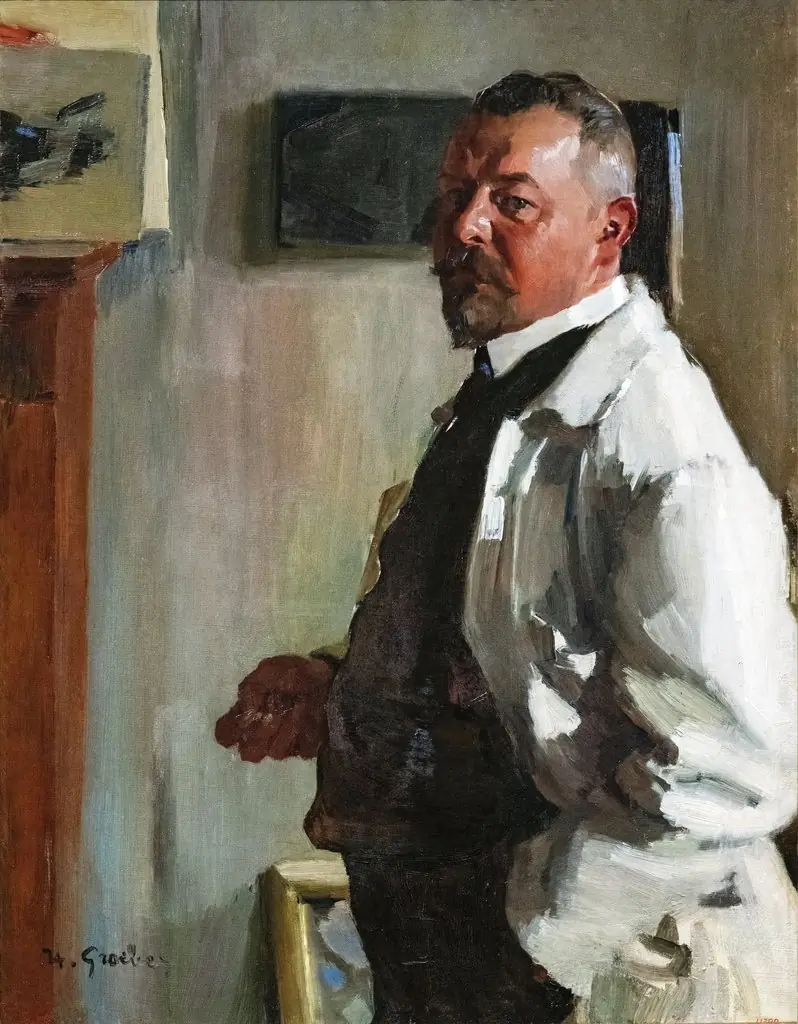
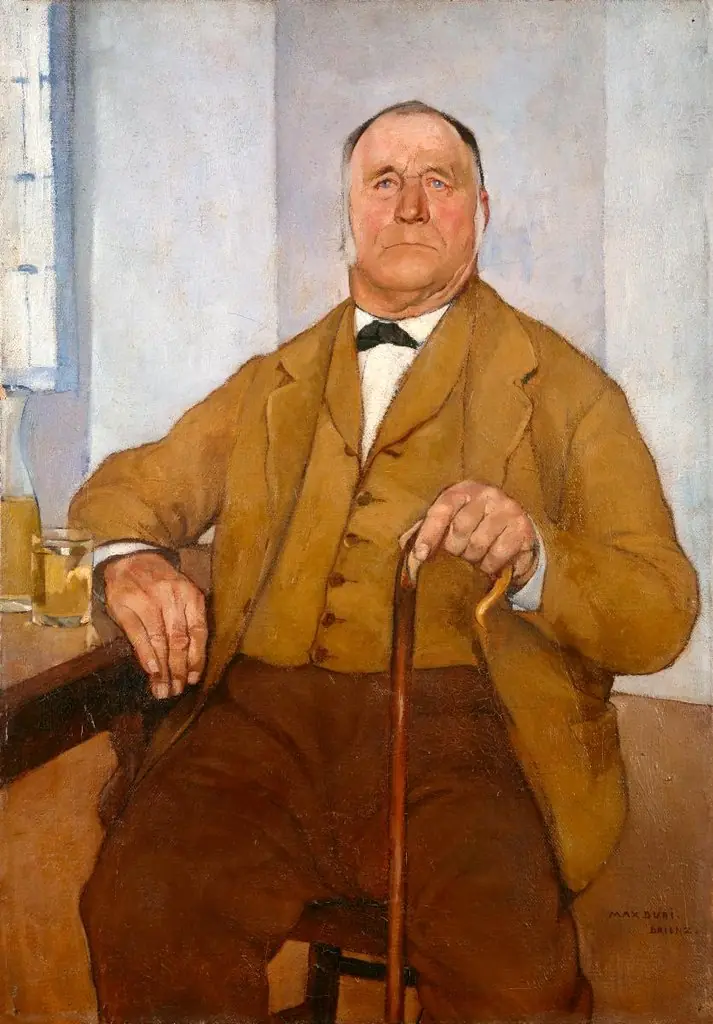
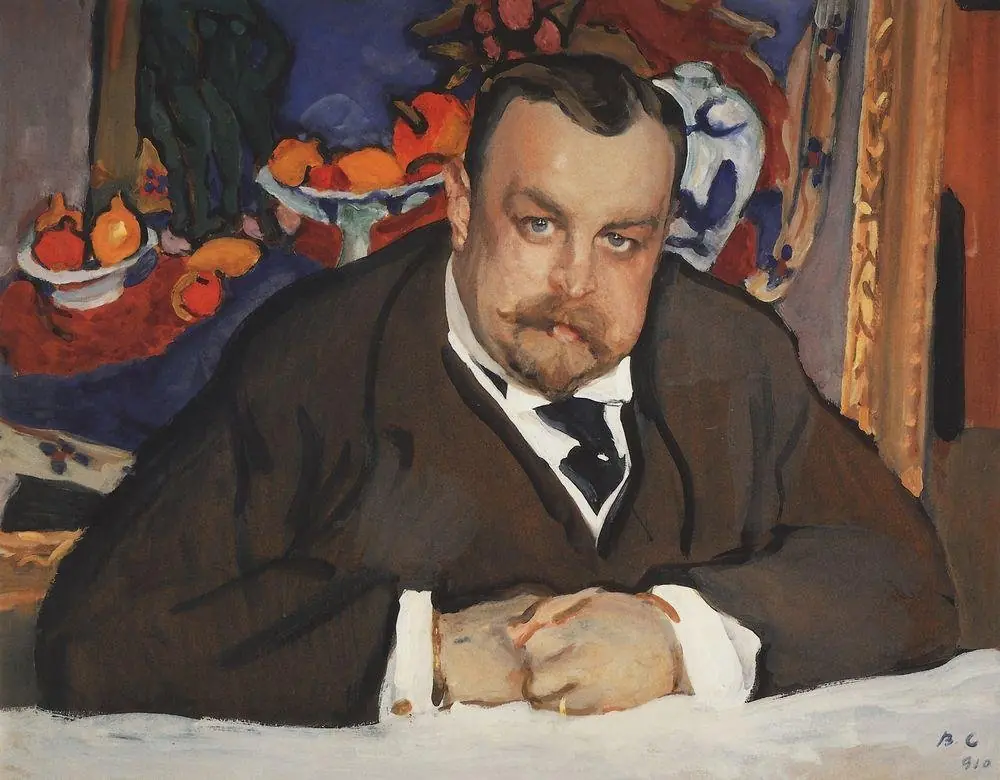
Portrait of Georges Haasen is an oil painting by Félix Vallotton. It dates from 1913 and is held in the collection of the Hermitage Museum.
About this work
Overview
The composition is tightly framed, focusing attention on the figure and the carefully arranged interior elements surrounding him.
Painted in 1913 by Félix Vallotton, this oil portrait depicts Georges Haasen, a French industrialist and patron of the arts. The work is part of the State Hermitage Museum’s collection in Saint Petersburg. Vallotton rendered the subject with precise observation, emphasizing stillness and quiet dignity. The composition is tightly framed, focusing attention on the figure and the carefully arranged interior elements surrounding him.
Subject & Meaning
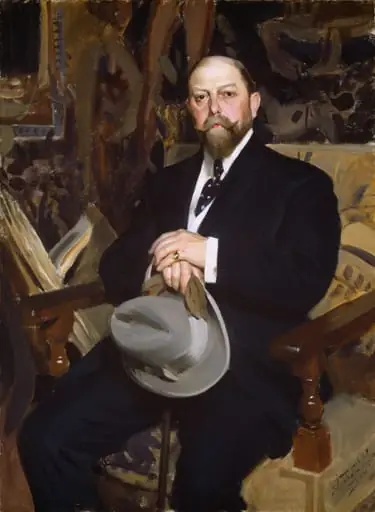
Georges Haasen is portrayed seated, facing the viewer with a composed, unsmiling expression. His dark suit and patterned bow tie suggest formality and social standing, while the presence of a blue vase with a gold rim hints at refined taste. The stillness of the pose and the absence of narrative action convey a sense of introspection rather than performance, reflecting Vallotton’s interest in psychological subtlety over theatricality.
Technique & Style
Vallotton employed a controlled, realistic style with sharp outlines and muted tonal contrasts. The textures of fabric, glass, and carpet are rendered with meticulous attention, though the lighting avoids dramatic chiaroscuro. Colors are restrained—deep browns, muted blues, and soft earth tones—creating a quiet harmony. The flatness of the background and the clarity of forms reflect influences from Japanese prints and early modernist simplification.
History & Provenance
The portrait was completed in 1913 during Vallotton’s mature period, when he was increasingly engaged with portraiture of cultural figures. It entered the Hermitage collection in the early 20th century, likely through acquisition or donation. The painting has remained in the museum’s holdings since, with no record of significant public exhibition prior to the 1950s, suggesting a quiet institutional presence rather than public prominence.
Context
Vallotton painted this portrait amid a shift in European art toward psychological realism and formal economy. While contemporaries like Matisse and Picasso explored abstraction, Vallotton maintained a disciplined, observational approach. Haasen, as a patron, represented the quiet bourgeoisie whose support sustained artistic production. The painting reflects a moment when portraiture served not just as likeness, but as a record of social identity.
Legacy
Though not widely reproduced, the portrait exemplifies Vallotton’s distinctive synthesis of realism and modern restraint. It stands as a quiet counterpoint to the expressive portraiture of his peers, emphasizing composure over emotion. The work contributes to understanding how early 20th-century artists navigated tradition and innovation, preserving the dignity of the individual without romanticizing it.
Artist & collection
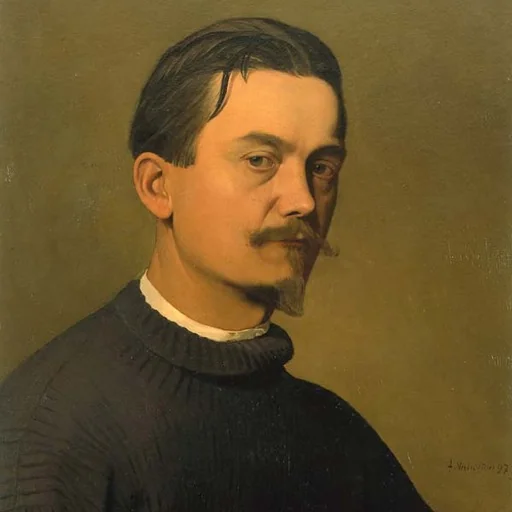
Artist
Félix Édouard Vallotton (French: ; December 28, 1865 – December 29, 1925) was a Swiss and French painter and printmaker associated with the group of artists known as Les Nabis.