Artwork
Portrait of John Percival, later 2nd Earl of Egmont (1711-1770)
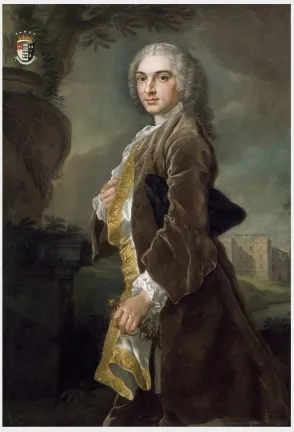
Portrait of John Percival, later 2nd Earl of Egmont (1711-1770) is an oil painting by the Rococo painting artist Francis Hayman. It dates from 1740 and is held in the collection of the National Gallery of Ireland.
About this work
Overview
This oil painting, created by Francis Hayman in 1740, portrays John Percival, who later became the 2nd Earl of Egmont. The work is part of the collection at the National Gallery of Ireland.
Subject & Meaning
The subject, John Percival, is depicted in attire and pose indicative of his high social status. His brown velvet coat, white shirt with lace cuffs, and gold waistcoat reflect 18th-century fashion for the nobility. The placement of his right hand on his sword hilt further emphasizes his importance.
Technique & Style
The painting exemplifies the stylistic conventions of its time, with Hayman's execution characteristic of mid-18th-century portraiture. The integration of the subject within a landscaped background, complete with a distant building, adds depth and context to the portrait.
History & Provenance
Commissioned and painted in 1740, the portrait has been preserved and is now housed at the National Gallery of Ireland, ensuring its accessibility for public viewing and historical study.
Context
Created during a period of significant social and political change in 18th-century Europe, the portrait captures the aesthetic and sartorial preferences of the aristocracy. It reflects the role of art in portraying and reinforcing social hierarchies of the time.
Legacy
As a representation of John Percival and a work by Francis Hayman, the portrait contributes to the historical record of the Percival family and the artistic output of the era. Its presence in a national gallery underscores its value for educational and cultural purposes.
Artist & collection
Artist
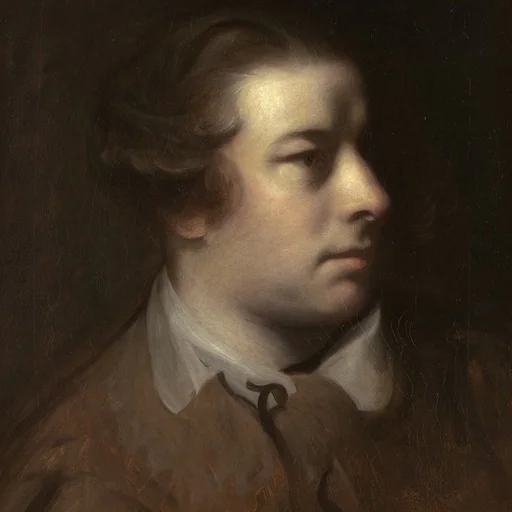
Francis Hayman (1708 – 2 February 1776) was an English painter and illustrator who became one of the founding members of the Royal Academy in 1768, and later its first librarian.

 Josef erzählt seine Träume
 The Masters Martin Atkin
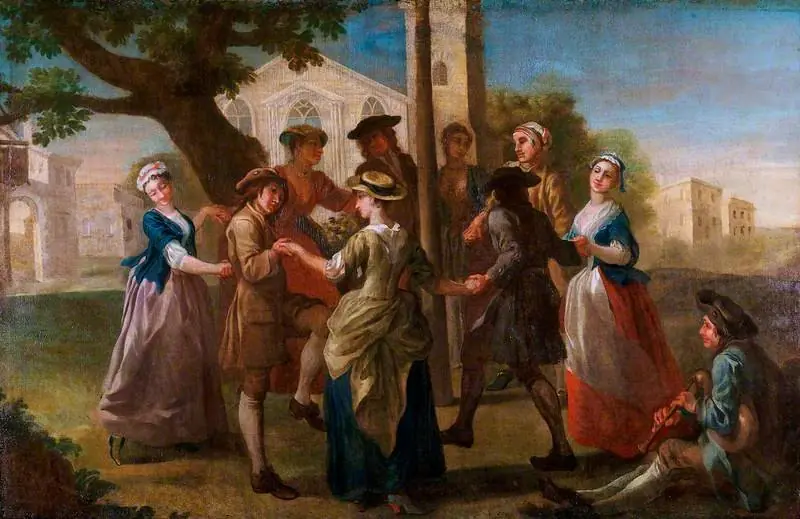 Country Dances round a Maypole (decorative painting for a supper-box at Vauxhall Gardens, London)
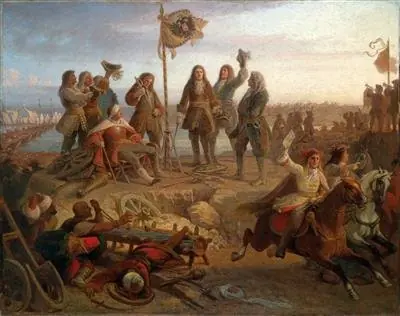 Prince Eugene Sends the Emperor News of the Victory at Zenta after the Battle of Zenta
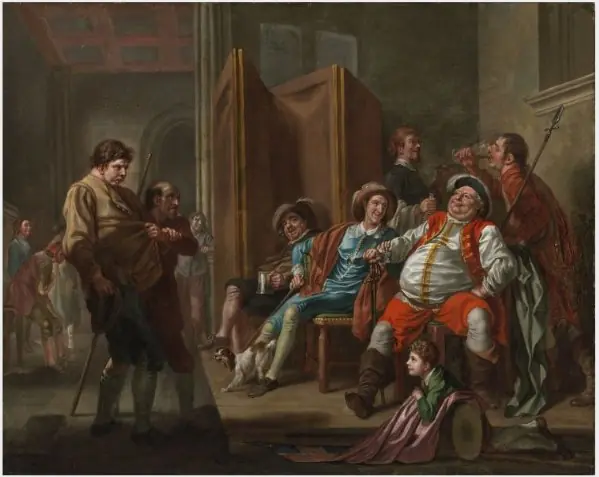 Falstaff Recruits from Shakespeare's 'Henry IV', Part II, Act III
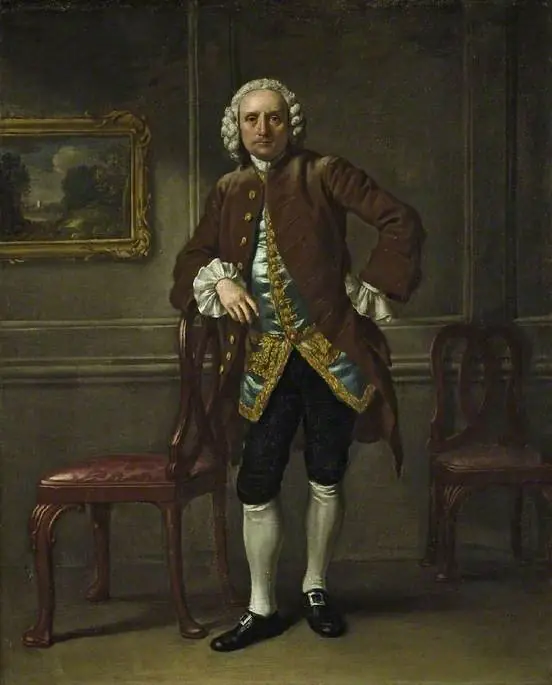 George Dance
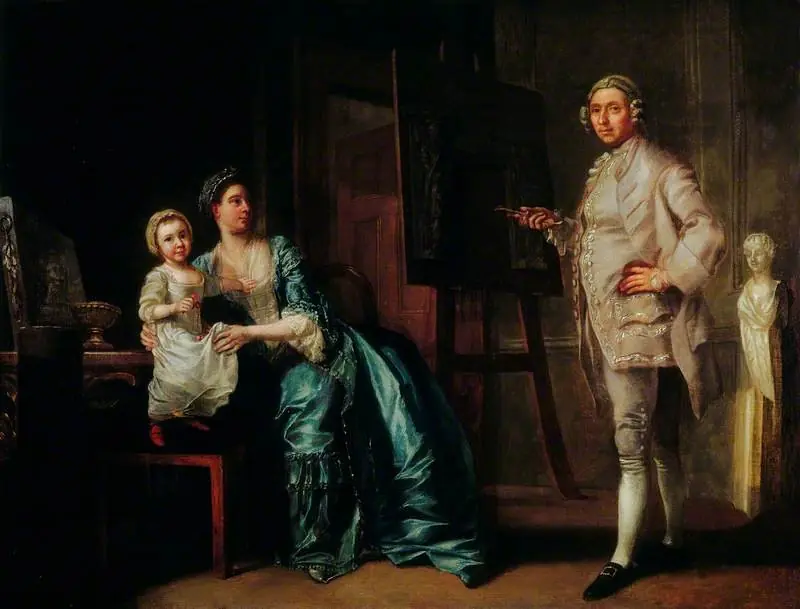 The Sculptor Joseph Wilton (1722–1803), with His Wife and Daughter
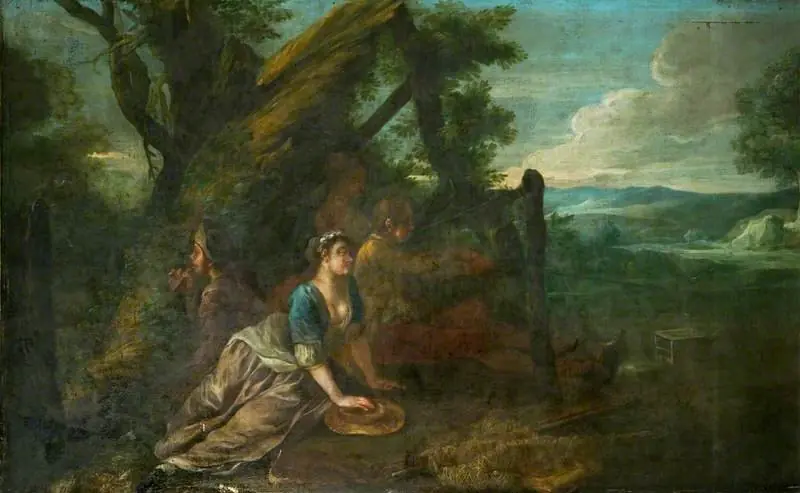 Bird-Catching by a Decoy with a Whistle and a Net (decorative painting for a supper-box at Vauxhall Gardens, London)
 Portrait of Gustavus Hamilton, 2nd Viscount Boyne (1639-1723)
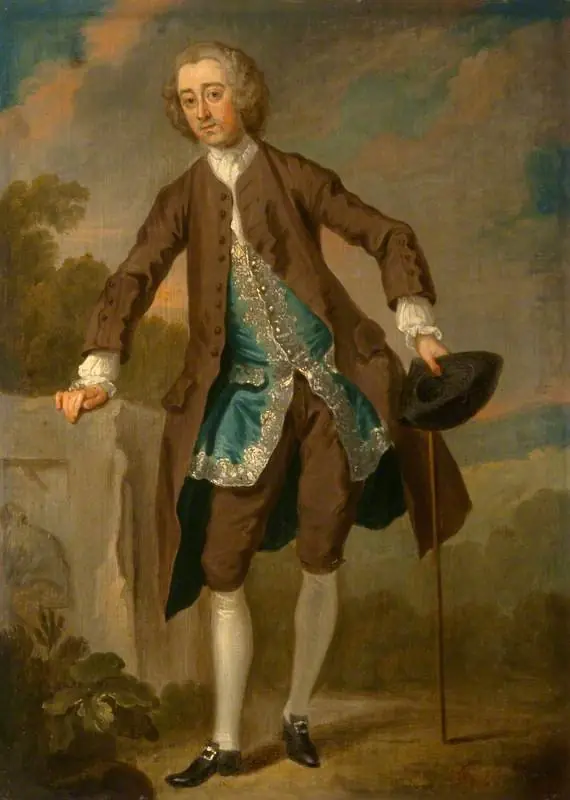 Gustavus Hamilton, 2nd Viscount Boyne (1710 - 1746)
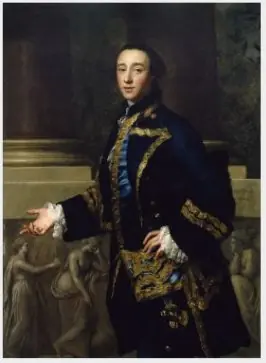 Portrait of Thomas Conolly (1738-1803)
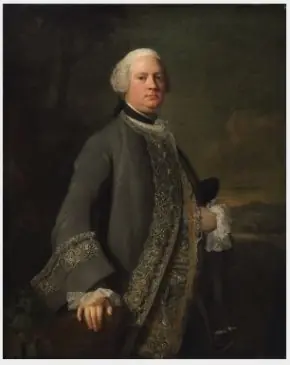 Portrait of Sir John Tyrell, Bt.
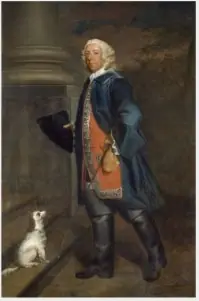 Portrait of Charles Tottenham in his Boots
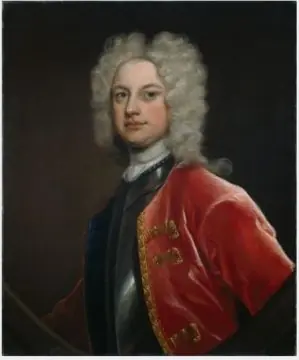 Portrait of General William Cosby (c.1690-1736)
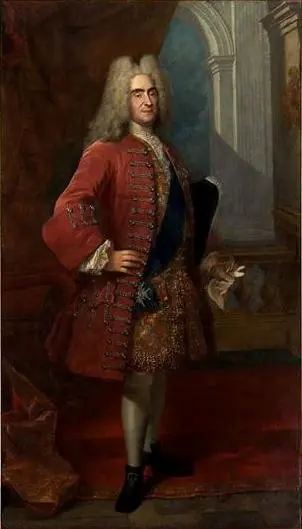 Portrait of Augustus II of Poland (1670-1733)
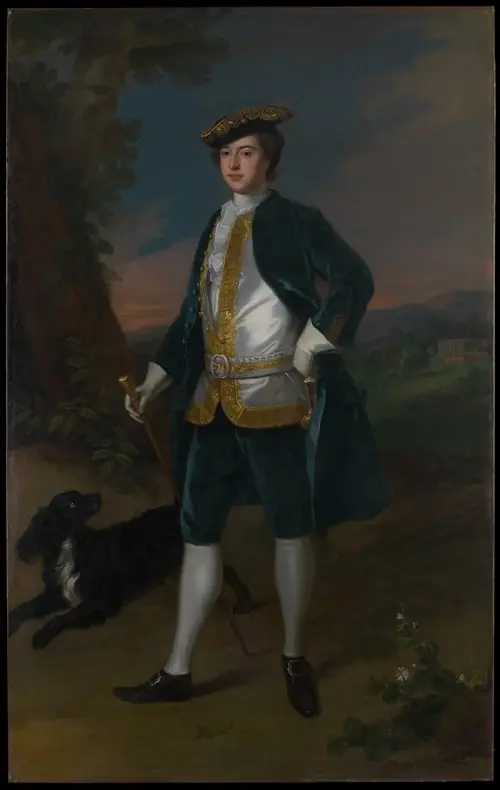 Sir James Dashwood (1715–1779)
 Portrait of Richard Wall (1694-1778), Spanish Ambassador to Britain
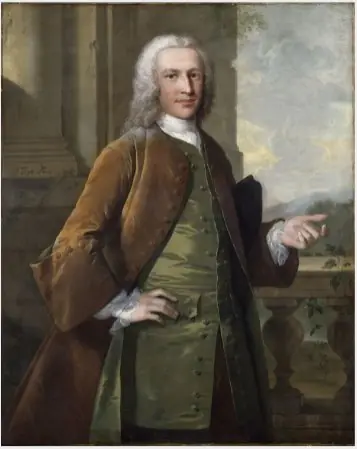 Portrait of Sir Charles Kemeys-Tynte, Baronet (1710-1785)