Artwork
Portrait of General William Cosby (c.1690-1736)
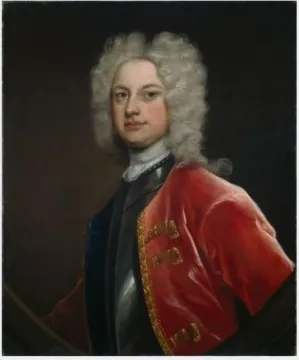
Portrait of General William Cosby (c.1690-1736) is an oil painting by Charles Jervas. It dates from 1710 and is held in the collection of the National Gallery of Ireland.
About this work
Overview
Painted in 1710 by Charles Jervas, this oil portrait captures General William Cosby, a British military officer and colonial administrator.
Painted in 1710 by Charles Jervas, this oil portrait captures General William Cosby, a British military officer and colonial administrator. The work is part of the National Gallery of Ireland’s collection and exemplifies early 18th-century British portraiture. Jervas, an Irish artist with ties to literary and artistic circles, executed the piece during a time when formal portraiture served both personal and political functions among the elite.
Subject & Meaning
General William Cosby is depicted in full military regalia, his red coat with gold embroidery signaling rank and authority. His white shirt and black vest reflect formal court dress of the period. The direct gaze and composed posture convey gravitas and command, aligning with the expectations of leadership in colonial service. The absence of symbolic props emphasizes his status through attire and bearing alone.
Technique & Style
Jervas employed chiaroscuro to model the figure against a dark, neutral background, enhancing the three-dimensionality of Cosby’s form. Brushwork is precise in the rendering of fabric textures—particularly the metallic sheen of the coat’s trim—and subtle in the soft transitions of skin tones. The palette is restrained, dominated by red, gold, and deep shadow, reinforcing the subject’s solemnity and social standing.
History & Provenance
Commissioned during Cosby’s early military career, the portrait likely served to affirm his position within British imperial circles. It entered the National Gallery of Ireland’s collection in the 20th century, having passed through private hands in Britain and Ireland. Its survival reflects its continued recognition as a representative example of Anglo-Irish portraiture from the early Georgian era.
Context
In the early 1700s, portraiture was a key medium for asserting identity and power among the British aristocracy and military elite. Jervas, influenced by Van Dyck and working in London, catered to patrons seeking dignified likenesses. Cosby’s role as a colonial governor later in life underscores the portrait’s function as an instrument of authority, linking personal image to imperial duty.
Legacy
Though not widely exhibited, the portrait remains a significant record of early 18th-century military portraiture in Ireland and Britain. Jervas’s skill in balancing realism with decorum influenced later portraitists, and this work stands as a quiet testament to the visual language of command in an age of empire, preserving the likeness of a figure central to colonial administration.
Artist & collection
Artist
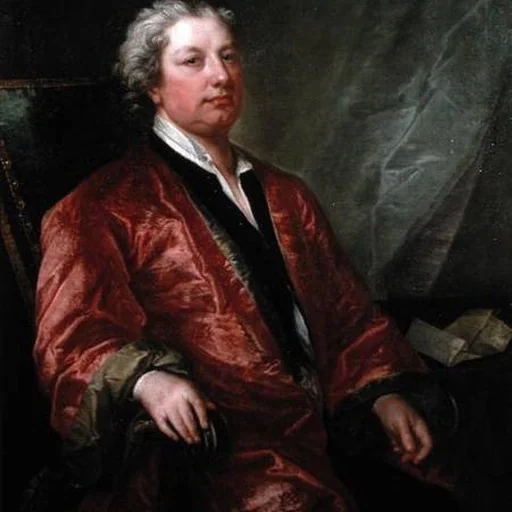
Charles Jervas (also Jarvis and Jervis; c. 1675 – 2 November 1739) was an Irish painter, translator, and art collector of the early 18th century.

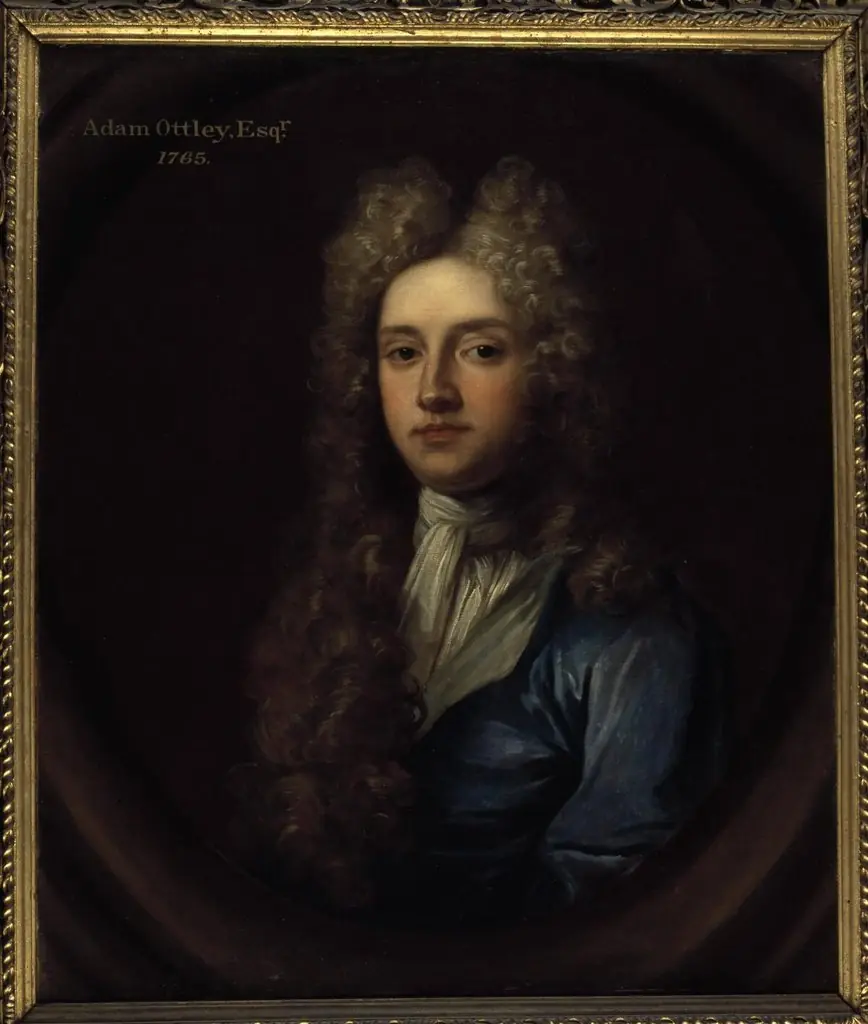
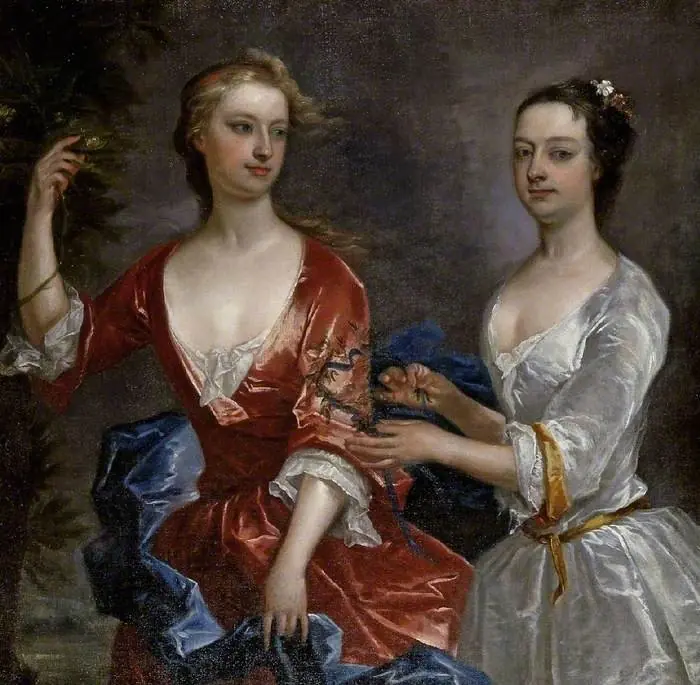
 Self-Portrait
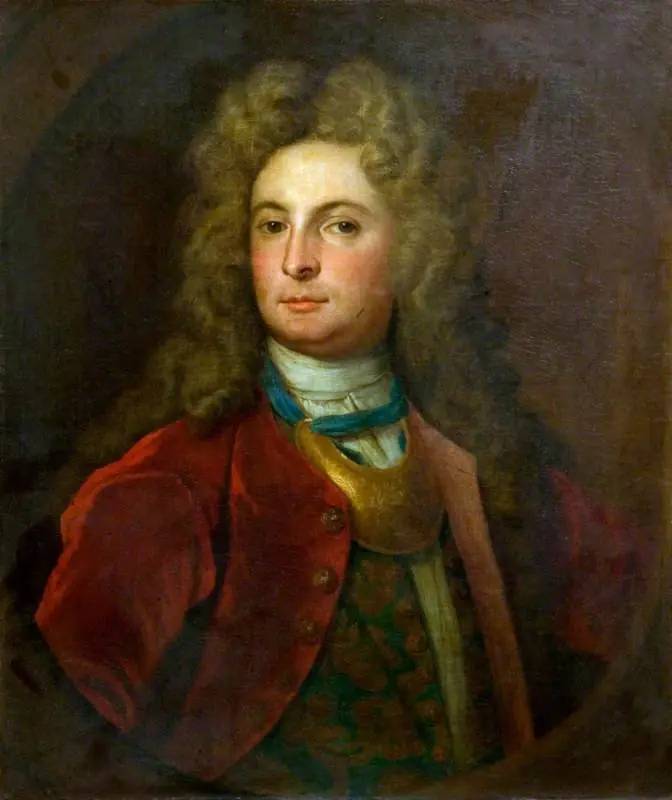 Captain Thomas Church
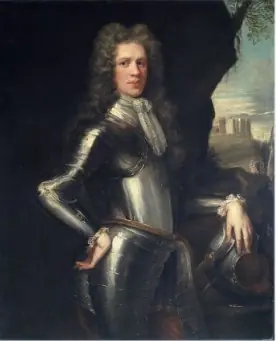 Portrait of a Gentleman, possibly Patrick Sarsfield (d.1693)
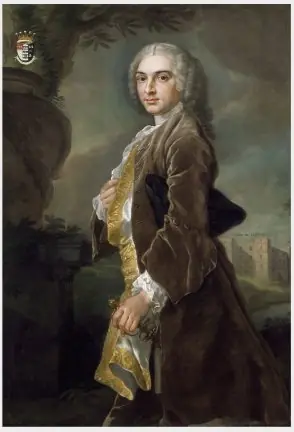 Portrait of John Percival, later 2nd Earl of Egmont (1711-1770)
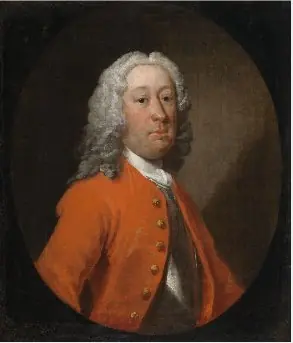 Portrait of a Military Gentleman, possibly General George Wade (1673-1748)
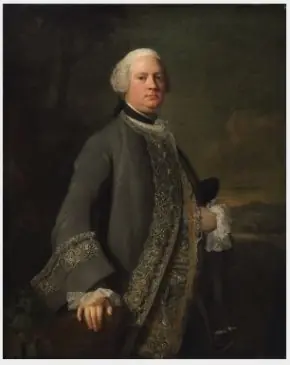 Portrait of Sir John Tyrell, Bt.
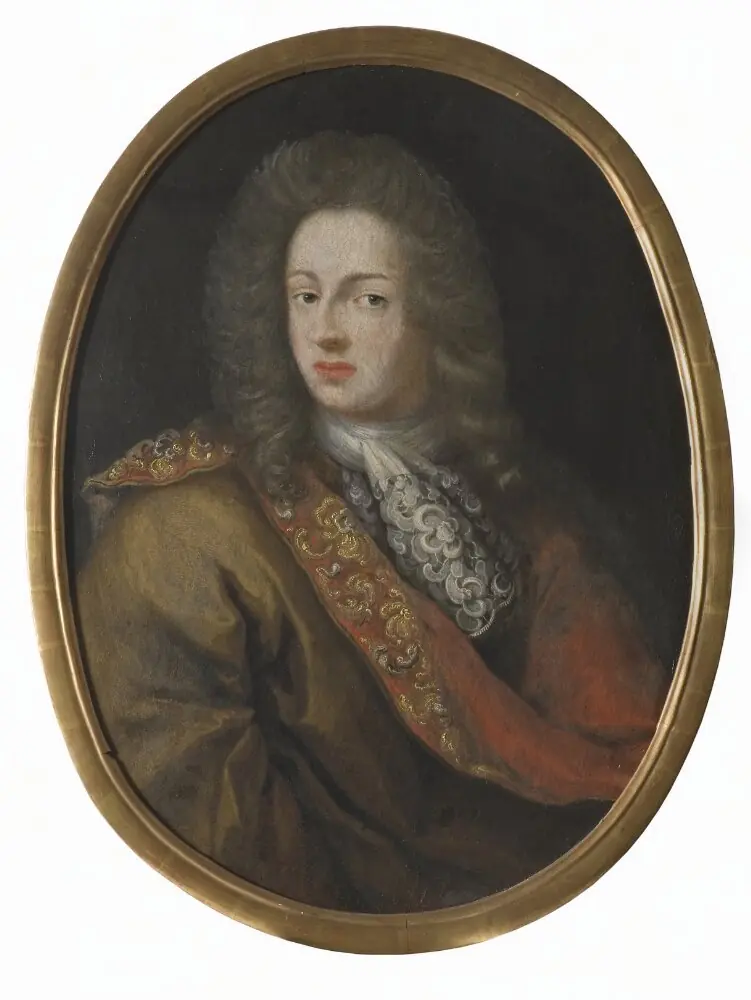 Philip Christopher von Königsmarck (1665-1694), greve, generalmajor i kursachisk tjänst
 Portrait of William, 4th Viscount Molyneux of Maryborough (c.1655-1717)
 Portrait of Augustus II of Poland (1670-1733)
 Portrait of Richard Wall (1694-1778), Spanish Ambassador to Britain