Artwork
Edtaonisl (Ecclesiastic)
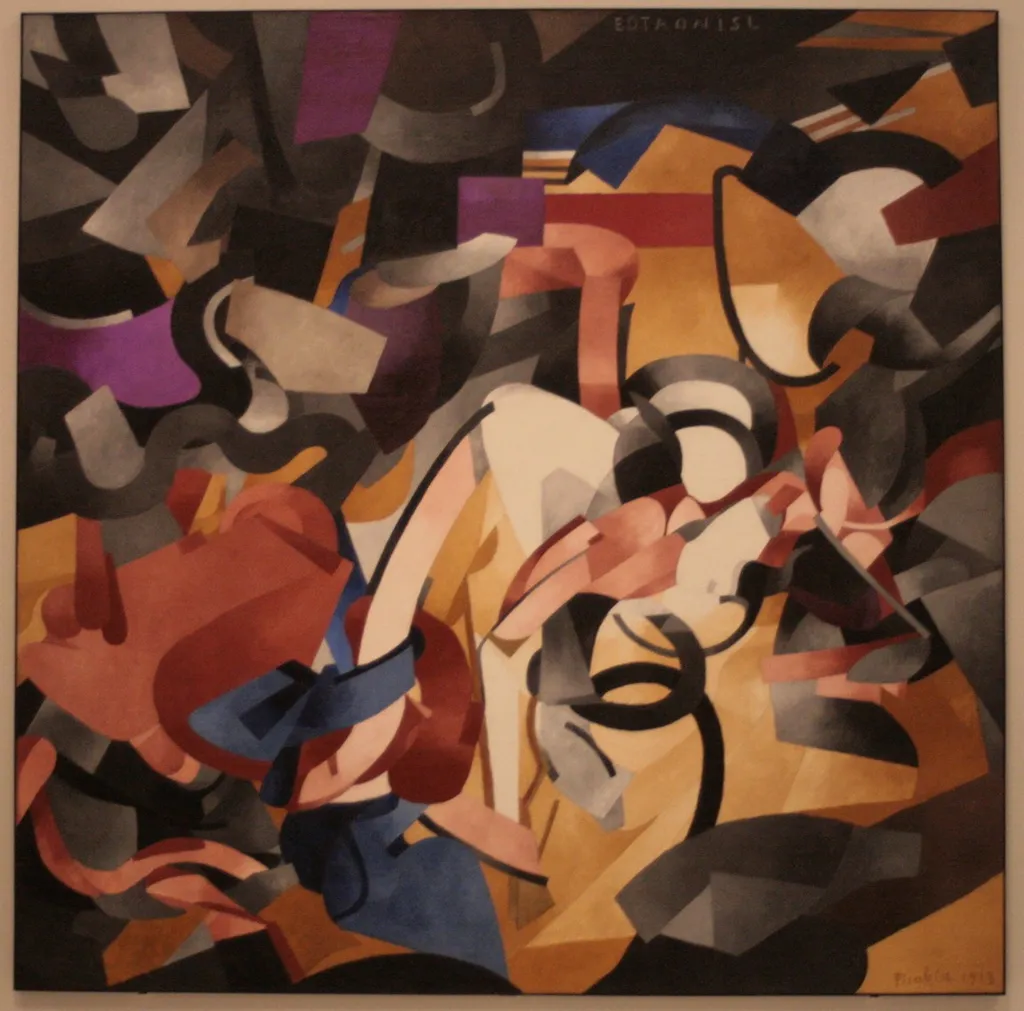
Edtaonisl (Ecclesiastic) is an oil painting by Francis Picabia. It dates from 1913 and is held in the collection of the Art Institute of Chicago.
About this work
Overview
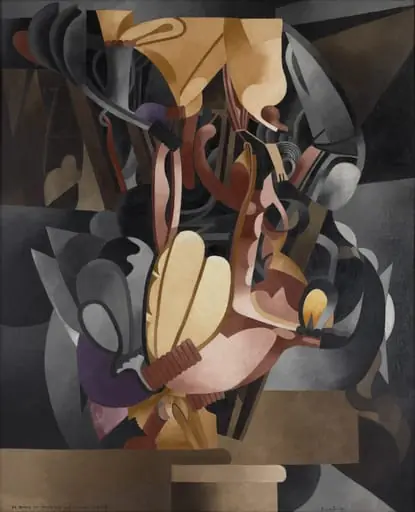
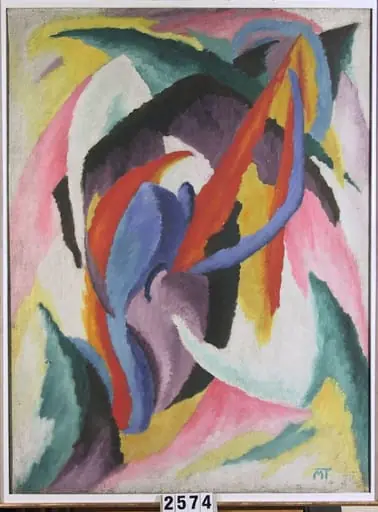
Edtaonisl (Ecclesiastic), painted by Francis Picabia in 1913, is an abstract oil work that reflects the experimental spirit of early 20th-century modernism. It resides in the collection of the Art Institute of Chicago. The composition resists literal representation, instead favoring a dynamic interplay of forms that suggest motion and tension without depicting recognizable subjects.
Subject & Meaning
The title alludes to religious themes, yet the painting offers no clear iconography. Rather than illustrating doctrine, Picabia uses abstraction to evoke spiritual or intellectual energy. The work may reflect his interest in dismantling traditional symbolism, replacing it with visual rhythms that invite subjective interpretation rather than doctrinal reading.
Technique & Style
Picabia applied oil paint in layered, overlapping shapes—curved, angular, and jagged—to generate visual rhythm. Dark tones dominate, punctuated by flashes of yellow, blue, and red. Edges vary between soft and sharp, enhancing the sense of instability. The brushwork is deliberate but non-naturalistic, prioritizing structural tension over descriptive accuracy.
History & Provenance
Created during Picabia’s transition from Cubism toward pure abstraction, the painting emerged from his engagement with avant-garde circles in Paris. It entered the Art Institute of Chicago’s collection in the mid-20th century, where it has remained as part of their early modernist holdings. Its provenance reflects its significance within American institutional recognition of European abstraction.
Context
Painted in 1913, Edtaonisl (Ecclesiastic) coincided with radical shifts in European art, including the rise of Orphism and Futurism. Picabia, influenced by these movements, moved away from figuration to explore form and color as autonomous forces. The work stands as a response to the era’s broader questioning of artistic tradition and meaning.
Legacy
The painting contributes to the understanding of Picabia’s role in the evolution of abstraction beyond Cubism. Though less widely known than his later Dada works, Edtaonisl (Ecclesiastic) demonstrates his early commitment to non-representational expression. It remains a key example of how European artists redefined visual language in the years before World War I.
Artist & collection
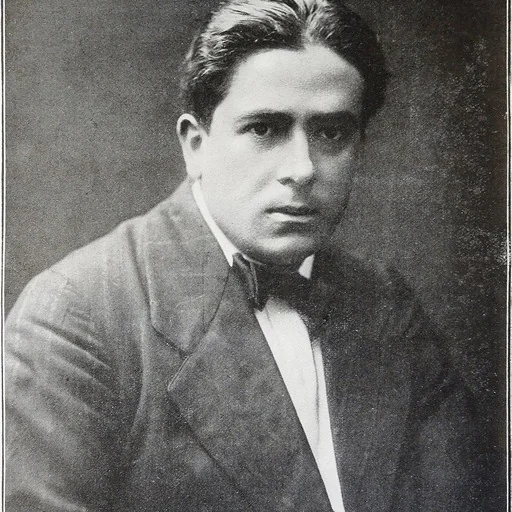
Artist
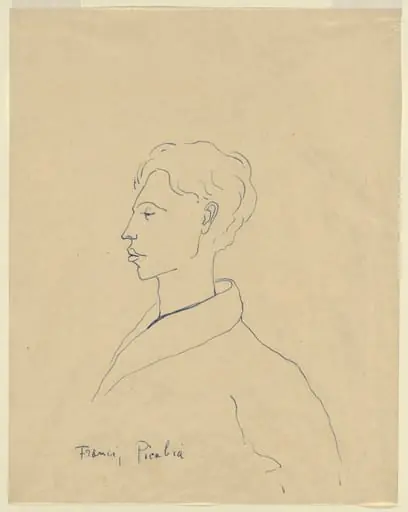
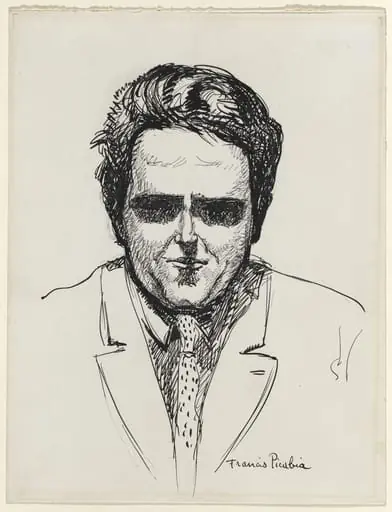
Francis Picabia (French: : born Francis-Marie Martinez de Picabia; 22 January 1879 – 30 November 1953) was a French avant-garde painter, writer, filmmaker, magazine publisher, poet, and typographist closely associated with Dada.