Artwork
Untitled
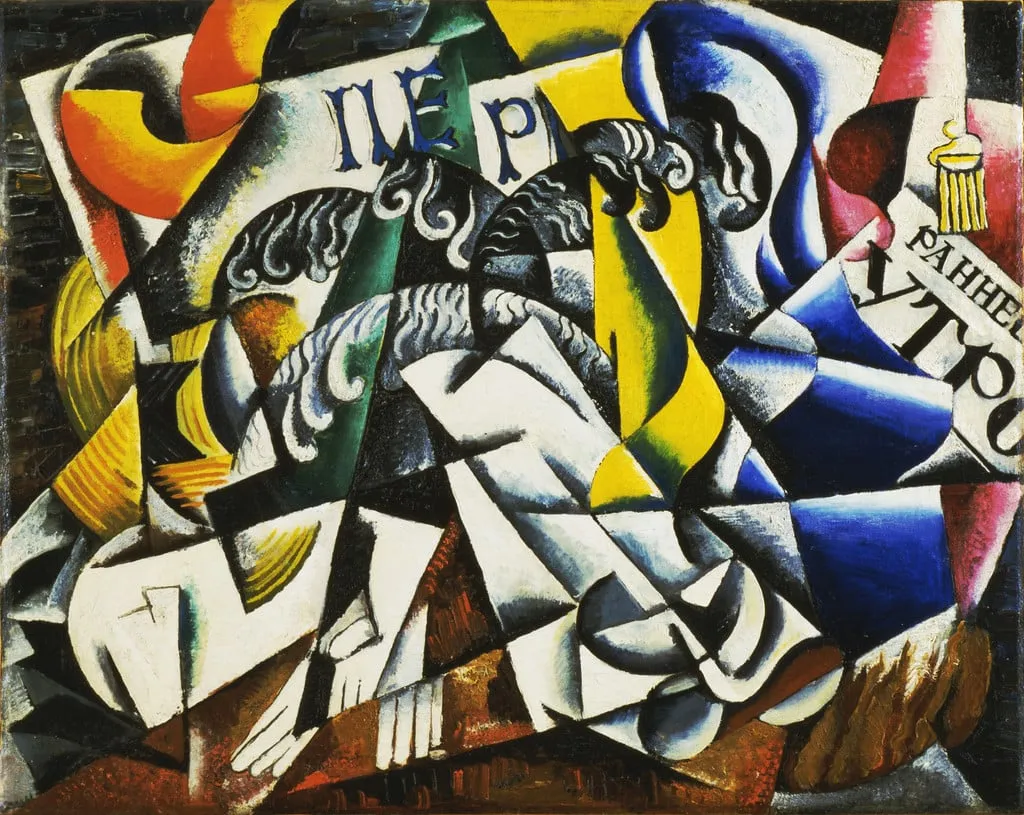
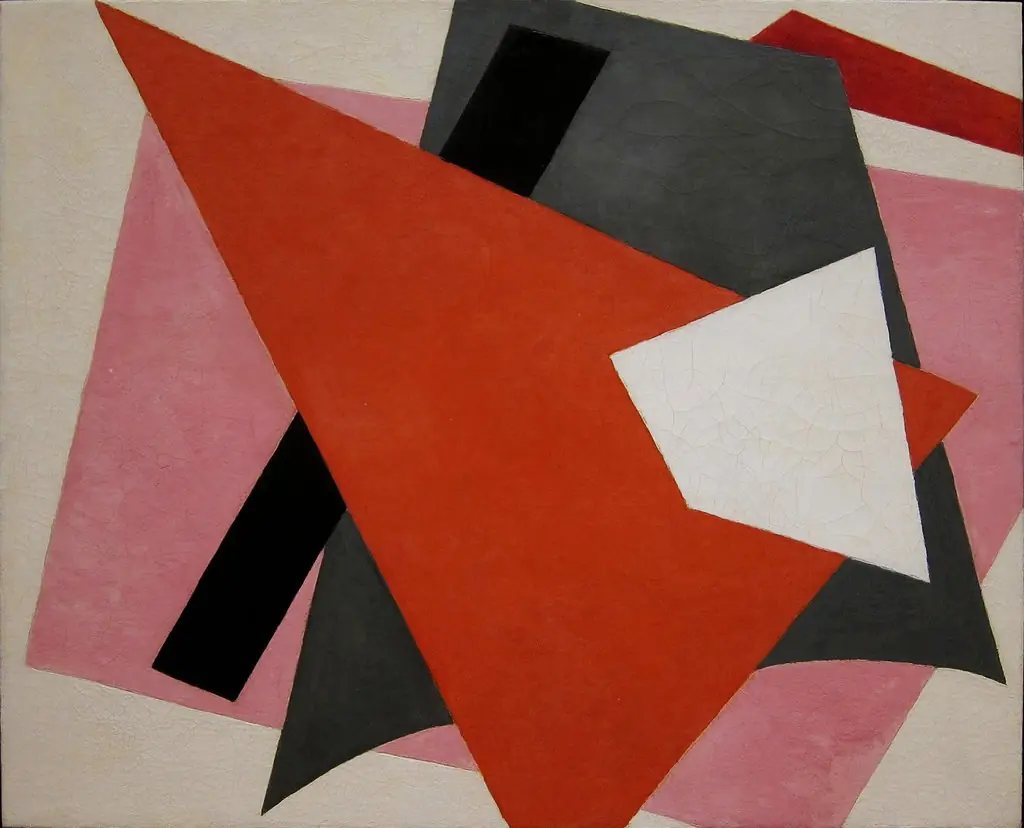
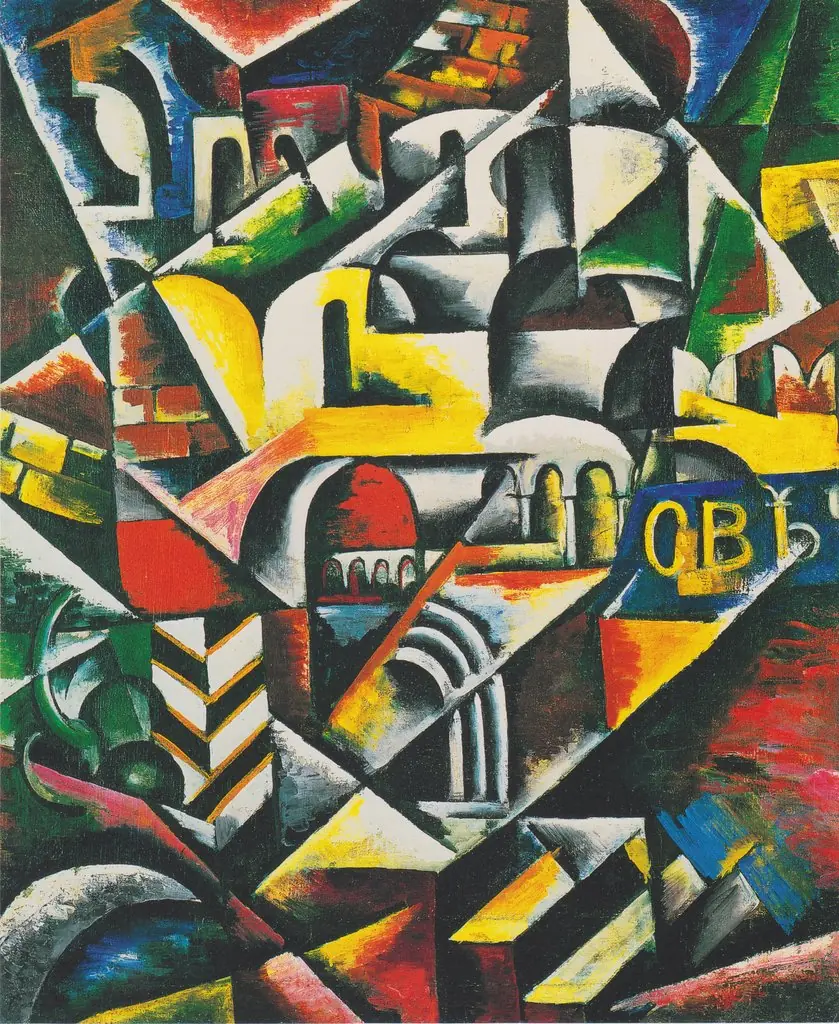
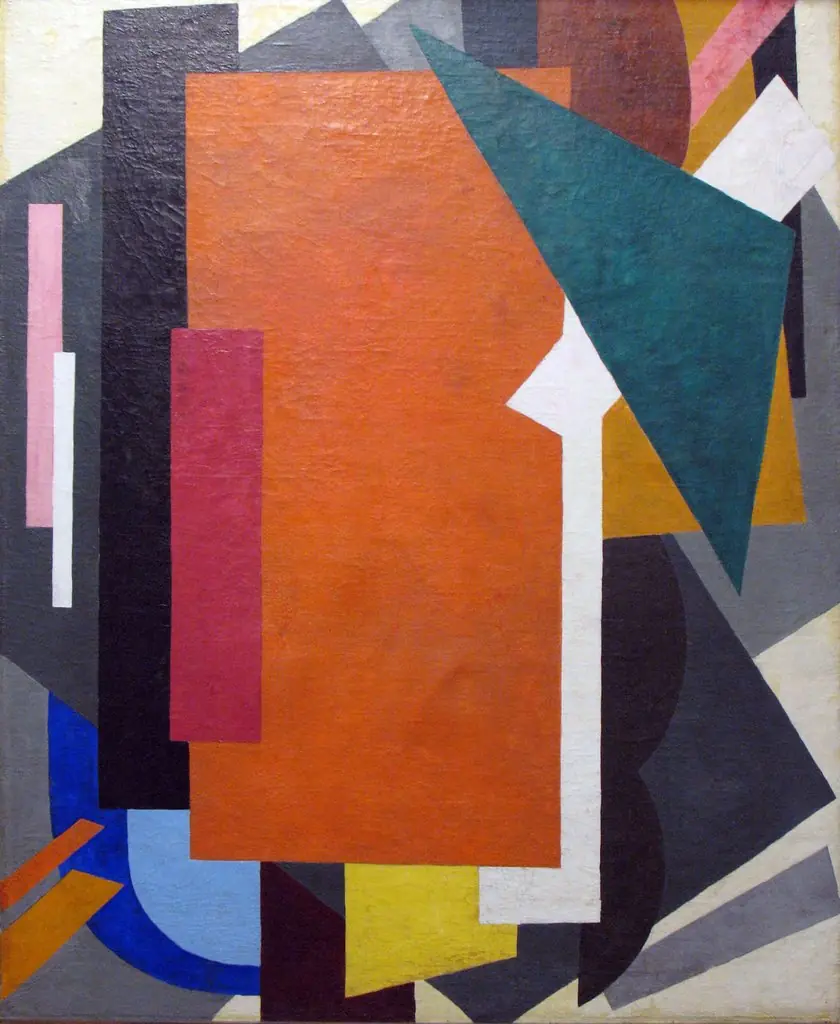
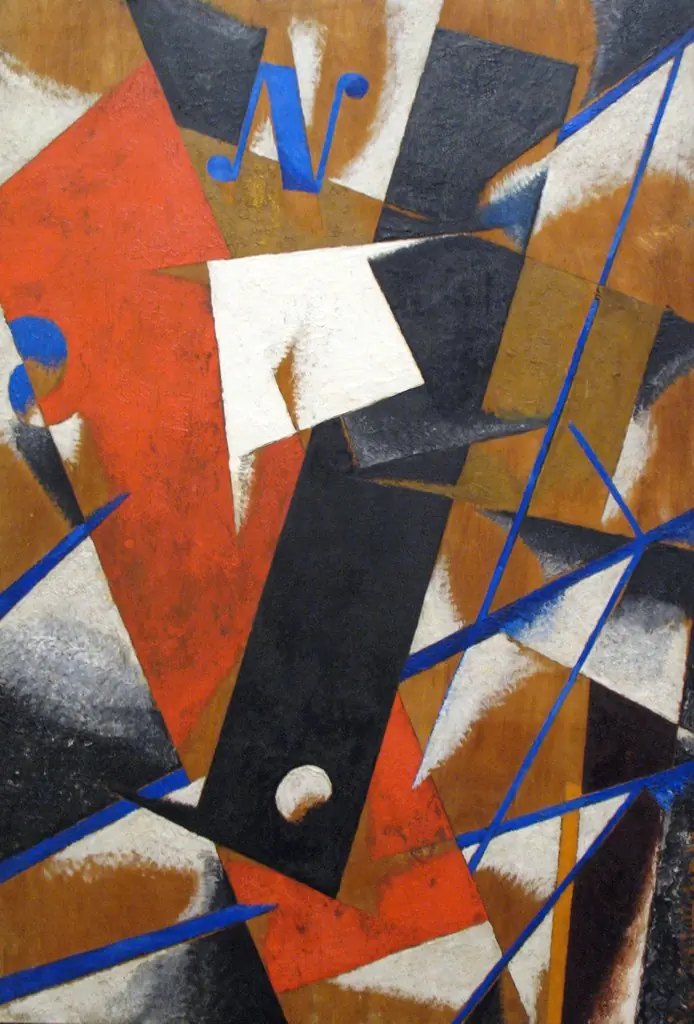
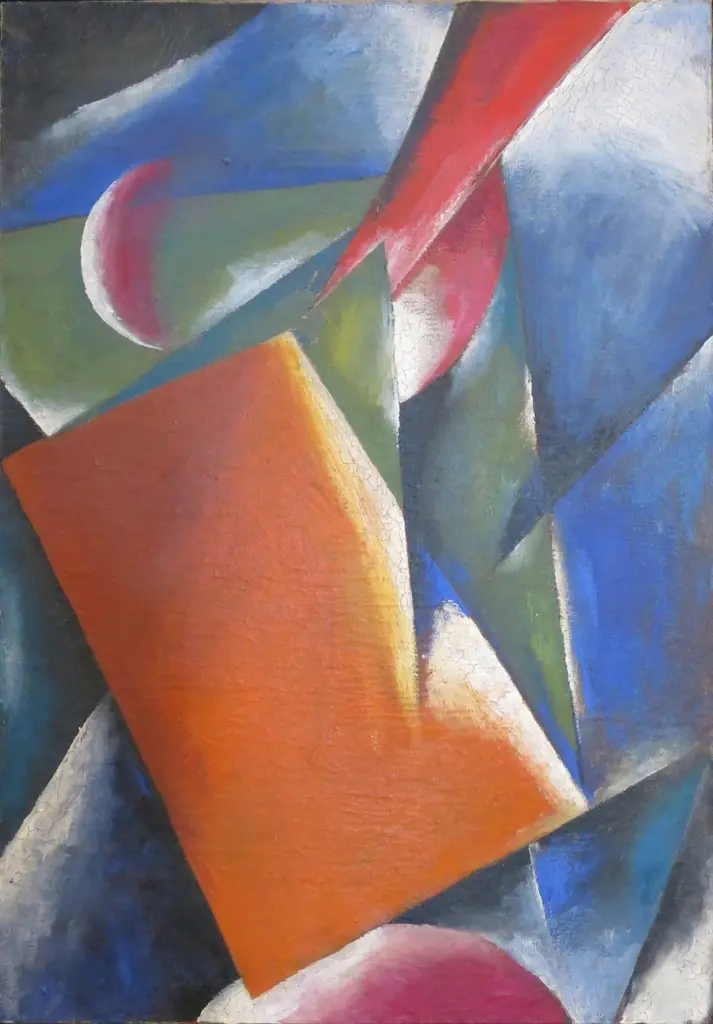
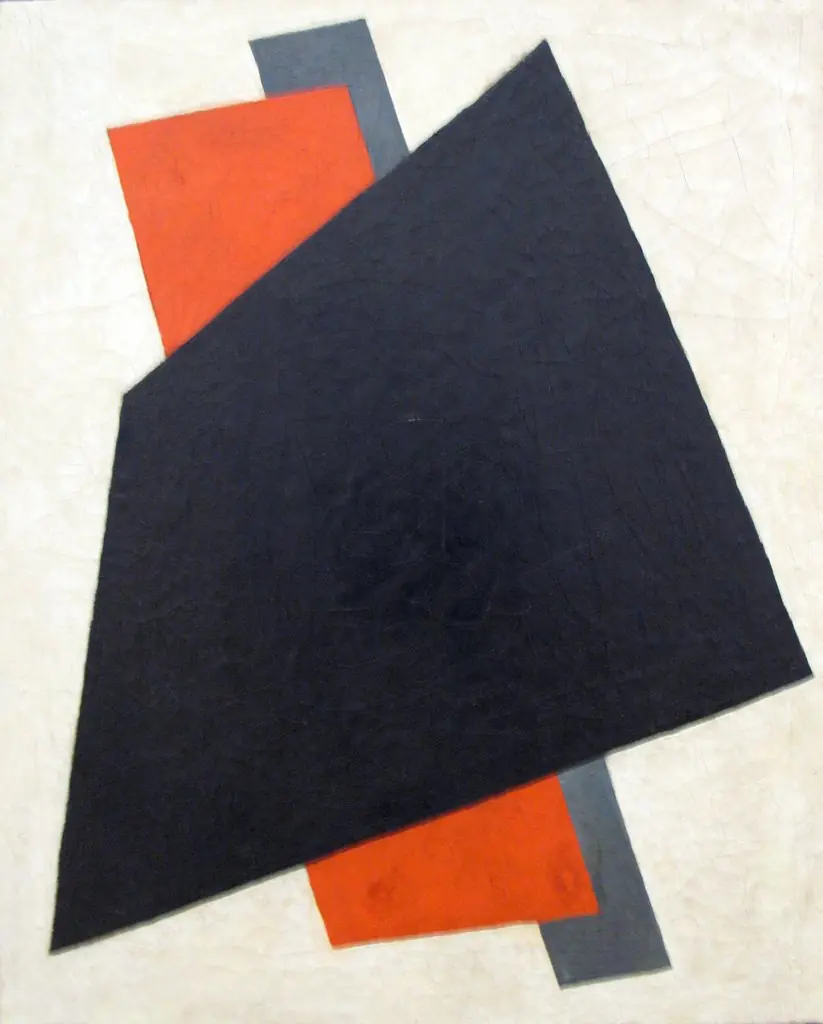
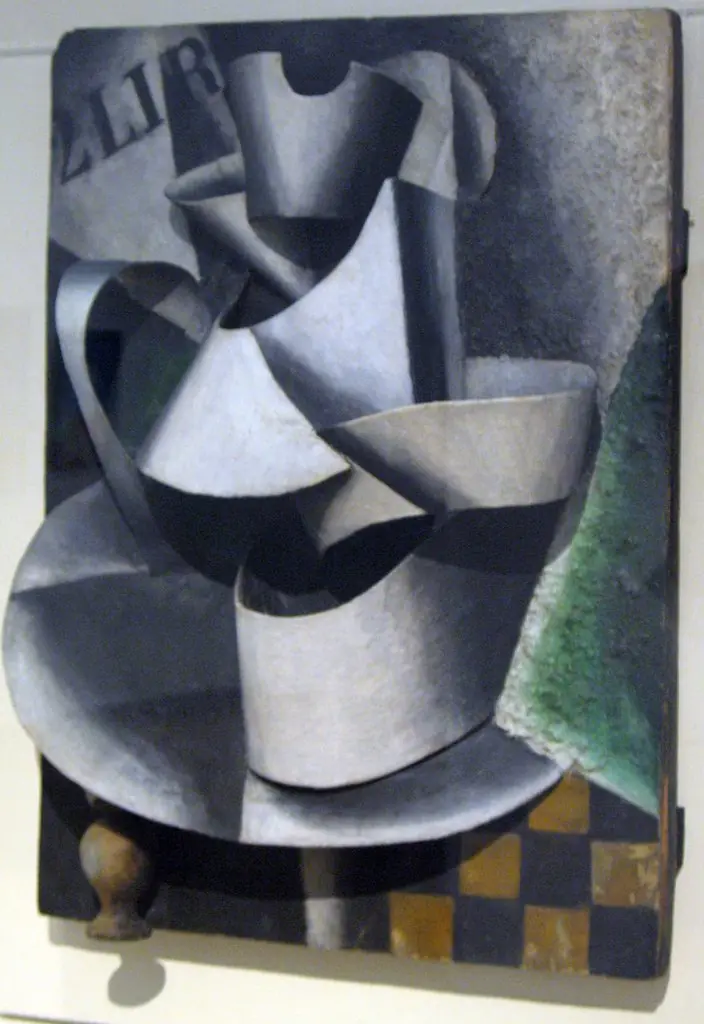
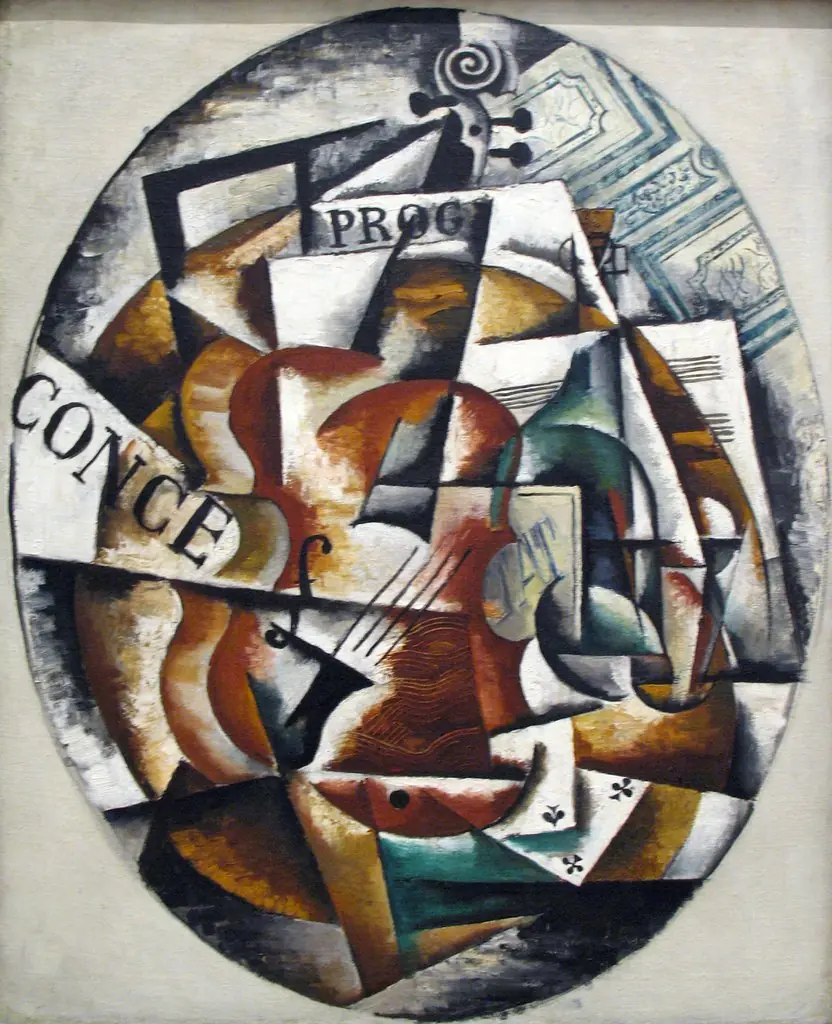
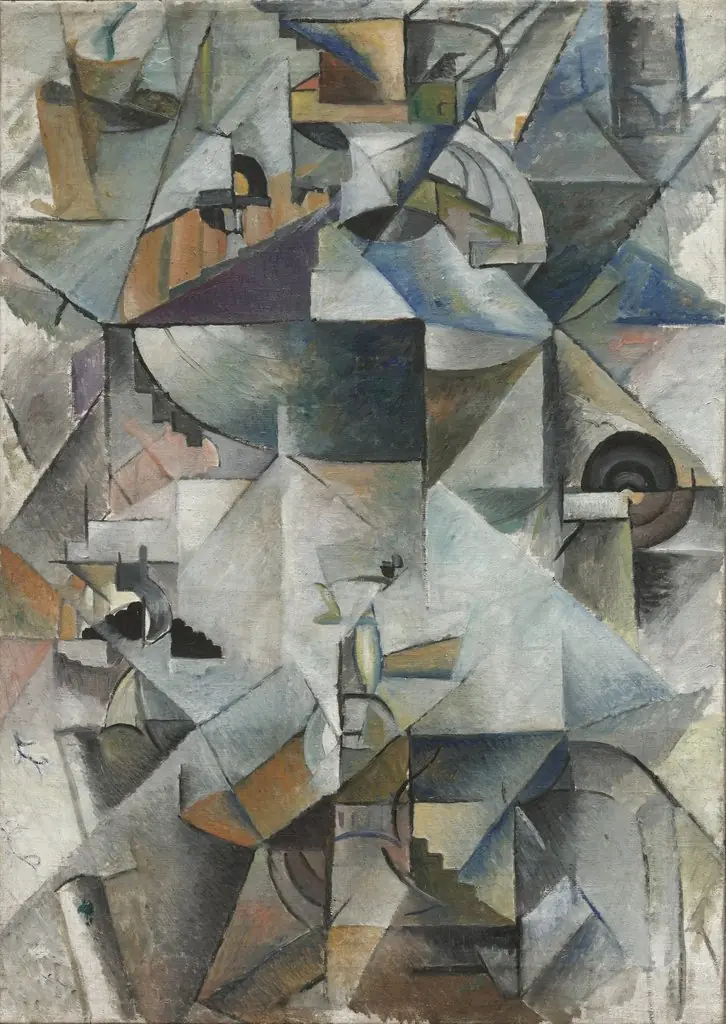
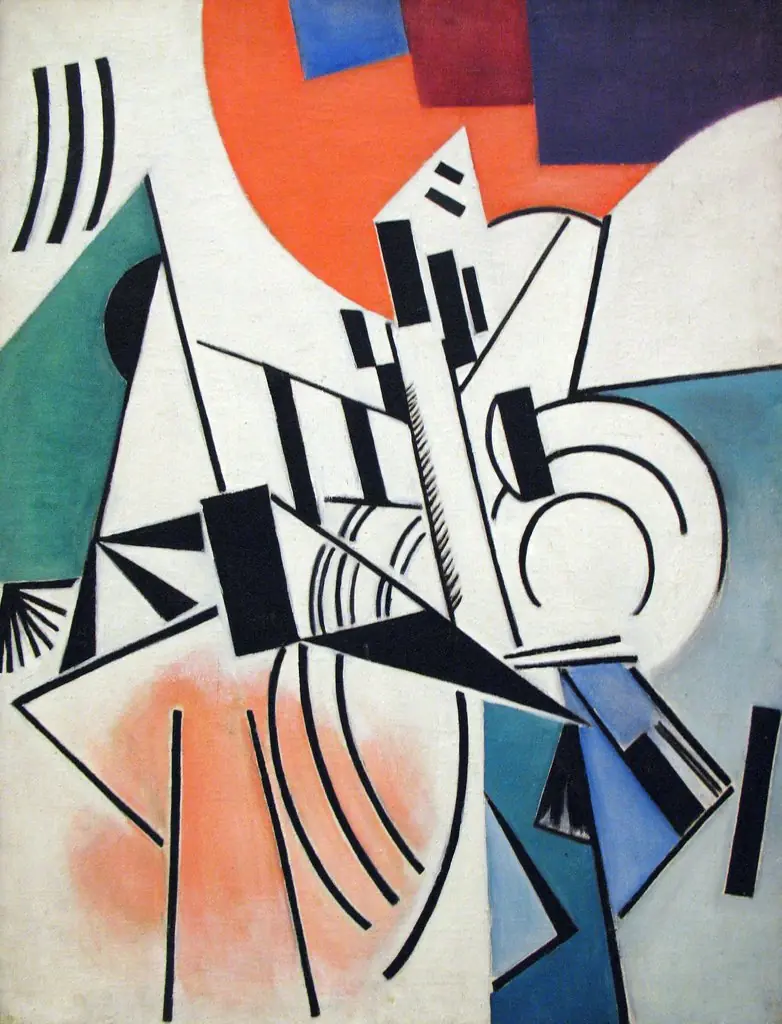
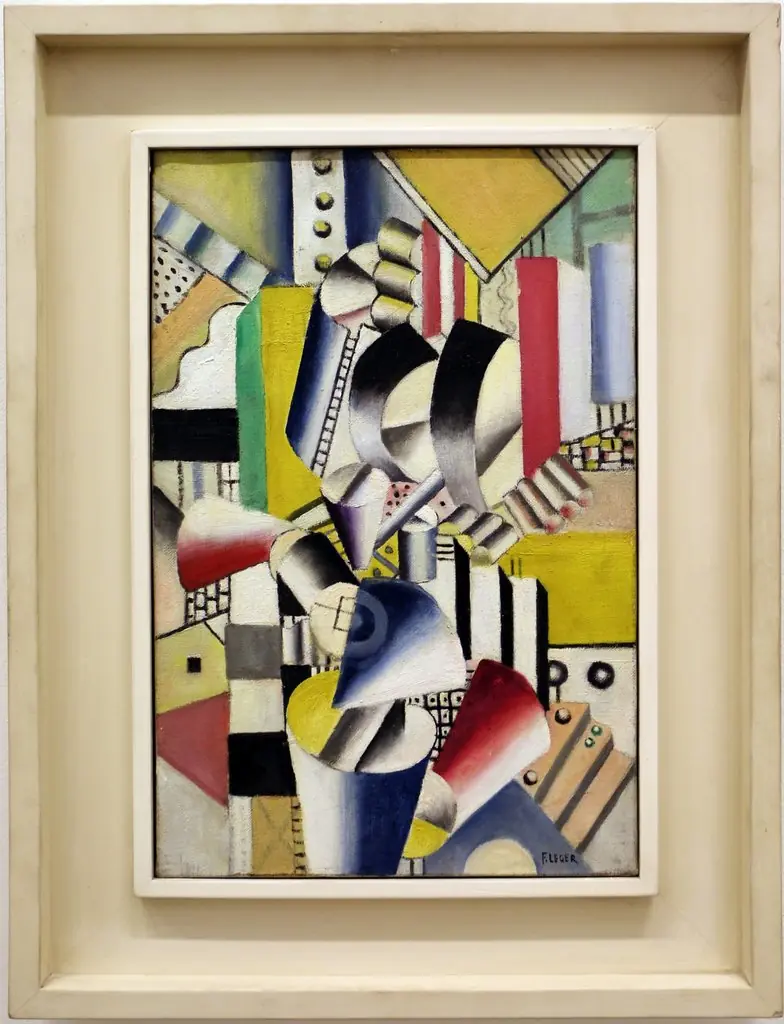
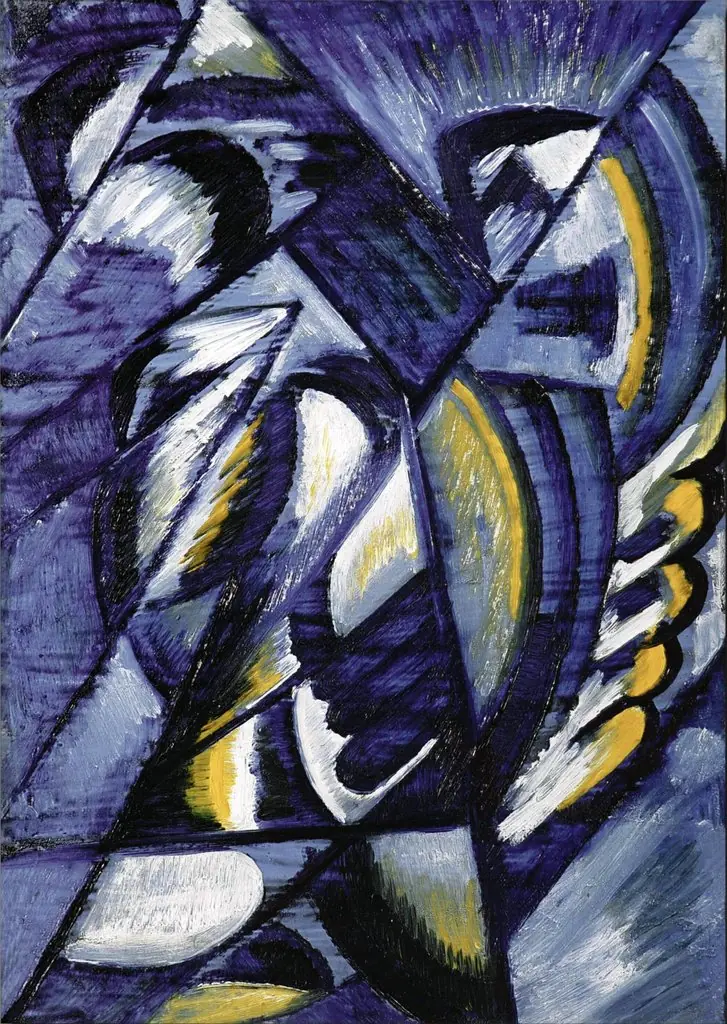
Untitled is an oil painting by the Constructivist artist Lyubov Popova. It dates from 1914 and is held in the collection of the Museum of Modern Art. Created in 1914, this oil on canvas work by Liubov Popova is a non-representational composition that rejects traditional pictorial space.
About this work
Overview
Created in 1914, this oil on canvas work by Liubov Popova is a non-representational composition that rejects traditional pictorial space. It belongs to the early phase of Russian Cubo-Futurism, where geometric fragmentation and dynamic tension replace naturalistic form. The painting is part of The Museum of Modern Art’s collection, representing a pivotal moment in modernist abstraction.
Subject & Meaning
The painting resists clear narrative, instead proposing a visual language of disruption. Fragmented shapes and partial lettering—such as the word 'MERP'—suggest the influence of literary and linguistic experimentation. Figures, if present, are dissolved into angular shards, reflecting a fascination with motion, industrial energy, and the breakdown of conventional perception.
Technique & Style
Popova employs thick, layered brushwork to build a tactile surface, with bold hues of yellow, blue, red, and black clashing in abrupt transitions. Sharp, intersecting planes create a sense of instability, while overlapping forms suggest simultaneous viewpoints. The absence of smooth contours and the use of impasto contribute to a visual rhythm that feels urgent and unresolved.
History & Provenance
Painted during Popova’s transition from figurative work to pure abstraction, this piece emerged from her engagement with avant-garde circles in Moscow. It entered The Museum of Modern Art’s collection in the mid-20th century, where it became a key example of Russian modernism. Its provenance reflects broader institutional interest in early 20th-century experimental art.
Context
This work was made amid the radical cultural shifts of pre-Revolutionary Russia, where artists sought to break from academic traditions. Popova’s style aligned with Cubo-Futurist ideals, merging Italian Futurism’s dynamism with Russian Cubism’s structural fragmentation. The inclusion of text reflects broader interest in typographic innovation among avant-garde poets and painters.
Legacy
The painting exemplifies Popova’s role in advancing abstraction beyond representation, influencing later constructivist and non-objective movements. Its energetic composition and rejection of harmony helped redefine the possibilities of painting in the 20th century. Though not widely exhibited, it remains a significant reference in studies of Russian modernism.
Artist & collection
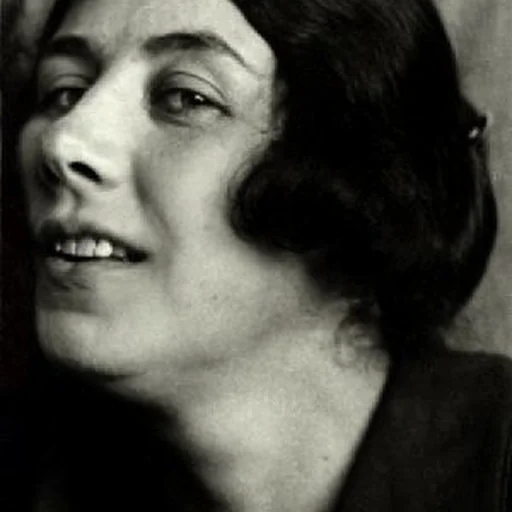
Artist
Lyubov Sergeyevna Popova (Russian: Любо́вь Серге́евна Попо́ва; 24 April 1889 – 25 May 1924) was a Russian-Soviet avant-garde artist, painter and designer.