Artwork
The Rape of Europa
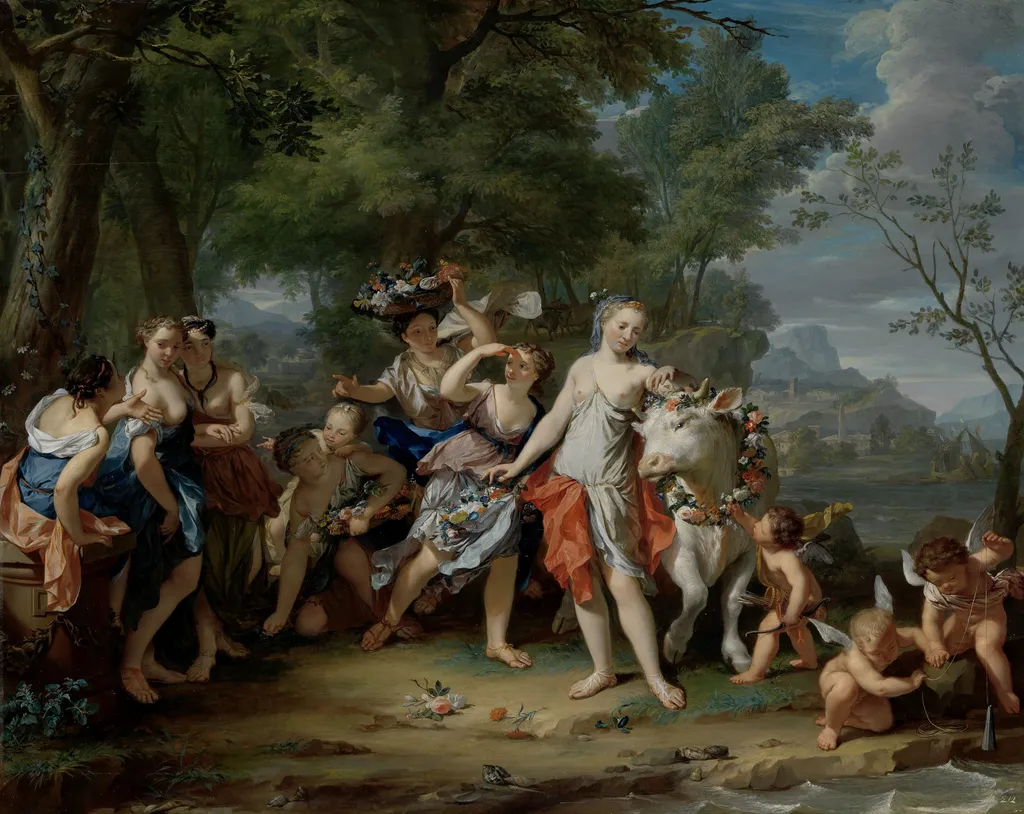
The Rape of Europa is an oil painting by the Rococo painting artist Nikolaas Verkolje. It dates from 1737 and is held in the collection of the Rijksmuseum.
About this work
Overview
Nikolaas Verkolje’s oil on canvas, painted in 1737, portrays the myth of Europa’s abduction. The composition places a serene woman in white beside a massive white bull, set within a forested riverside scene. Around them, figures in varied attire and winged children with bows create a bustling yet tranquil atmosphere, while distant trees and a soft sky frame the narrative.
Subject & Meaning
The work references the ancient tale in which Zeus, disguised as a bull, carries Europa across the sea. Verkolje emphasizes the calm exchange between the woman and the animal, suggesting a moment of consent or enchantment rather than violence. The inclusion of playful, winged children adds a whimsical layer, perhaps alluding to the myth’s later generations and the spread of culture.
Technique & Style
The luminous whites of the figures contrast with the darker foliage, creating depth through atmospheric perspective.
Executed in oil, the painting displays Verkolje’s characteristic smooth brushwork and subtle modeling of light. The luminous whites of the figures contrast with the darker foliage, creating depth through atmospheric perspective. The delicate rendering of the bull’s musculature and the gentle foliage demonstrates a late Baroque sensibility, balancing narrative detail with a refined, almost decorative surface.
History & Provenance
Since its creation in the early 18th century, the canvas has been part of the Rijksmuseum’s collection in Amsterdam. The museum acquired the piece as part of its effort to represent Dutch Baroque painting, and it remains on display as an example of mythological subject matter within a predominantly Dutch artistic tradition.
Own this work as a print
Artist & collection
Artist
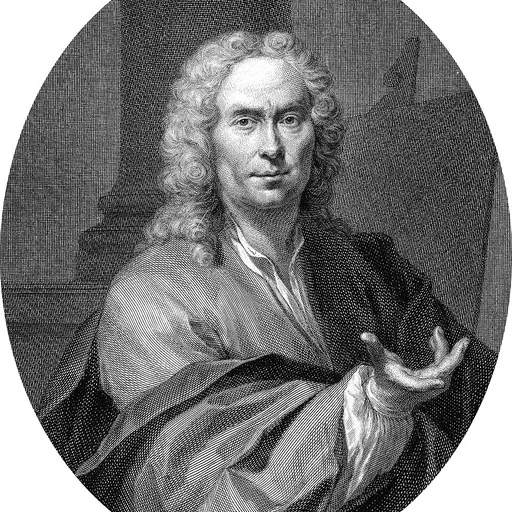
Nicolaas Verkolje or Vercolje (11 April 1673 – 21 January 1746) was a Dutch painter and mezzotinter. He specialized in history pieces and portraits in a classicistic style.