Artwork
Tea Drinking Under the Wutong Tree
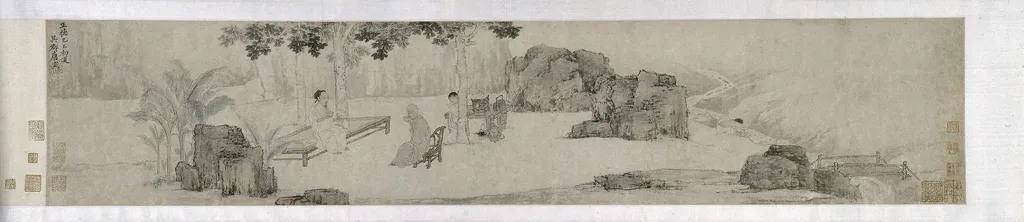
Tea Drinking Under the Wutong Tree is an unspecified painting by the Ming dynasty painting artist Tang Yin. It dates from 1498 and is held in the collection of the Art Institute of Chicago.
About this work
Overview
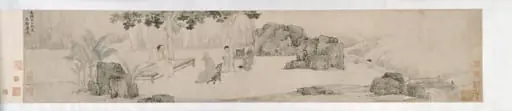
Painted in 1498 by Tang Yin, this ink-and-color work depicts a quiet moment of leisure among three figures beneath a wutong tree. Executed in the literati tradition, it reflects the cultural ideal of refined retreat from public life. The painting is now part of the Art Institute of Chicago’s collection, where it stands as a representative example of Ming dynasty scholar-artist aesthetics.
Subject & Meaning
The wutong tree, symbolizing integrity and resilience in Chinese culture, frames the figures as part of a natural, unforced order.
The scene captures scholars engaged in tea drinking, a practice associated with contemplation and social harmony. The wutong tree, symbolizing integrity and resilience in Chinese culture, frames the figures as part of a natural, unforced order. Their relaxed posture and minimal interaction suggest a shared quietude, embodying the Confucian and Daoist values of serenity and moral cultivation through simplicity.
Technique & Style
Tang Yin employed delicate brushwork and subtle ink washes to define form without heavy outline, favoring atmospheric suggestion over detail. The composition balances vertical tree trunks with horizontal ground planes, guiding the eye toward the central group. Color is restrained—soft greens and muted browns—enhancing the tranquil mood. While not using sfumato as in Western art, the painter achieved similar soft transitions through layered ink tones.
History & Provenance
Created during Tang Yin’s early career, the painting reflects his training in the Wu School and his engagement with literary circles in Suzhou. It passed through private collections before entering the Art Institute of Chicago’s holdings in the 20th century. Its preservation reflects its status as a valued example of Ming literati painting, though its specific early ownership remains undocumented.
Context
In late 15th-century China, scholar-officials increasingly turned to art and nature as spaces of personal expression amid political uncertainty. Tea rituals, often depicted in painting, became metaphors for moral clarity and intellectual refinement. Tang Yin, though later known for his unconventional life, here aligns with the idealized image of the cultivated recluse, a common theme among Wu School artists.
Legacy
This work exemplifies how Ming literati painters fused poetry, calligraphy, and painting into a unified aesthetic. Though Tang Yin’s later works gained wider recognition, this early piece remains significant for its quiet mastery of composition and emotional restraint. It continues to inform modern understandings of Chinese painting as an expression of inner life rather than external spectacle.
Artist & collection

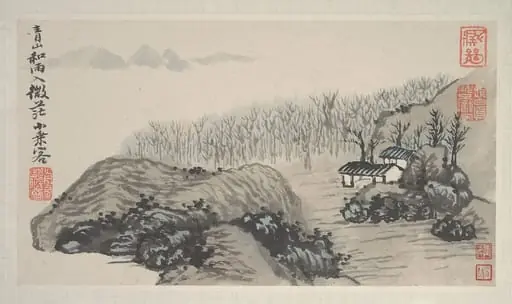 清 石濤(朱若極) 四季山水圖 冊|Landscapes of the Four Seasons
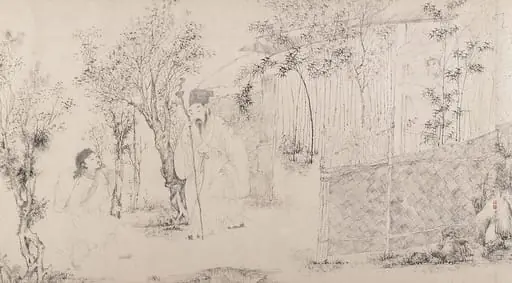 明 王上宮 忠孝圖 卷|Paragons of Loyalty and Filial Piety
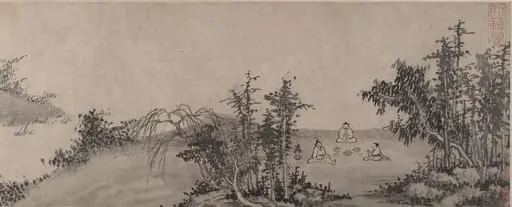 明 姚綬 文飲圖 卷|Drinking and Composing Poetry
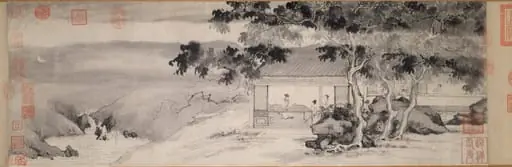 Drinking at Night
 Zhao Mengfu Writing the Heart (Hridaya) Sutra in Exchange for Tea
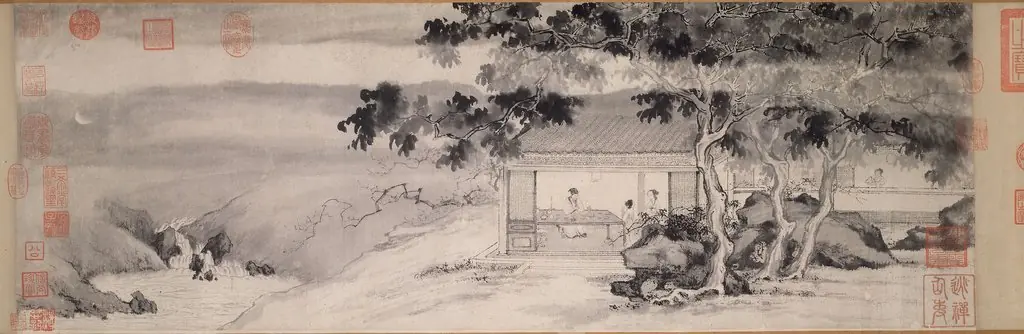 Drinking at Night
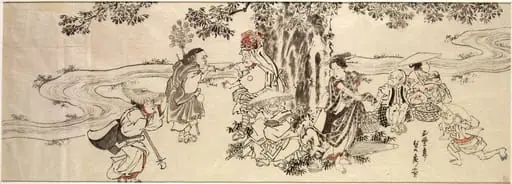 Group resting under tree
 Untitled
 Untitled
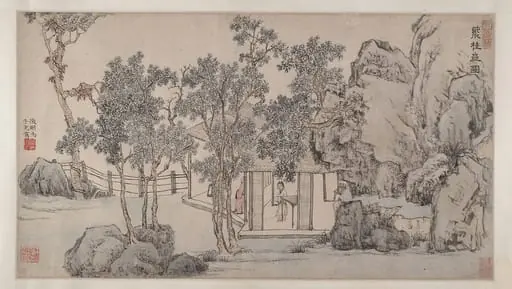 明 文徵明 叢桂齋圖 卷|The Cassia Grove Studio
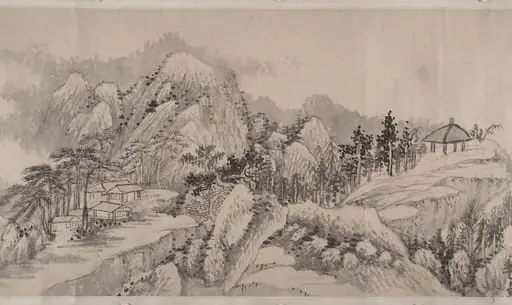 清 柳堉 幽谷深林圖 卷|Remote Valleys and Deep Forests
 Tea Drinking Under the Wutong Tree