Artwork
Drinking at Night
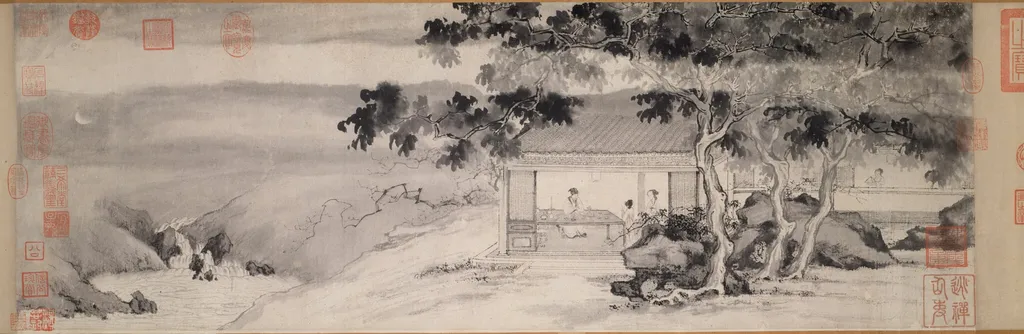
Drinking at Night is an ink painting by the Ming dynasty painting artist Tang Yin. It dates from 1522 and is held in the collection of the Art Institute of Chicago.
About this work
Overview
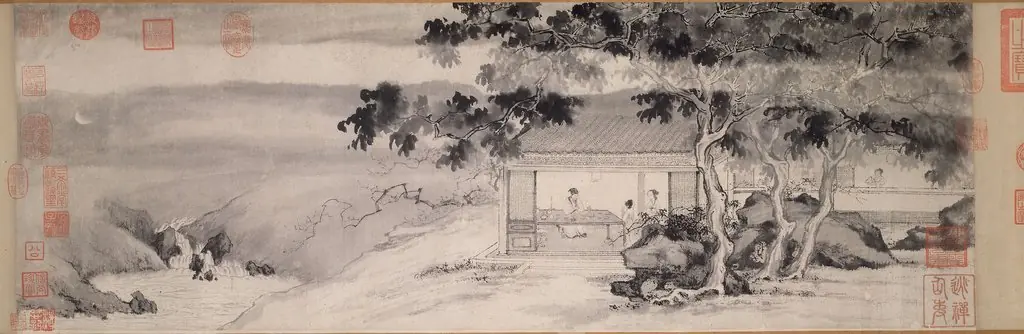
Created in 1522 by Tang Yin, this ink-on-paper handscroll captures a quiet nocturnal moment among three men sharing drink beneath a tree.
Created in 1522 by Tang Yin, this ink-on-paper handscroll captures a quiet nocturnal moment among three men sharing drink beneath a tree. Executed entirely in monochrome, the work exemplifies the literati tradition of using minimal means to evoke atmosphere. Its elongated format invites gradual viewing, unfolding like a private narrative. The absence of color and the deliberate use of negative space reflect a philosophical restraint central to Ming dynasty ink painting.
Subject & Meaning
The scene depicts three scholars relaxing after dark, their postures relaxed, suggesting camaraderie and respite from scholarly duties. The night setting implies introspection and detachment from daily obligations. The unmarked moon, left as blank paper, invites the viewer to mentally complete the scene, aligning with Daoist ideals of emptiness and implied presence. The act of drinking becomes a metaphor for quiet communion rather than indulgence.
Technique & Style
Tang Yin employs rapid, fluid ink strokes to define forms: loose robes ripple with economical lines, while tree bark is rendered through textured, dry brushwork. He avoids outlines, relying instead on tonal variation and brush pressure to suggest volume. Cross-hatching and ink washes create depth without color, and the empty space around the figures functions as both sky and moonlight. The technique prioritizes expressive spontaneity over detail, characteristic of Ming literati aesthetics.
History & Provenance
The handscroll entered the Art Institute of Chicago’s collection through documented acquisitions in the 20th century, though its earlier ownership remains unclear. It was likely produced for private circulation among scholar-officials, not public display. As a work by Tang Yin—a celebrated painter and poet of the Wu region—it reflects the cultural milieu of Jiangnan elites who valued artistic expression as a form of personal cultivation.
Context
Tang Yin lived during a period when literati painters rejected courtly formalism in favor of personal expression. Drinking scenes were common motifs, symbolizing intellectual freedom and withdrawal from official life. The handscroll format, traditionally used for private viewing, allowed viewers to engage slowly with the image, mirroring the contemplative nature of the subject. This work aligns with broader trends in 16th-century China that elevated poetry, calligraphy, and painting as intertwined arts.
Legacy
This scroll endures as a refined example of Ming literati painting, illustrating how restraint and suggestion can convey complex emotion. Later artists studied Tang Yin’s brushwork for its balance of spontaneity and control. Its influence persists in modern ink traditions that value negative space and minimalism. The work remains a touchstone for understanding how Chinese painters transformed everyday moments into enduring visual poetry.
Artist & collection

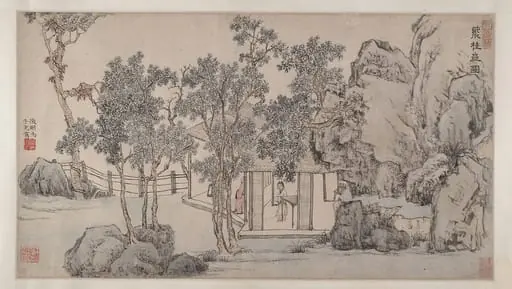 明 文徵明 叢桂齋圖 卷|The Cassia Grove Studio
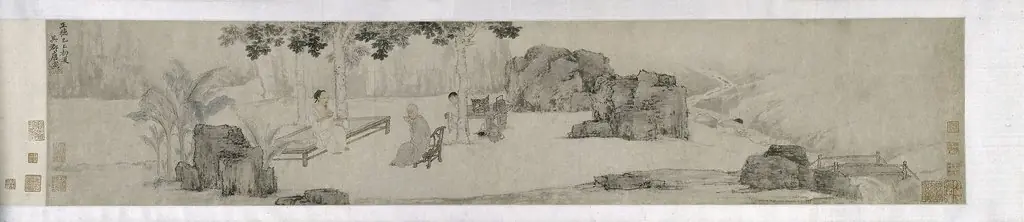 Tea Drinking Under the Wutong Tree
 清 王素 東山報捷圖 軸|Bringing the Message of Victory to Dongshan
 清 柳堉 幽谷深林圖 卷|Remote Valleys and Deep Forests
 New Year's Day in a Village at Stone Lake
 Untitled
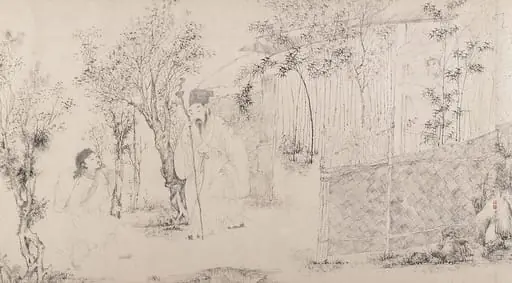 明 王上宮 忠孝圖 卷|Paragons of Loyalty and Filial Piety
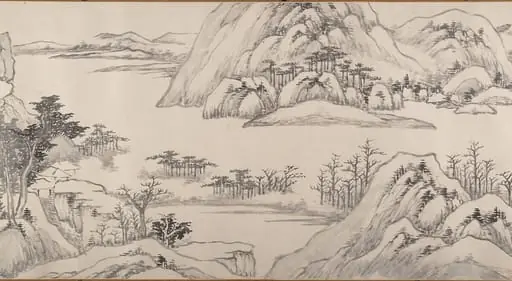 Untitled
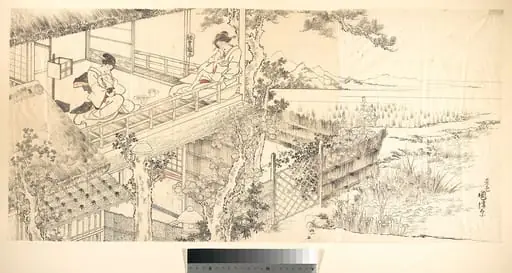 Untitled
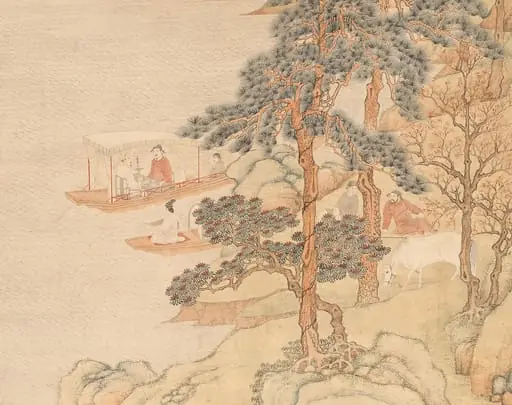 明 丁雲鵬 潯陽送客圖 軸|Song of the Lute
 清 張熊 山水 冊頁|Landscape
 Drinking at Night