Artwork
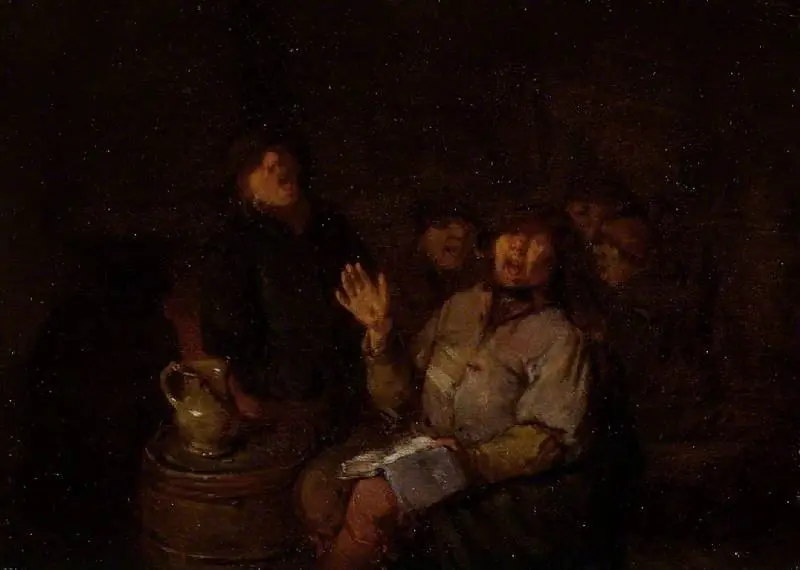
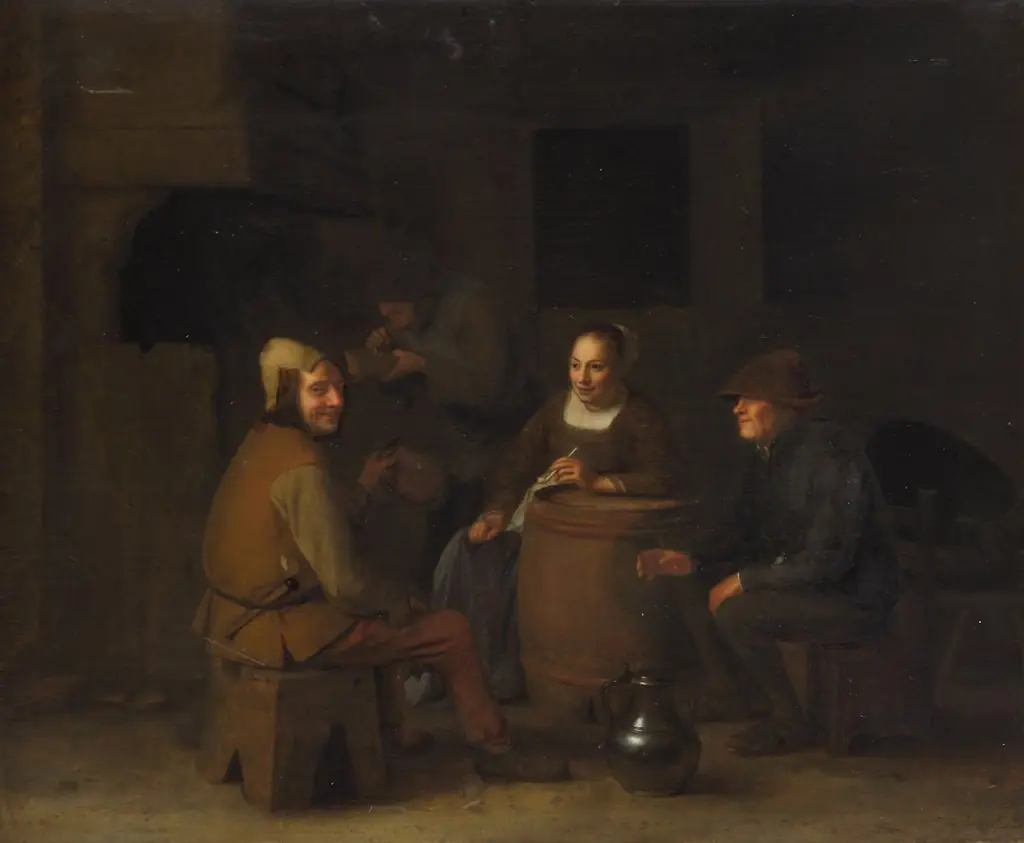
Three Peasants Seated
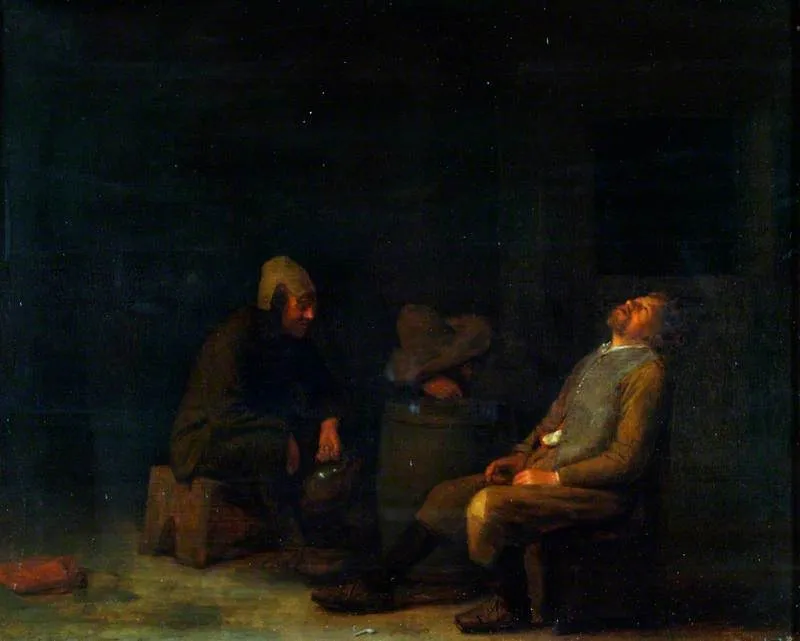
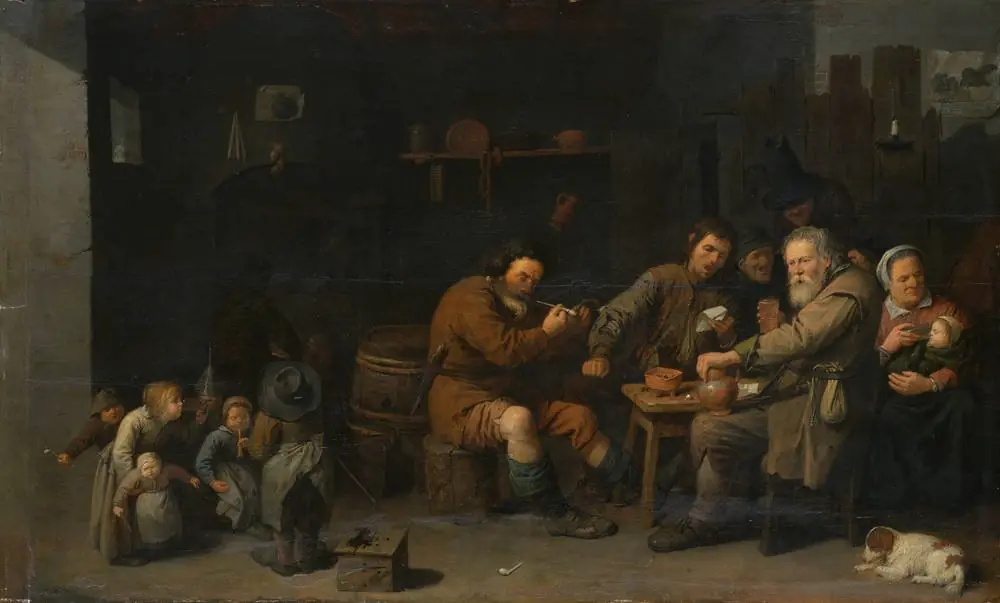
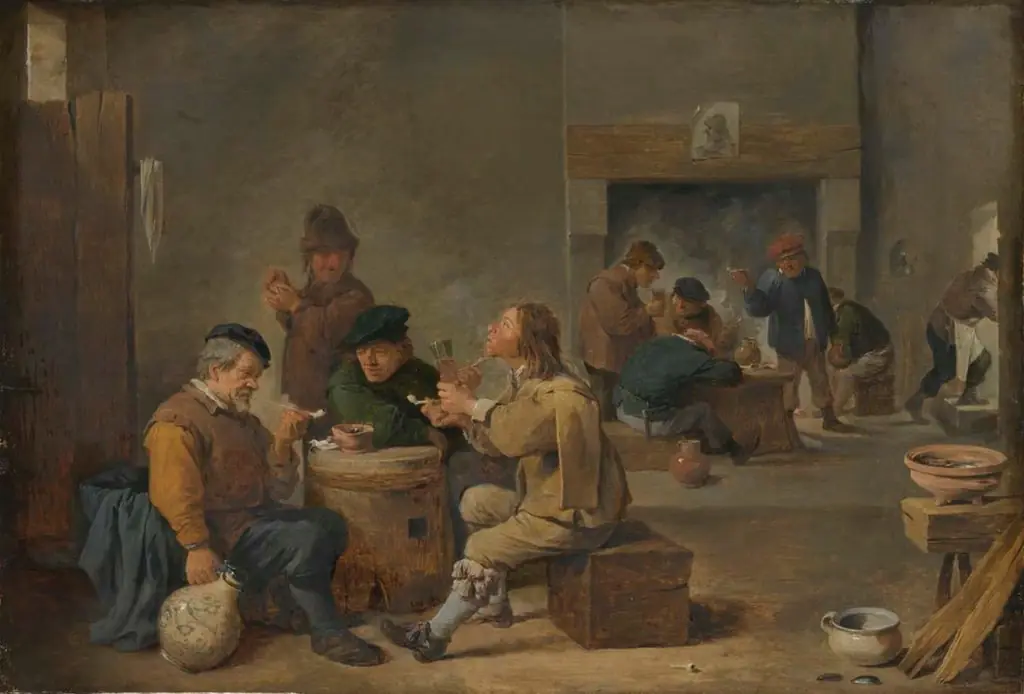
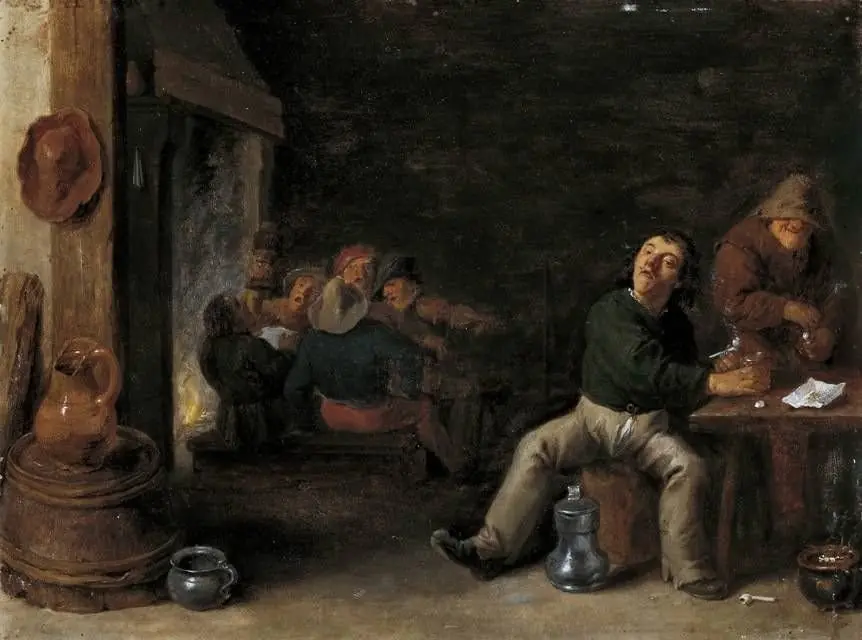
Three Peasants Seated is an oil painting by Adriaen van Ostade. It is held in the collection of the Victoria and Albert Museum.
About this work
Overview
The work is part of the collection at the Victoria and Albert Museum in London, where it exemplifies van Ostade’s interest in everyday peasant life.
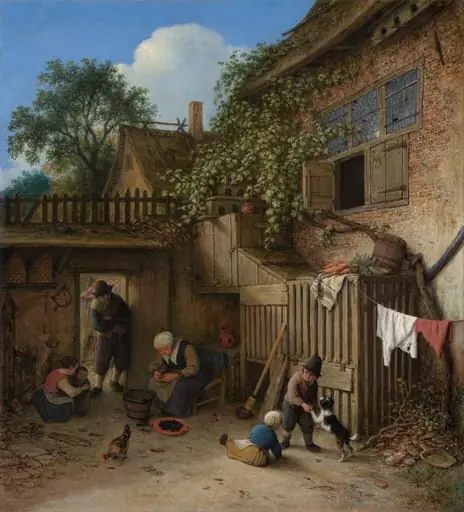
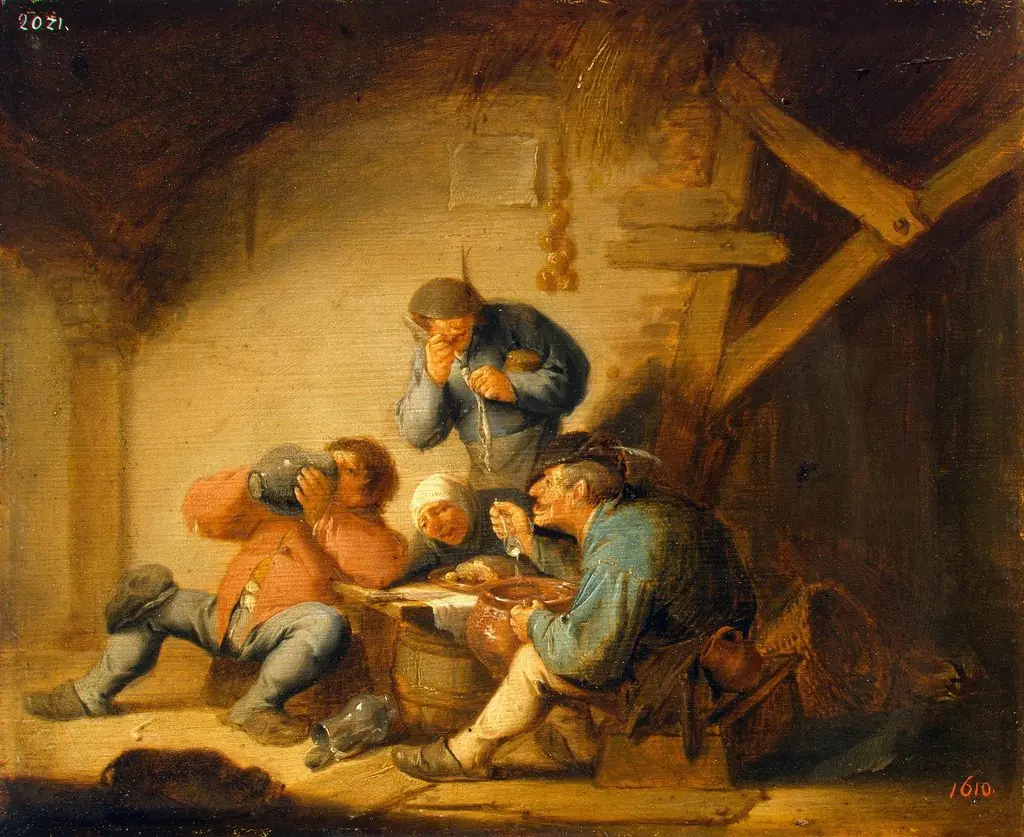
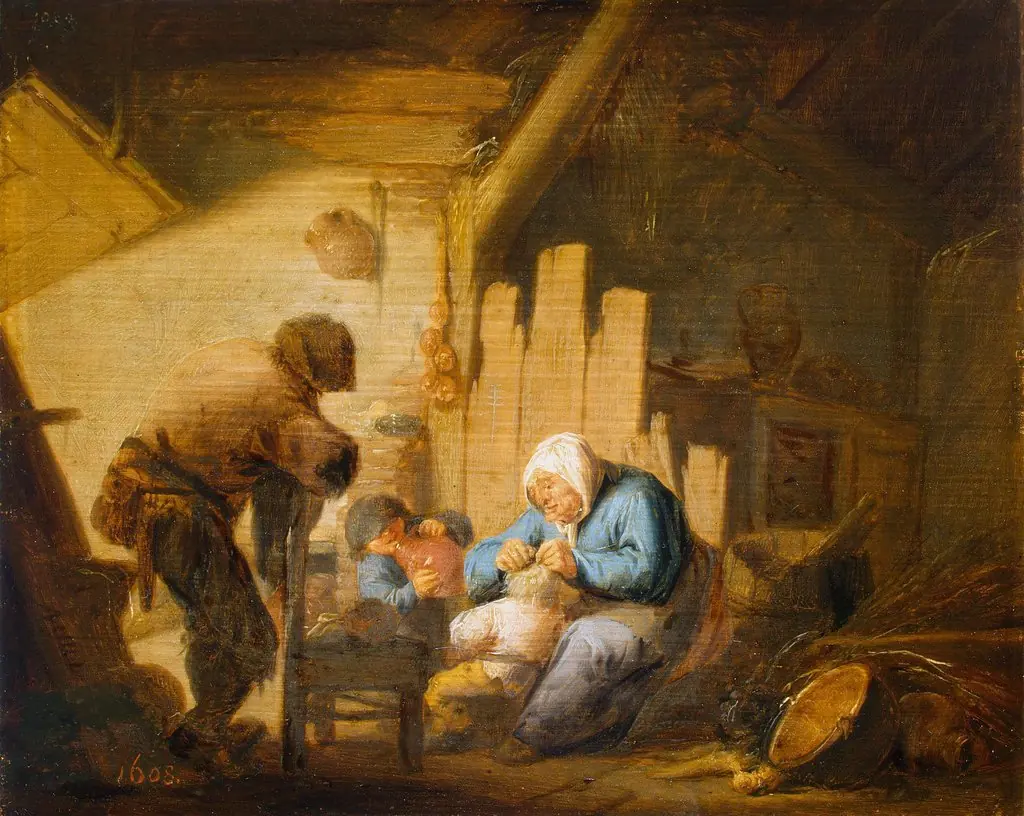
Three Peasants Seated is an oil painting by the Dutch artist Adriaen van Ostade, created during the 17th century. It portrays three rural laborers gathered in a quiet, intimate moment. The work is part of the collection at the Victoria and Albert Museum in London, where it exemplifies van Ostade’s interest in everyday peasant life. The composition is restrained, with no elaborate setting, focusing instead on human presence and subtle interaction.
Subject & Meaning
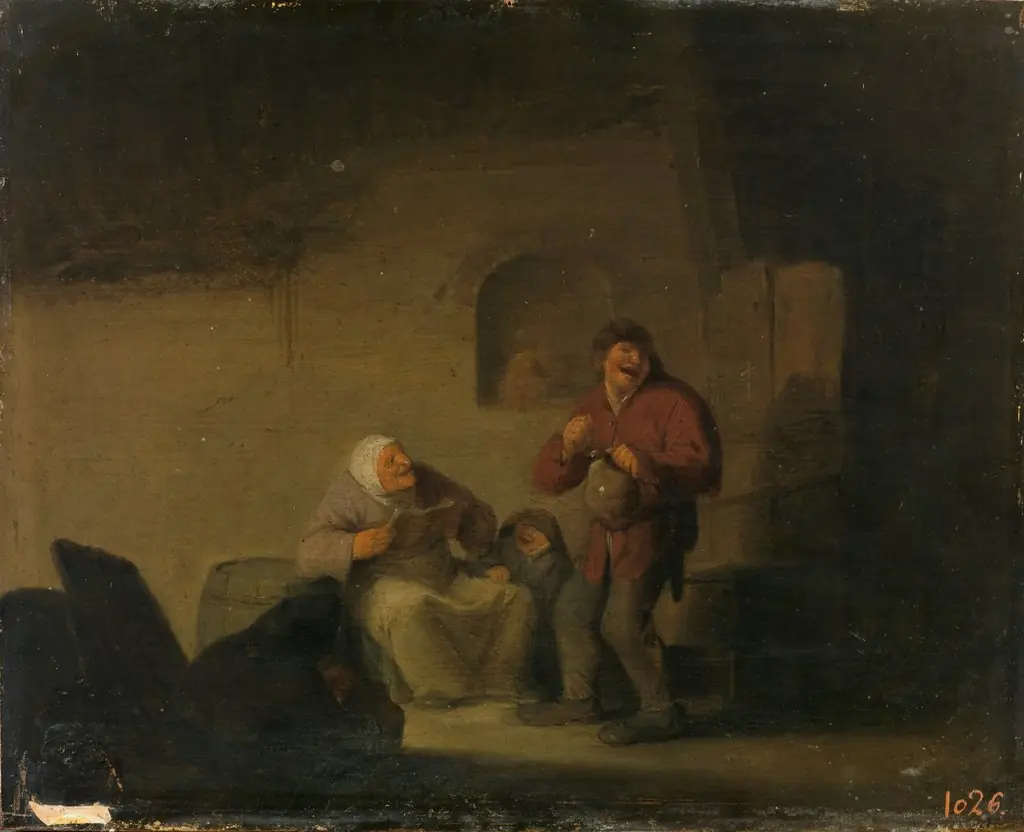
The painting captures three peasants in a moment of rest, their postures and glances suggesting quiet companionship rather than labor. One figure leans back, gazing upward, while the others face each other in quiet conversation. The absence of narrative action invites contemplation of ordinary life, reflecting a broader Dutch tradition of valuing humble, unidealized human experience. The scene conveys dignity in stillness, not spectacle.
Technique & Style
Van Ostade employs chiaroscuro to model the figures with soft, directional light from the left, enhancing the three-dimensionality of their forms. The dark, neutral background isolates the subjects, drawing attention to their gestures and facial expressions. Brushwork is restrained yet precise, with muted earth tones dominating the palette. The texture of worn clothing and weathered skin is rendered with subtle variation, avoiding theatricality in favor of quiet realism.
History & Provenance
The painting entered the Victoria and Albert Museum’s collection in the 19th century, likely through the broader acquisition of Dutch Golden Age works by British collectors. Its documented history prior to that is limited, but its style aligns with van Ostade’s output from the 1640s to 1660s. It has remained relatively unstudied compared to his more dramatic scenes, yet it exemplifies his quieter, observational approach to peasant subjects.
Context
During the Dutch Golden Age, genre scenes of rural life gained popularity among urban patrons seeking authenticity and moral reflection. Van Ostade, alongside artists like Rembrandt and Jan Steen, contributed to this trend by portraying peasants not as caricatures but as individuals with inner lives. This work reflects a cultural shift toward valuing modesty and quiet dignity over aristocratic grandeur.
Legacy
Three Peasants Seated stands as a quiet testament to van Ostade’s ability to elevate the mundane through careful observation. While less celebrated than his more animated compositions, it influenced later genre painters who sought emotional resonance in stillness. Its endurance in a major museum collection underscores its role in documenting the visual culture of everyday Dutch life during the 17th century.
Artist & collection
Artist
Adriaen van Ostade (baptized as Adriaen Jansz Hendricx 10 December 1610 – buried 2 May 1685) was a Dutch Golden Age painter of genre works, showing the everyday life of ordinary men and women.