Artwork
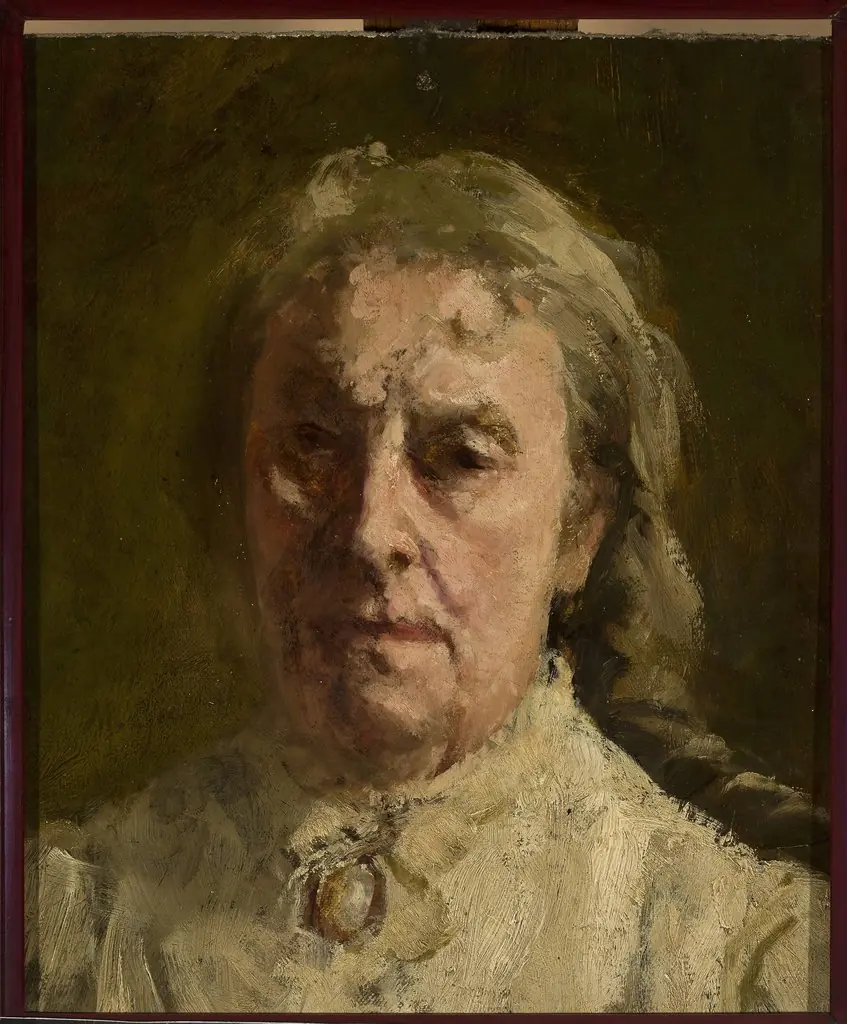
Study of a Nun
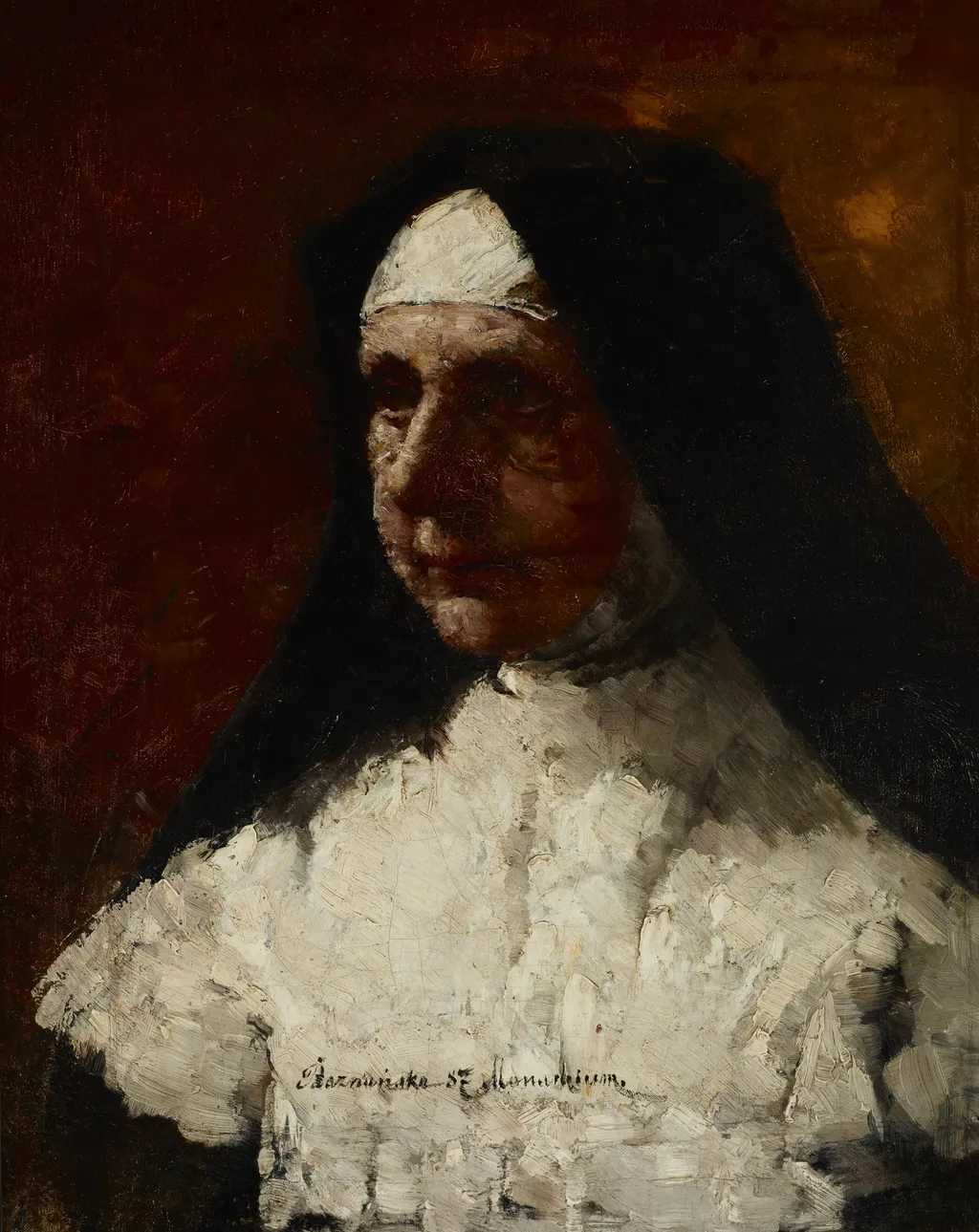
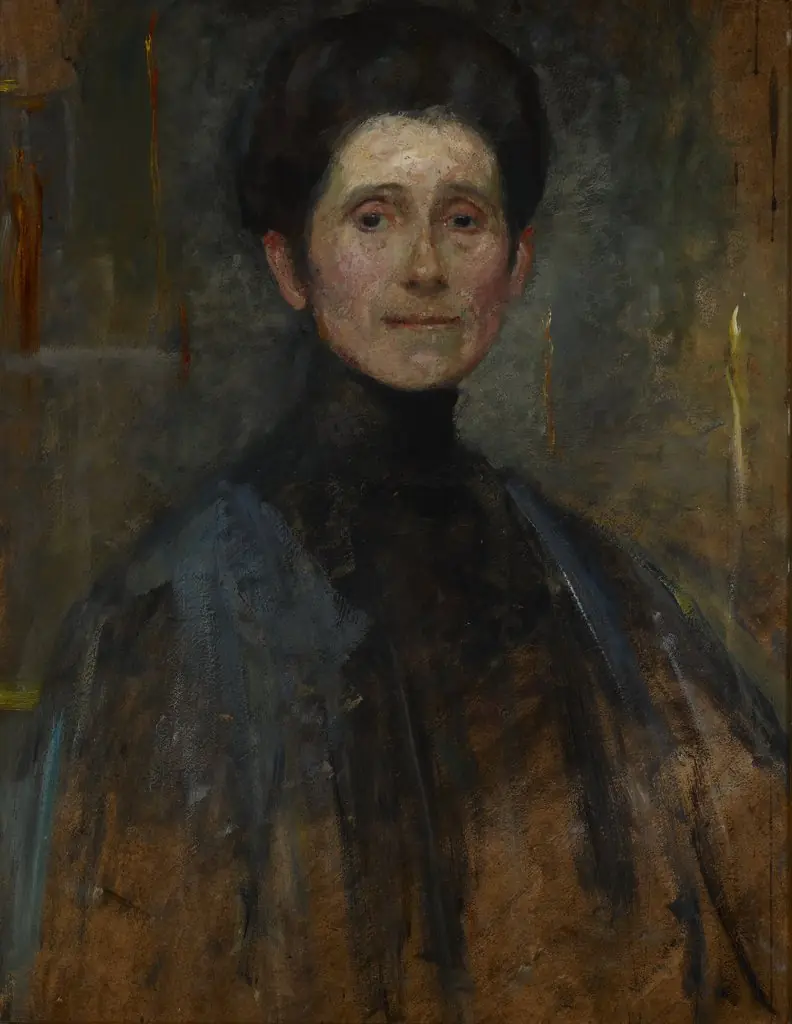
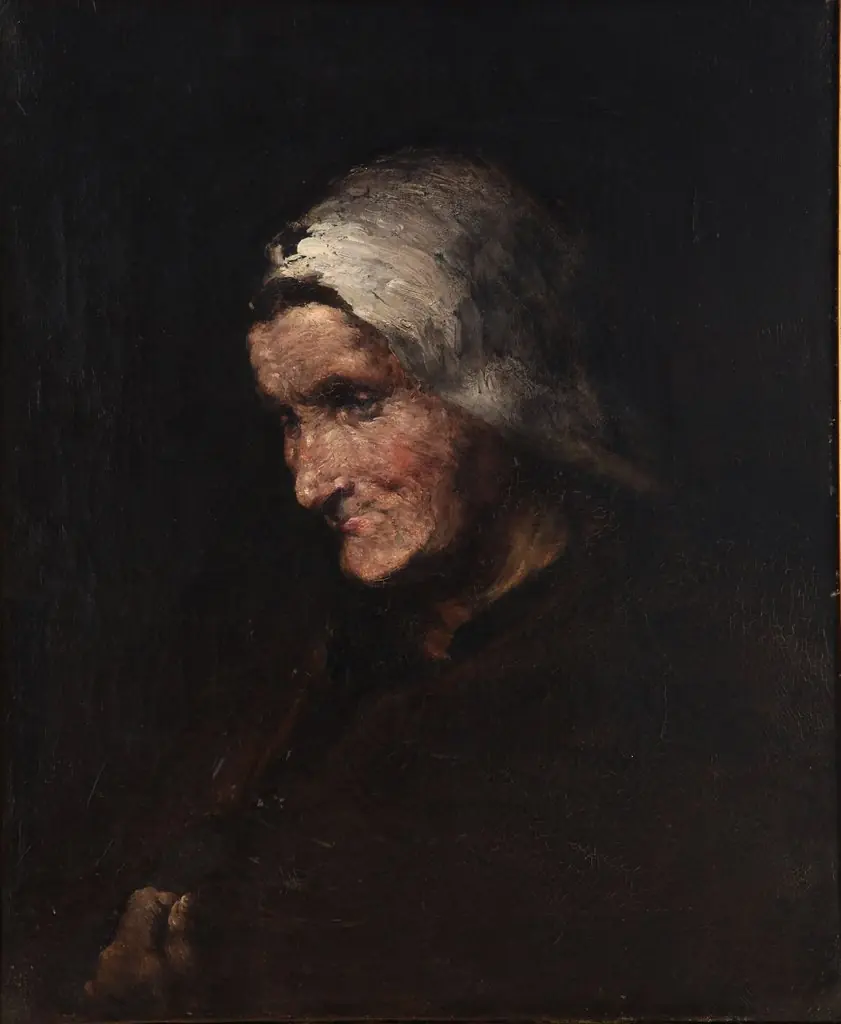
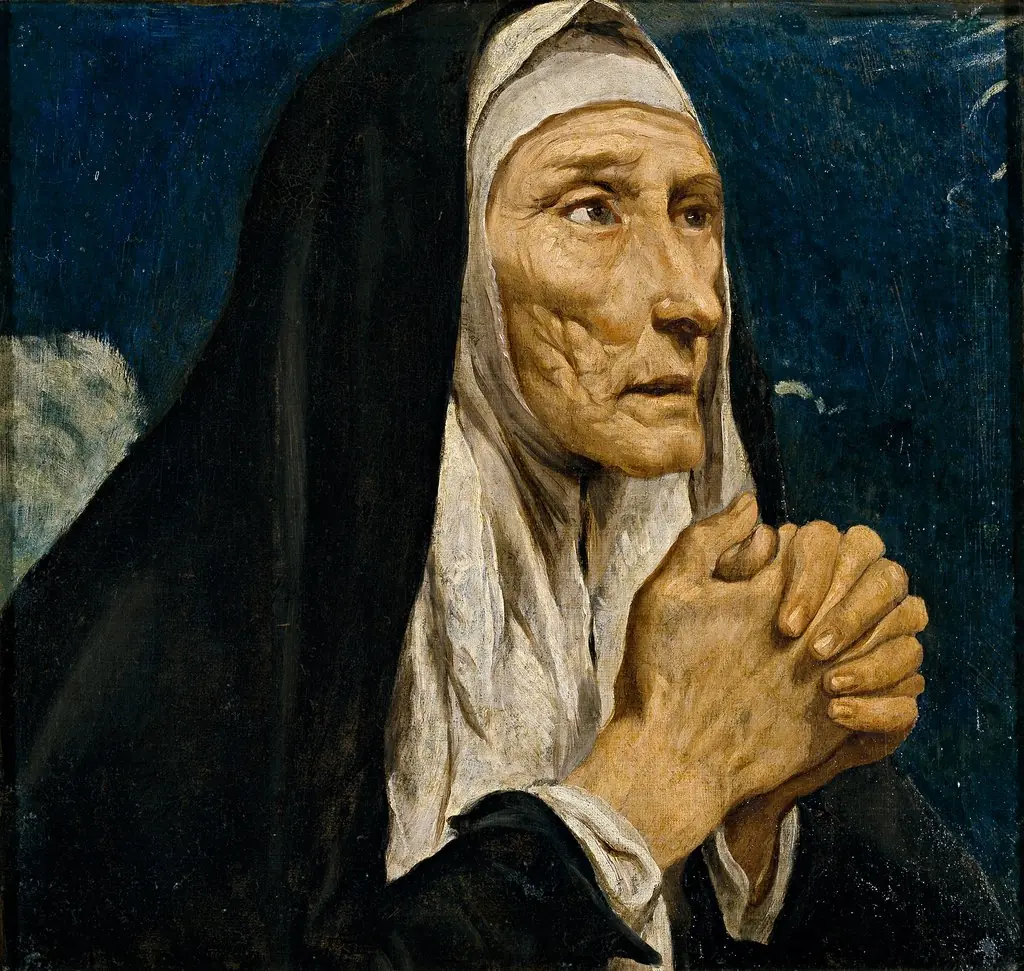
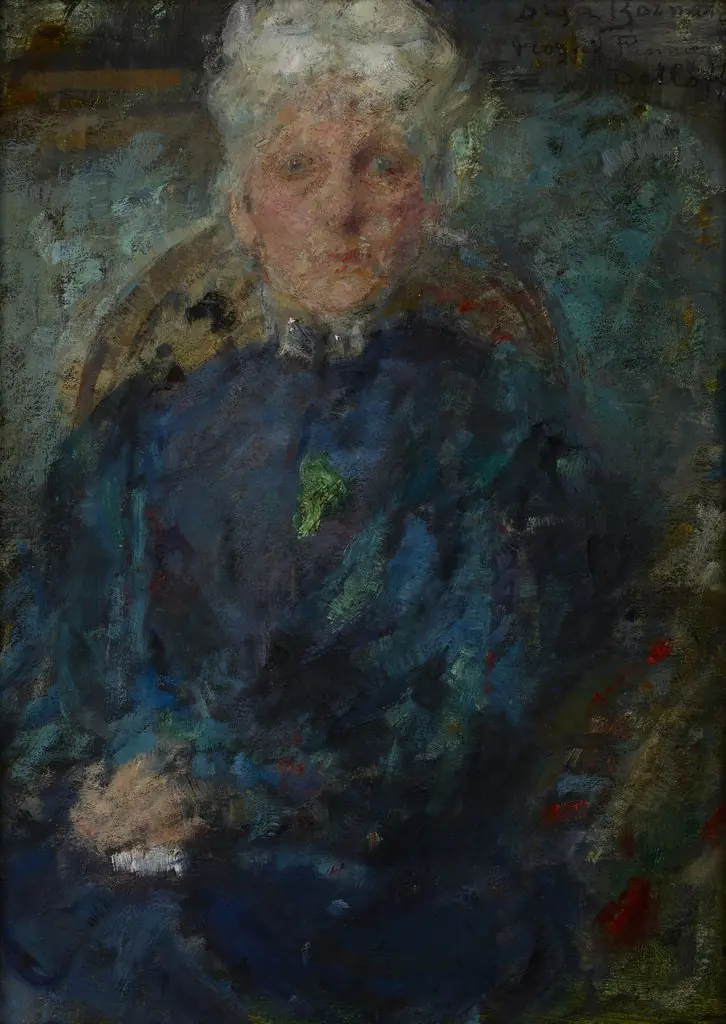
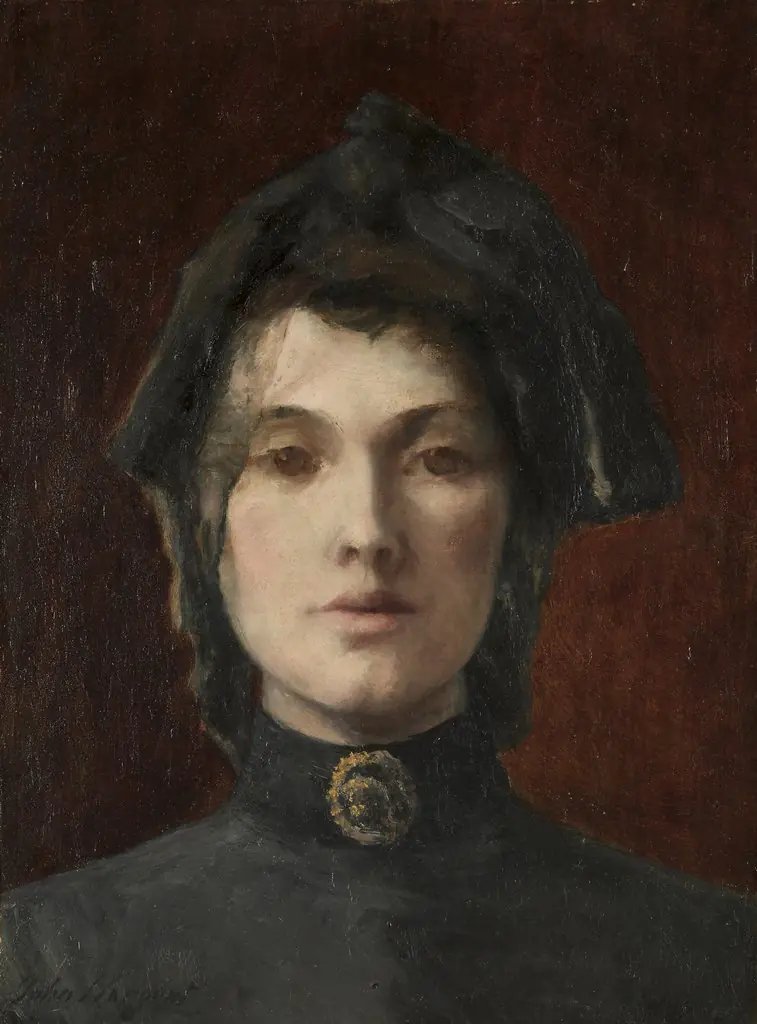
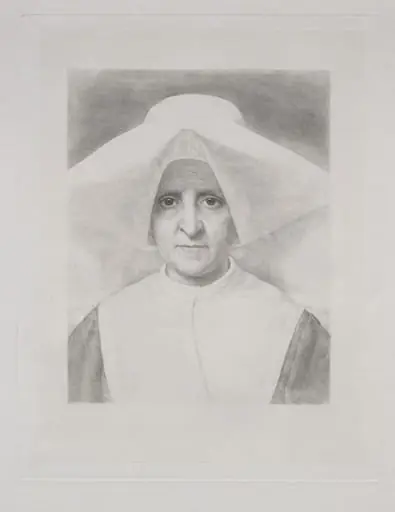
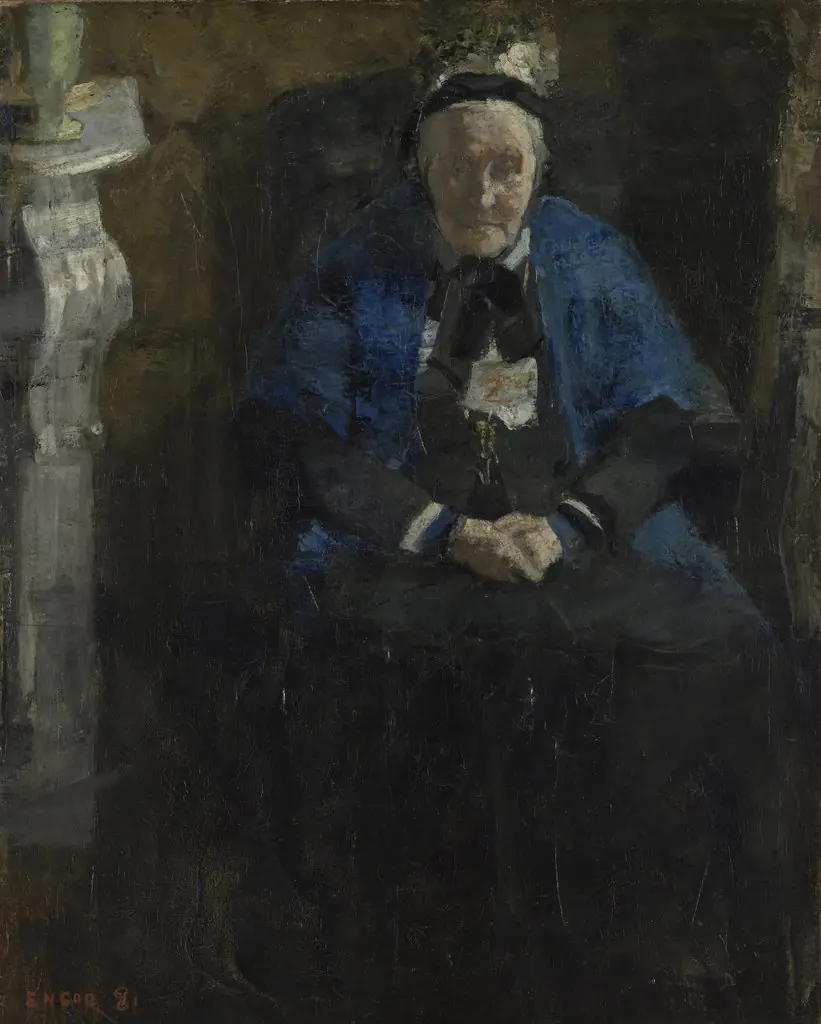
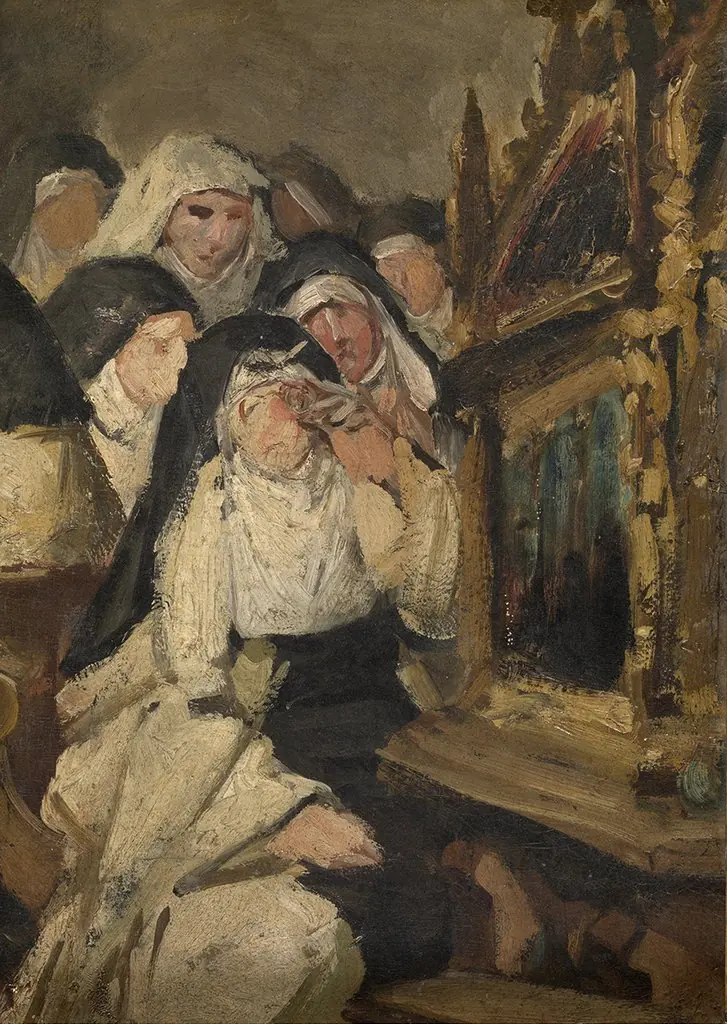
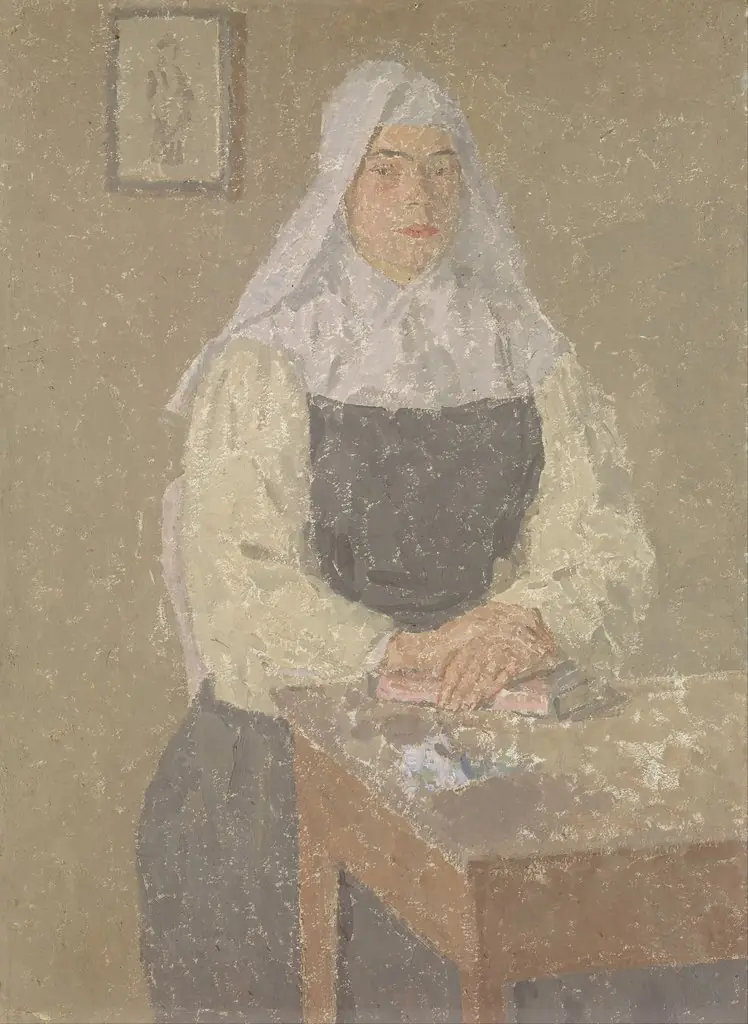
Study of a Nun is an oil painting by the Post-Impressionist artist Olga Boznańska. It dates from 1894 and is held in the collection of the National Museum in Kraków.
About this work
Overview
Painted in 1894 by Olga Boznańska, this oil portrait depicts a nun in quiet repose. The work is part of the collection at the National Museum in Kraków. Its restrained palette and intimate scale reflect a focus on inner presence rather than narrative detail. The painting stands as a quiet example of late 19th-century portraiture, emphasizing psychological depth over ornamentation.
Subject & Meaning
The subject is a nun, identified only by her attire: a dark habit and a white headdress. Her gaze is lowered, her expression neutral, suggesting introspection rather than devotion. Boznańska avoids religious symbolism, instead presenting the figure as a solitary individual. The absence of context invites viewers to consider the inner life of the sitter, not her role within an institution.
Technique & Style
Boznańska employs subtle gradations of tone to model the nun’s face, using soft transitions between light and shadow rather than sharp contrasts.
Boznańska employs subtle gradations of tone to model the nun’s face, using soft transitions between light and shadow rather than sharp contrasts. The brushwork is deliberate but unobtrusive, with textures rendered through layered glazes. The warm, muted background recedes gently, focusing attention on the figure’s stillness. The approach recalls chiaroscuro traditions but with a quieter, more intimate sensibility.
History & Provenance
Created in 1894, the painting entered the collection of the National Museum in Kraków shortly after its completion. It remained in Poland throughout the 20th century, surviving wartime displacement and political shifts. Its consistent presence in the museum’s holdings reflects its recognized significance within Polish art history, though it was never widely exhibited abroad.
Context
Boznańska worked during a period when portraiture in Poland was shifting toward psychological realism, away from academic idealism. Influenced by French naturalism and the muted palettes of the Hague School, she focused on solitary figures, often women. This painting aligns with her broader interest in capturing quiet, unposed moments of human presence, distinct from the dramatic or ceremonial.
Legacy
Though not widely known outside Poland, the painting exemplifies Boznańska’s distinctive approach to portraiture—subtle, restrained, and emotionally resonant. It has influenced later Polish artists interested in interiority and quiet observation. Its endurance in the National Museum’s collection underscores its role as a quiet benchmark in the evolution of modern Polish painting.
Own this work as a print
Artist & collection
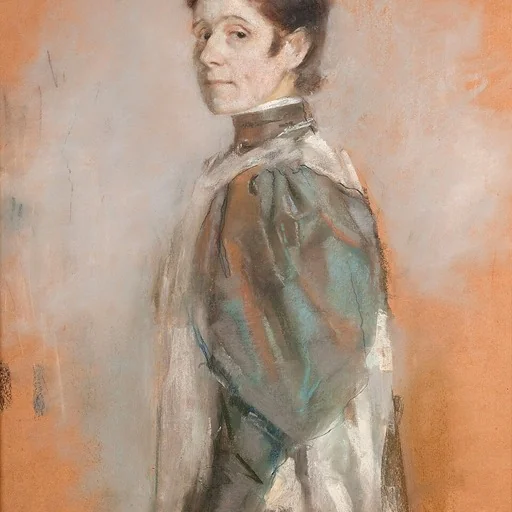
Artist
Olga Boznańska (15 April 1865 – 26 October 1940) was a Polish painter who was stylistically associated with the French impressionism, though she rejected this label.