Artwork
Absorb the Past; Abandon the Present
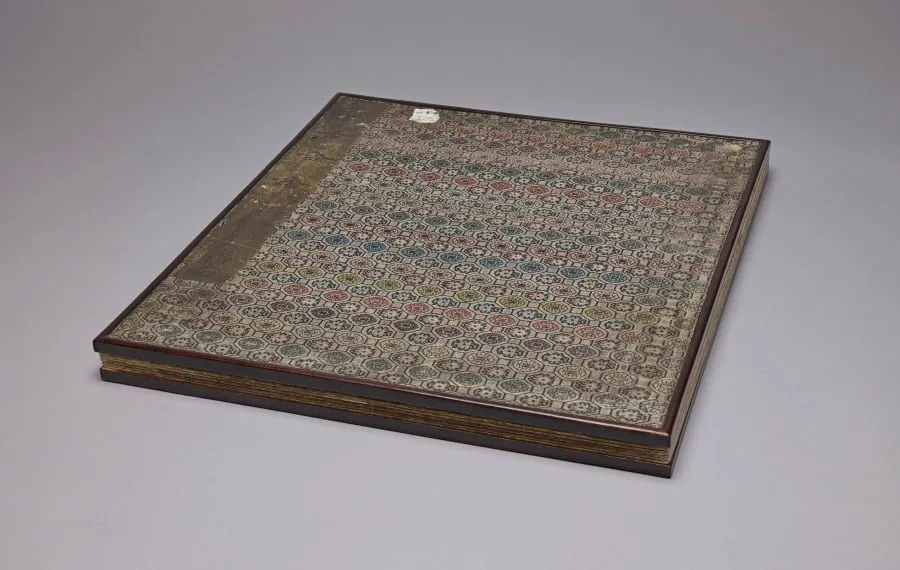
Absorb the Past; Abandon the Present is an unspecified painting by the Chinese Orthodox School artist Qian Huian. It dates from 1856 and is held in the collection of the Cleveland Museum of Art.
About this work
This painting shows a woman in pale pink robes, holding a fan and standing under a willow tree.
This painting shows a woman in pale pink robes, holding a fan and standing under a willow tree. Her face is soft, almost ghostly, and the background fades into mist.
Qian Hui’an painted this during the Taiping Rebellion, a brutal civil war in China. The title, *Absorb the Past; Abandon the Present*, hints at longing for an older, calmer time. The colors are light, like a memory.
To see more of this quiet, dreamy style, look up Qian Hui'an (Chinese, 1833–1911).
Overview
Created amid the turmoil of the mid‑nineteenth‑century Taiping Rebellion, this small canvas portrays a solitary woman in delicate pink garments, clutching a folding fan beneath a drooping willow. The figure is rendered with a translucent complexion, and the surrounding scenery dissolves into a hazy, mist‑filled backdrop, evoking a sense of quiet introspection.
Subject & Meaning
The lone female figure, poised in an ethereal pose, suggests a yearning for serenity and continuity with an idealized past. Her gentle demeanor and the soft, fading environment convey a retreat from the present chaos, reflecting a collective desire to seek refuge in cultural memory during a period of widespread conflict.
Technique & Style
The artist employs a restrained palette dominated by pale pinks and muted tones, allowing the composition to appear almost dreamlike. Brushwork is smooth and elongated, giving the woman's features a slightly exaggerated, otherworldly quality. The background is treated with atmospheric washes that blur outlines, reinforcing the painting's fleeting, memory‑like atmosphere.
History & Provenance
Painted by Qian Huian, an Shanghai‑based artist active between 1833 and 1911, the work was produced during the height of the Taiping Rebellion. It formed part of a series whose titles allude to the tension between historical nostalgia and contemporary upheaval, and it has remained in private collections before entering its current institutional setting.
Context
The mid‑1800s in China were marked by violent civil war, which disrupted traditional social structures and artistic patronage. Within this environment, Qian Huian’s focus on graceful women and mythic subjects offered a counterpoint to the surrounding disorder, using familiar cultural motifs to evoke stability and continuity.
Artist & collection


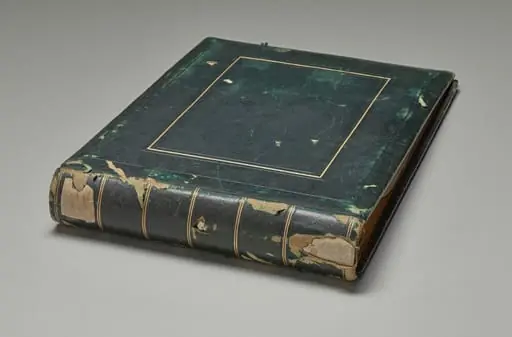 Album of 37 photographs
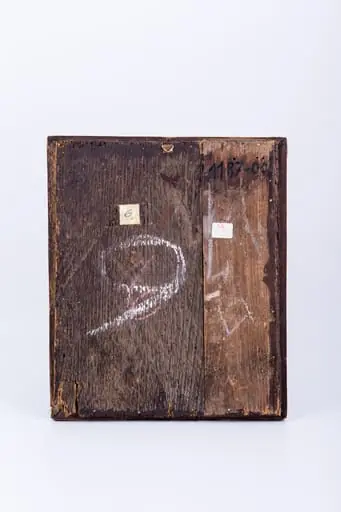 Dumnezeu-Fiul ține Crucea pe umărul drept, Dumnezeu-Tatăl are aureola triunghiulară, semn al Sfintei Treimi. Veșmintele sunt roșii vermillon cu albastru ultramarin. Deasupra este Sfântul Duh, sub forma porumbelului alb pogorât din Cerurile deschise, dintr-un soare roșu cu raze albastre, asemenea unei flori uriașe. Mandorla de nouri albi rotunzi este înlocuită, în această icoană, de soarele-floare, de unde se pogoară Sfântul Duh. În registrul superior, icoana este încadrată de un chenar decorativ format din elemente fitomorfe, ruje roșii cu frunze albastre bleumarin. În registrul inferior sunt mandorle de nouri rotunzi albi și albaștri bleuciel. Cromatica este armonioasă: roșu vermillon, albastru cobalt și bleumarin, bleu-ciel, ocru, gri, brun, bronziu, alb, negru. Este o icoană de Gherla, nuanțele de albastru sunt edificatoare. Ceea ce este atrăgător la această icoană este crochiul naiv de căsuță, desenată aproape ca de un copil, în centrul icoanei, asemenea unei chemări, deschideri și așteptări în Împărăția Cerurilor. Este o căsuță-fereastră, un petec de suflet luminos. Inscripția din româno-chirilică se traduce Sfânta Treime.
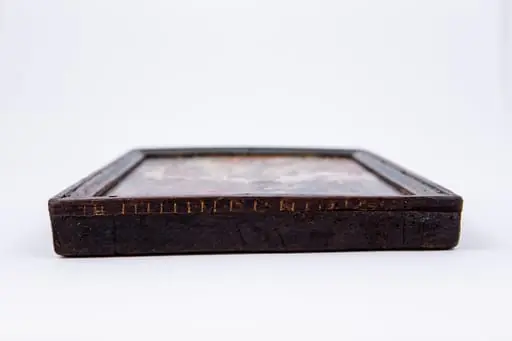 Icoana Schimbarea la Față reprezintă pentru teologia ortodoxă punctul-cheie în privința privirii și vederii Chipului Lui Dumnezeu. Compoziția iconografică Îl înfățișează pe Hristos stând nemișcat, învăluit în Slava și Pacea, izvorâte din El Însuși. Iisus Hristos este străjuit de Sfântul Mare Proroc Ilie Tesviteanul în stânga și de Profetul Moise, în dreapta. Mântuitorul Iisus Hristos între cei doi Moise și Ilie formează un cerc perfect, ce se află sub vălul de lumină necreată, Lumina Sfântului Duh. În registrul inferior, în contrast cu nemișcarea registrului superior, se remarcă dinamismul celor trei martori ai Schimbării la Față a Mântuitorului Iisus Hristos: Petru, Iacob și Ioan. Veșmintele sunt realizate în combinație de gri cu roșu, gri cu albastru, gri cu galben-ocru. Mandorlele de nouri albi rotunzi, pufoși despart și unesc registrele. Mântuitorul Iisus Hristos este deasupra vârfului Muntelui Tabor al Galileii. Cromatica este picturală și armonioasă: alb, galben, auriu, ocru, albastru bleu-ciel, brun, cafeniu, negru. Icoana este semnată - semnătură indescifrabilă și datată 20 oct 1831. Inscripția din româno-chirilică se traduce: Schimbarea la Față.
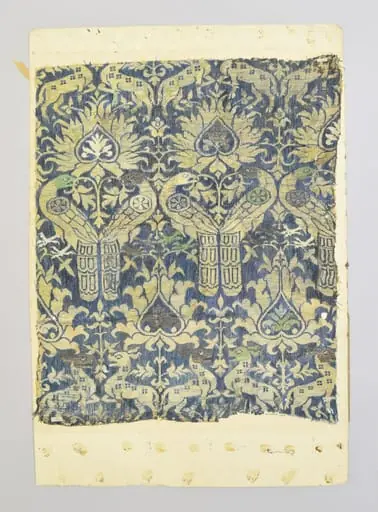 Untitled
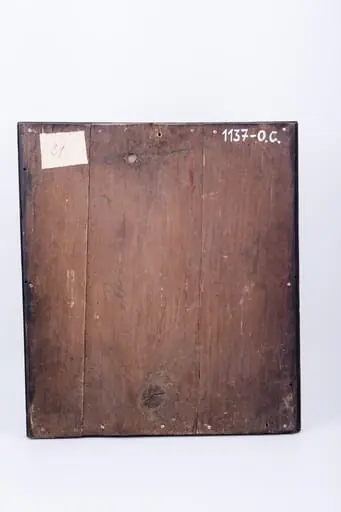 Maica Domnului Împărăteasă a Cerurilor, pe tron așezată, ține Pruncul Iisus Hristos, în brațe. Maica Domnului este îmbrăcată cu mantie cu maforion brun, cu interiorul căptușit cu verde închis. Poartă aureolă și coroniță roșie de împărăteasă. Pruncul Iisus Hristos este îmbrăcat cu gri și verde închis, are aureolă și binecuvântează cu mâna dreaptă. În registrul superior sunt ocrotitori și păzitori Sfinții Arhangheli Mihail și Gavriil, sprijinindu-se cu mâinile de cele două turnulețe - elemente decorativ geometrizante din structura arhitecturală a bogatului tron arhieresc al Maicii Domnului Împărăteasă. În registrul superior sunt Sfântul Mare Evanghelist Luca, cel care a pictat-o pentru prima dată pe Maica Domnului cu Pruncul Iisus Hristos. Sfântul Evanghelist Luca apare împreună cu simbolul reprezentativ - vițelul - Parabola Întoarcerii Fiului risipitor. În cealaltă parte este Sfântul Evanghelist Ioan, cu vulturul, asemenea căruia se înalță în zbor Cuvântul Dumnezeiesc, fiind Teologul Iubirii. Cromatica este armonioasă, caldă și luminoasă: roșu vermillon, verde spanac-avocado, ocru, brun, gri, alb, negru. Inscripția din româno-chirilică se traduce Maica Domnului MP Iisus Hristos IC XC. Icoana este încadrată de un chenar decorativ geometrizant, pe laterale, ca două panglici late, cu ghirlande de flori mari, de culoare verde-gri. Icoana este datată 1866. Icoana este a lui Savu Moga, din Arpașu de Sus, Țara Făgărașului.
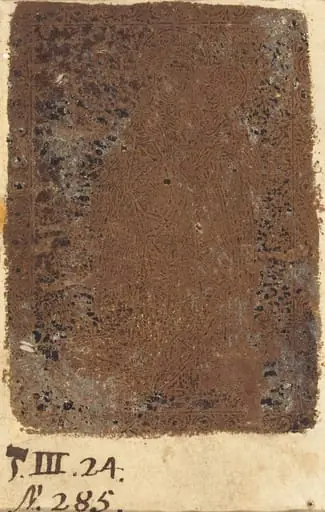 Madonna and Child
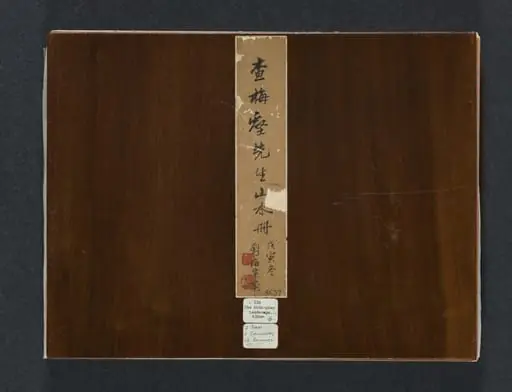 Album of Seasonal Landscapes
 Scena Cinei celei de Taină se desfășoară într-un interior sugerat de elemente arhitectonice, coloane, candelabru, candele. În centrul icoanei este Mântuitorul Iisus Hristos binecuvântând mâncarea, la masă, alături de ucenici și apostoli. Cu brațul stâng îl ține lipit de piept pe Ioan cel iubit. Pe masă sunt așezate un potir pentru vin și tacâmuri și farfurioare mici.Personajele au chipurile expresive, veșmintele personajelor și faldurile feței de masă, cât și draperiile sunt pictate cu măiestrie de pictor. Veșmintele sunt predominant roșii. Cromatica este armonioasă și echilibrată, pornindu-se gradual dinspre exterior înspre interior, de la albastru spre alb, ajungându-se la albul luminos al mesei celor dăruite. Compoziția este încadrată de elemente de arhitectură, coloane, arcade, creându-se, astfel, intimitatea Cinei celei de Taină. Totul este concentric, strângându-se în jurul Potirului. Elemente de arhitectură se întrezăresc printre cele 5 coloane. Se întrezărește o cruce formată din axa verticală Potirul și candela și cea orizontală - brațele Îmbrățișării Mântuitorului - Dragostea jertfelnică atotcuprinzătoare. Icoana este a lui Savu Moga, din Arpașu de Sus, Țara Făgărașului. Icoana este datată 1877. Inscripția din româno-chirilică se traduce Cina cea de Taină.
 Peisaj
 Icoana este segmentată în patru ferestre, icoană cruce, reprezentându-i pe Sfântul Mare Mucenic Gheorghe purtător de biruință, de două ori, pe diagonală, pe Sfântul Mare Ierarh Nicolae făcător de minuni și vindecător de boli, pe Sfânta Mare Cuvioasă Parascheva, de la Iași. Au veșminte roșii vermillon, epitrahilul Sfântului Nicolae este verde smarald, fondul Sfintei Parascheva este orange, fondul Sfântului Gheorghe din dreapta registrul inferior este verde. Întreaga tematică iconografică este încadrată de un chenar decorativ geometrizant, dantelat, din foiță aurie. Registrul superior are fondul albastru ultramarin, iar registrul inferior fondul este rozaliu pal. Interiorul crucii este un rotund verde-absint. Icoana excelează prin combinațiile cromatice luminoase și foarte vii. Inedită este și prezența dublă, în ipostasuri diferite, pe diagonală, a Sfântului Mare Mucenic Gheorghe. Icoana este de Țara Oltului. Are rama colorată în cafeniu și roșu, în interior. Inscripția din româno-chirilică se traduce SF Gheorghe Sf Nicolae Sf Parascheva Sf Gheorghe.