Artwork
Two people walking
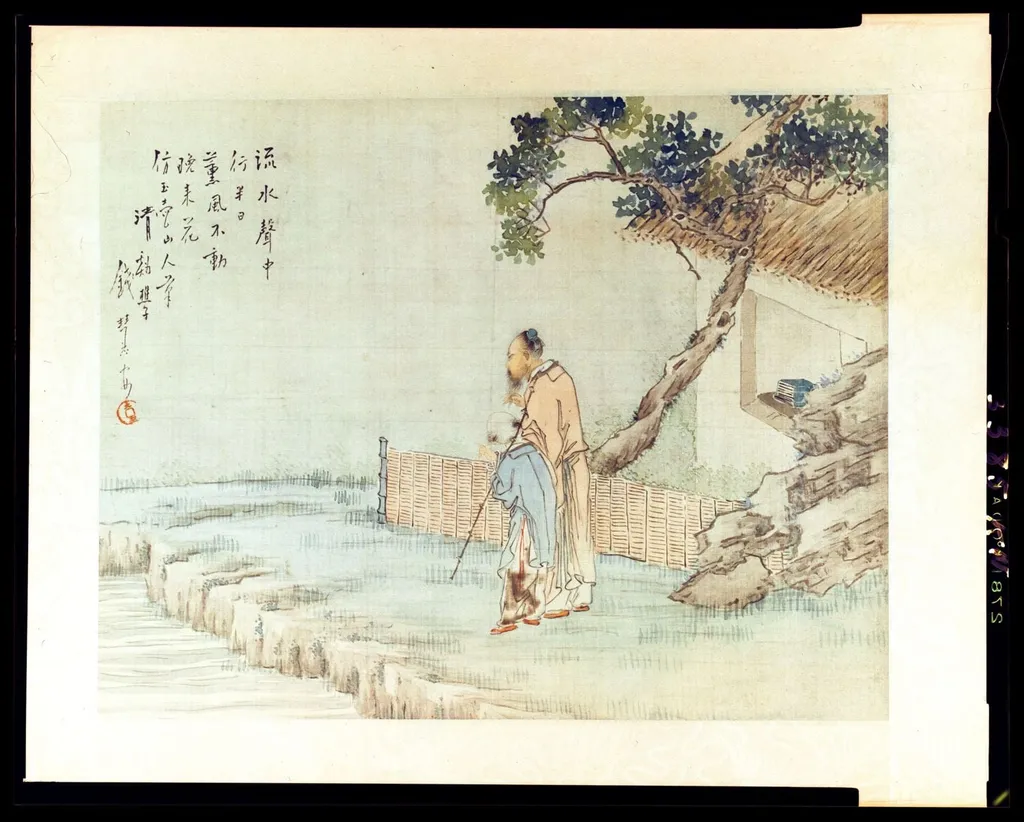
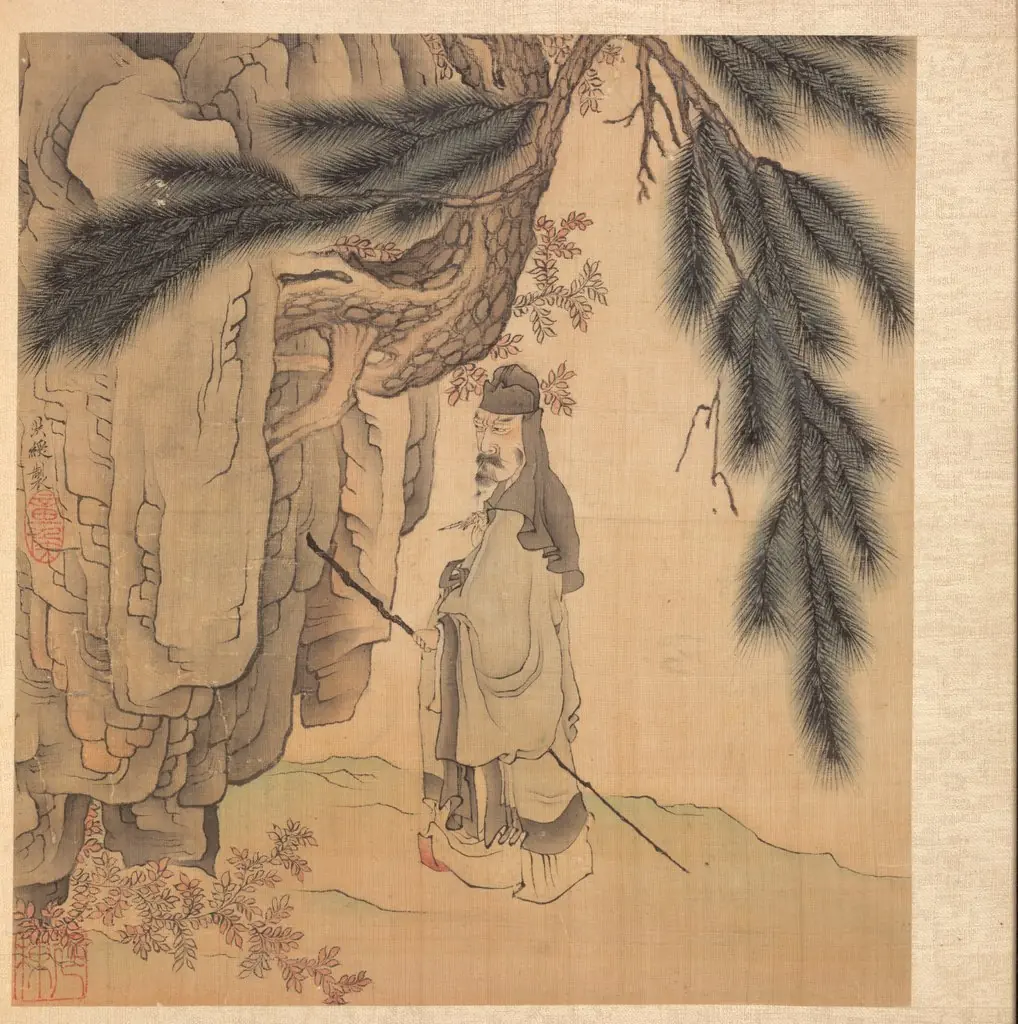
Two people walking is a photography by the Romanticist artist Qian Hui' an. It dates from 1833. Painted in 1833 by Qian Hui'an, this ink-and-color work depicts a quiet stroll along a riverbank.
About this work
Overview
Painted in 1833 by Qian Hui'an, this ink-and-color work depicts a quiet stroll along a riverbank. It is part of the collection at the Museum of Ethnography. The composition captures a moment of everyday movement, rendered with restrained elegance. The artist's use of muted tones and fluid brushwork suggests a contemplative mood, typical of late Qing dynasty literati painting traditions.
Subject & Meaning
The scene portrays an elderly figure, leaning on a staff and wearing a long robe, accompanied by a younger companion who holds their hand. The relationship suggests familial or mentorship bonds, common themes in Confucian-influenced art. The calm river and lined path imply harmony between human activity and nature, reflecting ideals of quiet dignity and generational continuity.
Technique & Style
Qian Hui'an employed soft, diluted pigments and loose, expressive brushstrokes to evoke atmosphere rather than detail. The trees and fence are suggested with minimal lines, while the water is rendered in gentle washes. Calligraphic inscriptions at the top, in classical Chinese, complement the image, anchoring the scene in literary tradition and personal reflection.
History & Provenance
The painting was created during the Daoguang reign of the Qing dynasty, a period marked by cultural introspection amid political change. It entered the Museum of Ethnography’s collection through documented acquisition, likely from a private Chinese collection in the early 20th century. Its preservation reflects early institutional interest in non-Western artistic practices.
Context
Qian Hui'an worked within the literati painting tradition, where art served as a vehicle for personal expression rather than public display. This work aligns with contemporaneous trends favoring subdued palettes and intimate subjects over grand narratives. Unlike Western Romanticism, its emotional tone arises from restraint and suggestion, rooted in Daoist and Confucian aesthetics.
Legacy
The painting contributes to the understanding of 19th-century Chinese visual culture, particularly how daily life was framed through poetic and moral lenses. It remains a reference for scholars studying the evolution of ink painting beyond imperial court styles. Its presence in a museum of ethnography underscores its role as a cultural artifact, not merely an aesthetic object.
Artist & collection
Artist
Photography in the 1830s was brand new, and Qian Hui'an's two pictures show why people were stunned.
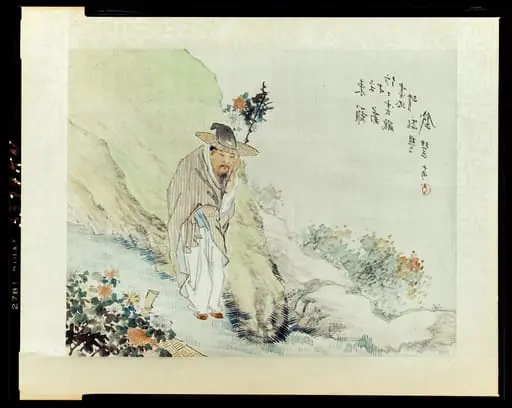 Homme descendant une colline
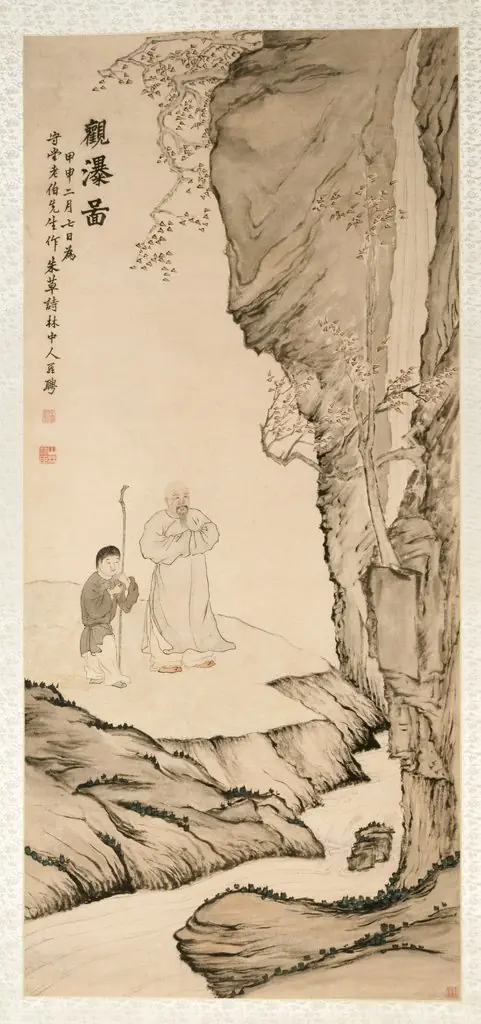 Scholar Watching the Waterfall
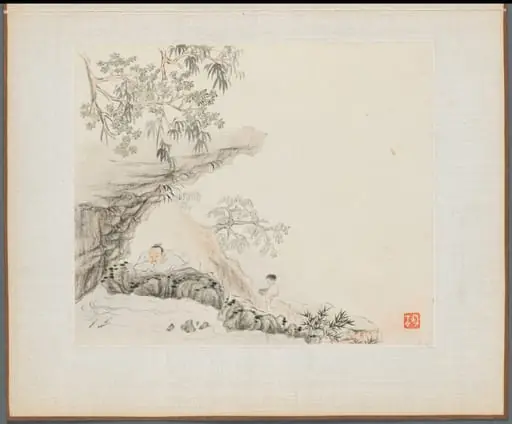 Album of Landscape Paintings Illustrating Old Poems: Scholar watching Fish
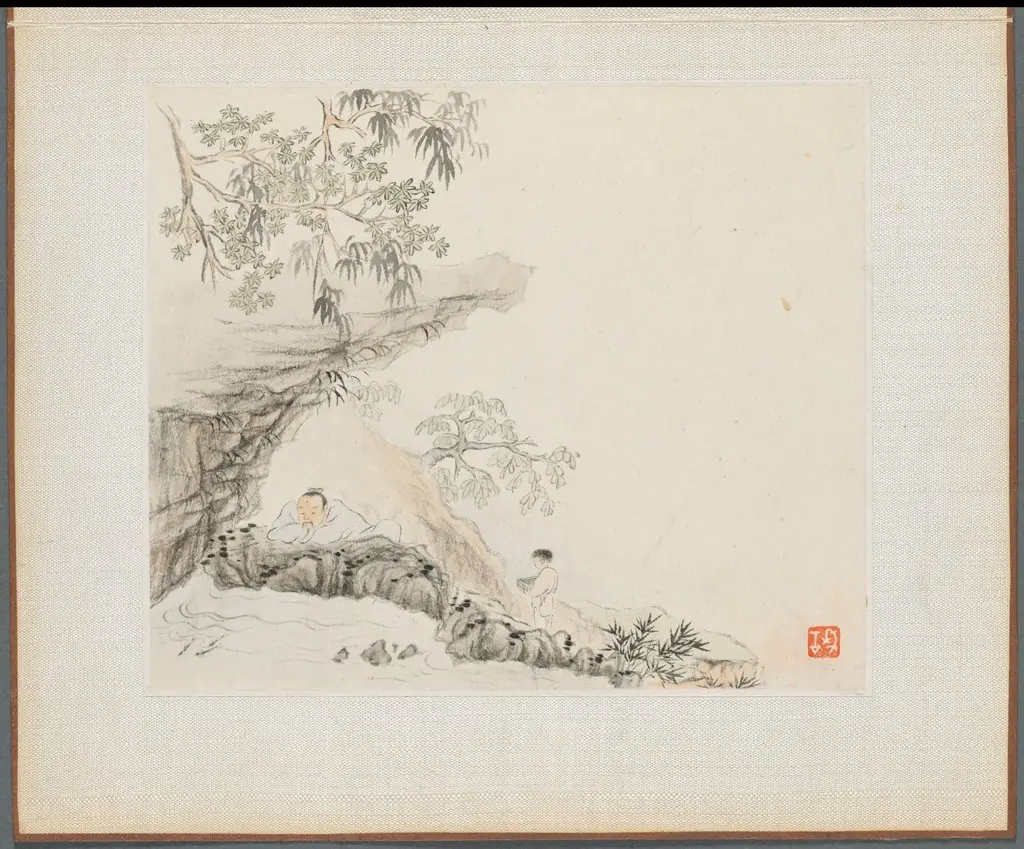 Album of Landscape Paintings Illustrating Old Poems: Scholar watching Fish
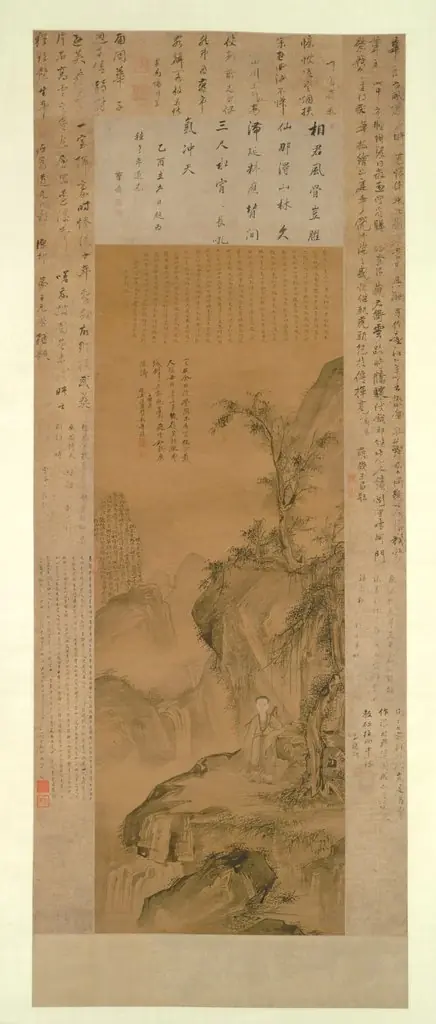 Layered Peaks and Splashing Waterfall: Portrait of Hua Yan as a Young Man
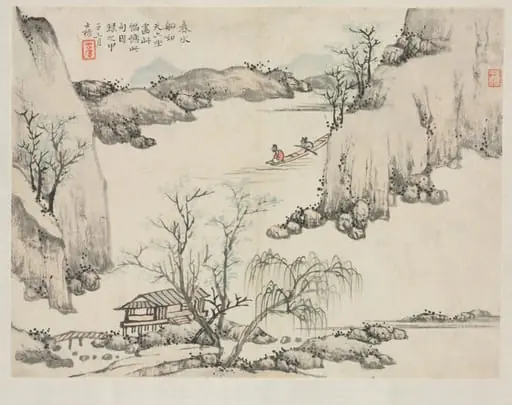 Landscape Album in Various Styles: Boating in Spring Water
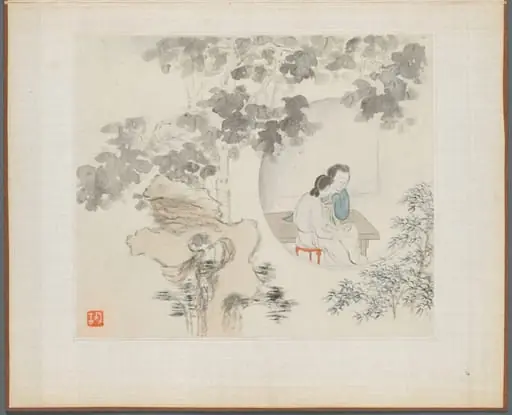 Album of Landscape Paintings Illustrating Old Poems: Two Women with Needlework in a Garden
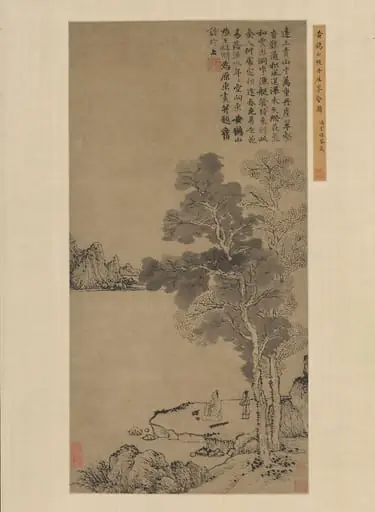 元 王蒙 丹崖翠壑圖 軸|Red Cliffs and Green Valleys
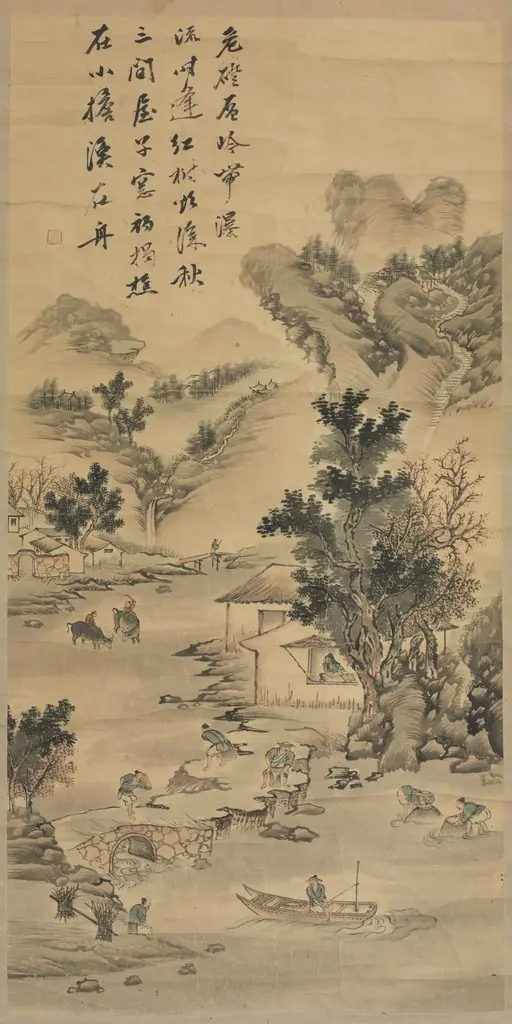 Landscape
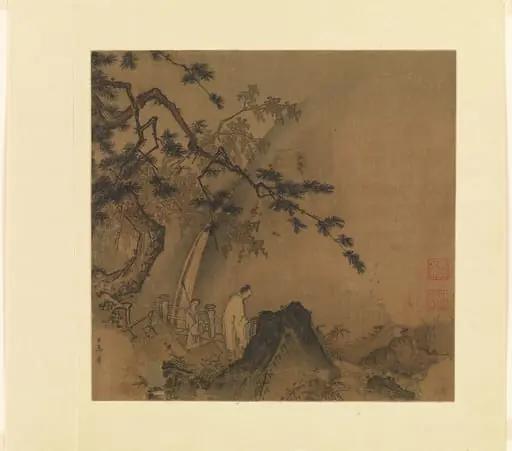 南宋 馬遠 高士觀瀑圖 冊頁 絹本|Scholar viewing a waterfall
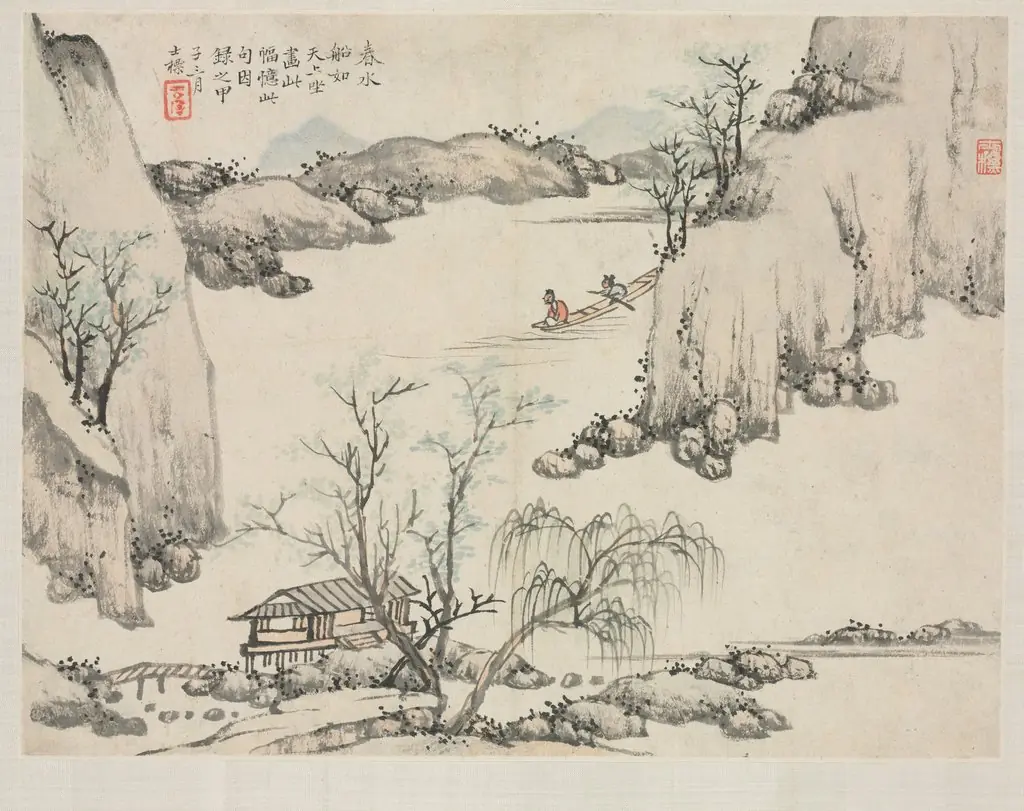 Landscape Album in Various Styles: Boating in Spring Water
 Paintings after Ancient Masters: Scholar with Staff and Brush