Artwork
Album of Landscape Paintings Illustrating Old Poems: Scholar watching Fish
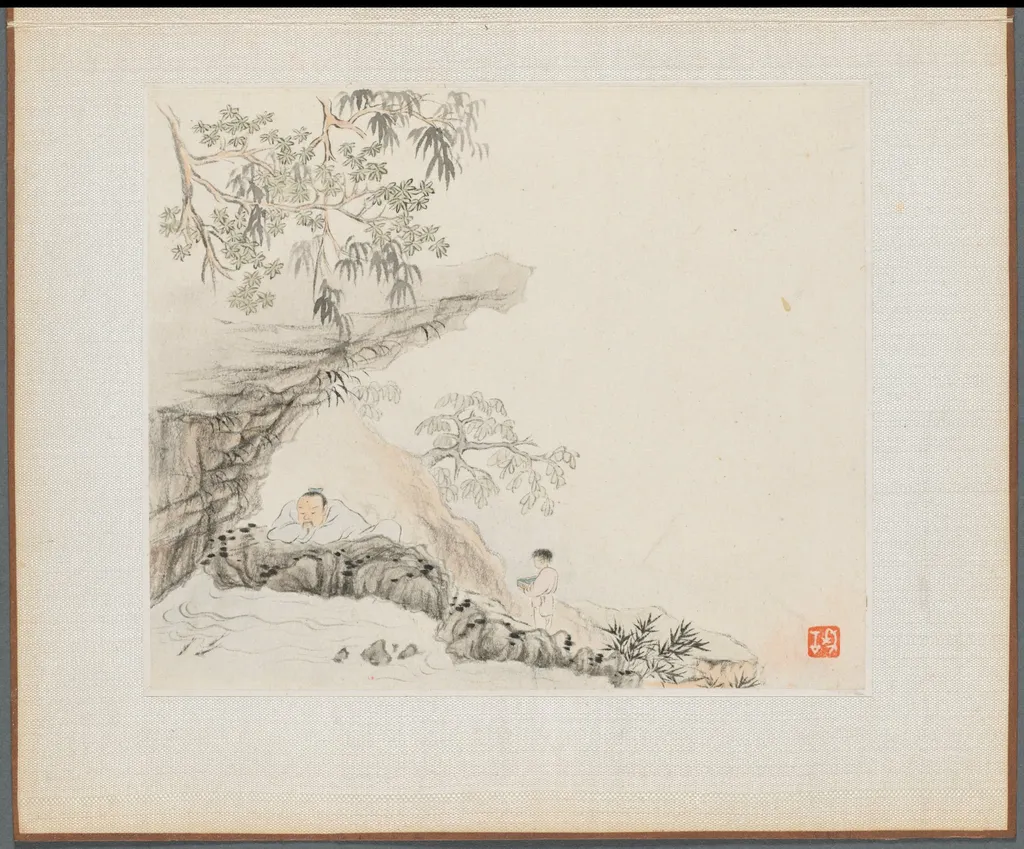
Album of Landscape Paintings Illustrating Old Poems: Scholar watching Fish is an unspecified painting by the Baroque artist Hua Yan. It dates from 1745 and is held in the collection of the Cleveland Museum of Art.
About this work
Overview
The work is part of the collection at The Cleveland Museum of Art, acquired as a representative example of Qing dynasty scholarly painting traditions.
Created in 1745 by Hua Yan, this ink-and-color painting is one of a series illustrating classical poetry through landscape imagery. It belongs to a bound album format common among literati artists, where each page pairs visual interpretation with literary allusion. The work is part of the collection at The Cleveland Museum of Art, acquired as a representative example of Qing dynasty scholarly painting traditions.
Subject & Meaning
The scene depicts a scholar seated alone on a rocky ledge, gazing quietly at fish beneath the water’s surface. This motif draws from Daoist and Confucian ideals of quiet contemplation and harmony with nature. The scholar’s stillness suggests introspection rather than action, aligning with poetic traditions that valorize patience and observation over ambition. The fish, often symbols of freedom or elusive truth, deepen the meditative tone.
Technique & Style
Hua Yan employs soft, layered brushwork to suggest atmospheric depth and subtle texture. Muted pigments—soft greens, grays, and ochres—create a hushed tonality, while delicate ink washes define distant trees and water ripples. The composition avoids dramatic contrasts, favoring gentle transitions between foreground and background. Fine lines outline the scholar’s robe and hat, grounding the figure without disrupting the scene’s tranquility.
History & Provenance
The album was likely compiled for private scholarly use, circulated among literati circles in 18th-century Jiangnan. Its journey to The Cleveland Museum of Art is undocumented prior to its 20th-century acquisition, though its condition and style suggest careful preservation. The album format implies it was handled intentionally, not displayed publicly, reflecting its role as an intimate artistic and literary experience.
Context
Hua Yan worked during a period when literati painters revived classical poetic themes to assert cultural identity amid Qing imperial rule. His work responds to earlier Song and Yuan traditions, emphasizing personal expression over courtly grandeur. This painting reflects a broader trend: using nature scenes to evoke ancient verses, allowing viewers to engage with literary heritage through visual quietude.
Legacy
The painting endures as a quiet testament to literati aesthetics, where restraint and allusion carry more weight than spectacle. It continues to inform modern understandings of how Chinese artists translated poetry into visual rhythm. While not widely reproduced, it remains a reference point in studies of Qing-era ink painting and the enduring link between literature and landscape in East Asian art.
Artist & collection

Artist
Hua Yan simplified Chinese: 华嵒; traditional Chinese: 華嵒; pinyin: Huà Yán; Wade–Giles: Hua Yen; courtesy name Qiu Yue (秋岳), sobriquets Xinluo Shanren (新罗山人), Dong Yuan Sheng (东园生), Buyi Sheng (布衣生), Ligou Jushi (离垢居士)and…

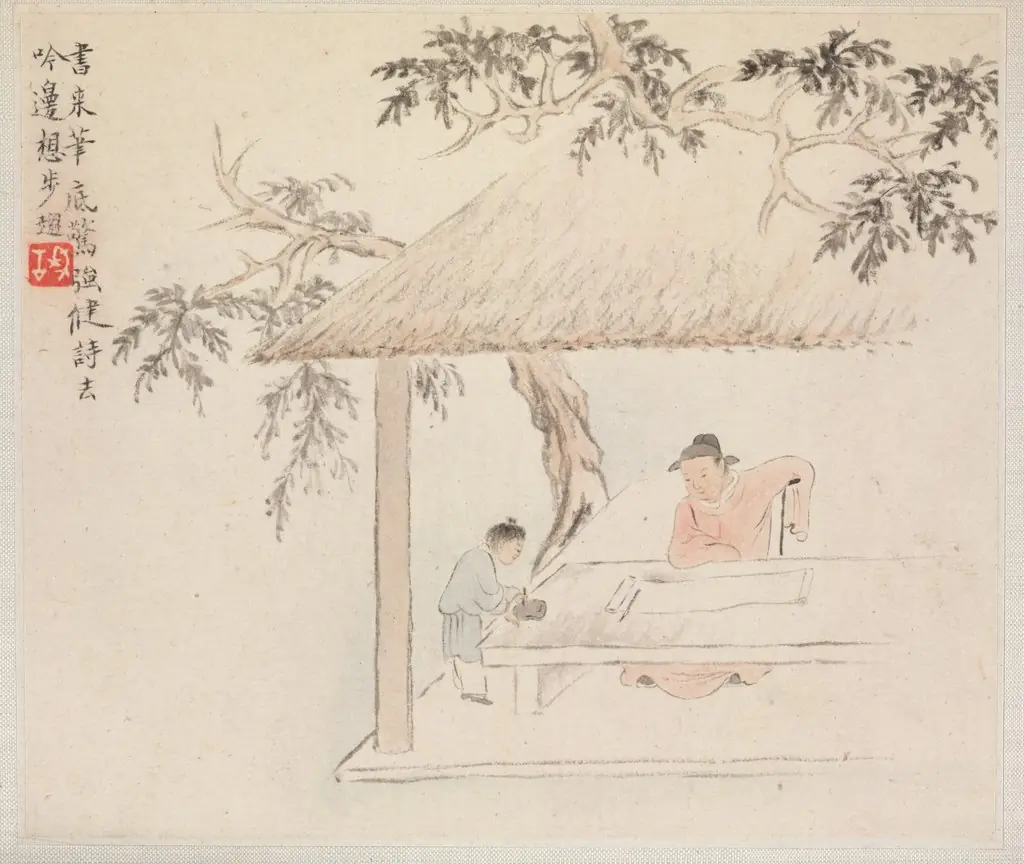 Album of Landscape Paintings Illustrating Old Poems: A Scholar at a Table with a Servant aside Preparing the Ink
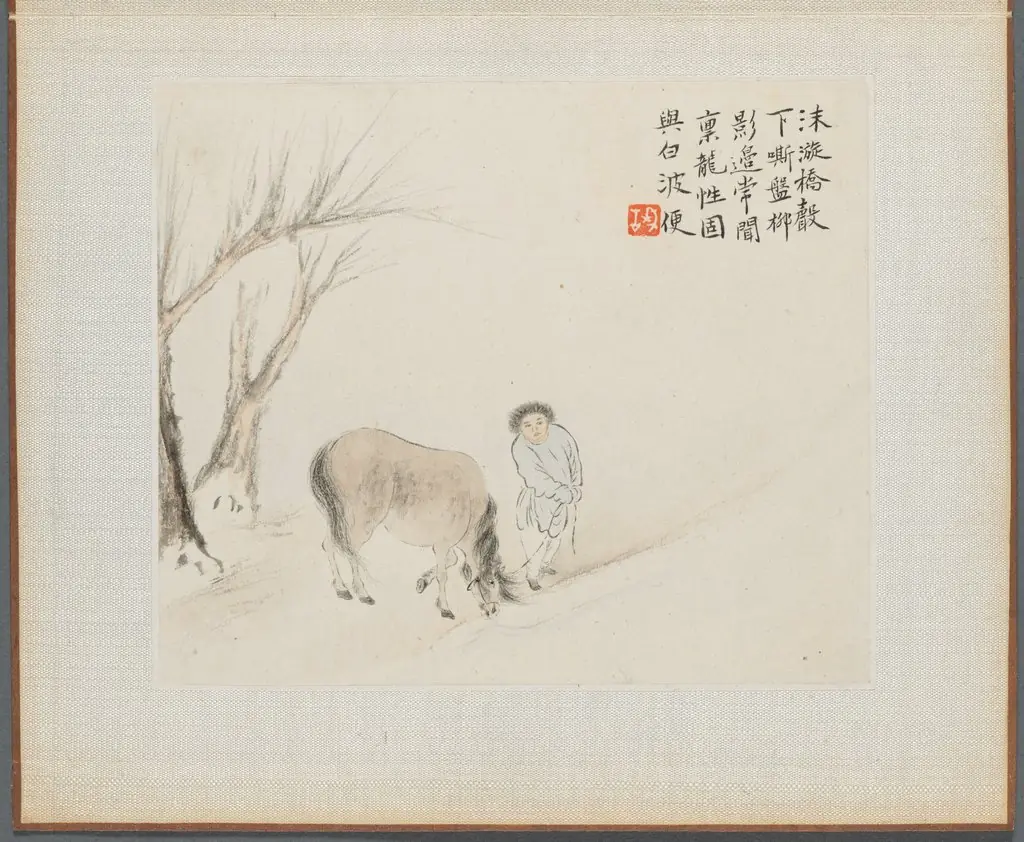 Album of Landscape Paintings Illustrating Old Poems: Boy Holding a Horse
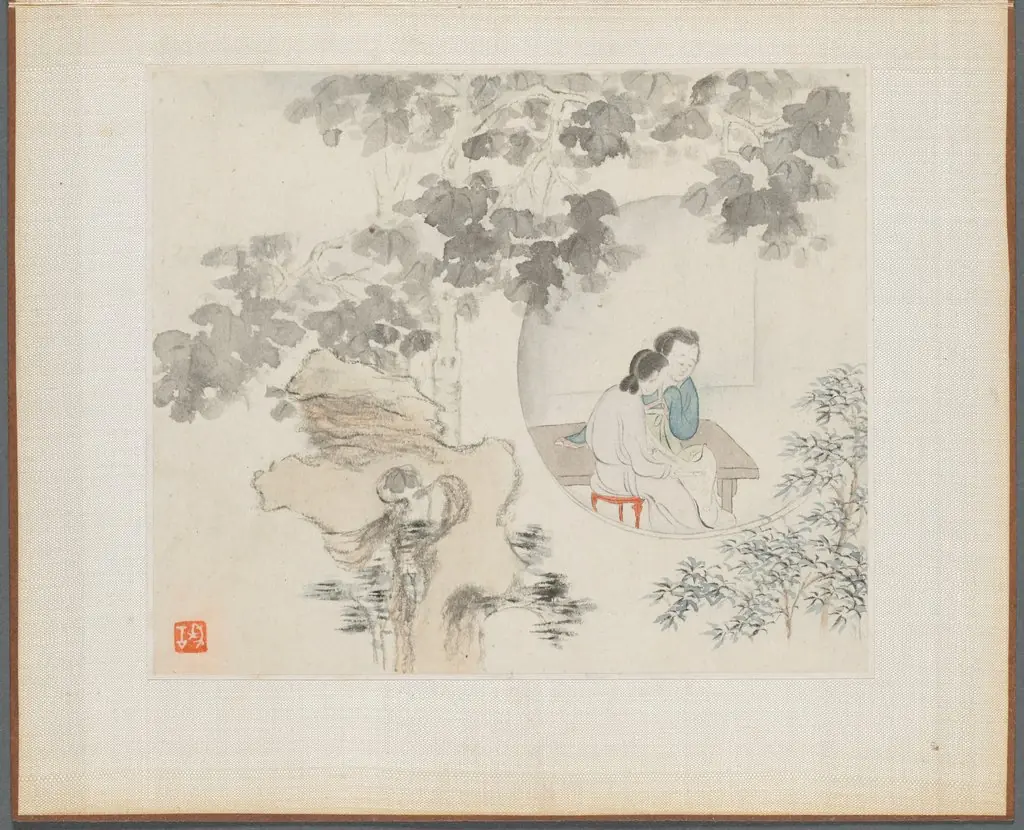 Album of Landscape Paintings Illustrating Old Poems: Two Women with Needlework in a Garden
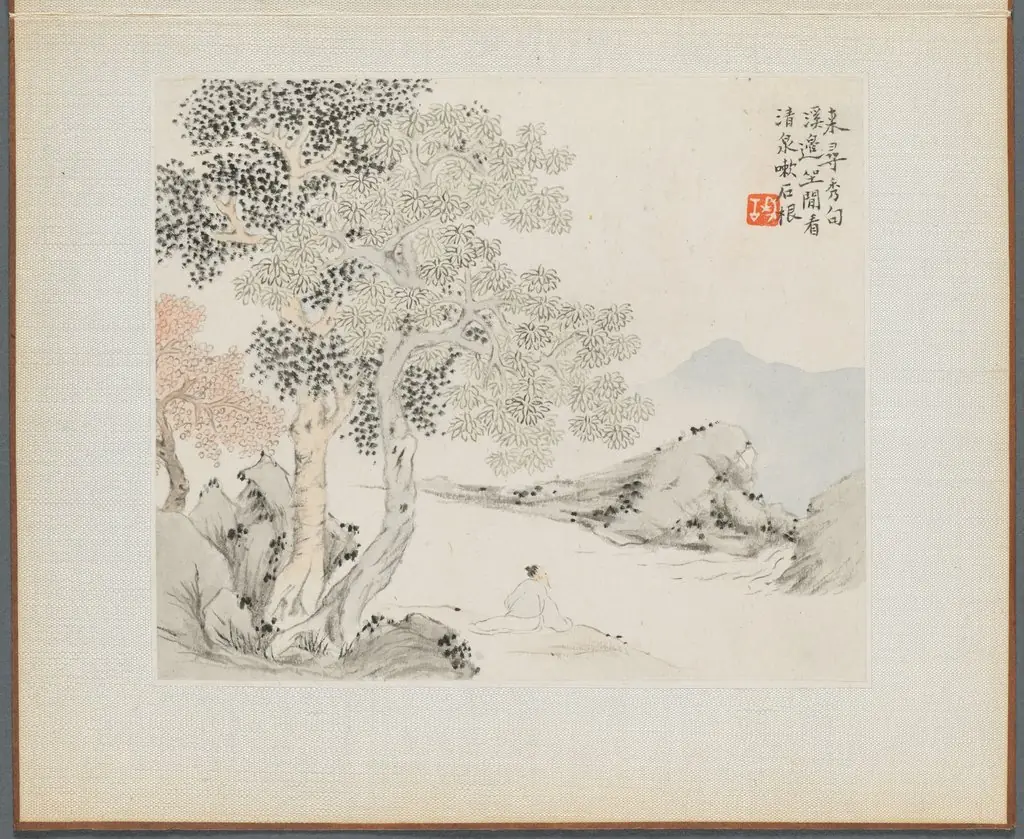 Album of Landscape Paintings Illustrating Old Poems: Three Big Trees, a Stream with an Old Man Sitting on the Bank
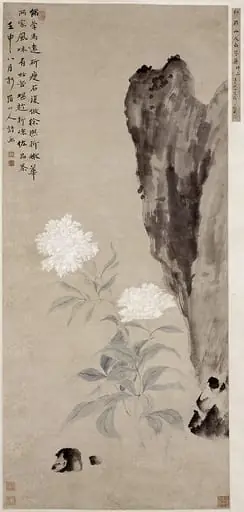 清 華喦 白芍藥圖 軸|White Peony and Rocks
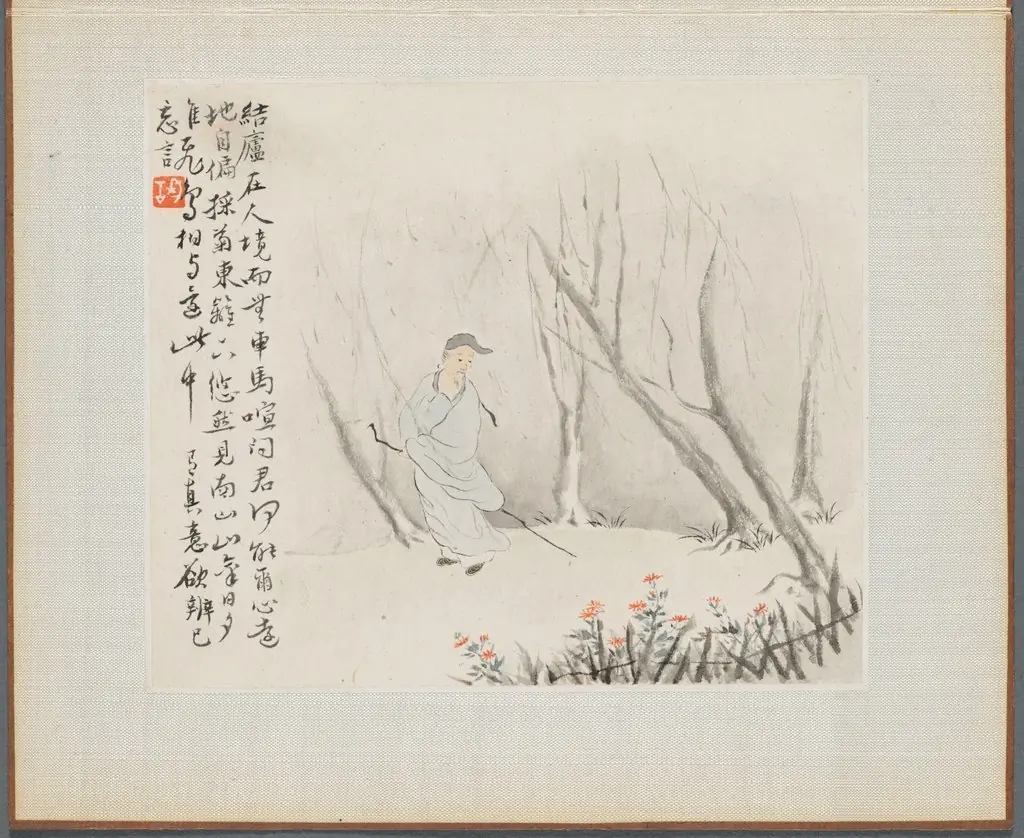 Album of Landscape Paintings Illustrating Old Poems: Man with a Staff Admires Chrysanthemums at a Fence
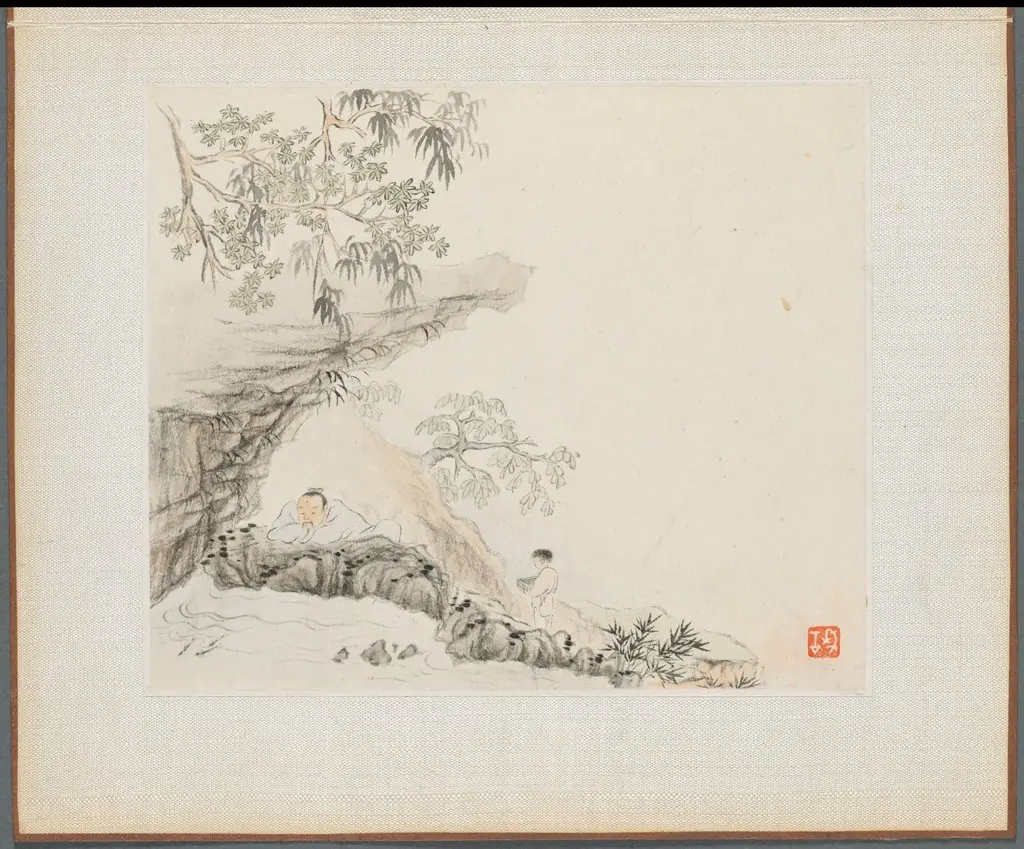 Album of Landscape Paintings Illustrating Old Poems: Scholar watching Fish
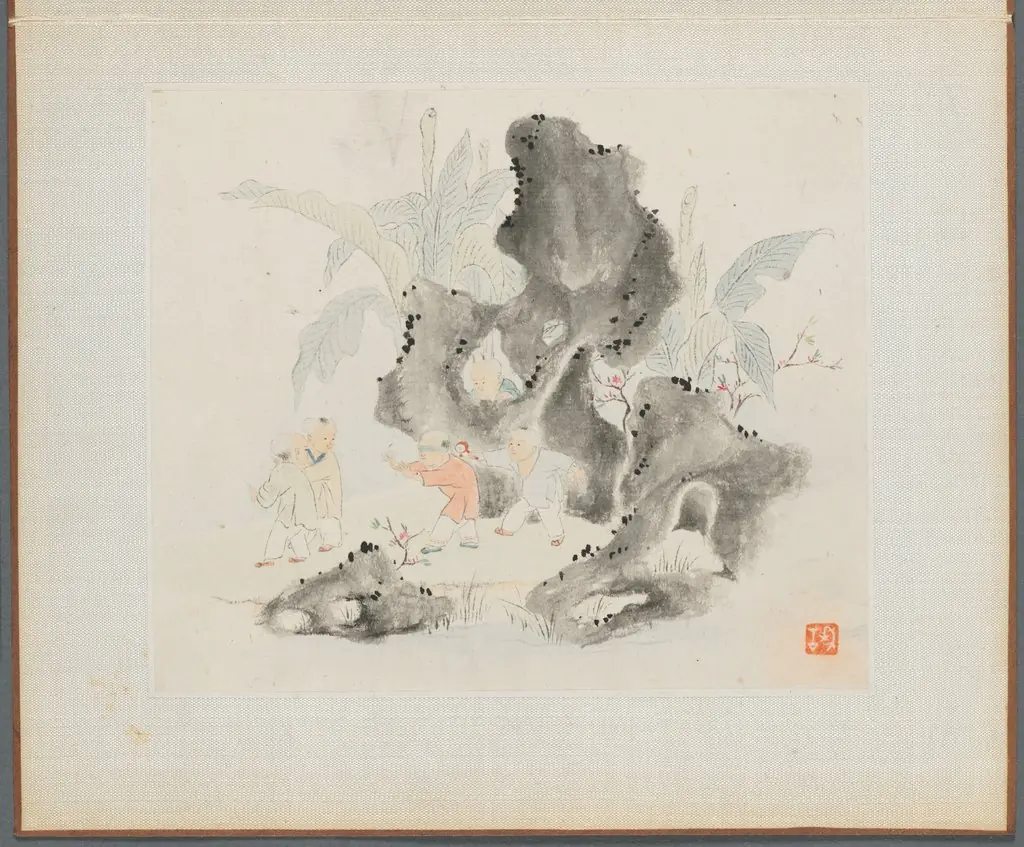 Album of Landscape Paintings Illustrating Old Poems: Children Playing Blindman's Buff in a Garden
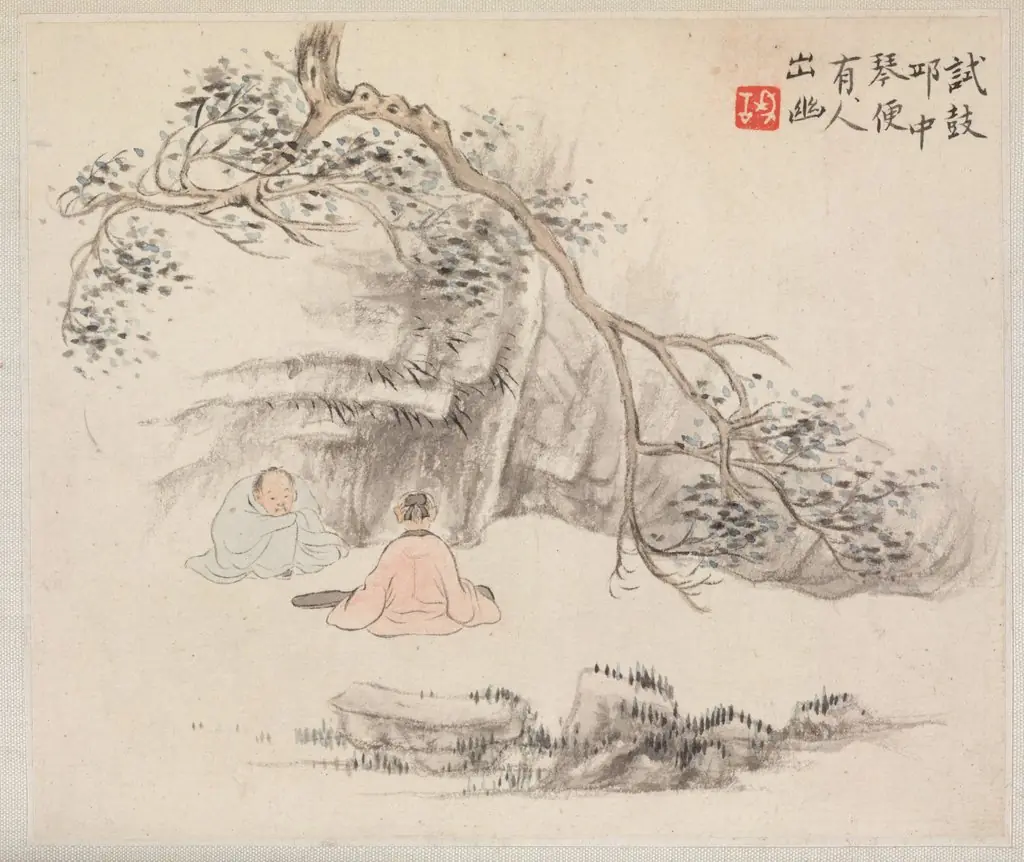 Album of Landscape Paintings Illustrating Old Poems: Listening to the Qin
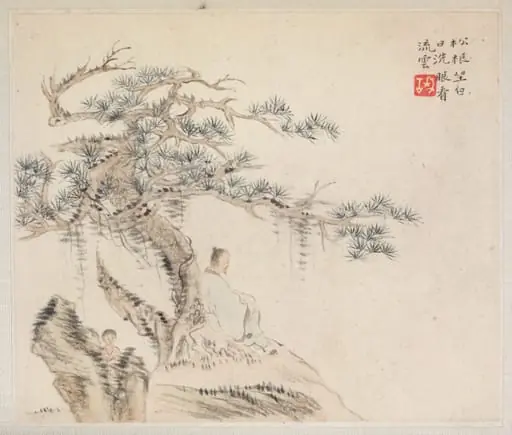 Album of Landscape Paintings Illustrating Old Poems: Scholar under a Pine Tree
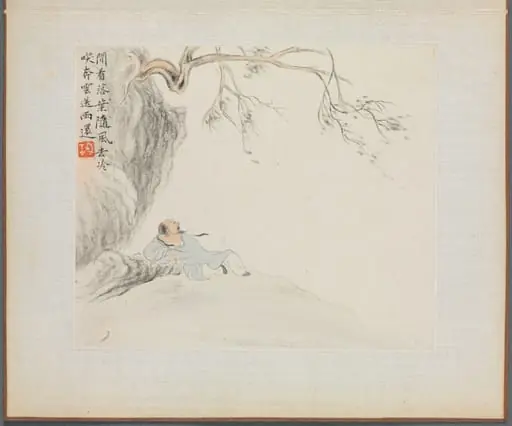 Album of Landscape Paintings Illustrating Old Poems: A Man Reclining and Enjoying the View
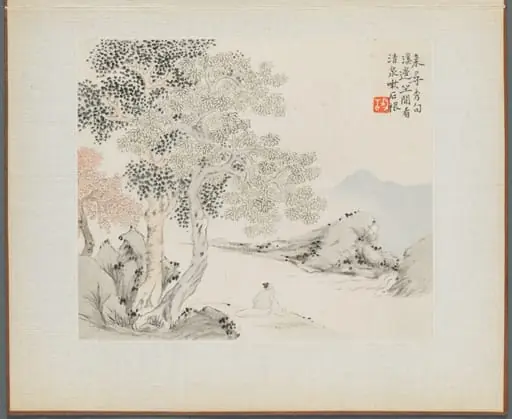 Album of Landscape Paintings Illustrating Old Poems: Three Big Trees, a Stream with an Old Man Sitting on the Bank
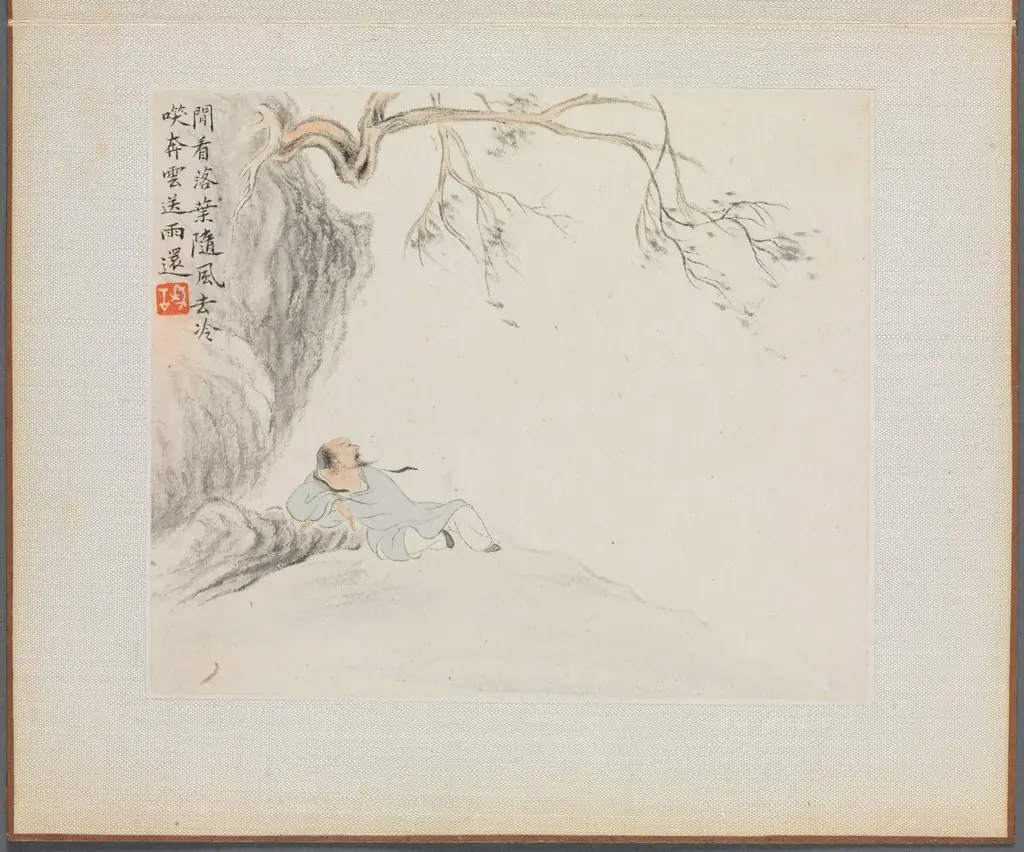 Album of Landscape Paintings Illustrating Old Poems: A Man Reclining and Enjoying the View
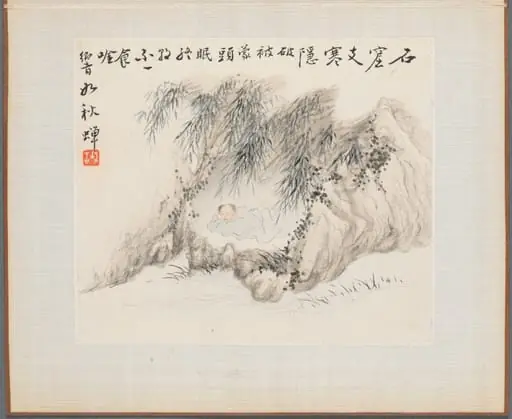 Album of Landscape Paintings Illustrating Old Poems: Man Resting under Bamboo
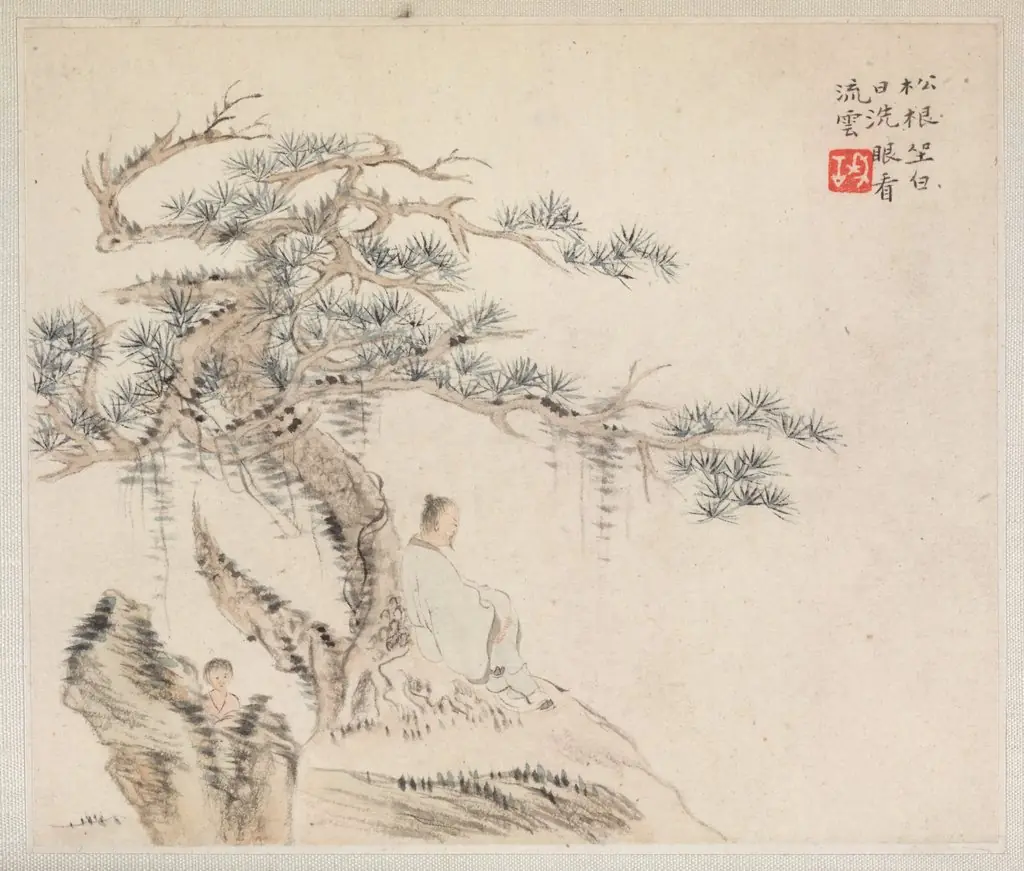 Album of Landscape Painting Illustrating Old Poems
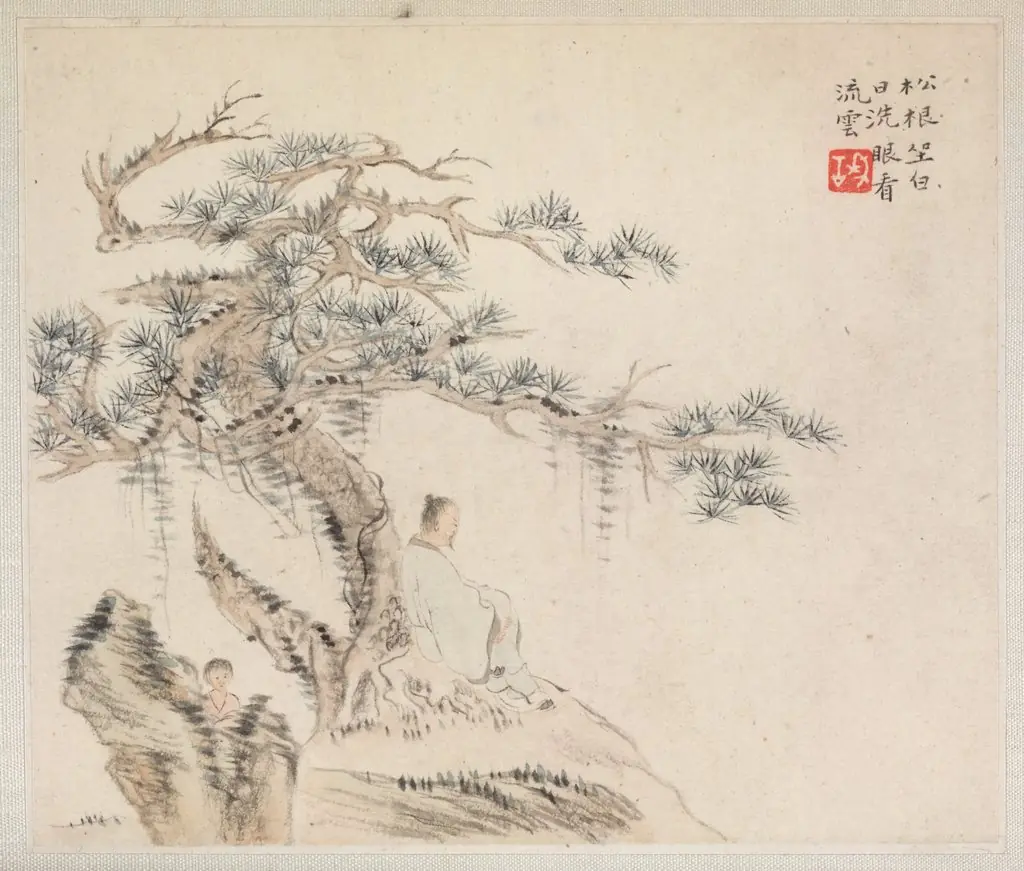 Album of Landscape Paintings Illustrating Old Poems: Scholar under a Pine Tree
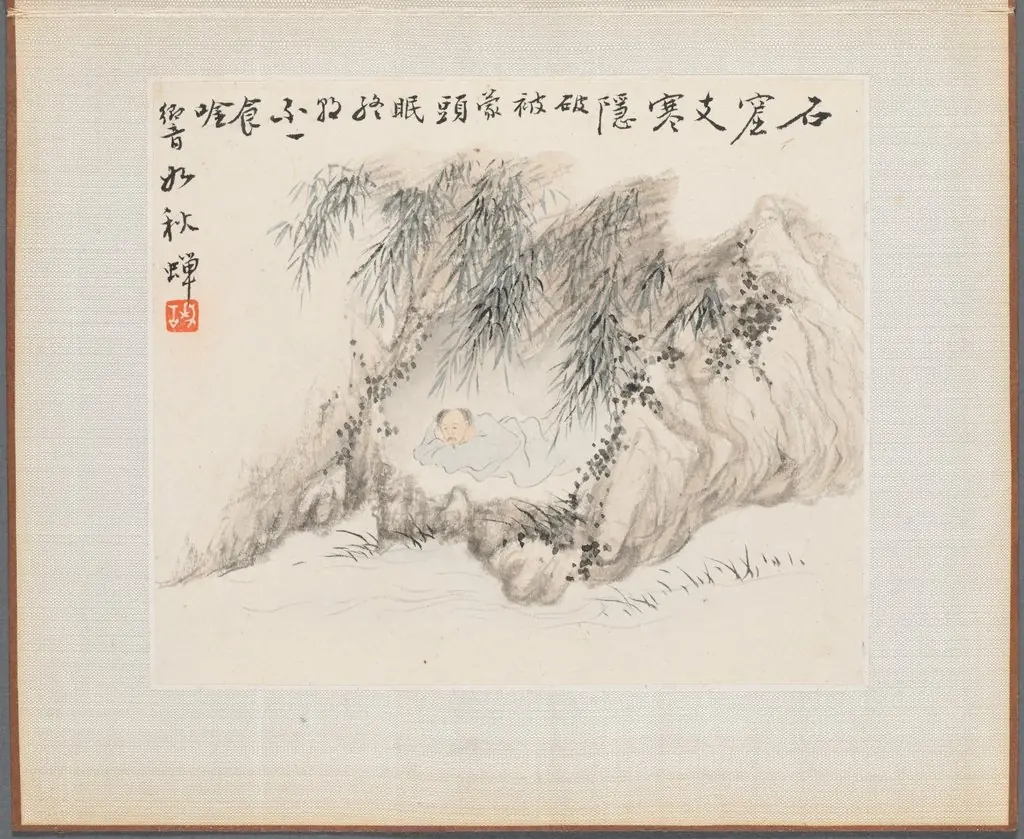 Album of Landscape Paintings Illustrating Old Poems: Man Resting under Bamboo