Artwork
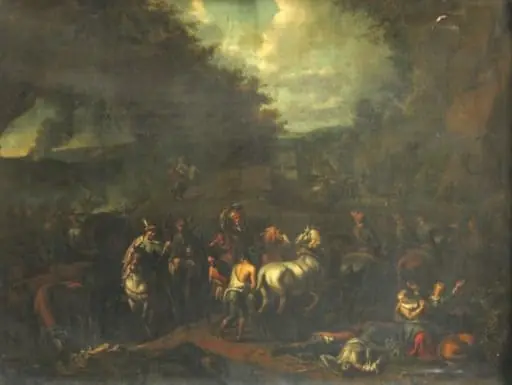
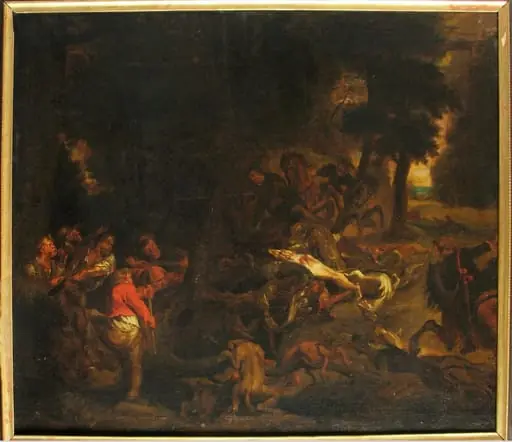
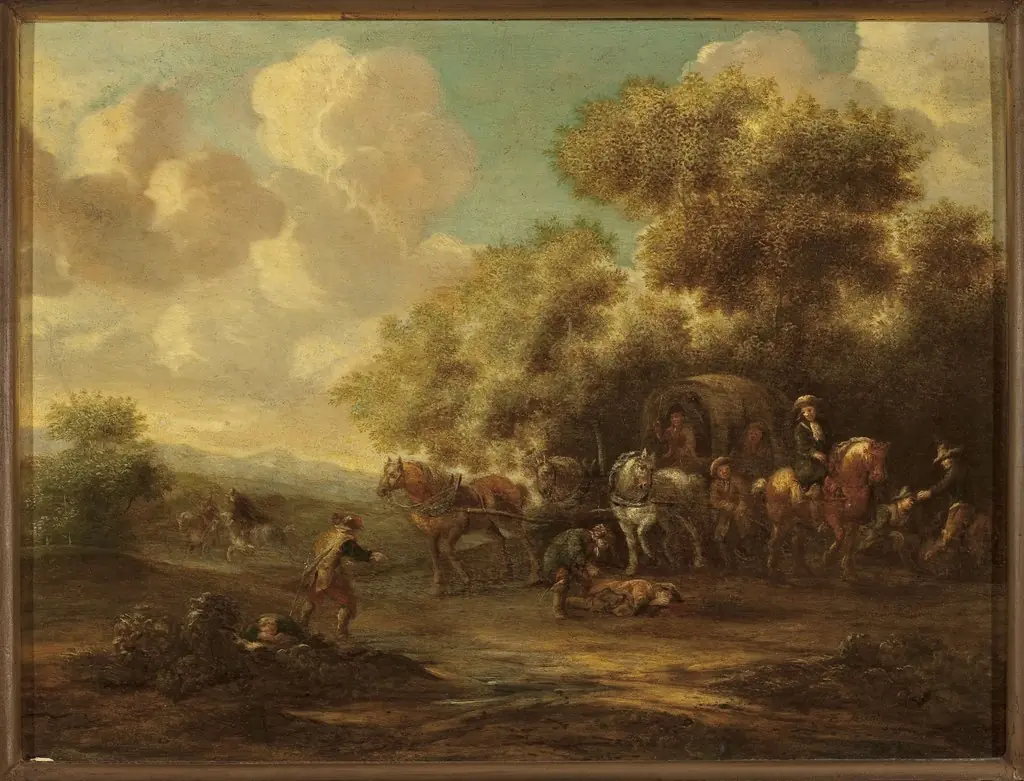
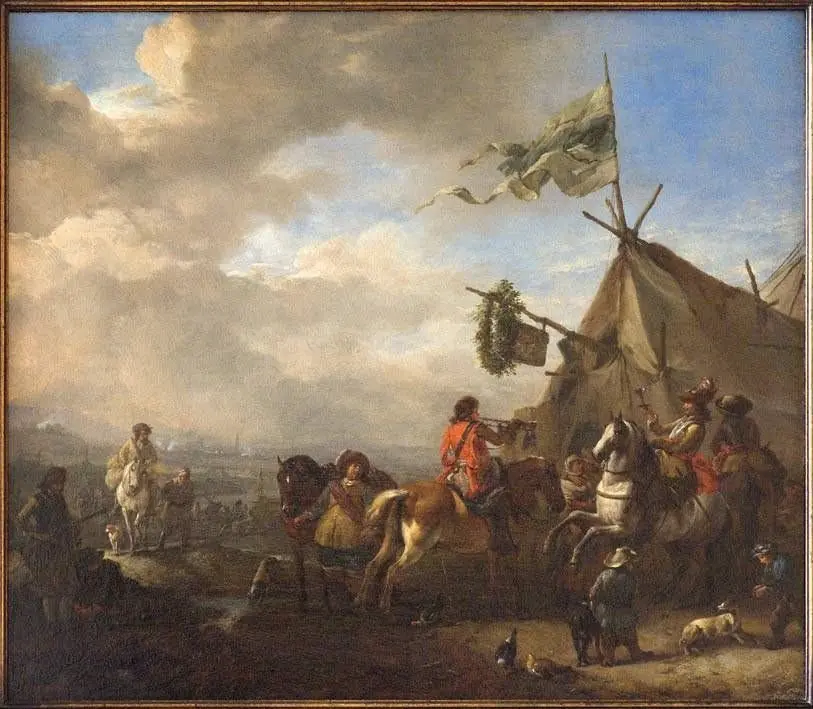
Întoarcerea de la vânătoare; pandant: Plecarea la vânătoare
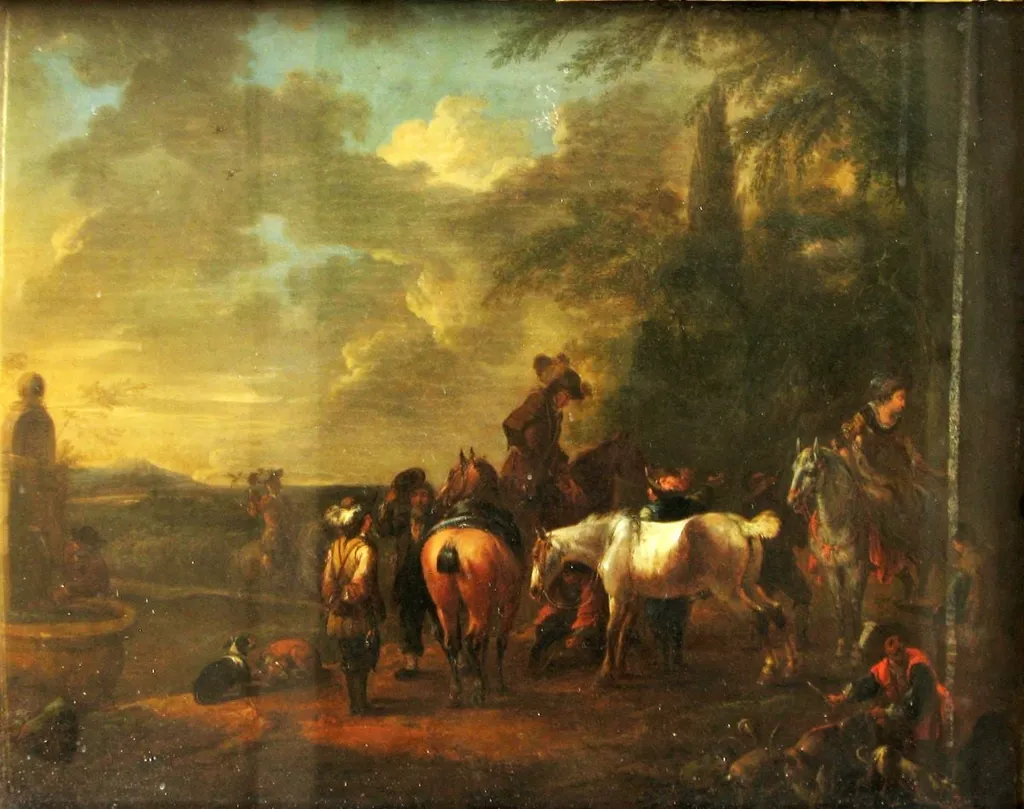
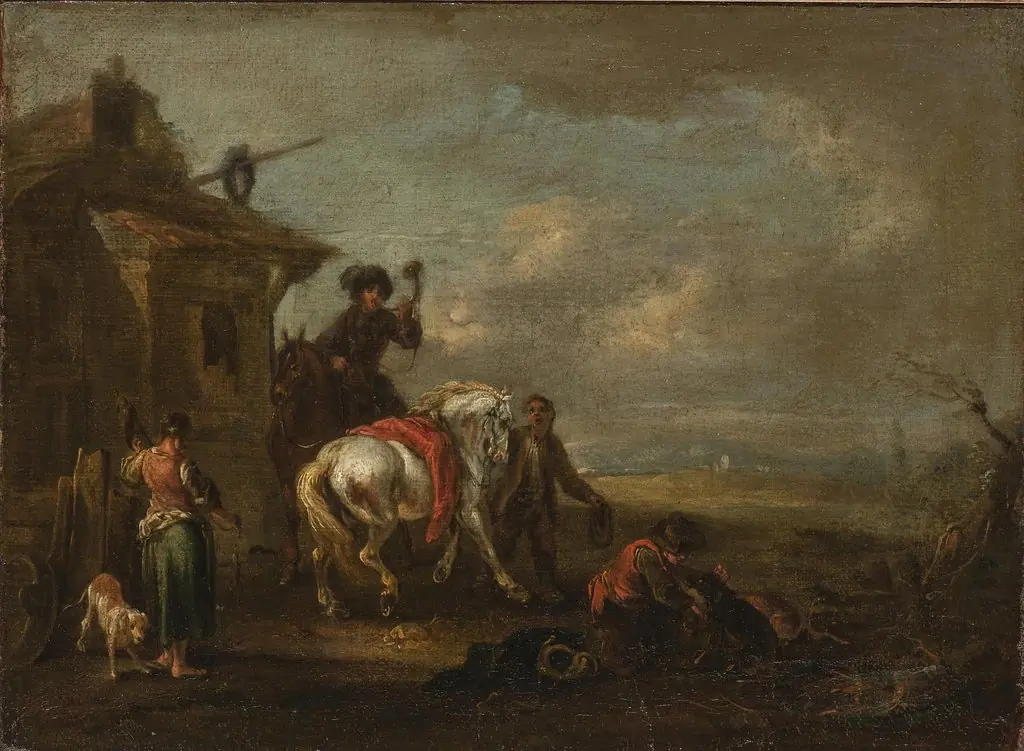
Întoarcerea de la vânătoare; pandant: Plecarea la vânătoare is an unspecified painting by the Baroque artist August Querfurt. It dates from 1738 and is held in the collection of the Brukenthal National Museum.
About this work
Overview
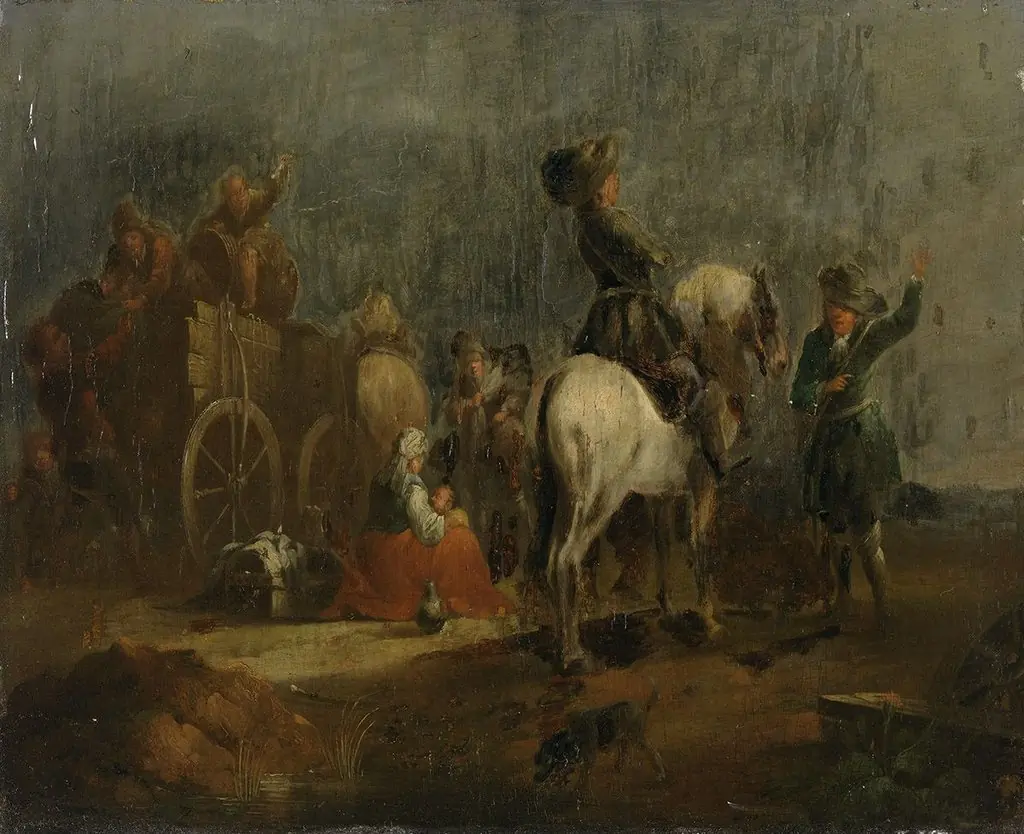
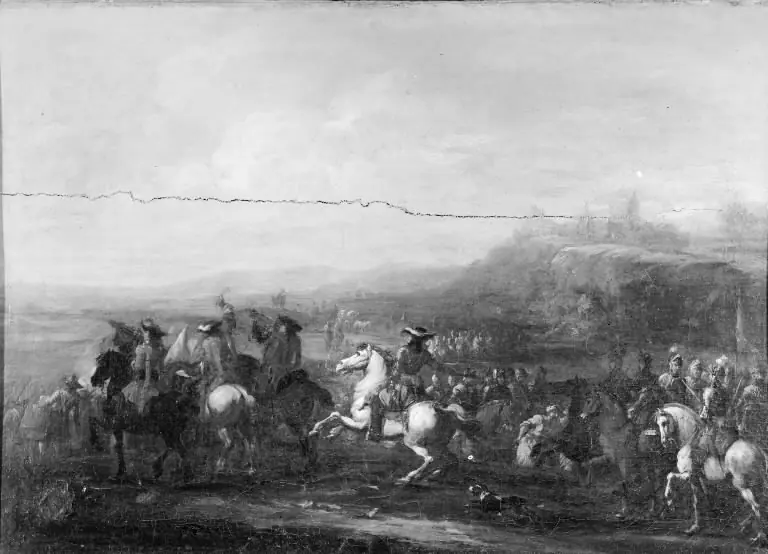
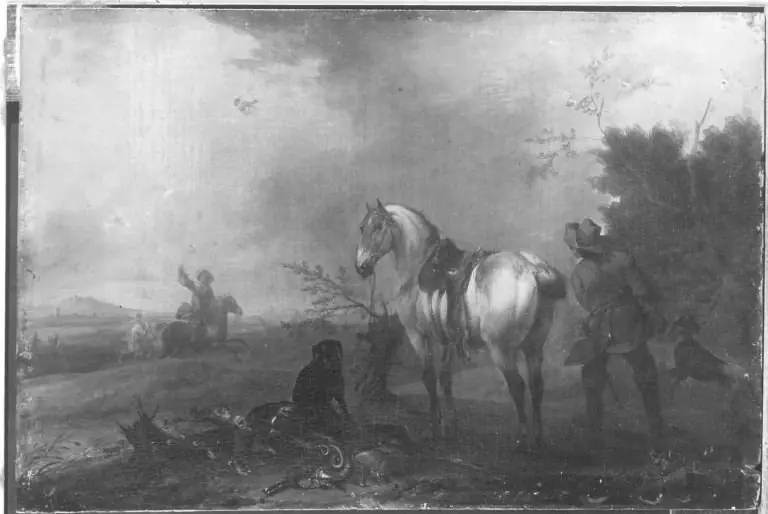
Rendered in oil on canvas, the works present a wooded landscape under a cloud‑filled sky, populated by mounted riders, on‑foot figures, and a resting dog.
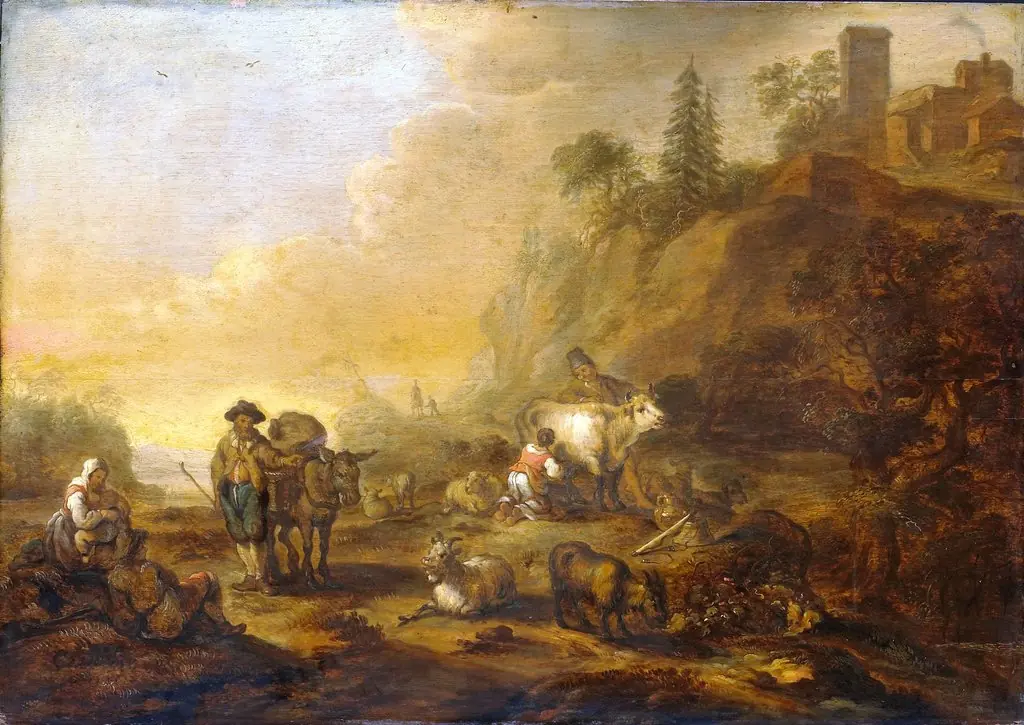
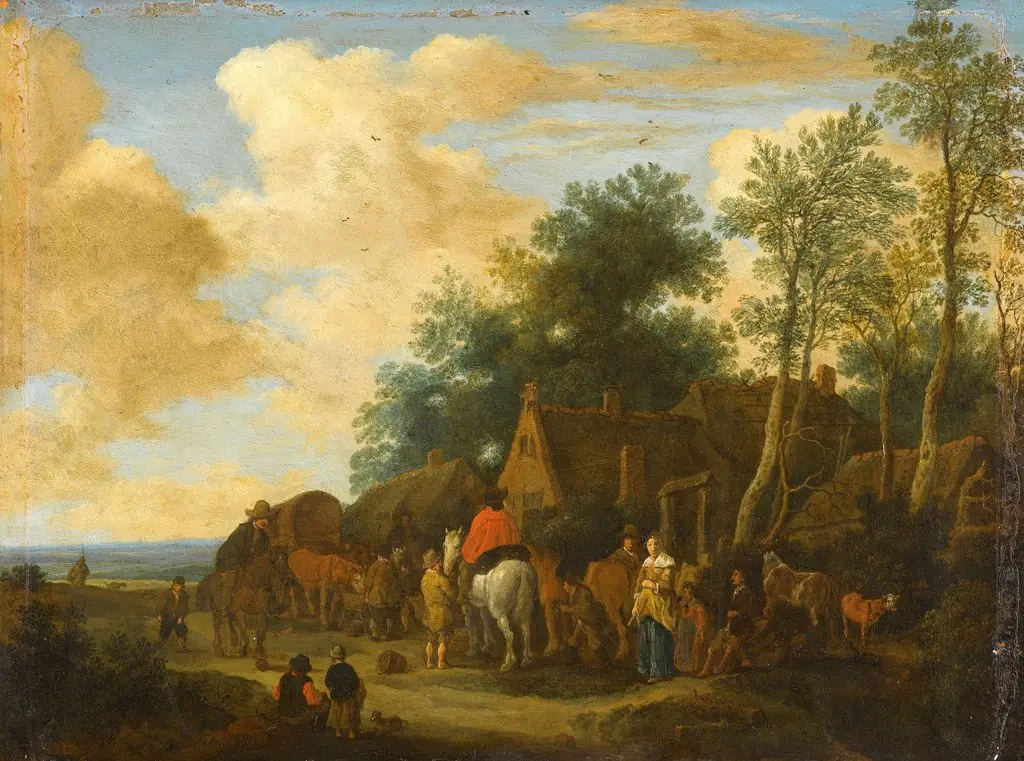
August Querfurt’s paired canvases, Întoarcerea de la vânătoare and Plecarea la vânătoare, date to around 1738, depict complementary moments in a hunting narrative. Rendered in oil on canvas, the works present a wooded landscape under a cloud‑filled sky, populated by mounted riders, on‑foot figures, and a resting dog. Earthy tones of brown, green and gray dominate, while selective illumination highlights the horses and foliage.
Subject & Meaning
The two paintings function as a visual diptych: one illustrates the departure of hunters into the forest, the other records their return. The composition emphasizes the ritual of the hunt, the coordination of riders, and the interaction between humans, animals, and the natural environment, suggesting both the sport’s social order and its integration with the landscape.
Technique & Style
Querfurt employs a pronounced chiaroscuro, contrasting deep shadows with shafts of light that pierce the canopy. This treatment gives the scene a dramatic, almost theatrical quality. The brushwork is detailed in the rendering of the horses’ musculature and the textures of foliage, while broader, looser strokes convey atmospheric depth and the movement of clouds.
History & Provenance
Created in the mid‑1730s, the pair likely served a patron interested in hunting scenes, a popular genre among German aristocracy. Documentation of their early ownership is limited, but the works have remained together in collections that specialize in 18th‑century European genre painting, reflecting their continued relevance to scholars of the period.
Context
Querfurt, a German painter known for battle and hunting subjects, worked within the Rococo tradition that favored lively narratives and decorative detail. His treatment of light and landscape aligns with contemporary trends in German and Dutch genre painting, where the interplay of human activity and nature was a favored theme.
Legacy
The diptych exemplifies the technical skill and narrative focus that characterized mid‑18th‑century hunting art. It continues to inform studies of genre painting, illustrating how artists like Querfurt balanced compositional drama with realistic observation of animal and human forms.
Artist & collection
Artist
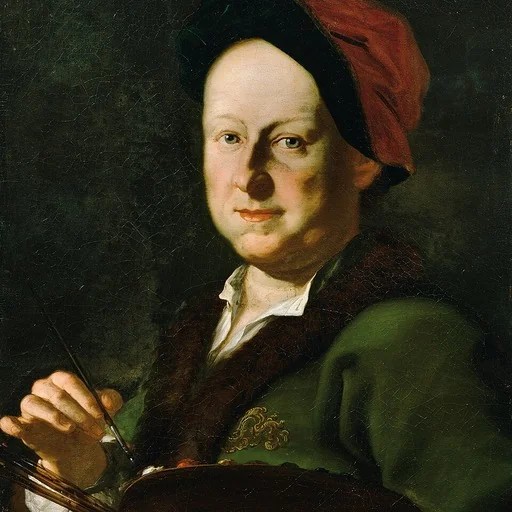
August Querfurt (1696, Wolfenbüttel – 1761, Vienna) was an Austrian painter. He painted primarily soldiers and battle scenes. He was first instructed by his father, Tobias Querfurt, a landscape and animal painter, and…