Artwork
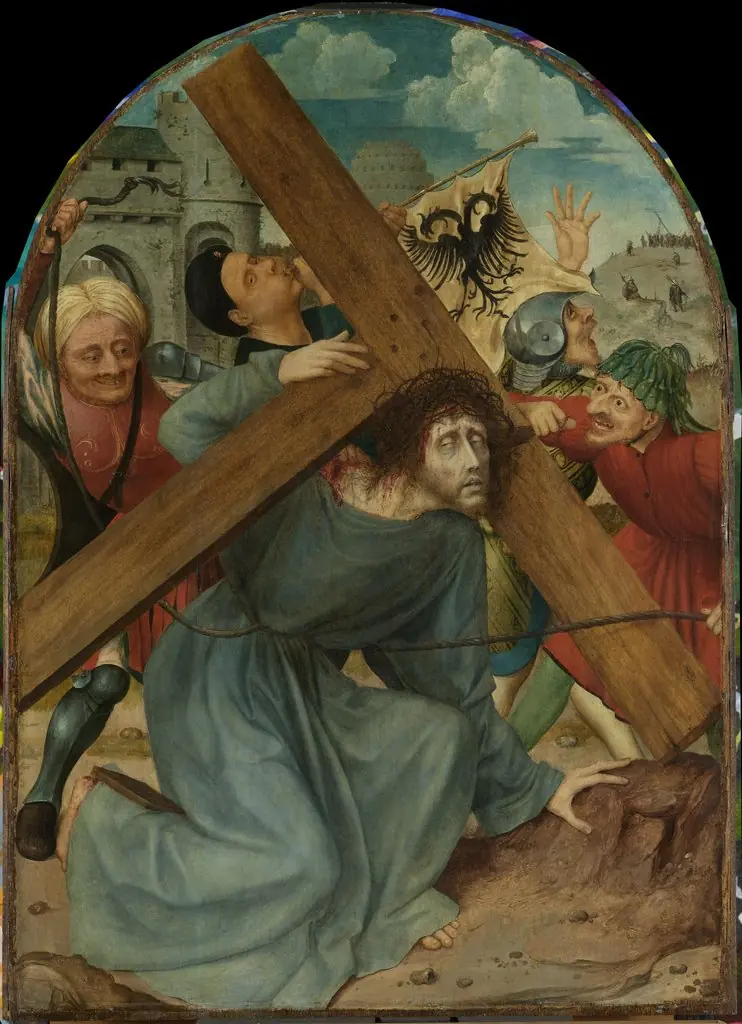
Christ carrying the cross
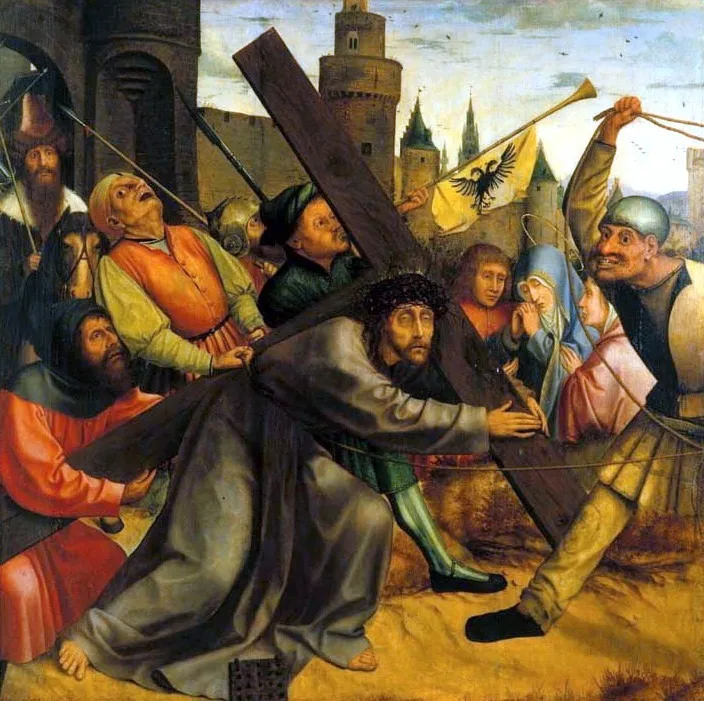
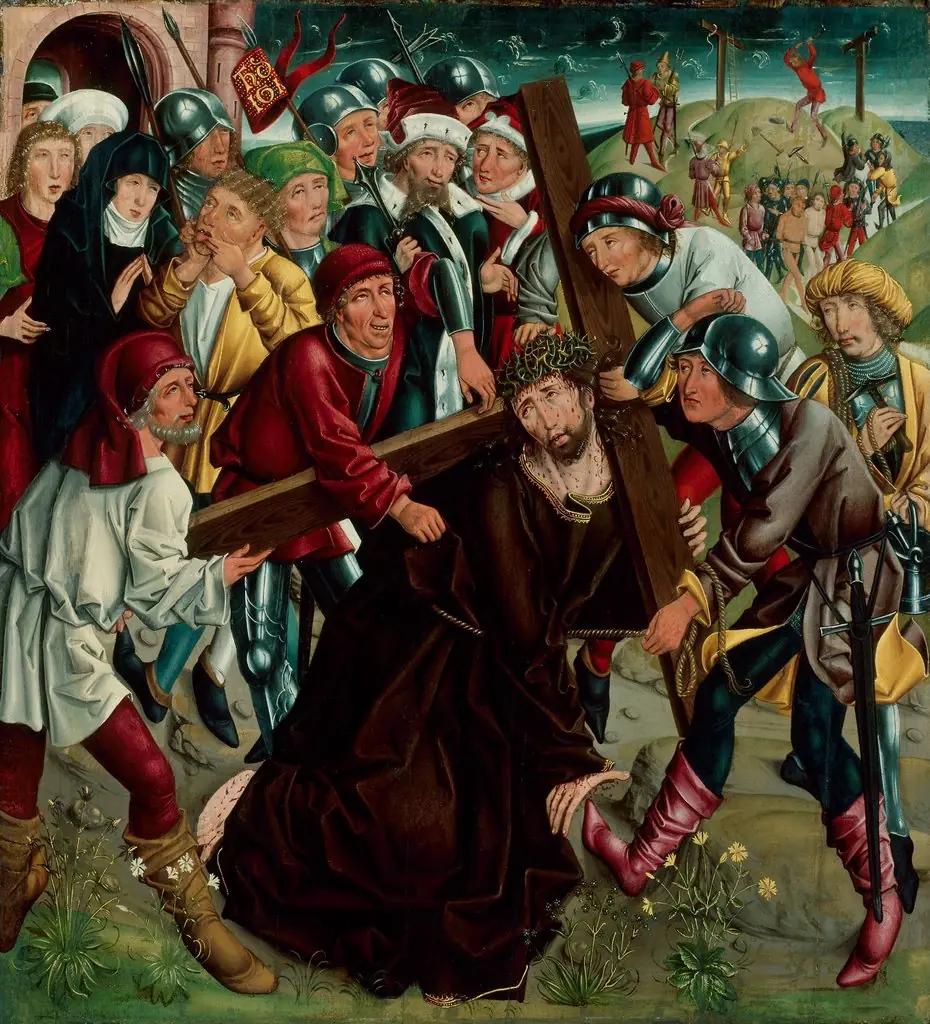
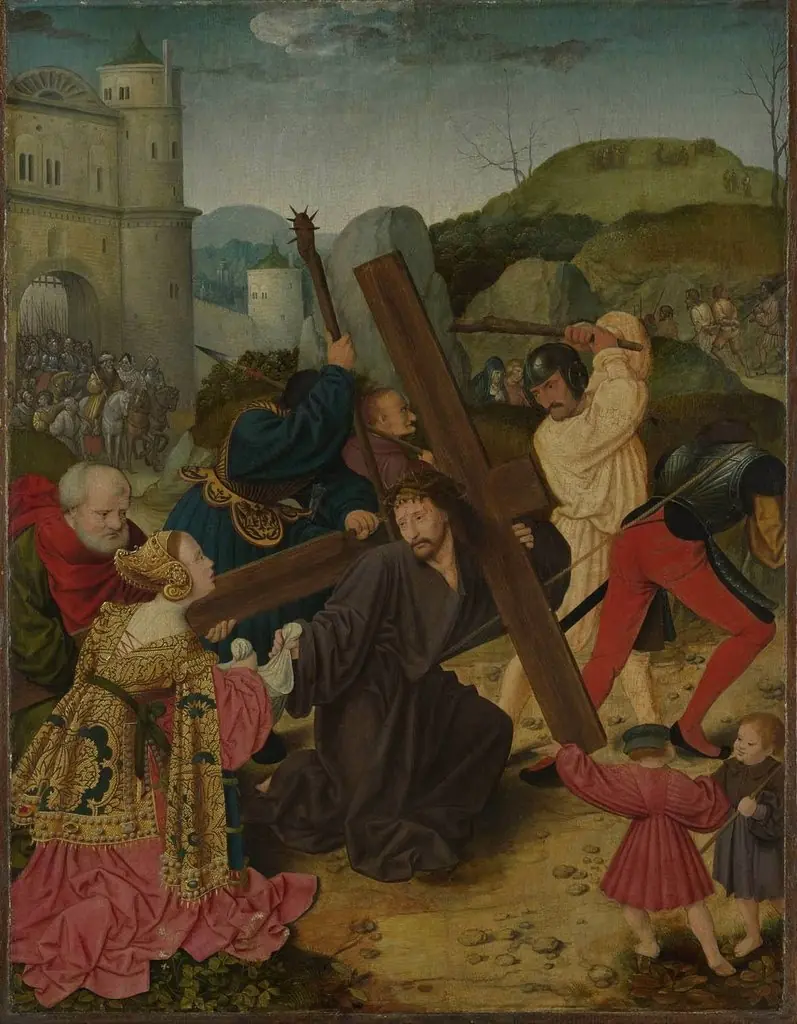
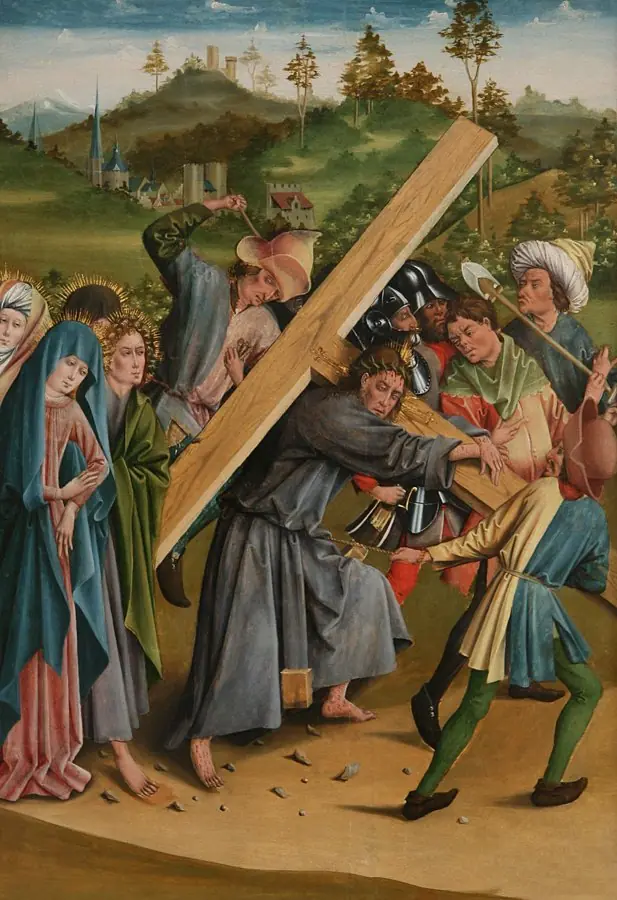
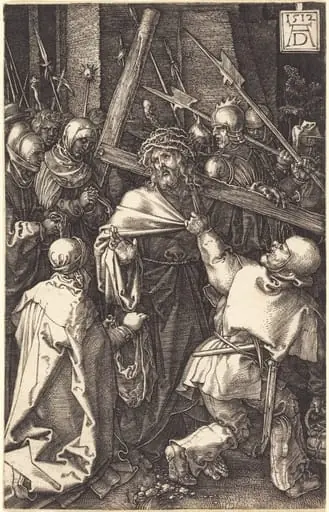
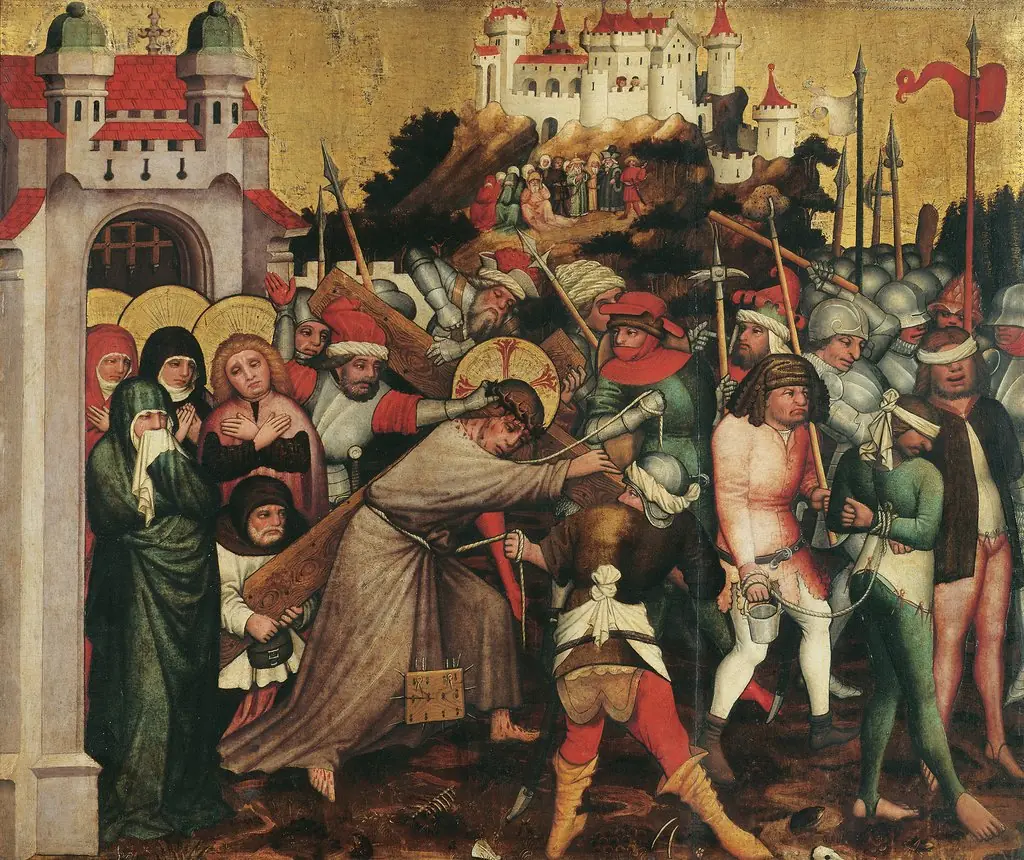
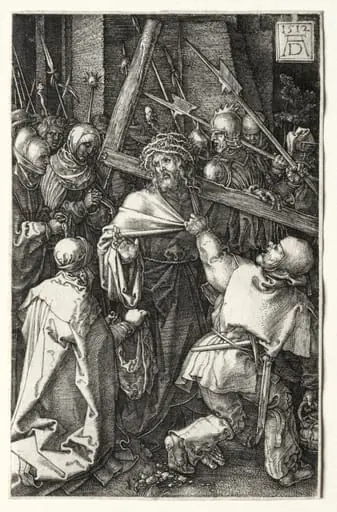
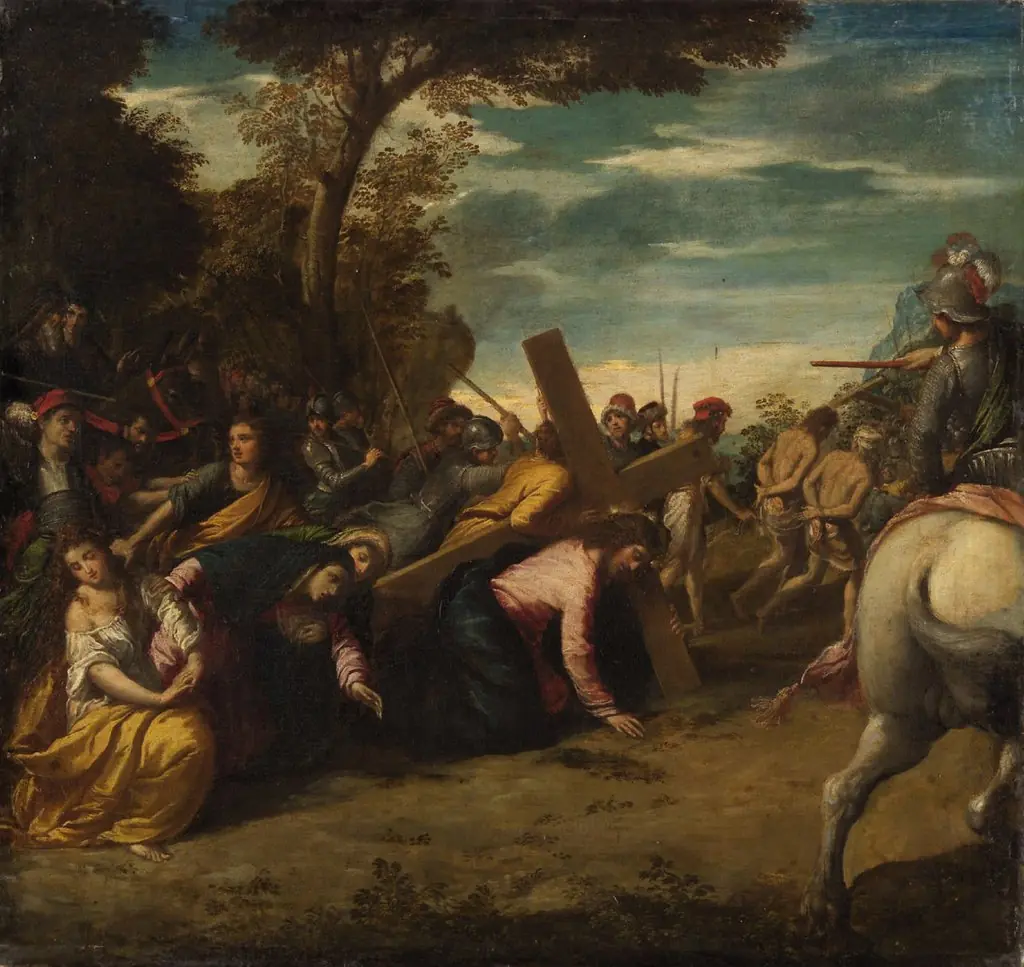
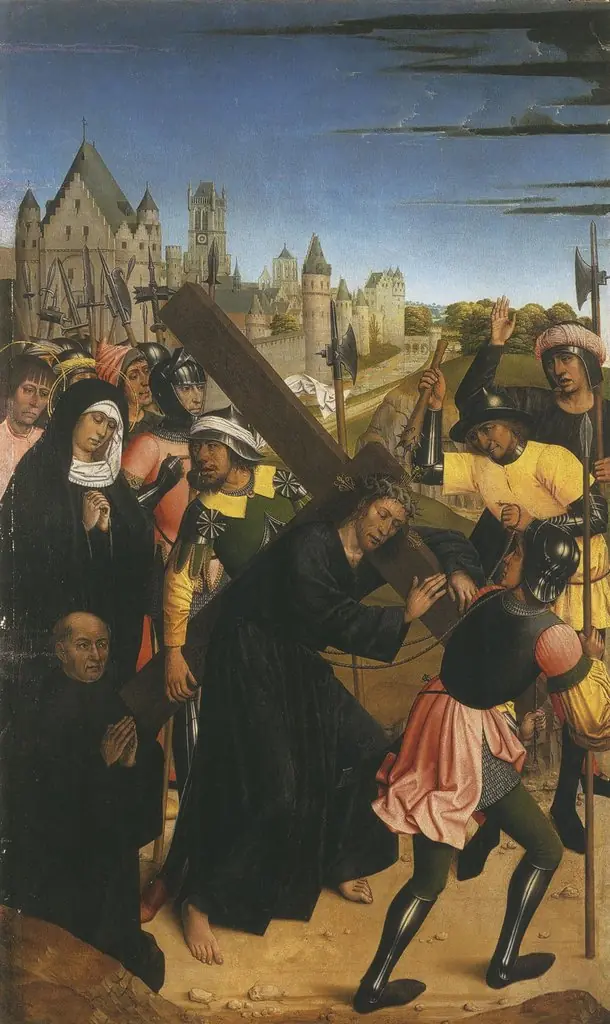
Christ carrying the cross is an oil painting by Quinten Metsys. It dates from 1505 and is held in the collection of the National Museum of Ancient Art.
About this work
Overview
Painted in 1505 by Quinten Metsys, this oil-on-panel work portrays Christ bearing the cross through the streets of Jerusalem.
Painted in 1505 by Quinten Metsys, this oil-on-panel work portrays Christ bearing the cross through the streets of Jerusalem. A central figure in the Antwerp artistic community, Metsys brought a distinctive realism to religious subjects, blending emotional intensity with meticulous detail. The scene captures a moment of public spectacle, framed by urban architecture and a diverse crowd, reflecting the painter’s engagement with both spiritual narrative and contemporary social observation.
Subject & Meaning
The painting illustrates Christ’s journey to Calvary, emphasizing his isolation amid a turbulent crowd. His bowed posture and crown of thorns convey suffering, while the varied reactions of onlookers—some sorrowful, others hostile—underscore the human complexity of the moment. Metsys avoids idealization, presenting the event as a visceral, earthly ordeal rather than a transcendent vision, reinforcing the human dimension of Christ’s sacrifice.
Technique & Style
Metsys employed fine brushwork and layered glazes to render textures with precision: the rough grain of the cross, the sheen of fabric, and the varied expressions of faces. His palette is restrained, dominated by earth tones and muted blues, enhancing the somber mood. The composition directs focus to Christ through spatial framing and contrast, while the detailed cityscape behind him grounds the sacred event in a recognizable, lived-in world.
History & Provenance
Created during Metsys’s active years in Antwerp, the painting reflects the city’s growing reputation as a hub for religious art. It likely originated in a private or ecclesiastical collection, consistent with the demand for devotional imagery in early 16th-century Flanders. Though its early ownership is undocumented, its survival into modern times attests to its enduring resonance within Northern European artistic traditions.
Context
In early 1500s Antwerp, religious imagery was central to artistic production, yet artists like Metsys increasingly infused scenes with psychological depth and social realism. His background as a metalworker informed his precise handling of materials and forms. This work aligns with broader trends in the Northern Renaissance, where biblical stories were rendered with attention to contemporary life, bridging the sacred and the secular.
Legacy
Metsys’s approach influenced subsequent generations of Flemish painters by demonstrating how emotional gravity could be conveyed through everyday detail. His integration of satire and solemnity in religious subjects expanded the expressive range of Netherlandish art. While not widely replicated, this painting remains a key example of how Antwerp artists redefined devotional imagery through human-centered observation.
Artist & collection
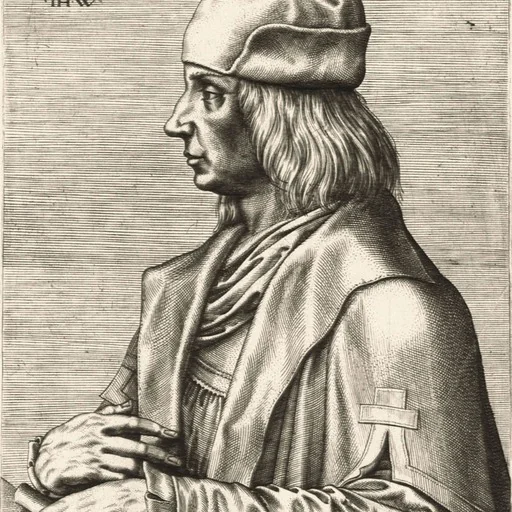
Artist
Quentin Matsys (UK: MAT-sysse, US: MAHT-sysse; also Massys or Metsys; Flemish: Quinten Matsijs ; 1466–1530) was a Flemish painter in the Early Netherlandish tradition.