Artwork
Portrait of a man with a letter in his hand
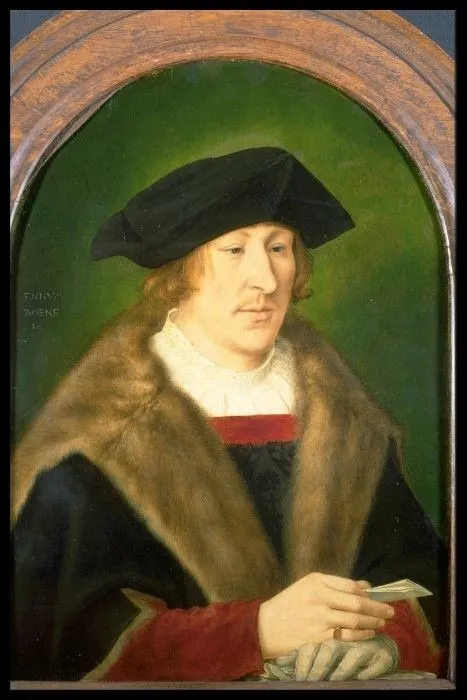
Portrait of a man with a letter in his hand is an oil painting by the Northern Renaissance artist Quinten Metsys. It dates from 1520 and is held in the collection of the Gemäldegalerie Berlin. Painted in 1520 by Quentin Matsys, this oil portrait captures a man holding a sealed letter, rendered with quiet intensity.
About this work
Overview
Matsys, originally trained as an ironsmith, became a central figure in Antwerp’s artistic community, where he helped shape the Northern Renaissance style.
Painted in 1520 by Quentin Matsys, this oil portrait captures a man holding a sealed letter, rendered with quiet intensity. Matsys, originally trained as an ironsmith, became a central figure in Antwerp’s artistic community, where he helped shape the Northern Renaissance style. The work exemplifies his shift from metalwork to painting and his mastery of oil techniques that emphasized realism and psychological presence.
Subject & Meaning
The subject, a man in formal attire, holds a letter with a visible wax seal, suggesting communication of personal or official significance. His serious expression and distant gaze imply contemplation, possibly of the letter’s contents. Such depictions in Early Netherlandish art often conveyed moral or intellectual themes, positioning the sitter as a thoughtful individual engaged in private affairs rather than public display.
Technique & Style
Matsys employed chiaroscuro to model the man’s face and clothing with subtle gradations of light and shadow, enhancing three-dimensionality. The textures of fur, linen, and parchment are rendered with precise detail, characteristic of Northern Renaissance attention to material reality. The muted green background isolates the figure, focusing attention on his expression and the letter, reinforcing the portrait’s introspective tone.
History & Provenance
The painting has remained within documented collections since the 16th century, though its early ownership is not fully traceable. It was likely commissioned by a wealthy merchant or civic official in Antwerp, where Matsys was active. Its survival in good condition reflects its continued value among collectors, and it has been exhibited in major European institutions since the 19th century.
Context
In early 16th-century Antwerp, portraiture evolved beyond mere likeness to reflect individual identity and social status. Matsys, alongside contemporaries like Jan van Scorel, integrated humanist ideals into visual form. The letter motif, common in Northern art, signaled literacy, communication, and moral responsibility—values prized in the rising urban elite of the Low Countries.
Legacy
This portrait exemplifies Matsys’s role in elevating Flemish portraiture through psychological depth and technical refinement. His fusion of meticulous detail with emotional restraint influenced later generations of Northern painters. Though less celebrated than some peers, his work helped define the Antwerp school’s contribution to the broader Renaissance movement in Northern Europe.
Artist & collection
Artist
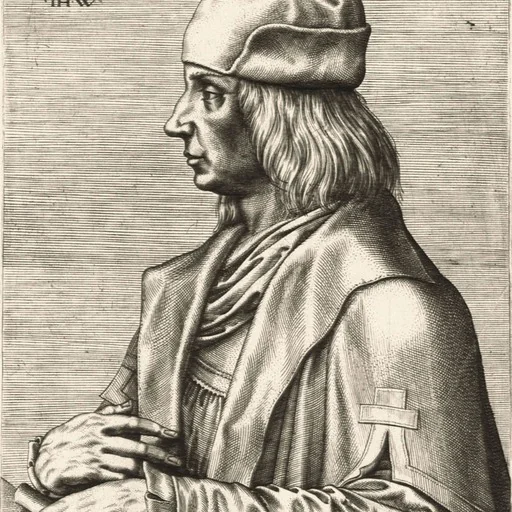
Quentin Matsys (UK: MAT-sysse, US: MAHT-sysse; also Massys or Metsys; Flemish: Quinten Matsijs ; 1466–1530) was a Flemish painter in the Early Netherlandish tradition.



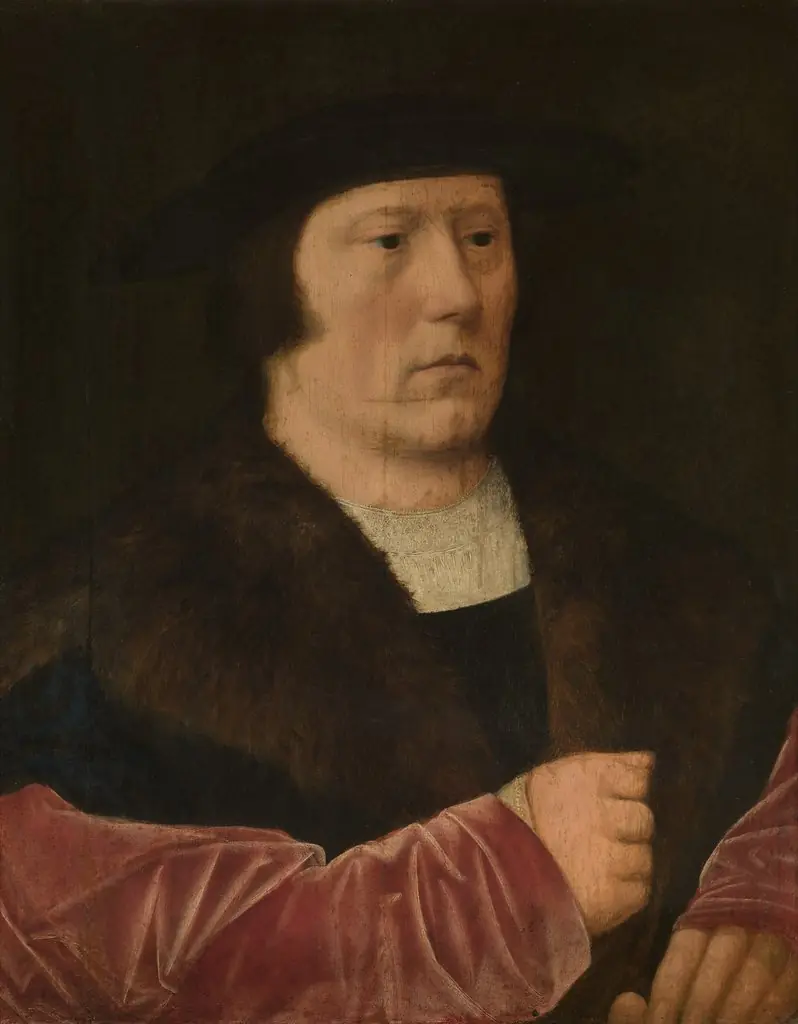 Portrait of a Man
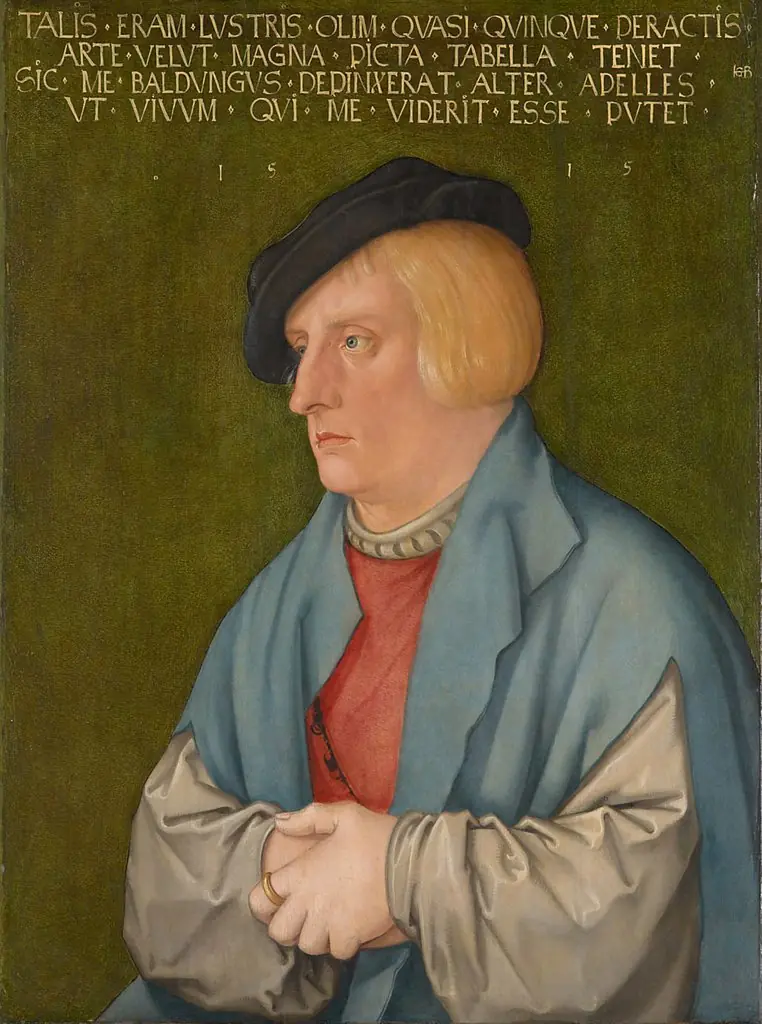 Portrait of a young man
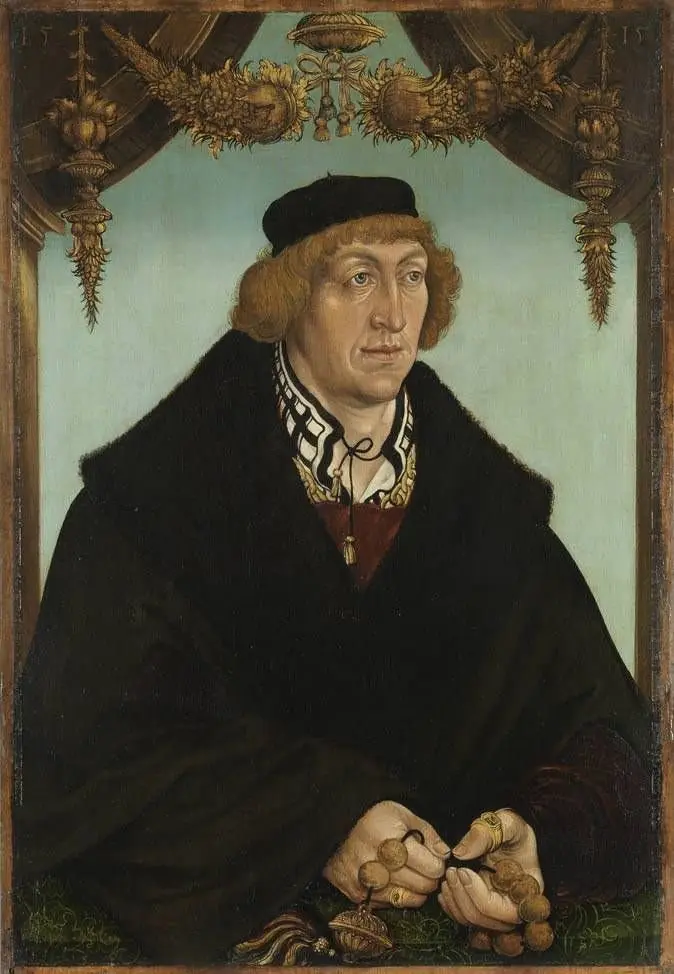 Pfalzgraf Philipp, Bischof von Freising
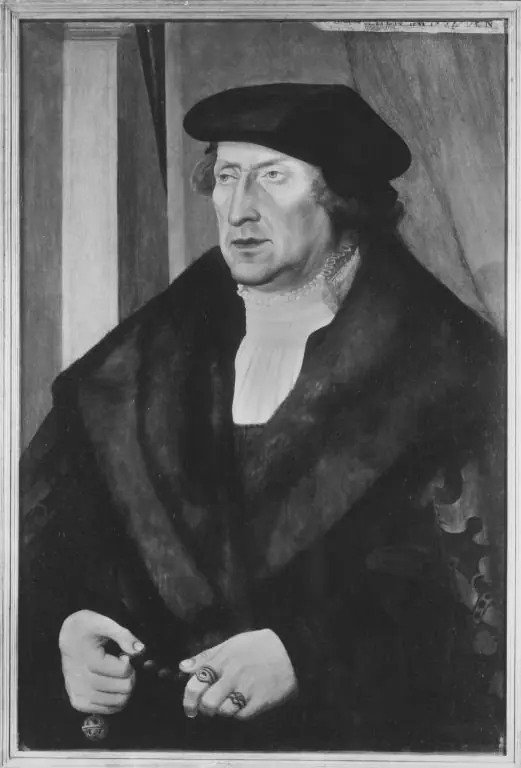 Pfalzgraf Philipp, Bischof von Freising
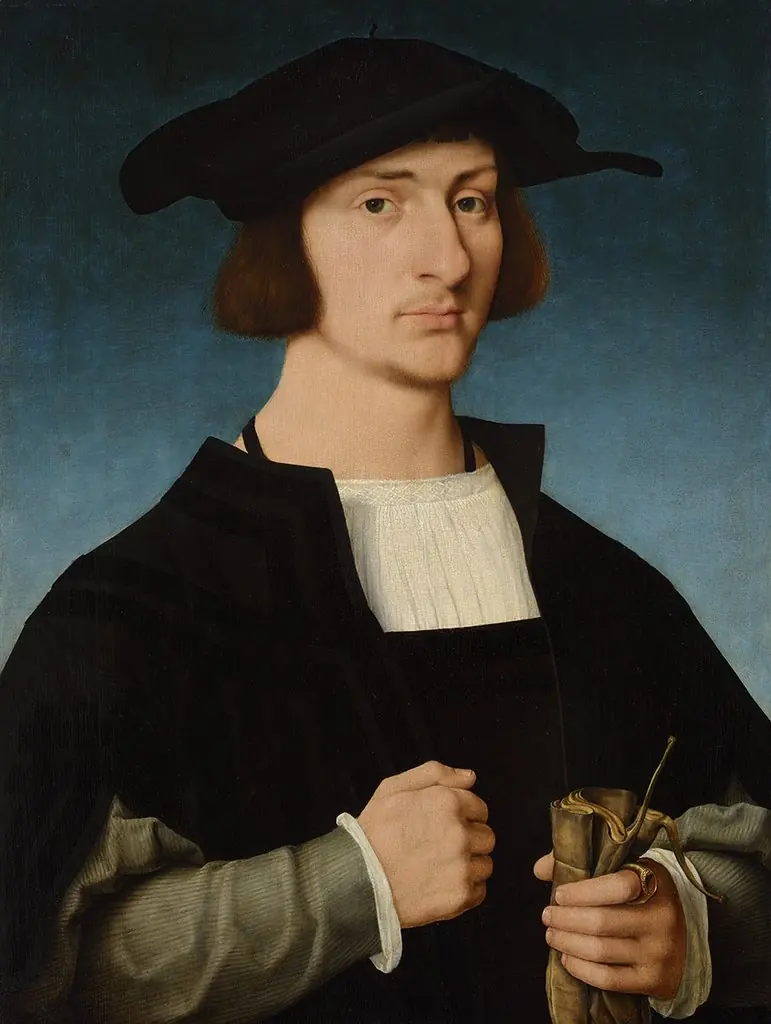 Portrait of a Young Man (Lyons)
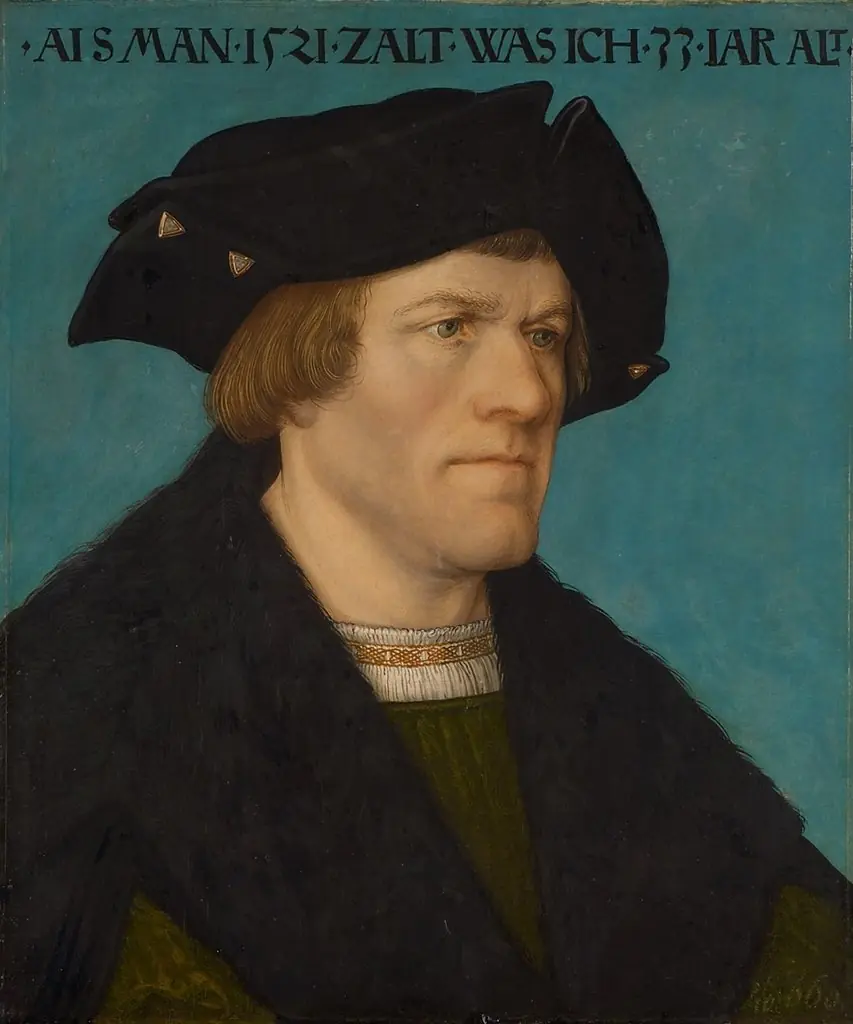 Portrait of a beardless man
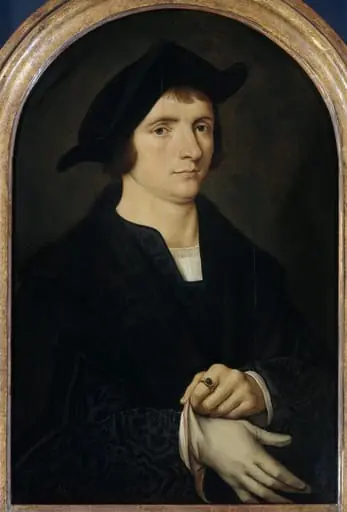 Portrait of Joris Vezeleer
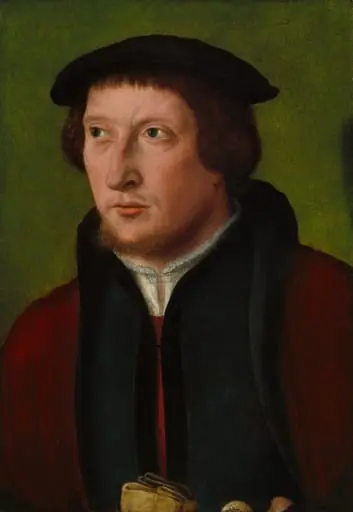 Portrait of a Man
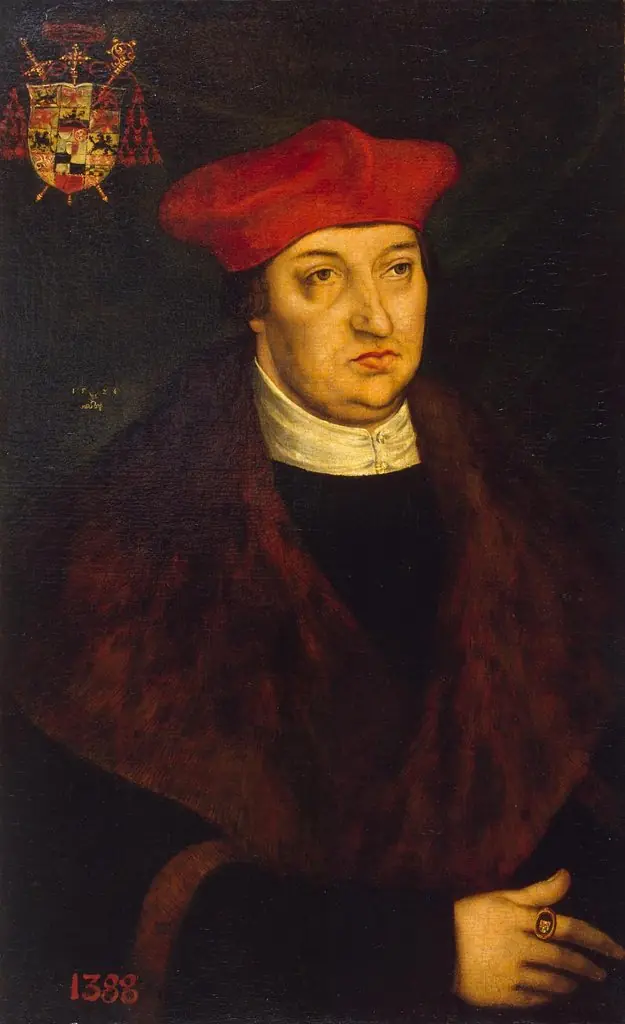 Portrait of Cardinal Albert of Brandenburg
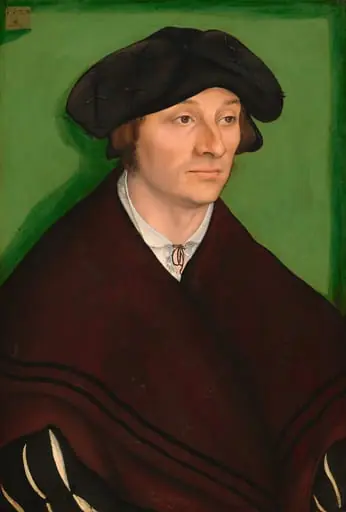 Portrait of a Man
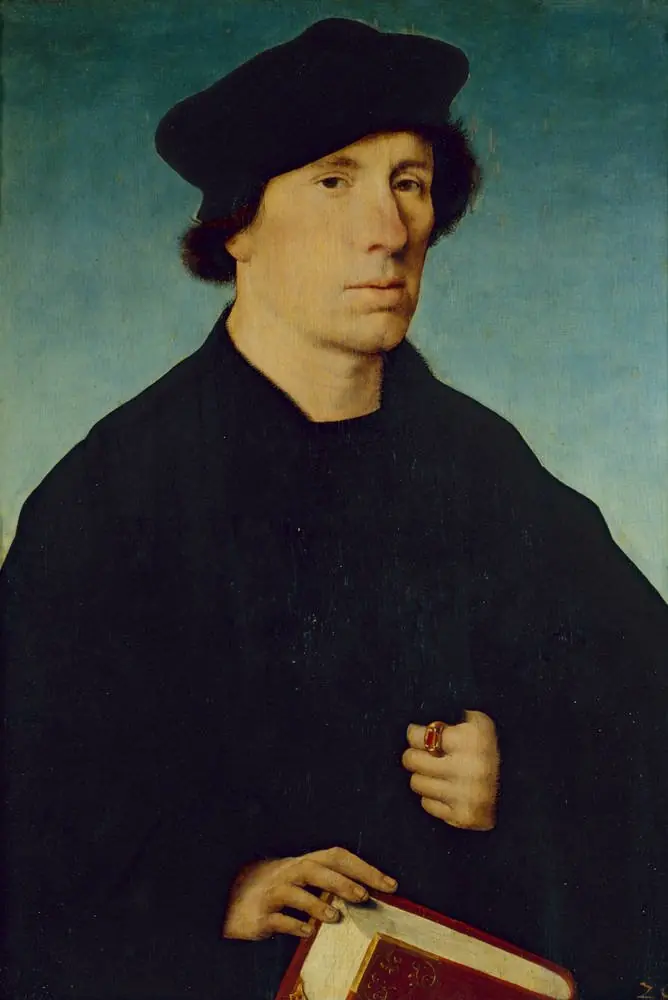 Portrait of a Beardless Man
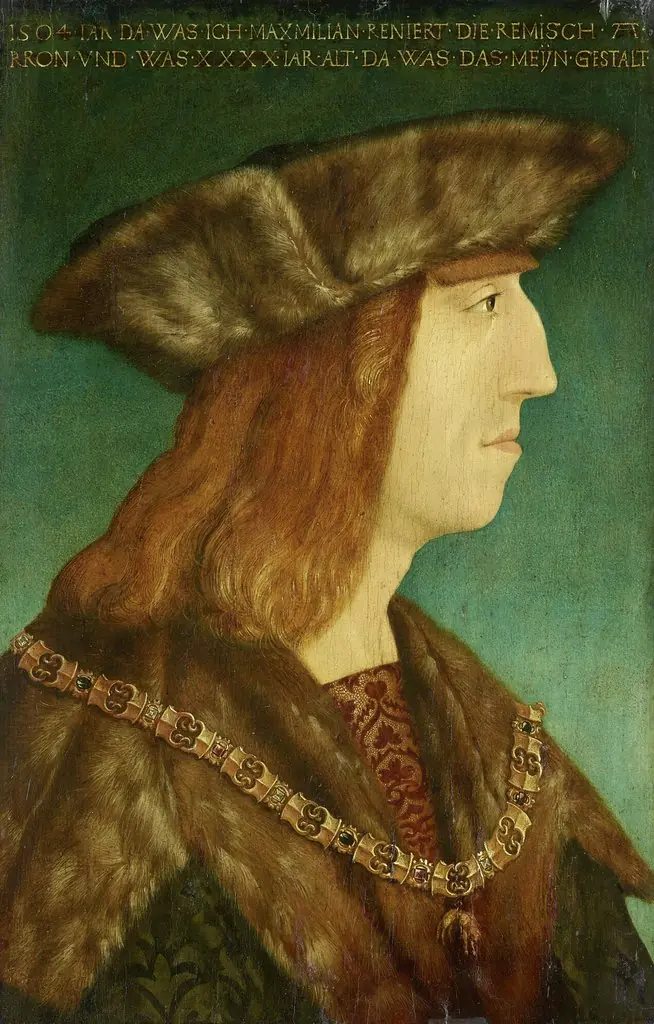 Emperor Maximilan I. (1459-1519)