Artwork
The mousetrap
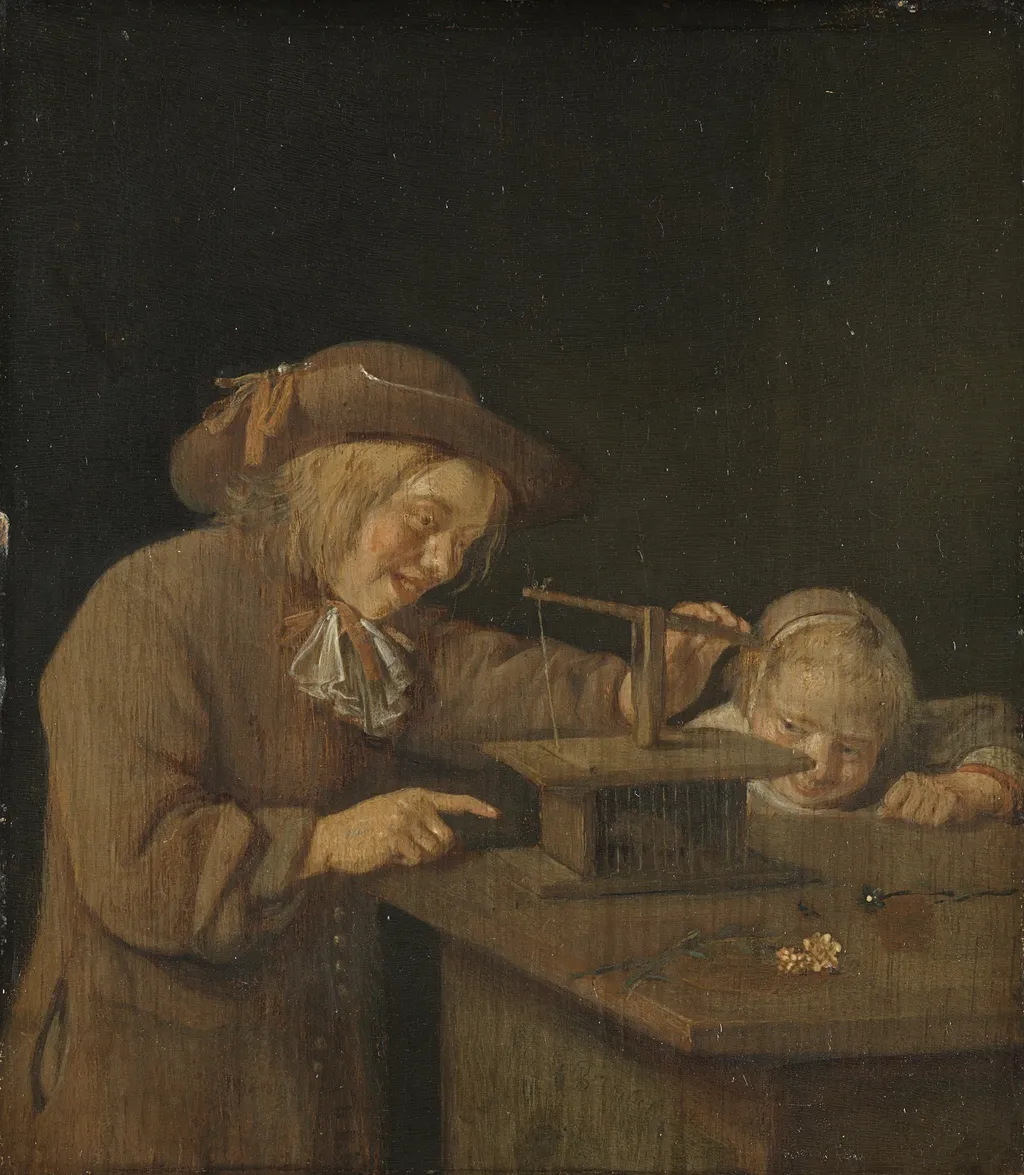
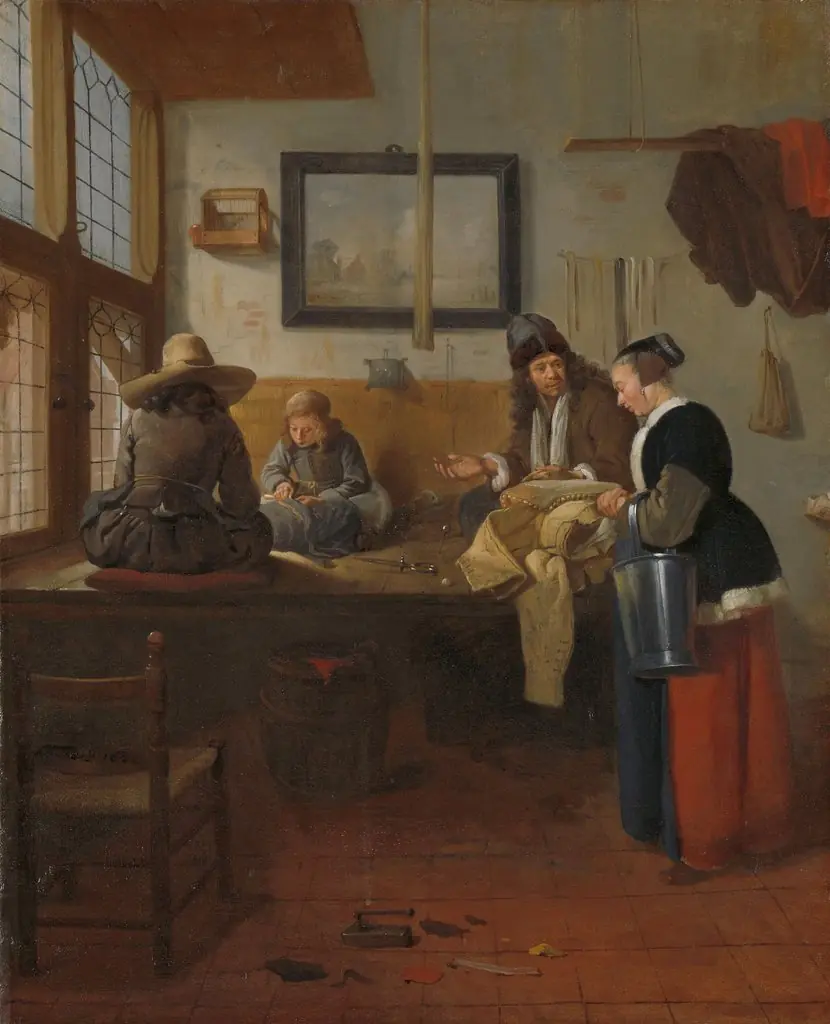
The mousetrap is an oil painting by the Dutch Golden Age artist Quirijn van Brekelenkam. It dates from 1660 and is held in the collection of the Rijksmuseum.
About this work
Overview
Quirijn van Brekelenkam, a Leiden‑based painter of the Dutch Baroque, executed *The Mousetrap* in 1660 with oil on canvas. The work belongs to the genre tradition that records ordinary domestic moments, and it is presently part of the Rijksmuseum’s collection.
Subject & Meaning
The scene presents an adult man and a child gathered around a wooden table. The man, dressed in a brown hat and coat, gestures toward a small wooden mousetrap, while the child watches with curiosity. Scattered nuts lie nearby, emphasizing the everyday, instructional nature of the tableau.
Technique & Style
Van Brekelenkam employs a restrained chiaroscuro, allowing a warm glow to illuminate the figures’ faces and hands against a darkened background. The meticulous rendering of textures—fabric, wood, and metal—reflects the fijnschilder approach associated with his presumed master, Gerard Dou.
History & Provenance
Created during the height of the Dutch Golden Age, the painting entered the Rijksmuseum’s holdings at an unspecified date, where it has been displayed as an example of mid‑17th‑century Leiden genre painting.
Context
*The Mousetrap* aligns with a broader Dutch interest in moralizing genre scenes that use simple domestic objects to suggest lessons about vigilance and education. Its focus on a single, functional object mirrors contemporary didactic themes prevalent in Leiden’s artistic circles.
Own this work as a print
Artist & collection
Artist
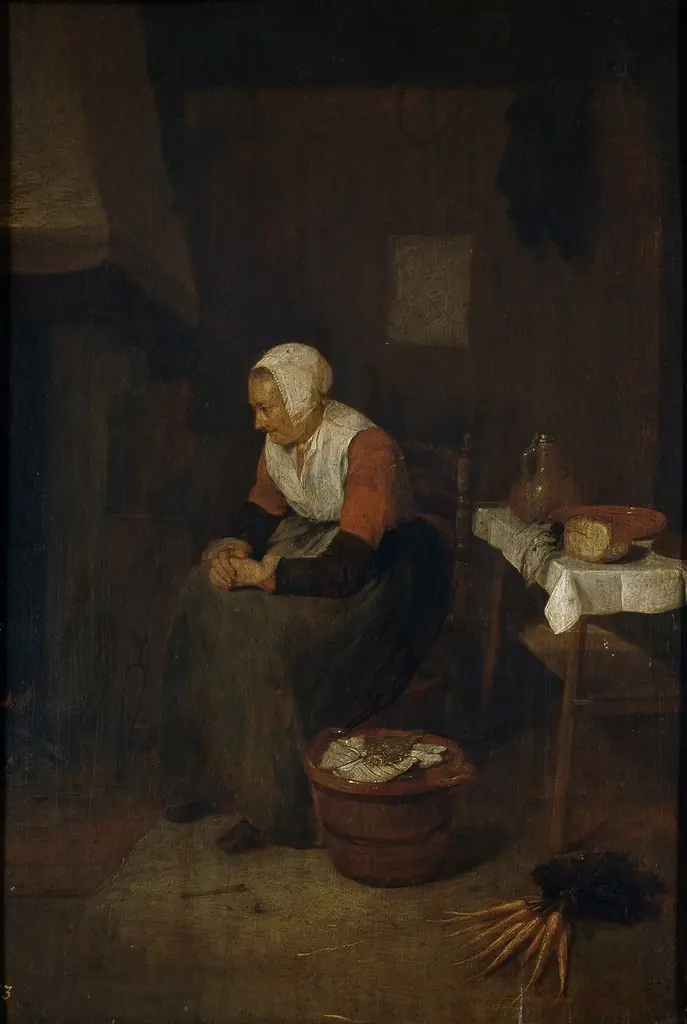
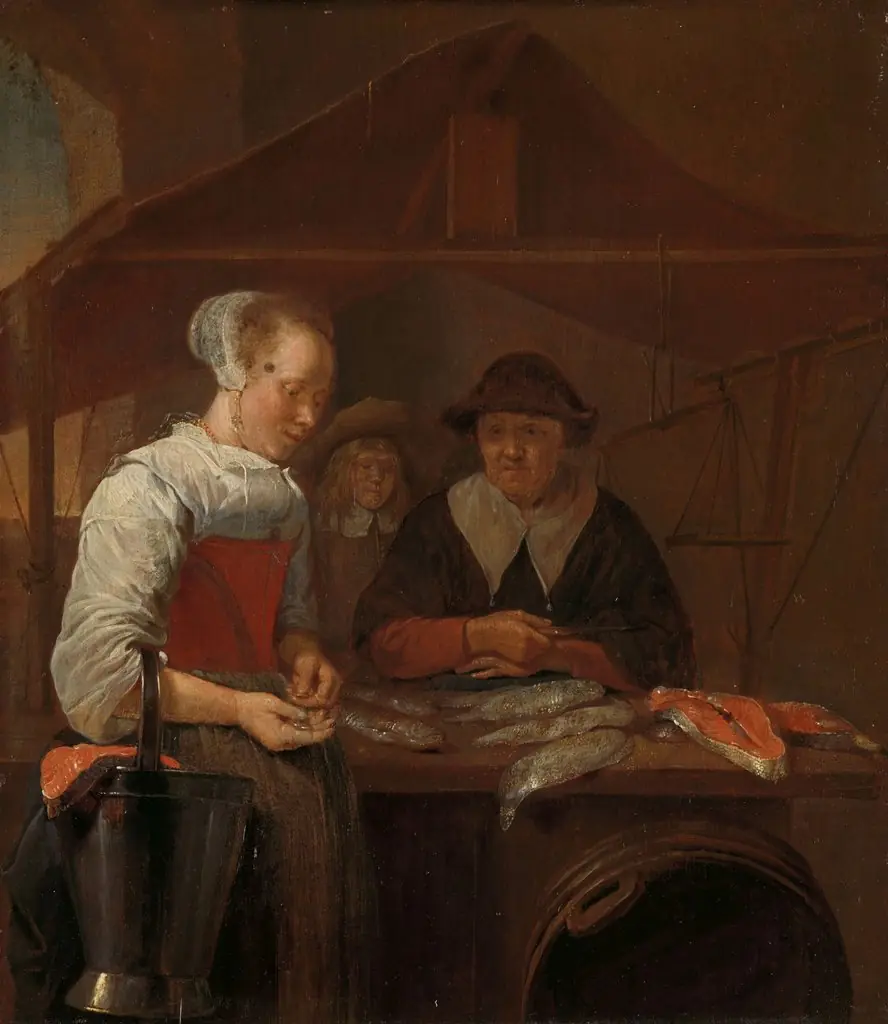
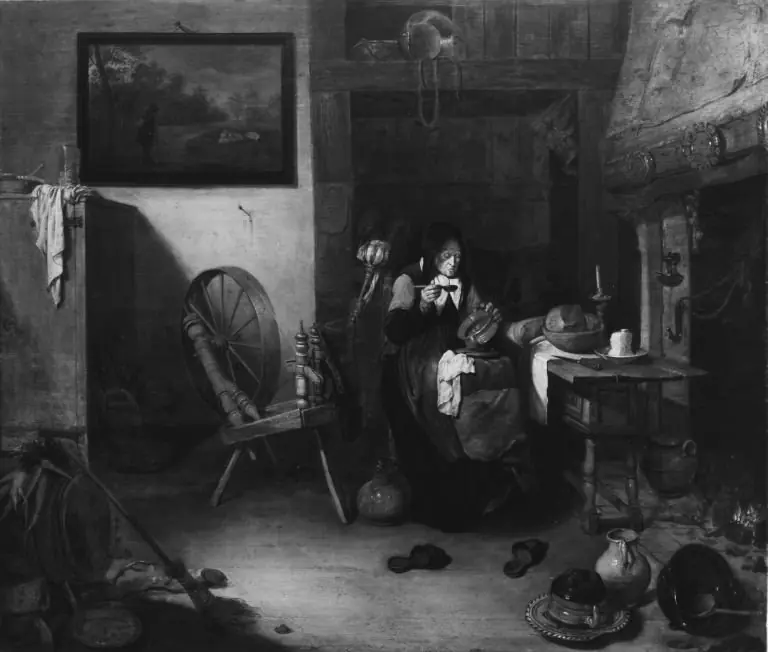
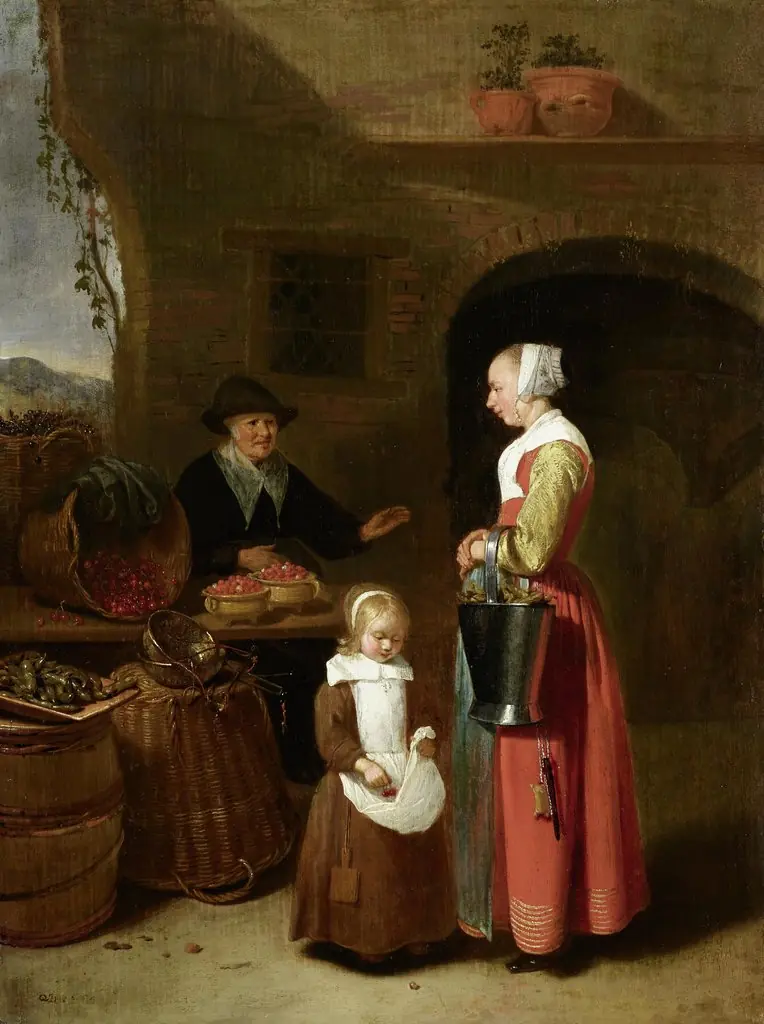
Quirijn or Quiringh Gerritsz van Brekelenkam (1622/29, Zwammerdam – 1669/79, Leiden) was a Dutch Baroque genre painter.