Artwork
Guy Little Theatrical Photograph
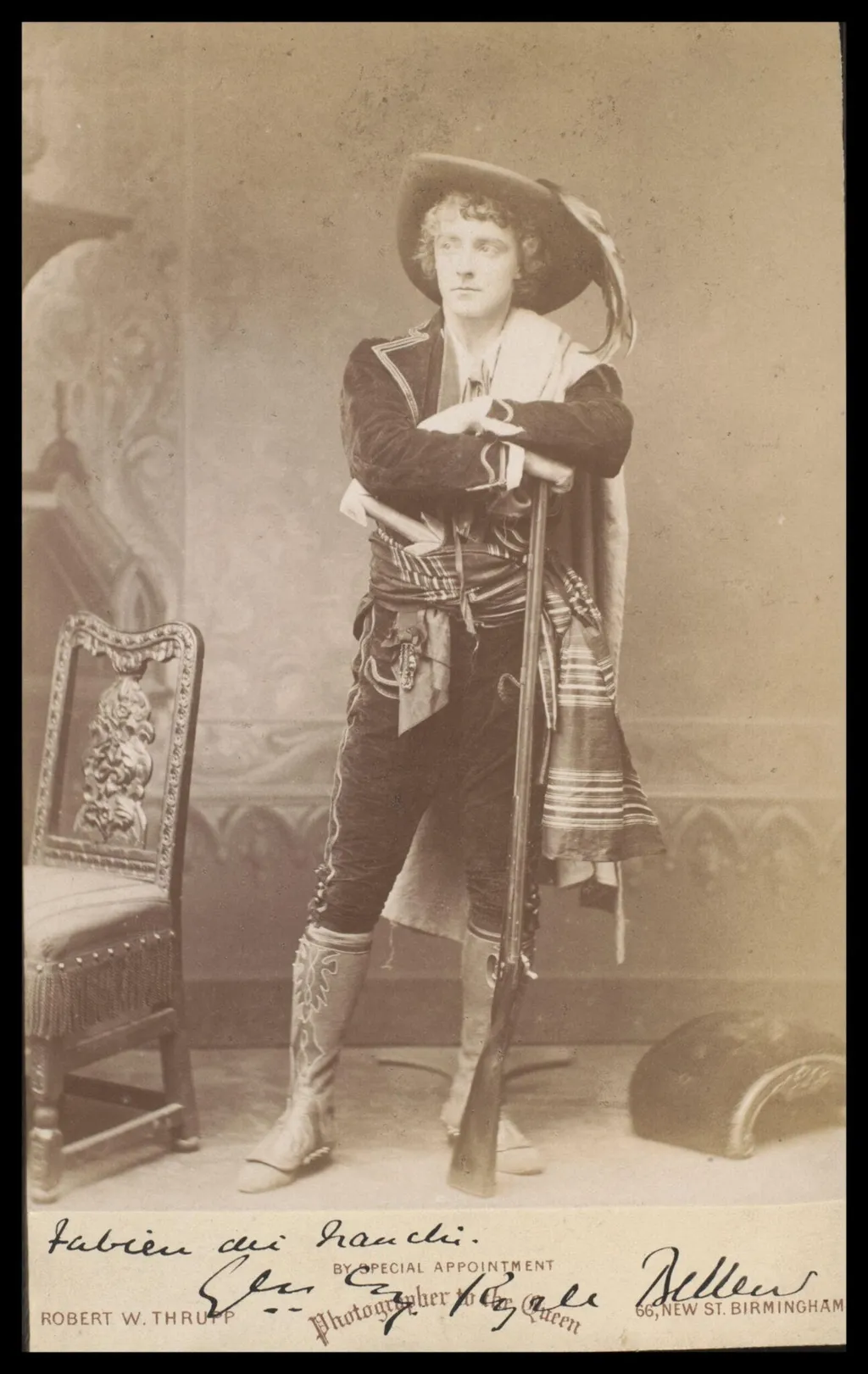
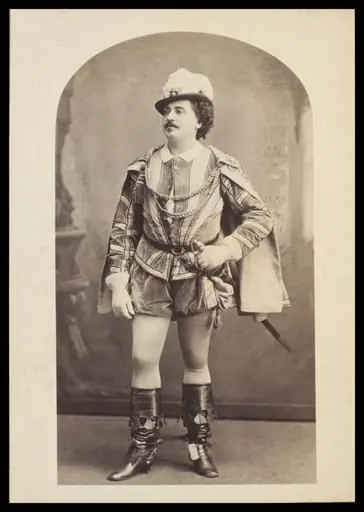
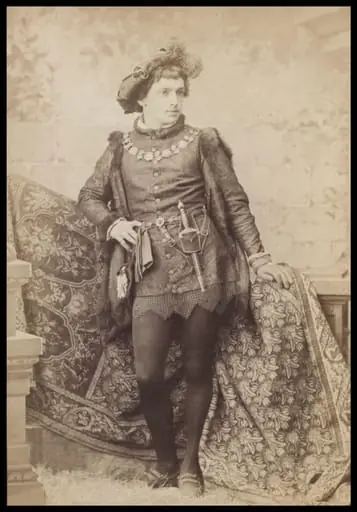
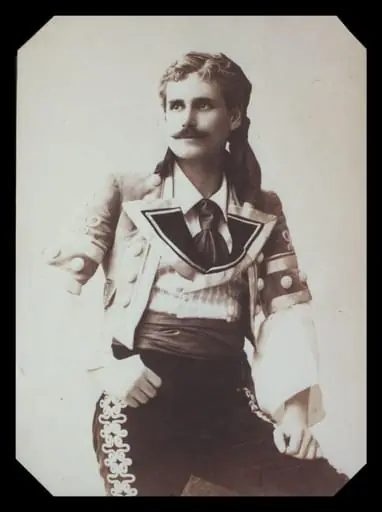
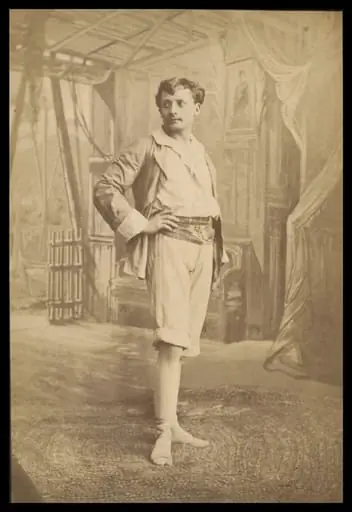
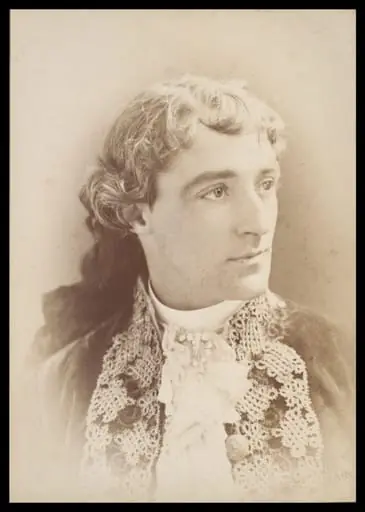
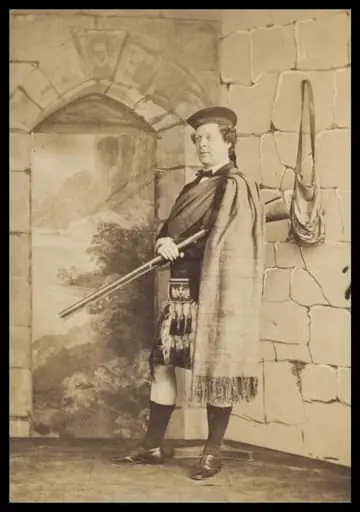
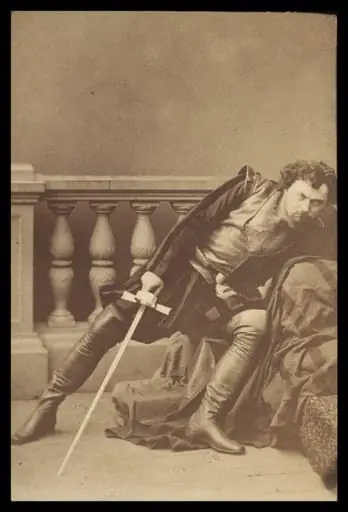
Guy Little Theatrical Photograph is a photographic photography by the Impressionist artist R. W. Thrupp. It dates from 1883 and is held in the collection of the Victoria and Albert Museum. The image is an 1883 portrait of actor Kyrle Bellew in costume as Fabien dei Franchi from the stage production *The Corsican Brothers*.
About this work
This photo shows Kyrle Bellew in his role as Fabien dei Franchi from *The Corsican Brothers*. It was taken in 1883 by R. W. Thrupp.
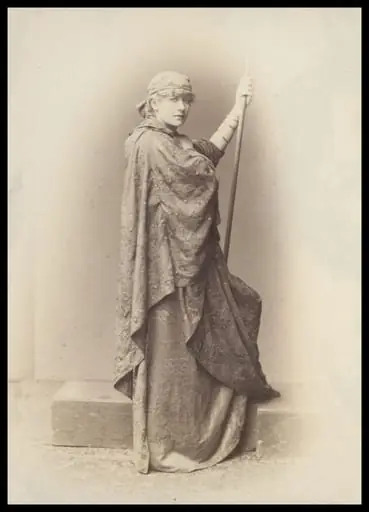
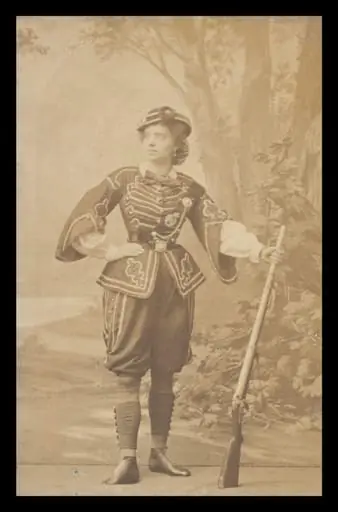
Back then, actors posed for albumen prints on cardstock. These “cartes de visite” were small calling-card sized photos popular in the 1860s. By the 1870s, sturdier “cabinet cards” replaced them.
Check out the Victoria and Albert Museum.
Overview
The image is an 1883 portrait of actor Kyrle Bellew in costume as Fabien dei Franchi from the stage production *The Corsican Brothers*. Captured by photographer R. W. Thrupp, the picture exemplifies the Victorian practice of producing theatrical portraits for personal and public circulation.
Subject & Meaning
Bellew, a prominent Victorian thespian, is depicted in full costume, emphasizing the dramatic flair of his role. The portrait serves both as a visual record of a specific performance and as a promotional likeness, allowing audiences to recall the character and the actor’s interpretation.
Technique & Style
The photograph is an albumen print made from a glass negative, a common process in the late 19th century. Originally mounted on a stiff card, the image displays the fine tonal range and sharp detail typical of the medium, while the composition follows the formal pose customary for theatrical cartes de visite.
History & Provenance
The print originated as part of a series of cartes de visite and later cabinet cards produced for the theatrical market. It was removed from its original backing and bound into an album by Guy Tristram Little, a solicitor and collector who donated the assemblage to the Victoria and Albert Museum after his death in 1953.
Context
During the Victorian era, photographic portraits of actors were widely collected as souvenirs and social tokens. The shift from small cartes de visite to larger cabinet cards in the 1870s reflected changing tastes and the growing demand for more durable, display‑ready images, a trend illustrated by this Bellew portrait.
Artist & collection
Artist
R.W. Thrupp spent his days lurking backstage at London theaters, squinting through his camera at actors mid-monologue. He didn’t care about their famous faces—he wanted the sweat on their foreheads and the scuff on…