Artwork
Gypsy Camp
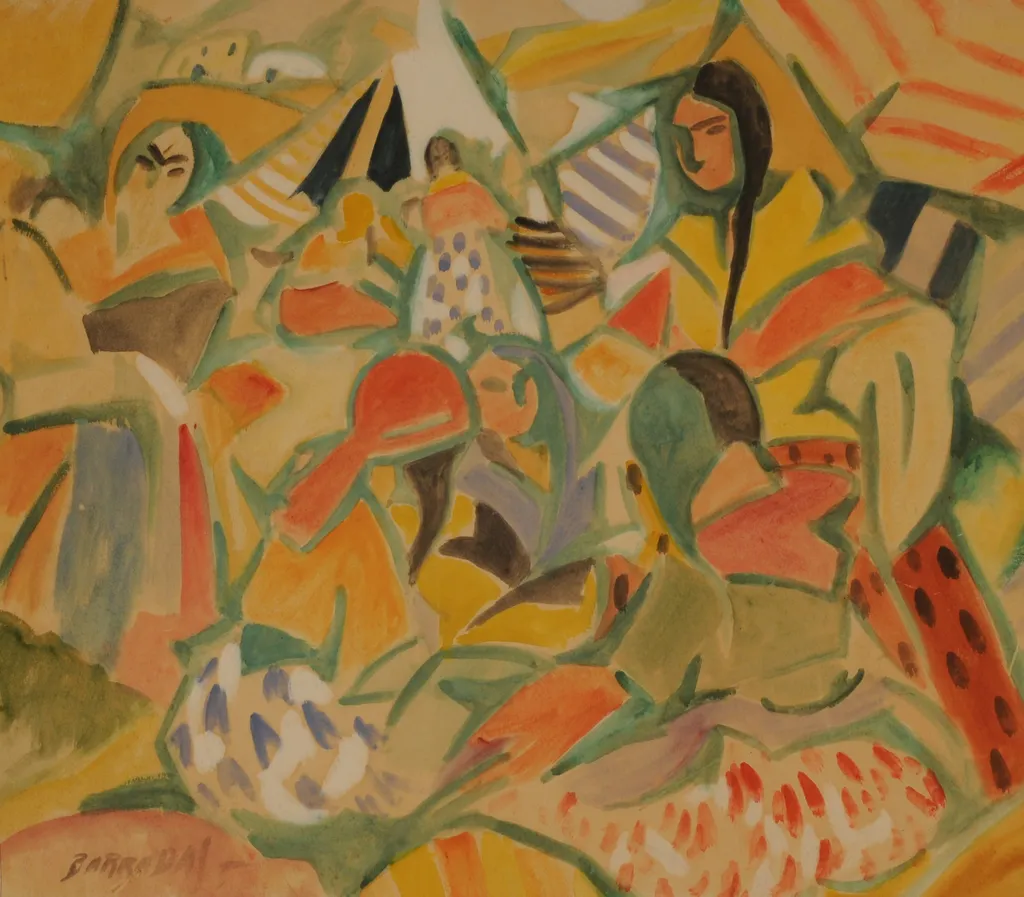
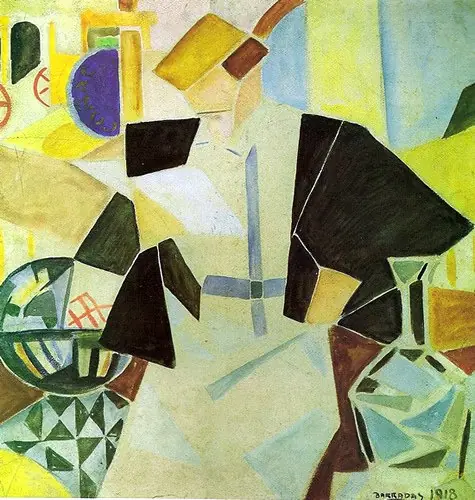
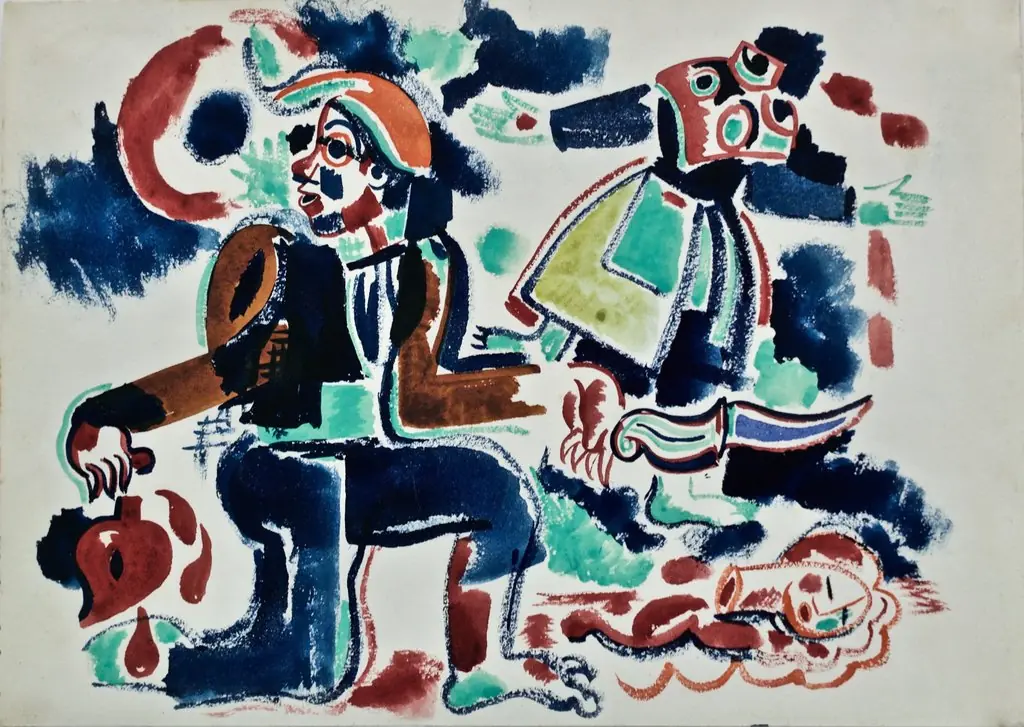
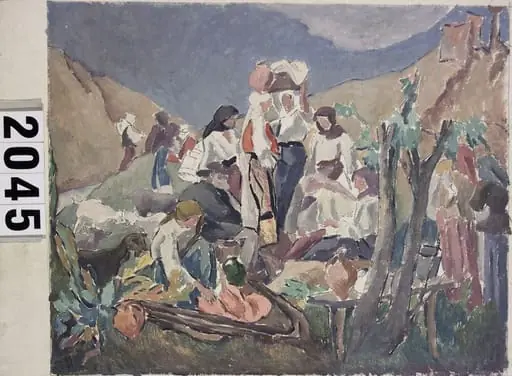
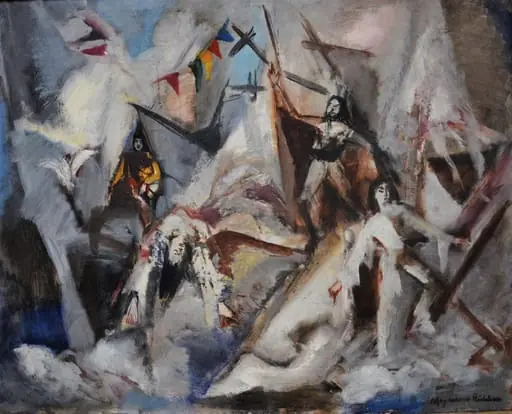
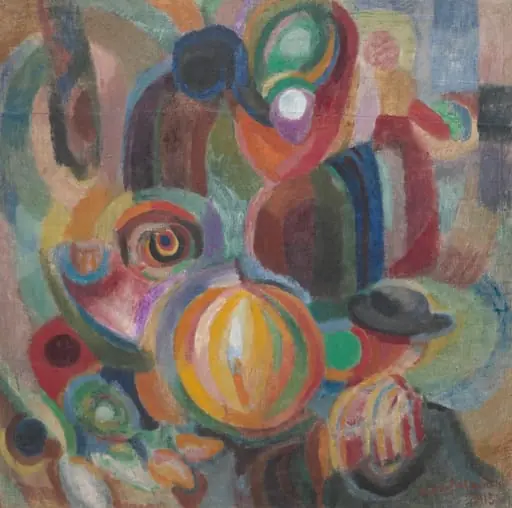
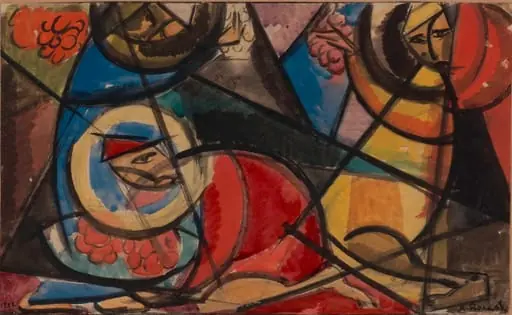
Gypsy Camp is an unspecified painting by the Post-Impressionist artist Rafael Barradas. It dates from 1918 and is held in the collection of the National Museum of Fine Arts, Argentina.
About this work
Overview
Painted in 1918 by Rafael Barradas, Gypsy Camp is an oil on canvas that captures a transient moment in a mobile community’s daily life.
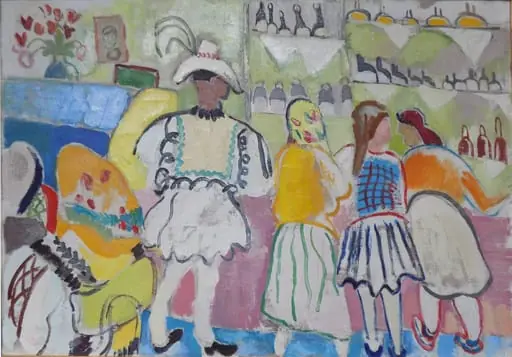
Painted in 1918 by Rafael Barradas, Gypsy Camp is an oil on canvas that captures a transient moment in a mobile community’s daily life. The work belongs to the collection of the National Museum of Fine Arts in Buenos Aires. Its composition breaks from naturalism, favoring a rhythmic arrangement of forms that convey motion and social interaction through color and shape rather than detailed realism.
Subject & Meaning
The painting depicts a group of figures in a temporary encampment, engaged in quiet, everyday activities. Though labeled 'Gypsy,' the scene avoids romanticization, presenting individuals with dignity and anonymity. Barradas focuses on collective rhythm rather than individual narrative, suggesting themes of transience, community, and the quiet resilience of itinerant life without overt commentary.
Technique & Style
Barradas employs fragmented, geometric forms and a vibrant palette of warm ochres and cool blues to generate visual energy. Brushwork is fluid and deliberate, with contours softened by overlapping planes rather than outlines. The composition avoids perspective depth, instead relying on color contrast and rhythmic repetition to guide the eye, aligning with early 20th-century avant-garde tendencies toward abstraction and expressive distortion.
History & Provenance
Created during Barradas’s time in Argentina after years in Spain and France, the painting reflects his engagement with local cultures and modernist experimentation. It entered the National Museum of Fine Arts in Buenos Aires in the early 20th century, likely through direct acquisition or donation. Its presence in the museum’s collection underscores its recognition as a significant work within Argentina’s modern art canon.
Context
Gypsy Camp emerged amid a broader Latin American interest in indigenous and nomadic life as symbols of cultural authenticity. Barradas, influenced by Cubism and Futurism, sought to reconcile European modernism with regional subjects. The painting responds to urbanization and social change, offering a visual meditation on mobility and marginality during a period of rapid transformation in Argentina.
Legacy
The work remains a touchstone in discussions of Argentine modernism for its synthesis of international styles and local observation. While Barradas’s reputation fluctuated after his death, Gypsy Camp continues to be referenced in scholarly studies of early 20th-century Latin American painting. Its formal innovations and restrained subject matter have influenced later generations seeking to merge abstraction with social realism.
Own this work as a print
Artist & collection

Artist
Rafael Pérez Giménez Barradas, was an Uruguayan modernist painter and graphic artist who worked in Spain.

Museum
National Museum of Fine Arts, Argentina
Continue through works from the same source collection.