Artwork
Untitled
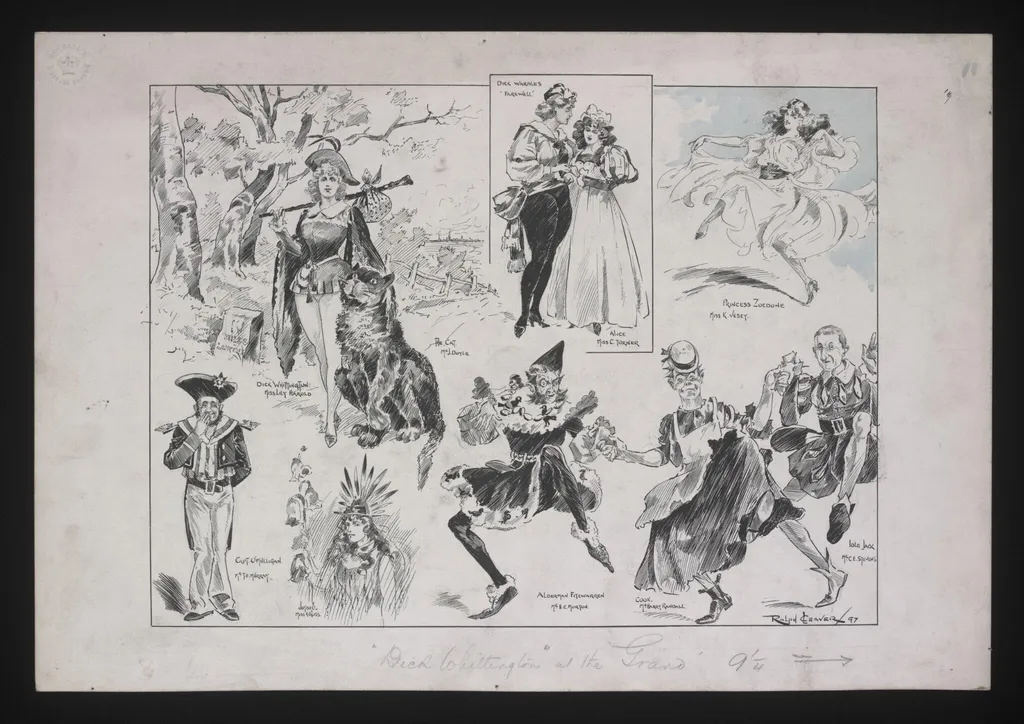
Untitled is a drawing by the Impressionist artist Ralph Cleaver. It dates from 1898 and is held in the collection of the Victoria and Albert Museum.
About this work
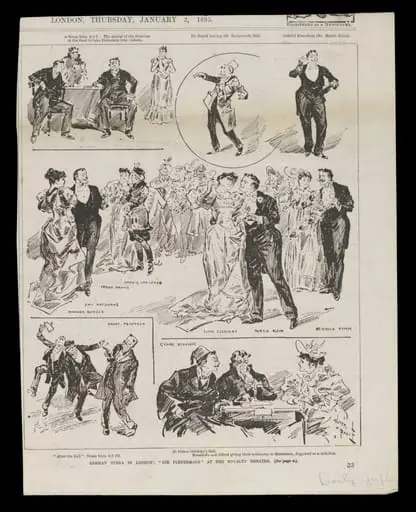
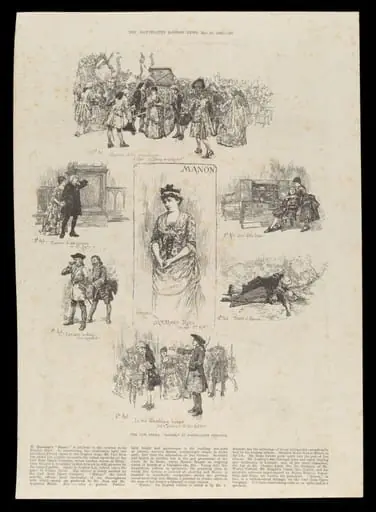
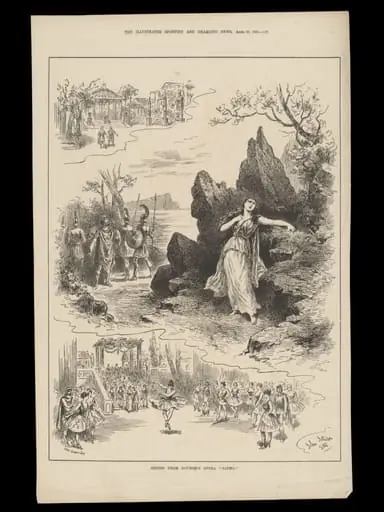
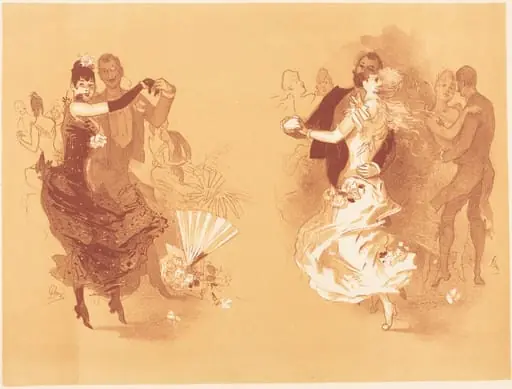
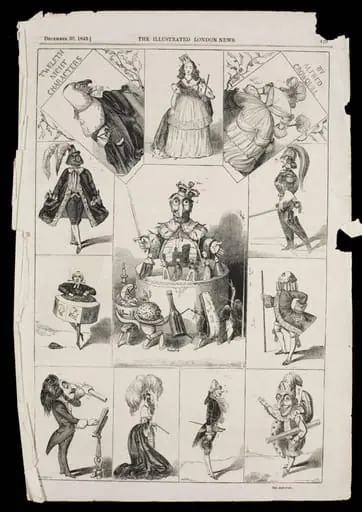
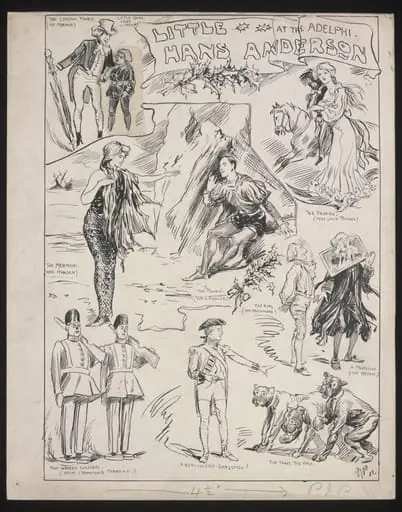
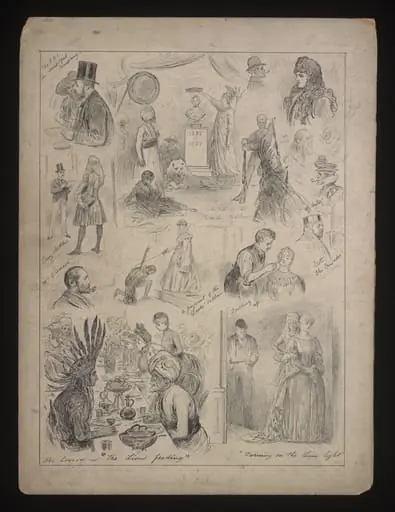
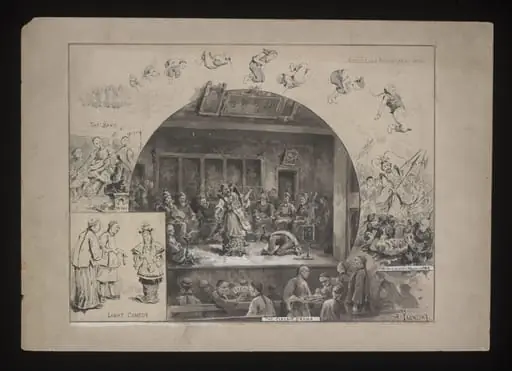
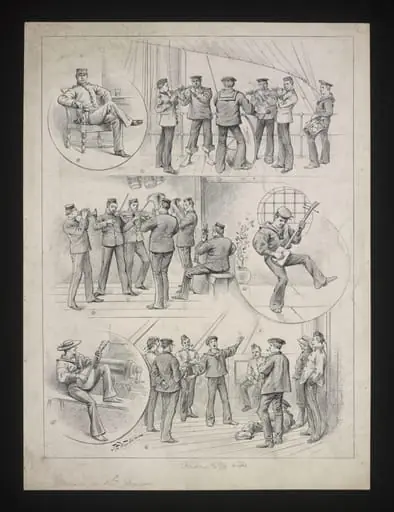
This 1898 drawing shows lively scenes from a Christmas pantomime called *Dick Whittington and his Cat*.
This 1898 drawing shows lively scenes from a Christmas pantomime called *Dick Whittington and his Cat*. It’s a quick pen-and-ink sketch made for a magazine, full of performers and stage moments.
Cleaver dated and signed the piece right on the page. A big gift of these theater drawings came to the museum from one generous donor in 1914.
If you like this kind of lively stage art, look up the Victoria and Albert Museum.
Overview
This pen-and-ink drawing, signed and dated 1898 by Ralph Cleaver, captures moments from the Christmas pantomime Dick Whittington and his Cat at the Grand Theatre, Islington. Created as a preparatory sketch for reproduction in a periodical, likely The Illustrated London News, it belongs to a series of theatrical illustrations commissioned for mass circulation. The work was later included in a larger collection donated to the museum by Sir William James Ingram in 1914.
Subject & Meaning
The drawing depicts a dynamic array of characters and stage moments from the popular pantomime, emphasizing exaggerated gestures and costumed figures typical of the genre. It reflects the cultural resonance of seasonal theater in late-Victorian Britain, where such performances blended folk tales with slapstick and song. The sketch serves not as a finished artwork but as a visual record of live entertainment for a broad readership.
Technique & Style
Executed swiftly in pen and ink, the drawing employs fluid lines and minimal shading to convey movement and character. Details are suggested rather than rendered fully, prioritizing clarity and speed for reproduction. The composition groups multiple scenes within a single frame, a common editorial approach to maximize visual narrative within limited print space.
History & Provenance
The sketch was part of a body of theatrical illustrations commissioned by illustrated newspapers during the 1890s. After its publication, it remained in private hands until 1914, when Sir William James Ingram donated his collection of such drawings to the museum. This donation preserved a rare archive of contemporary stage documentation, offering insight into popular entertainment of the era.
Context
During the late 19th century, illustrated weeklies relied on artists like Cleaver to visually report on theater, sports, and public events. Pantomimes like Dick Whittington were annual traditions, drawing families to theaters across Britain. These sketches bridged the gap between live performance and domestic consumption, making theater accessible beyond the auditorium.
Legacy
The drawing survives as part of a significant archive of Victorian theatrical illustration, offering scholars a window into the visual culture of popular stage entertainment. While Cleaver’s individual career remains largely undocumented, his work contributes to a broader understanding of how performance was mediated through print media in the pre-photographic age.
Artist & collection
Artist
We don’t know much about Ralph Cleaver—no birth date, no biography, just a name and a few drawings from the late 1800s.