Artwork
Moses Seymour Jr.
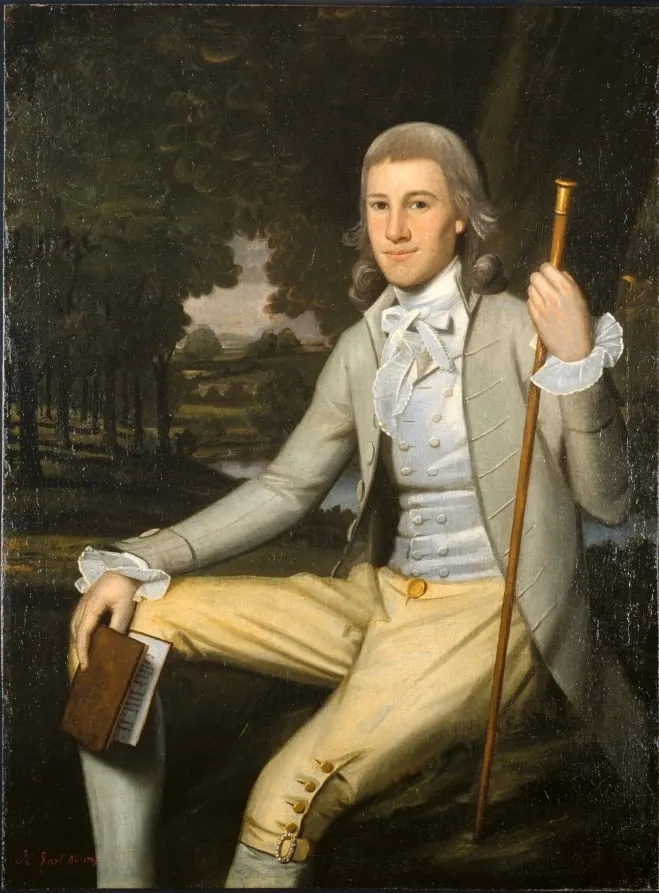
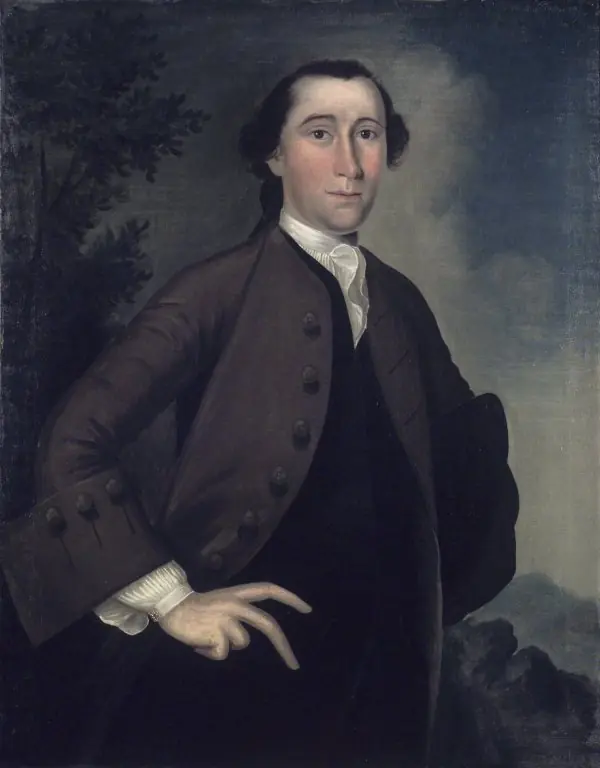
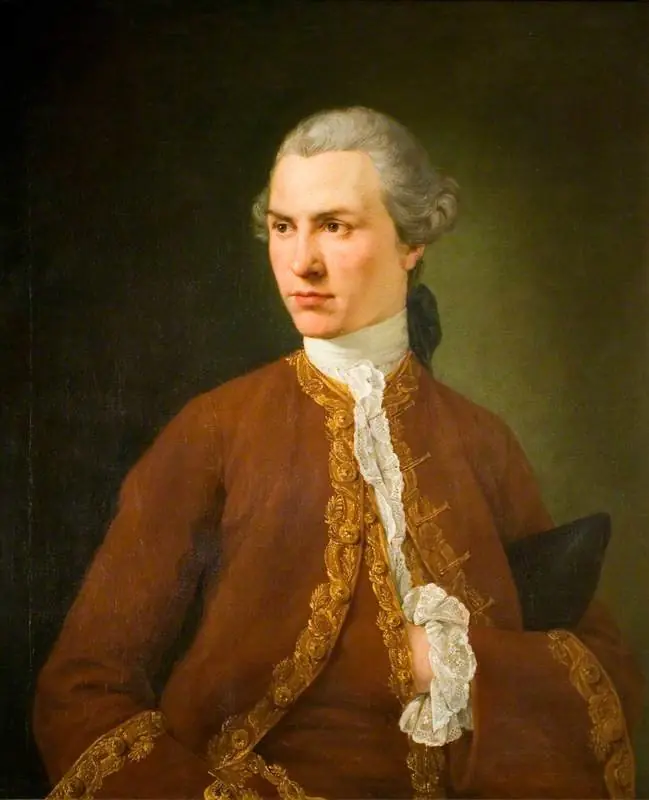
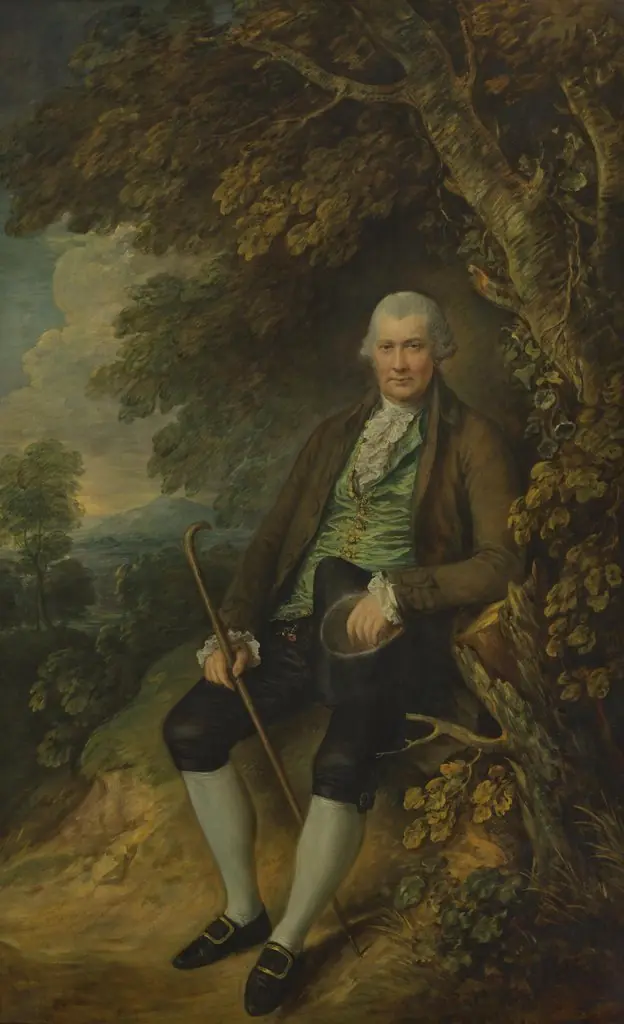
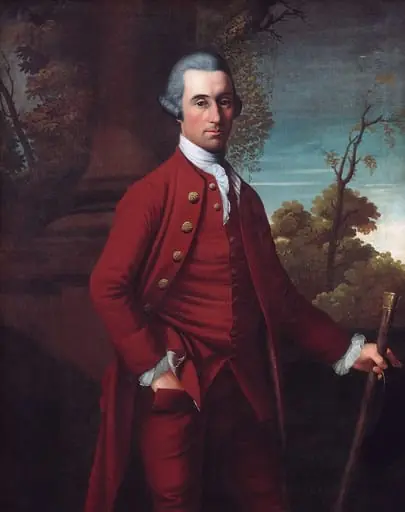
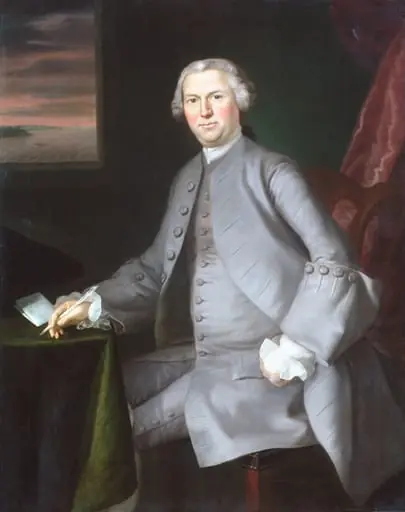
Moses Seymour Jr. is an unspecified painting by the American Impressionist artist Ralph Earl. It dates from 1789 and is held in the collection of the Cleveland Museum of Art.
About this work
The artist, Ralph Earl, was one of the first to paint everyday Americans instead of just rich Europeans.
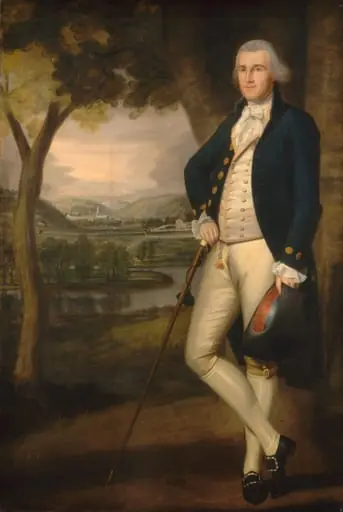
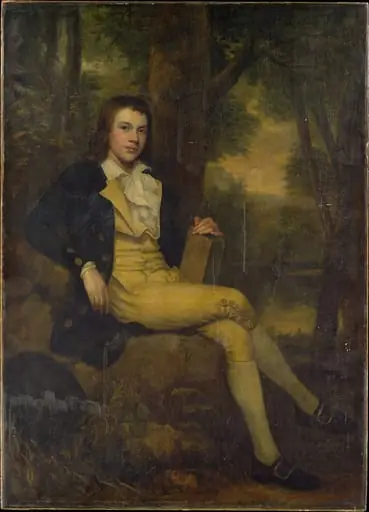
A boy in a dark coat stands by a tree, holding a book and a cane. His face is calm, almost serious, like he’s posing for a school photo.
This portrait was painted in 1789, right after the American Revolution. The boy’s dad fought in the war, and now his son gets to stand here, dressed like a little gentleman. The artist, Ralph Earl, was one of the first to paint everyday Americans instead of just rich Europeans.
If you like this, check out more works in the subject: america, american.
Overview
Painted in 1789, this portrait depicts Moses Seymour Jr., a fifteen-year-old boy from Litchfield, Connecticut, standing beside a tree with a book and cane. Commissioned by his father, a veteran of the Revolutionary War, the work reflects the values of the new republic: education, composure, and quiet dignity. The artist, Ralph Earl, was among the first American painters to focus on local subjects rather than European aristocracy.
Subject & Meaning
Moses Seymour Jr. is portrayed with stillness and restraint, his posture suggesting both refinement and introspection. The book implies intellectual engagement, while the cane evokes leisurely walks in nature—symbols of cultivated upbringing. His dark coat and formal stance signal social aspiration, aligning him with the emerging American gentry. The portrait conveys not wealth, but the cultural capital of a post-revolutionary elite.
Technique & Style
Ralph Earl employed a restrained palette and precise brushwork, emphasizing texture in fabric and the soft gradations of skin tone. The background is simplified, drawing focus to the figure and his symbolic props. Earl’s training in London informed his compositional clarity, yet his handling retains a distinctly American directness, avoiding ornate flourishes in favor of quiet realism.
History & Provenance
The painting was commissioned by Moses Seymour Sr., a former major in the Continental Army, who lived in Litchfield, a town known for its intellectual and political circles. Earl, having returned from London in the 1780s, became a favored portraitist among New England families seeking to document their status. The work remained in the Seymour family for generations before entering public collection.
Context
Created just after the American Revolution, the portrait reflects a nation defining its identity beyond monarchy. Unlike European portraiture that emphasized lineage and power, this image celebrates individual character and civic virtue. Earl’s focus on middle- and upper-class Americans helped establish a visual language for the new republic, one rooted in personal dignity rather than inherited privilege.
Legacy
Ralph Earl’s portraits, including this one, contributed to the development of a native American artistic tradition. By depicting ordinary citizens with solemnity and attention to detail, he shifted the focus of portraiture from aristocratic spectacle to personal identity. His work laid groundwork for later American painters who sought to represent the character of the republic through its people.
Artist & collection
Artist
Ralph Earl (May 11, 1751 – August 16, 1801) was an American artist known for his landscape paintings and numerous portraits.