Artwork
Les Aliscamps, Arles
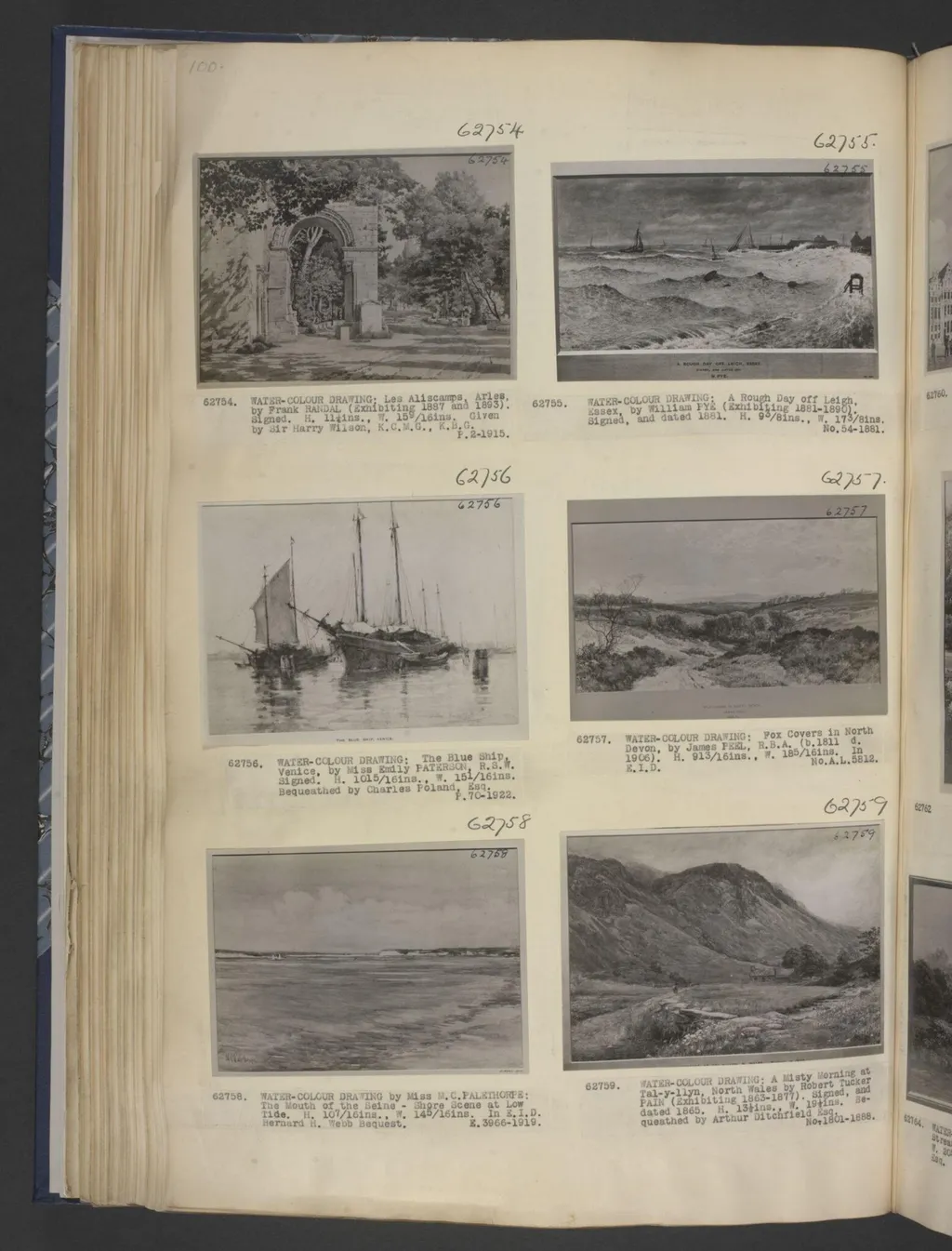
Les Aliscamps, Arles is a watercolor work on paper by Frank Randal. It dates from 1850 and is held in the collection of the Victoria and Albert Museum.
About this work
Overview
The composition centers on a weathered stone archway, partially overgrown with vegetation, with dense foliage receding behind it.
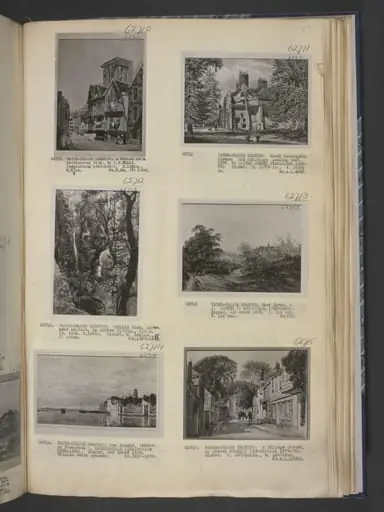
Frank Randal's watercolour depicts the ancient burial ground of Les Aliscamps in Arles, France. The composition centers on a weathered stone archway, partially overgrown with vegetation, with dense foliage receding behind it. Rendered in delicate washes, the work captures the quiet decay and serene atmosphere of the site. Signed by the artist, the piece reflects a personal engagement with historical landscape rather than a topographical record.
Subject & Meaning
Les Aliscamps was a Roman necropolis and later a medieval pilgrimage site, long associated with melancholy and remembrance. Randal’s focus on the crumbling arch and moss-covered stonework evokes time’s quiet erosion. The lush trees framing the structure suggest nature’s reclamation, reinforcing themes of transience. The absence of figures or narrative elements invites contemplation rather than storytelling.
Technique & Style
Randal employed transparent watercolour washes to suggest texture and light without heavy detail. The arch’s weathered stone is rendered with soft gradients, while the foliage is built from layered greens, creating depth without sharp outlines. The technique avoids dramatic contrast, favoring a muted, atmospheric tone that aligns with the site’s somber history and the medium’s inherent delicacy.
History & Provenance
The work is attributed to Frank Randal, a 19th-century British watercolourist known for travels in southern France. While specific acquisition history is undocumented, the piece likely originated from a sketching trip during the period when antiquarian interest in Roman sites was rising. Its survival suggests it was retained by the artist or a private collector rather than exhibited publicly.
Context
In the mid-1800s, artists and writers increasingly sought inspiration in France’s Roman ruins, drawn by their poetic decay. Les Aliscamps, though less visited than other sites, held symbolic weight as a place of ancient mourning. Randal’s watercolour aligns with a broader trend of intimate, observational landscape studies that valued mood over grandeur, contrasting with academic history painting of the era.
Legacy
Randal’s watercolour contributes to a modest but persistent body of 19th-century topographical art that documented France’s lesser-known antiquities. It offers no revolutionary technique but preserves a quiet, personal response to a historically layered landscape. Today, it remains a quiet testament to the enduring appeal of ruins as spaces for reflection, rather than spectacle.
Artist & collection

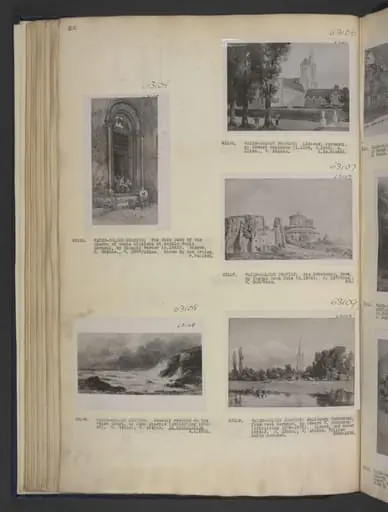 The Side Door of the Church of Santa Giuliana at Aquila Degli Abruzzi
 Near Dinas Craig, on the Holyhead Road, North Wales
 Water Carrier, Seville
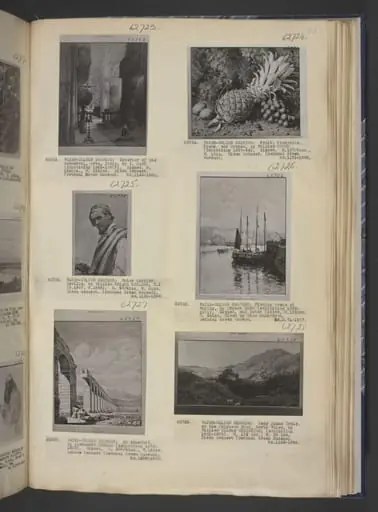
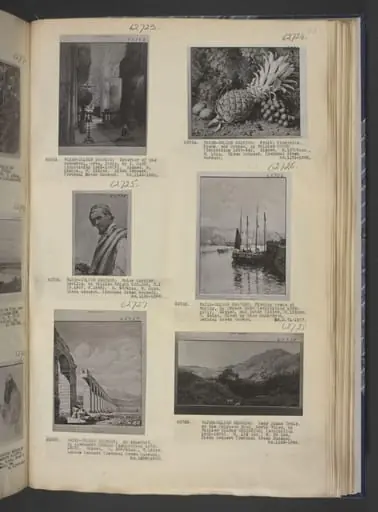
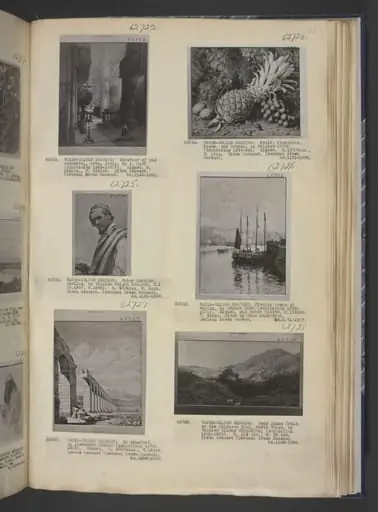 Fruit: Pineapple, Plums and Grapes
 Interior of the cathedral, Orta, Italy
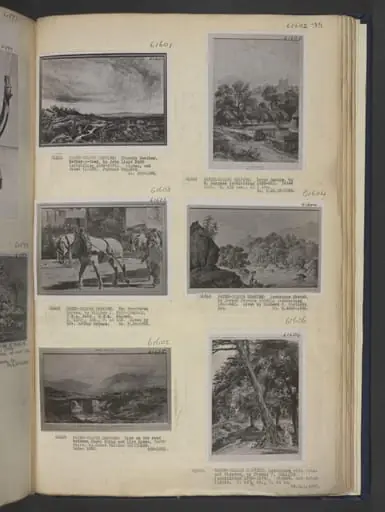 Showery Weather, Bettws-y-Coed
 Road between Capel Curig and Llyn Ogwen, North Wales
 Landscape with Trees and Figures
 Colin Glen near Belfast