Artwork
Near Dinas Craig, on the Holyhead Road, North Wales
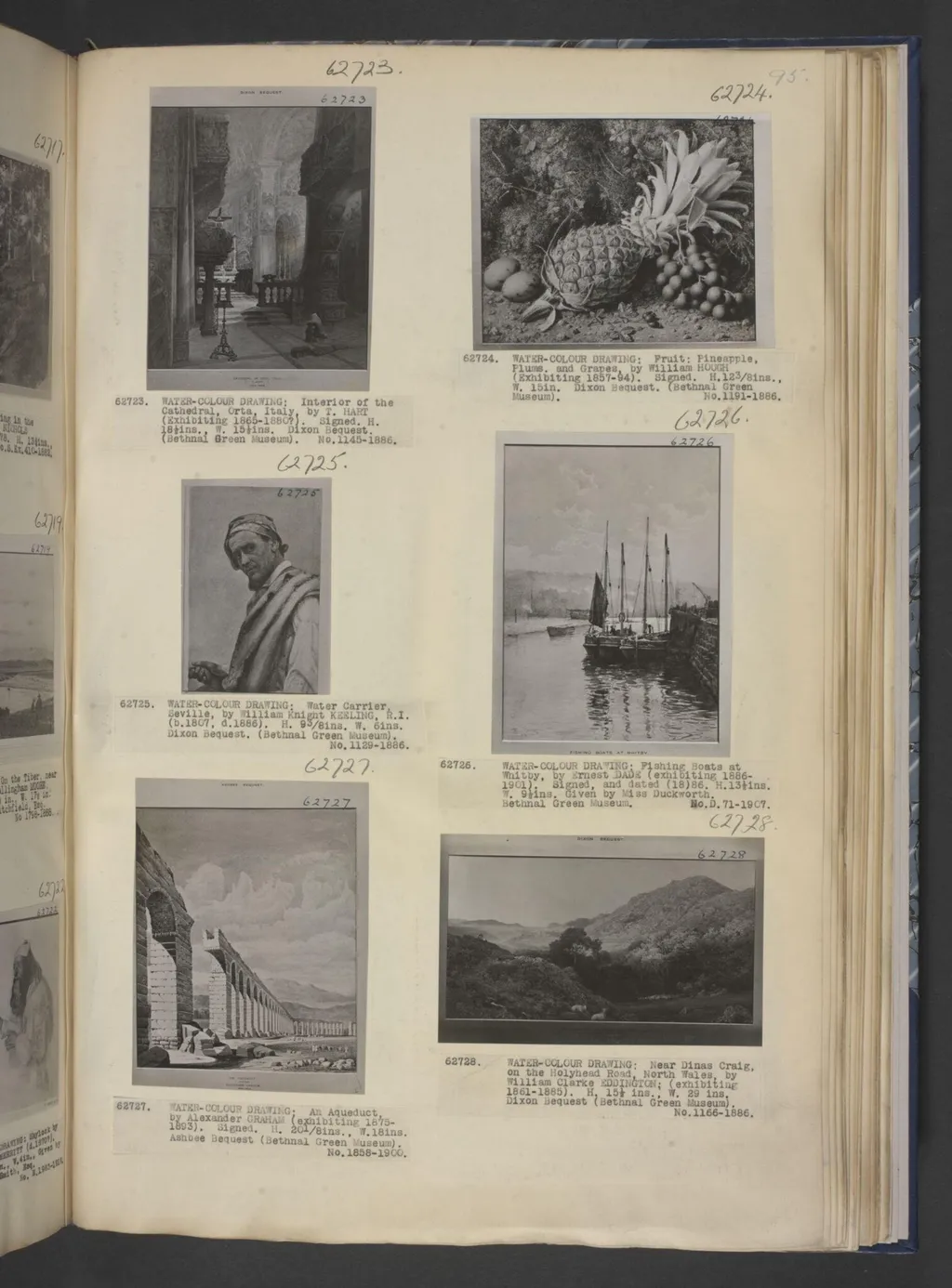
Near Dinas Craig, on the Holyhead Road, North Wales is a watercolor work on paper by the British Romanticist artist William Clarke Eddington. It dates from 1872 and is held in the collection of the Victoria and Albert Museum.
About this work
Overview
The work is a quiet, observational study of terrain and atmosphere, rendered in transparent washes that emphasize natural light and subtle tonal shifts.
Painted in 1872 by William Clarke Eddington, this watercolour captures a coastal stretch near Dinas Craig along the Holyhead Road in North Wales. The work is a quiet, observational study of terrain and atmosphere, rendered in transparent washes that emphasize natural light and subtle tonal shifts. Its scale and medium reflect the 19th-century tradition of topographical watercolour as a tool for recording landscape with precision.
Subject & Meaning
The scene depicts a rugged shoreline where dark cliffs descend abruptly to the sea, interrupted only by a narrow coastal road and a few small boats beached below. There is no human activity beyond the road’s presence, suggesting a landscape untouched by industry. The stillness and isolation convey a contemplative mood, aligning with the era’s interest in nature as a space of quiet endurance rather than romantic grandeur.
Technique & Style
Eddington employed delicate watercolour washes to model the texture of weathered rock and the soft diffusion of sky. Shadowed crevices in the cliffs contrast with pale, diffused light on upper surfaces, creating a sense of volume without heavy outline. The brushwork is restrained, avoiding dramatic flourish; the composition follows a low horizon, emphasizing the weight of land and sea over sky.
History & Provenance
The painting is held in the collection of the Victoria and Albert Museum, where it is grouped with other 19th-century British watercolours documenting regional landscapes. Its provenance traces to Eddington’s practice of sketching along travel routes, particularly those used for pilgrimage or commerce. The work was likely made during a journey along the Holyhead Road, a key route to Ireland at the time.
Context
Created during the height of Realism in British art, the piece reflects a broader shift away from idealized landscapes toward direct observation of ordinary places. While Romanticism still influenced public taste, artists like Eddington prioritized geological accuracy and atmospheric truth. This work aligns with contemporaneous surveys and travel records that sought to document Britain’s topography with scientific care.
Legacy
Eddington’s watercolours, though not widely exhibited in his lifetime, contribute to a body of work that preserved the appearance of Welsh coastal terrain before industrialization altered its edges. Today, such pieces serve as visual archives, offering insight into how everyday landscapes were perceived and recorded by artists committed to quiet, unembellished observation.
Artist & collection
Artist
William Clarke Eddington spent his life within a day’s train ride of the Welsh coast, sketching out the door of whichever inn or cottage he landed in.

 Road between Capel Curig and Llyn Ogwen, North Wales
 Water Carrier, Seville
 Fruit: Pineapple, Plums and Grapes
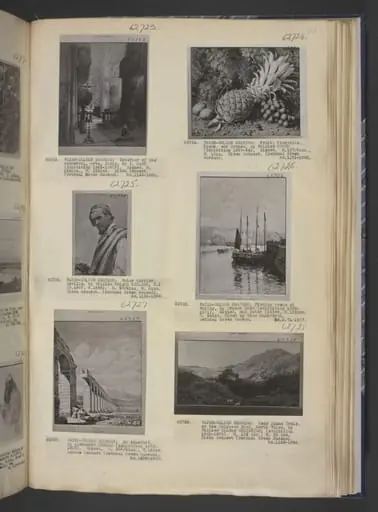 Interior of the cathedral, Orta, Italy
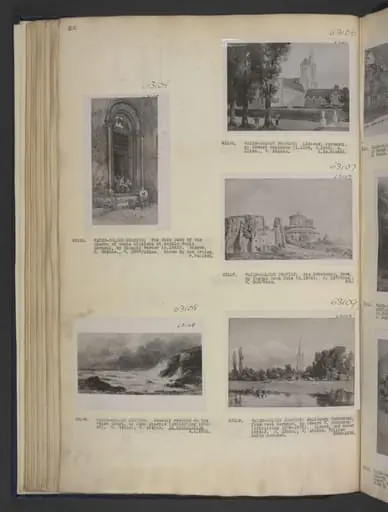 The Side Door of the Church of Santa Giuliana at Aquila Degli Abruzzi
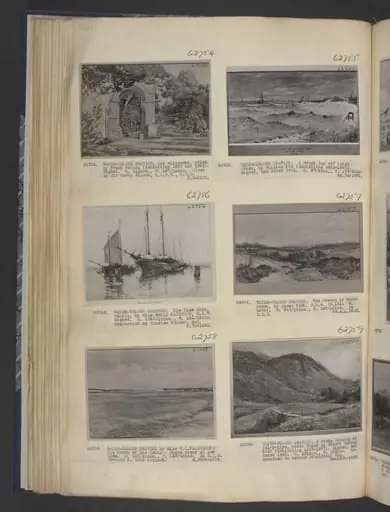 Les Aliscamps, Arles
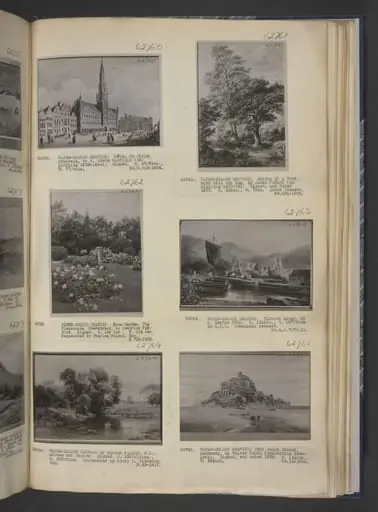 Stream and Meadows
 Showery Weather, Bettws-y-Coed
 Landscape with Trees and Figures
 Taking down the houses on old London Bridge
 An Egyptian Muleteer
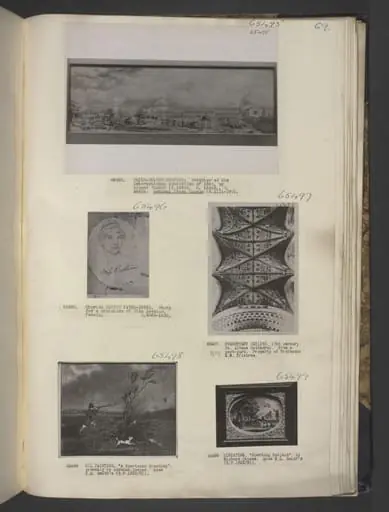 Exterior of the International Exhibition of 1862.
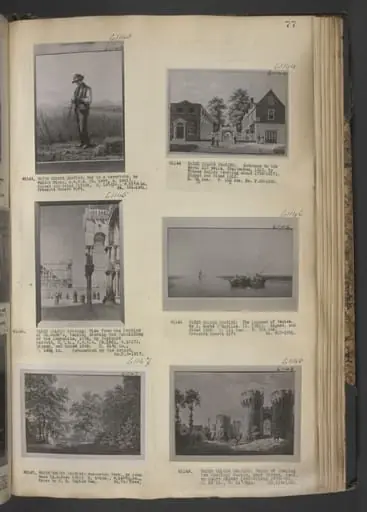 Boy in a cornfield
 Rebuilding of the Campanile, St. Mark's, Venice : View of the portico of St. Mark's
 Entrance to the Royal Old Wells, Cheltenham, 1812
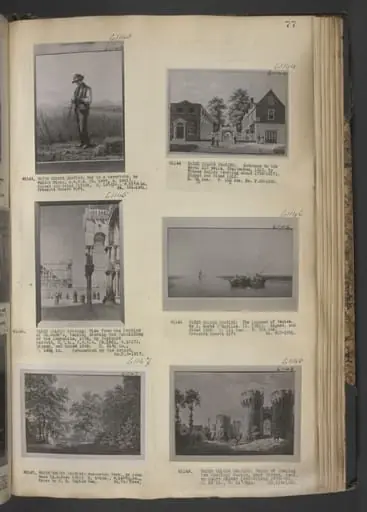 Exterior view of the ruins of Cowling (or Cooling) Castle, Kent
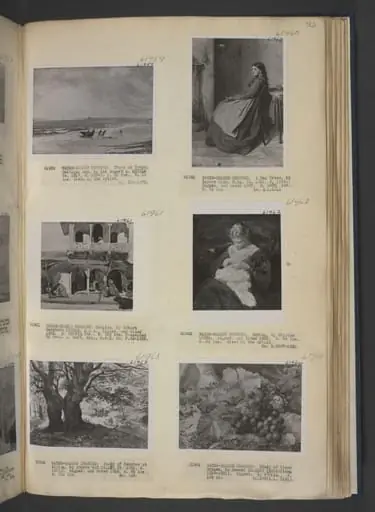 Shore at Towyn, Cardigan Bay
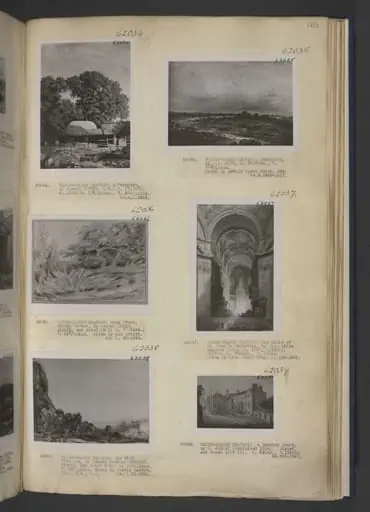 The View from Eze