Artwork
Paysage (Landscape)
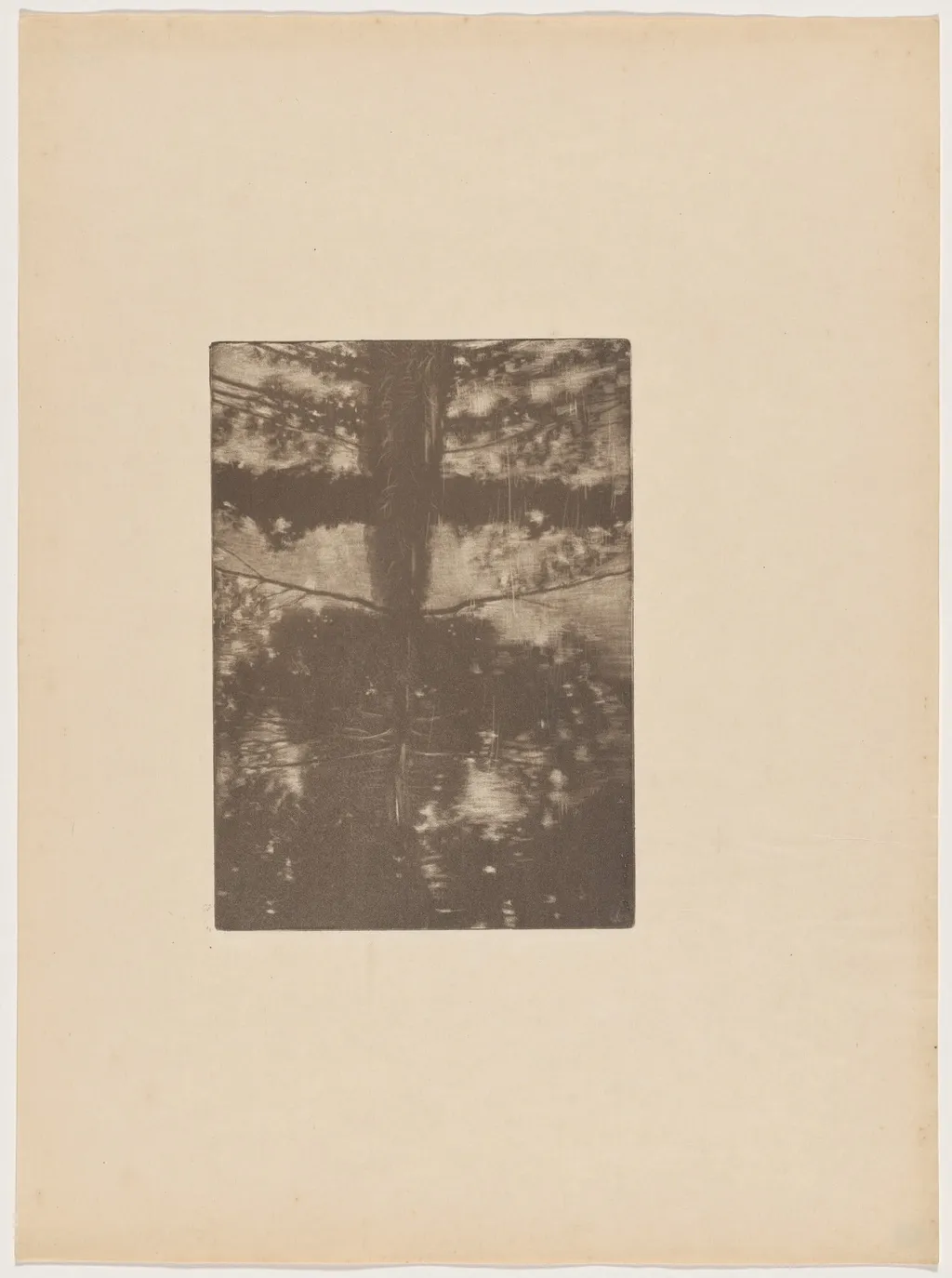
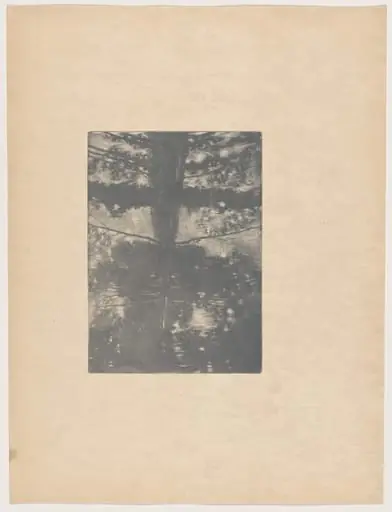
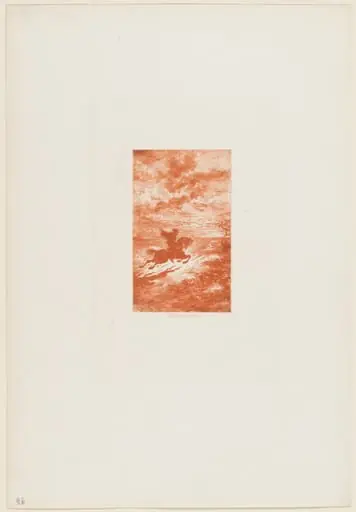
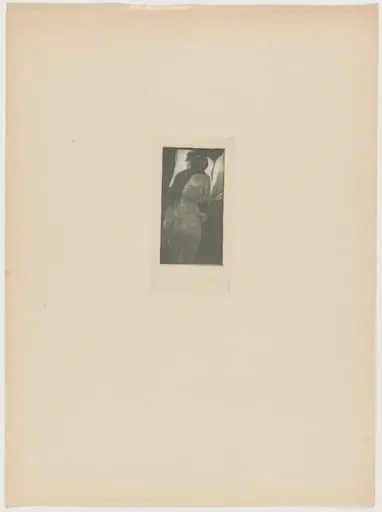
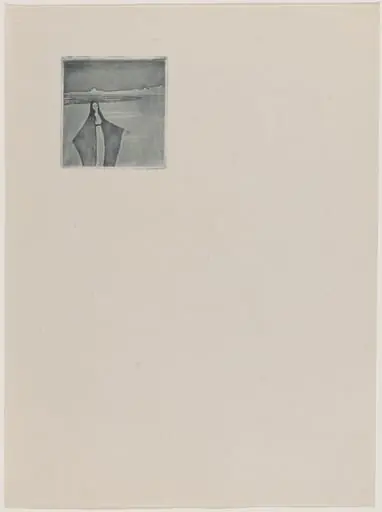
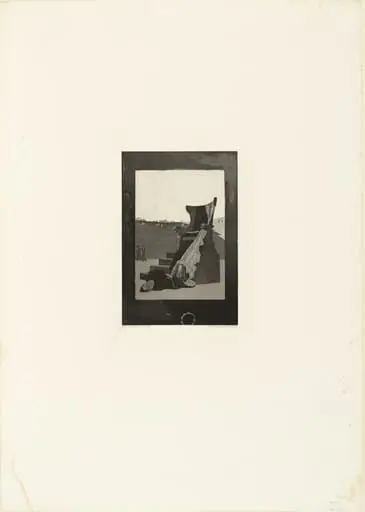
Paysage (Landscape) is an ink print by the Impressionist artist Richard Ranft. It dates from 1895 and is held in the collection of the National Gallery of Art.
About this work
Overview
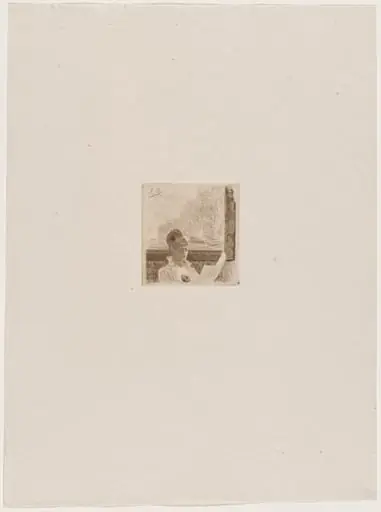
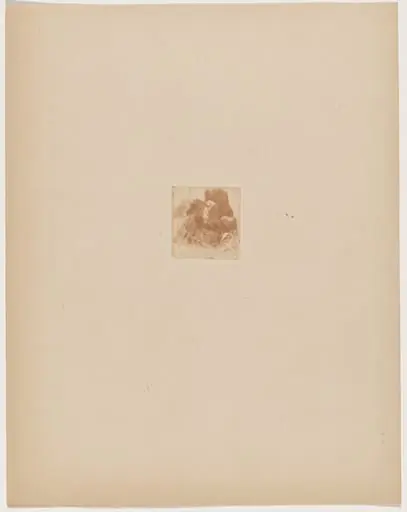
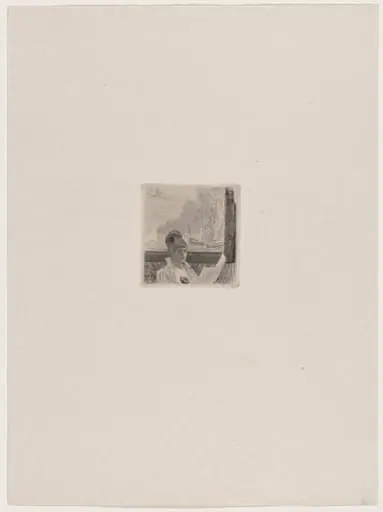
Paysage, executed in 1895 by Richard Ranft, is a printed work on heavy Japan paper employing a scraped aquatint process in brown‑black tones.
Paysage, executed in 1895 by Richard Ranft, is a printed work on heavy Japan paper employing a scraped aquatint process in brown‑black tones. The composition presents a somber natural setting where twisted tree branches dominate the upper field and a water surface below reflects a diffused, uneven image. Light specks break the darkness of the water, while the overall edge of the image softens into an indistinct border.
Subject & Meaning
The image conveys a contemplative landscape, emphasizing the interplay of shadow and light within a muted environment. The stark, angular branches contrast with the fluid, blurred water, suggesting a tension between the rigidity of the forest and the mutable nature of the reflected scene. The subdued palette and ambiguous horizon invite a reflective mood rather than a specific narrative.
Technique & Style
Ranft employed a scraped aquatint, a method in which acid‑etched areas are selectively removed with a scraping tool to produce varied textures. This approach yields smooth, glossy zones alongside rough, matte surfaces, creating a tactile contrast that enhances the atmospheric quality of the print. The brown‑black ink on the heavyweight Japan paper contributes to the depth and richness of the tonal range.
History & Provenance
Created toward the end of the 19th century, the work reflects contemporary experimentation with printmaking techniques. While specific ownership records are limited, the piece is catalogued among Ranft’s printed oeuvre and has been referenced in studies of late‑19th‑century French aquatint practices.
Artist & collection