Artwork
Ilda (Hilda)
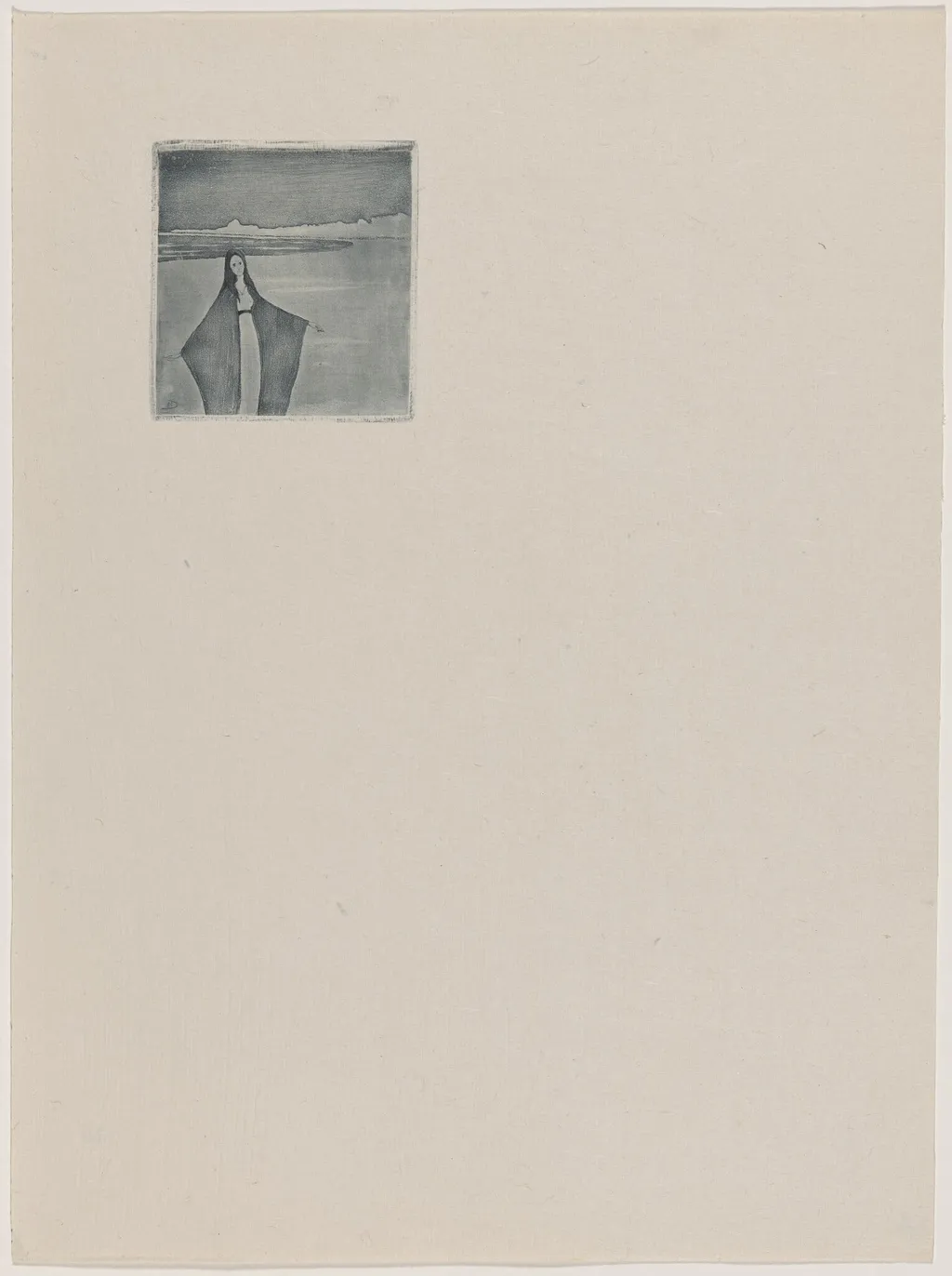
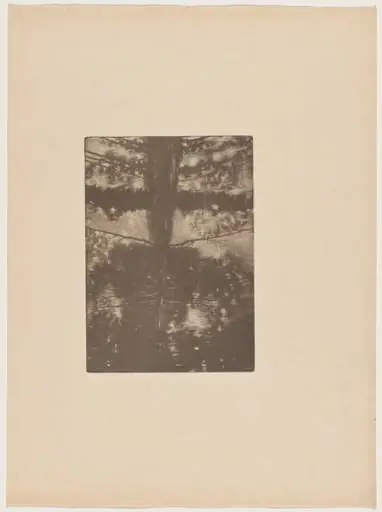
Ilda (Hilda) is an ink print by the Impressionist artist Maurice Dumont. It dates from 1894 and is held in the collection of the National Gallery of Art.
About this work
Overview
The work belongs to a niche category of printmaking that combines chemical resistance and tonal gradation to achieve subtle atmospheric effects.
Ilda (Hilda) is a small print created by Maurice Dumont in 1894, executed in blue on china paper using a sugar-lift aquatint technique. The work belongs to a niche category of printmaking that combines chemical resistance and tonal gradation to achieve subtle atmospheric effects. Its delicate scale and restrained palette reflect an interest in quiet, introspective imagery rather than dramatic narrative.
Subject & Meaning
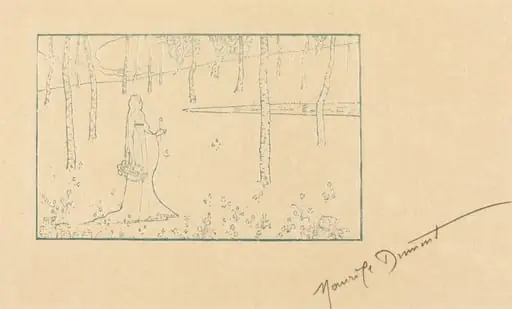
The figure is a solitary woman, clad in a long dark coat, standing near water with her face turned away from the viewer. She gazes toward a distant, softly rendered shoreline and faint hills. The anonymity of the figure and the muted environment suggest contemplation or solitude, evoking a sense of stillness rather than storytelling. No explicit symbolism is present; meaning emerges through mood and composition.
Technique & Style
Dumont employed sugar-lift aquatint, a process involving sugar-based resist applied to a metal plate, then etched to create soft, granular tones. This method allowed for delicate transitions between light and shadow, producing a hazy, smoky quality in the background. The use of blue ink on thin china paper enhances the ethereal texture, emphasizing the print’s intimacy and fragility.
History & Provenance
Created in 1894, Ilda (Hilda) is one of few known works by Maurice Dumont that survive in original print form. Its production coincided with a brief revival of experimental print techniques in late 19th-century Europe. The print’s survival on fragile china paper suggests it was likely made in limited numbers, possibly for private circulation or artistic experimentation rather than commercial sale.
Context
Dumont’s work emerged during a period when printmakers sought alternatives to traditional etching and engraving, exploring tonal effects through chemical processes. Sugar-lift aquatint, though rarely used, was favored by a small circle of artists interested in atmospheric subtlety. Ilda (Hilda) aligns with broader European trends toward introspective, mood-driven imagery in the fin de siècle.
Legacy
Though Dumont remained largely obscure, Ilda (Hilda) stands as a rare example of sugar-lift aquatint executed with sensitivity to tone and material. It contributes to the understanding of minor printmaking techniques in the late 19th century and illustrates how experimental methods could yield quiet, evocative results outside mainstream artistic movements.
Artist & collection


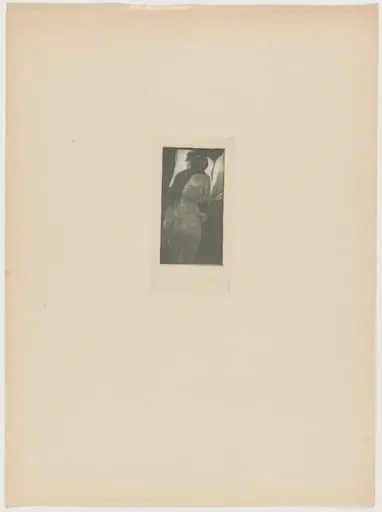 Départ pour le sabbat (Departure for the Sabbath)
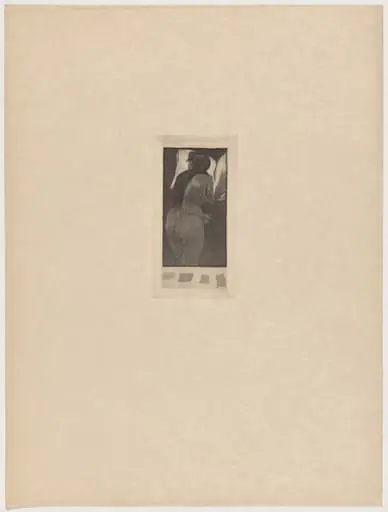 Départ pour le sabbat (Departure for the Sabbath)
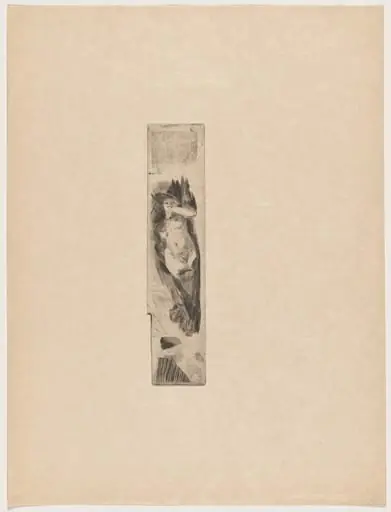 Etude de nu (Study of a Nude)
 Untitled
 La bailli
 Etude de nu (Study of a Nude)
 En Hollande (La petite liseuse)
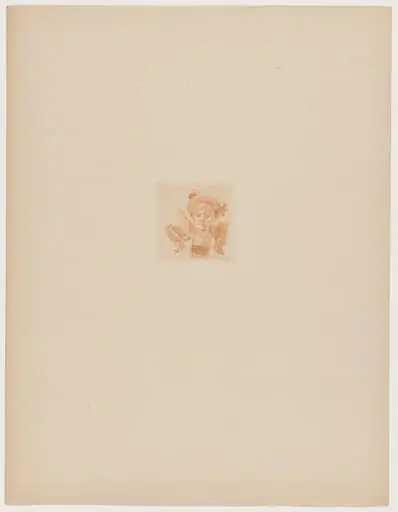 Tesson humain (Human Fragment)
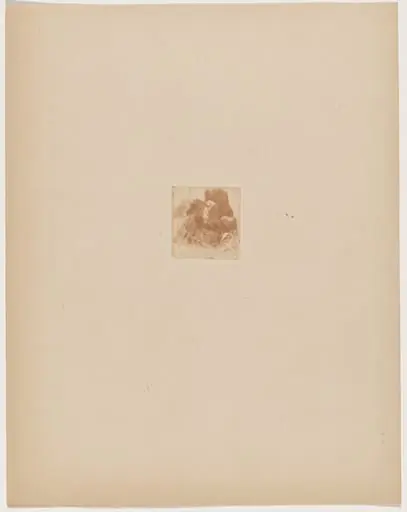 La bailli
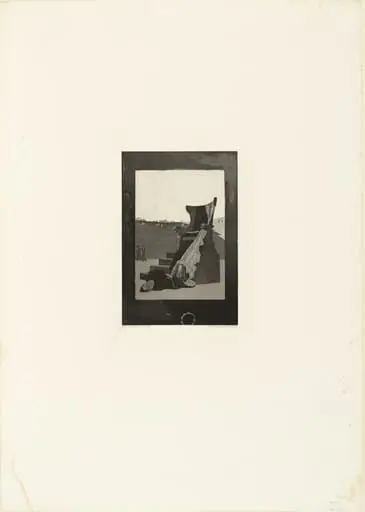 Untitled
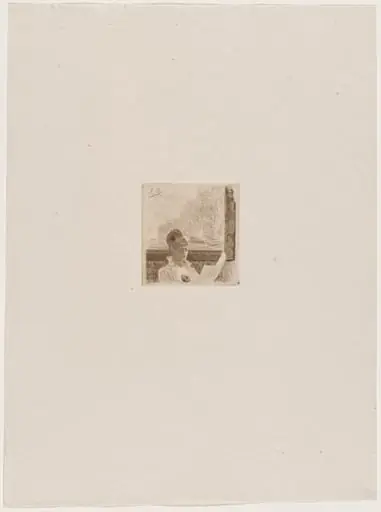 En Hollande (La petite liseuse)
 Paysage (Landscape)