Artwork
Floréal
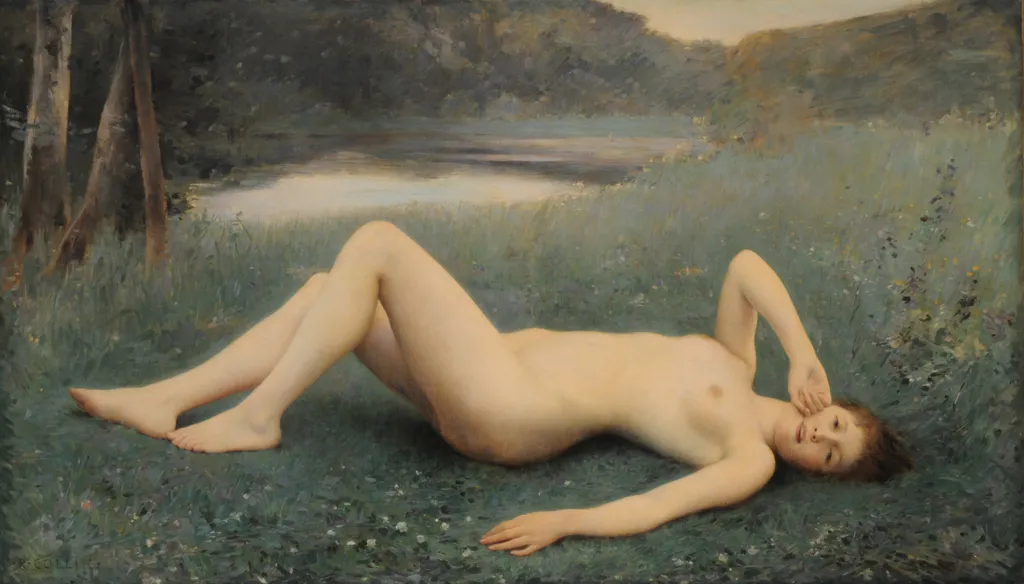
Floréal is an oil painting by the Impressionist artist Raphaël Collin. It dates from 1894 and is held in the collection of the National Museum of Fine Arts, Argentina.
About this work
Overview
It is currently held in the National Museum of Fine Arts in Buenos Aires, where it stands as a rare example of his figural compositions outside France.
Louis-Joseph-Raphaël Collin, a French academic painter born in Paris, completed *Floréal* in 1894 using oil on canvas. Though active during the rise of Impressionism, his approach retained the formal discipline of academic training. The work reflects his interest in cross-cultural aesthetics, particularly the quiet harmony found in Japanese art. It is currently held in the National Museum of Fine Arts in Buenos Aires, where it stands as a rare example of his figural compositions outside France.
Subject & Meaning
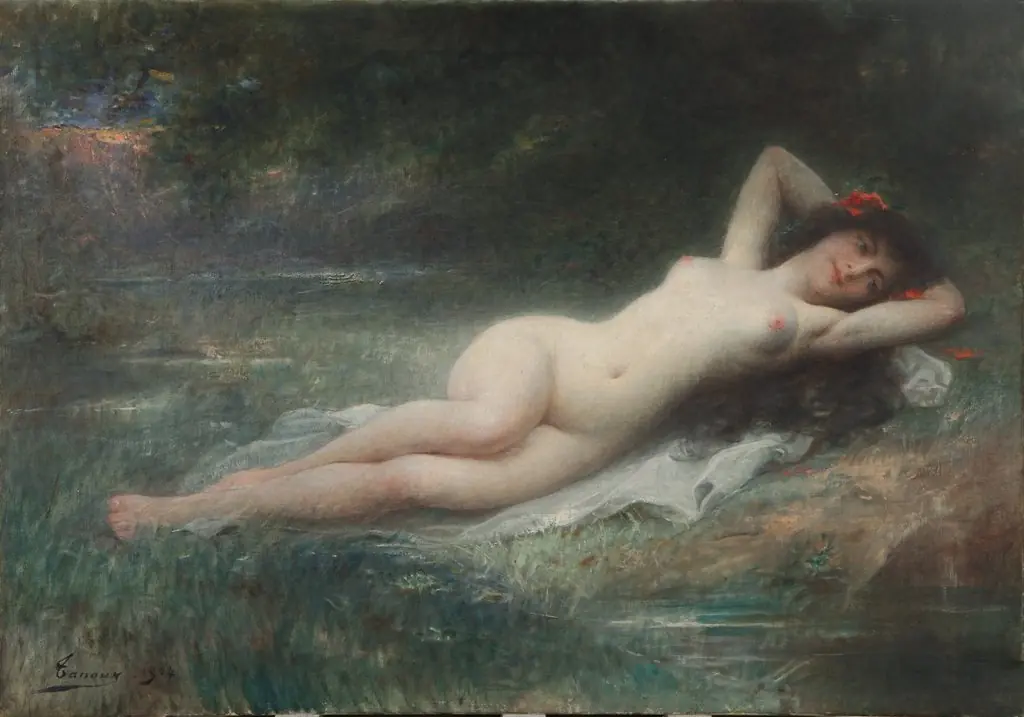
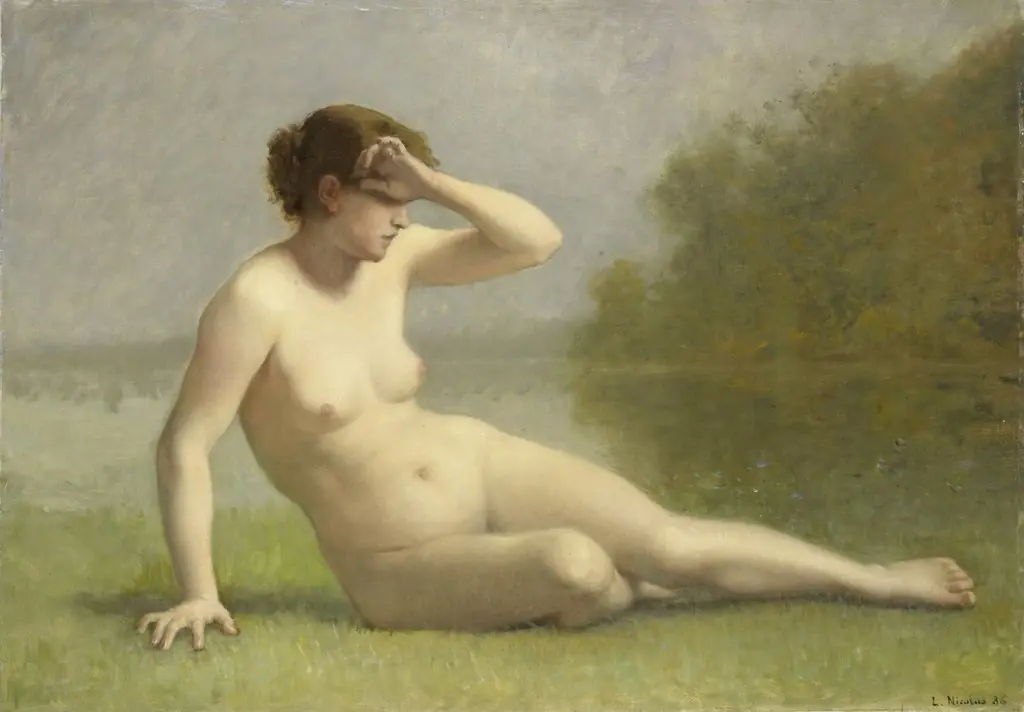
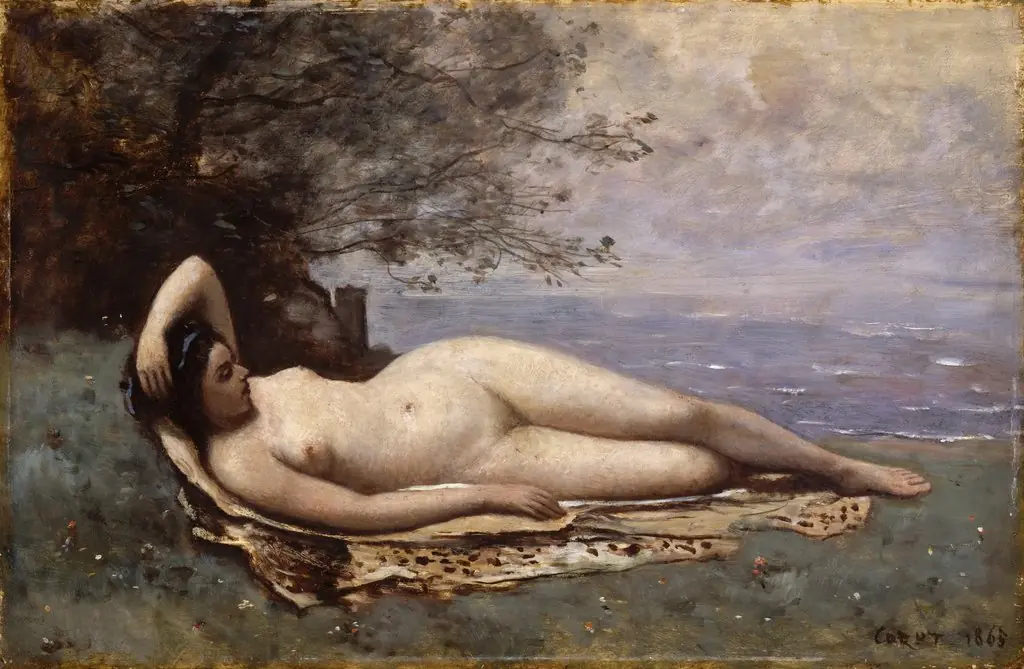
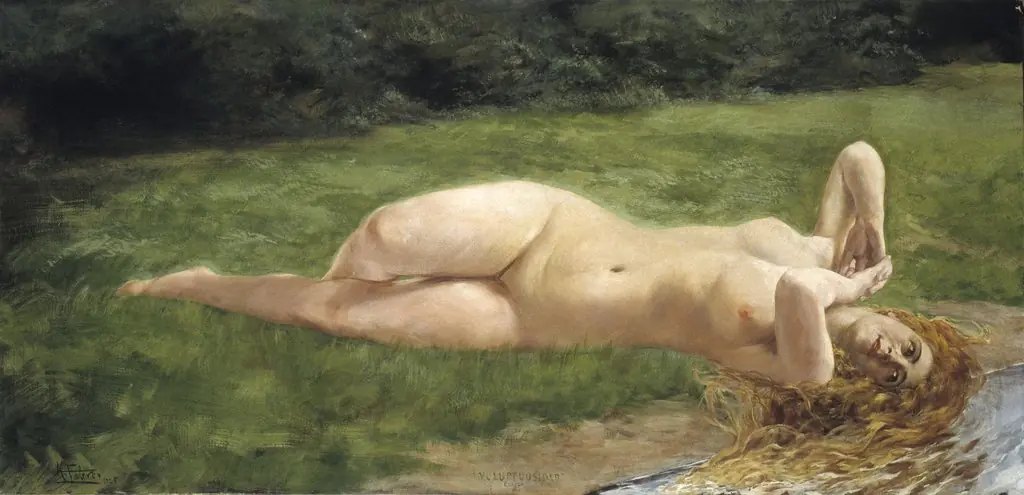
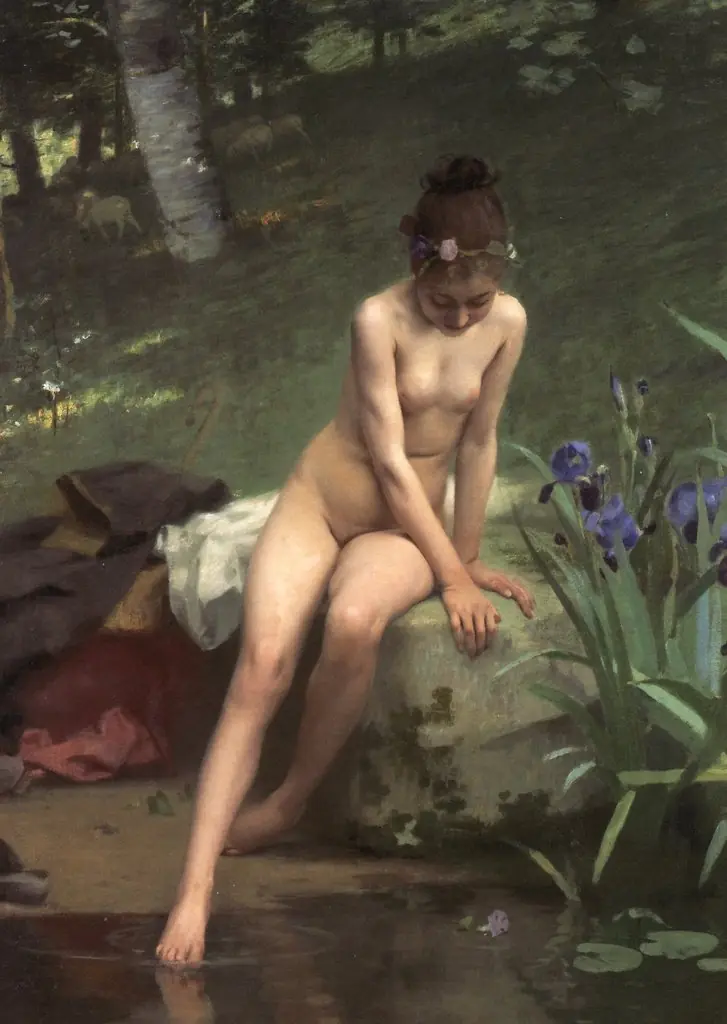
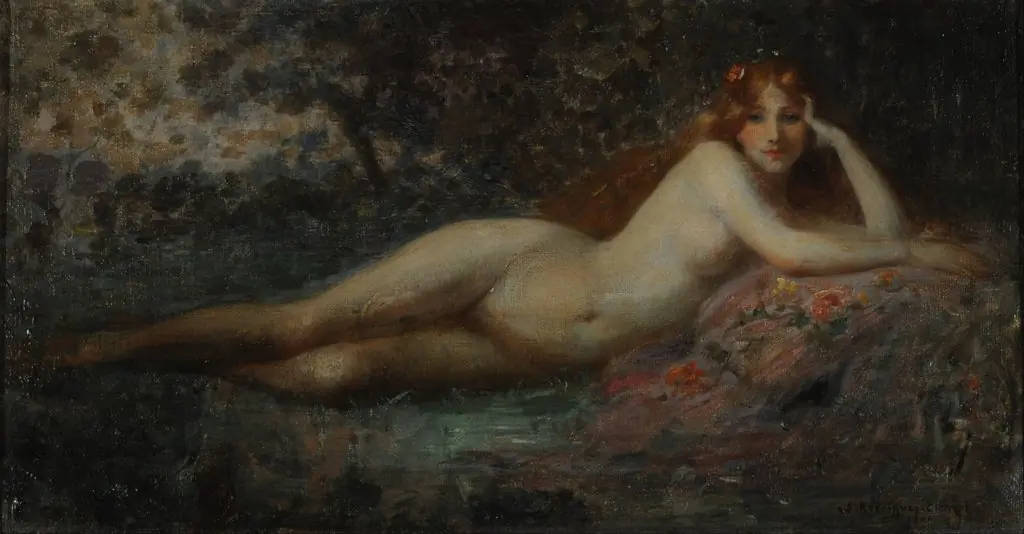
The painting portrays a reclining nude woman in a pastoral setting, her posture relaxed and introspective. Her body, positioned among grass and foliage, suggests a connection to nature rather than mythological or allegorical reference. The absence of narrative cues and the focus on stillness imply an emphasis on contemplative beauty. The title, referencing the spring month in the French Republican calendar, subtly evokes renewal and quiet seasonal transition.
Technique & Style
Collin employed smooth, controlled brushwork to render the figure and landscape with precision, avoiding the broken strokes typical of Impressionism. The skin tones are softly modeled with warm hues, while the background uses muted greens and blues to create depth without distraction. Light falls gently across the form, enhancing the sense of calm. Details like the texture of grass and the reflection on water are rendered with careful attention, reinforcing the painting’s serene atmosphere.
History & Provenance
Created in 1894, *Floréal* was likely exhibited in Parisian salons before leaving France. Its presence in Buenos Aires suggests acquisition through diplomatic or collector networks in the early 20th century. The National Museum of Fine Arts acquired it as part of a broader effort to expand its European holdings. No significant exhibition history or public documentation of its early ownership is widely recorded, but its preservation indicates early recognition of its aesthetic qualities.
Context
In late 19th-century France, academic painting was increasingly challenged by modernist movements. Collin’s work represents a quieter current within this shift—artists who maintained classical techniques while absorbing influences from non-Western art. His engagement with Japanese aesthetics, evident in compositional simplicity and emphasis on natural harmony, aligns with broader Japonisme trends, though his execution remained grounded in traditional European figuration.
Legacy
Collin’s *Floréal* does not occupy a central place in canonical art histories, but it endures as a thoughtful example of academic painting adapting to changing tastes. Its quiet dignity and technical refinement offer insight into artists who navigated modernity without abandoning training. The painting’s location in South America highlights the global circulation of European art beyond traditional centers, underscoring its quiet, enduring resonance.
Own this work as a print
Artist & collection
Artist
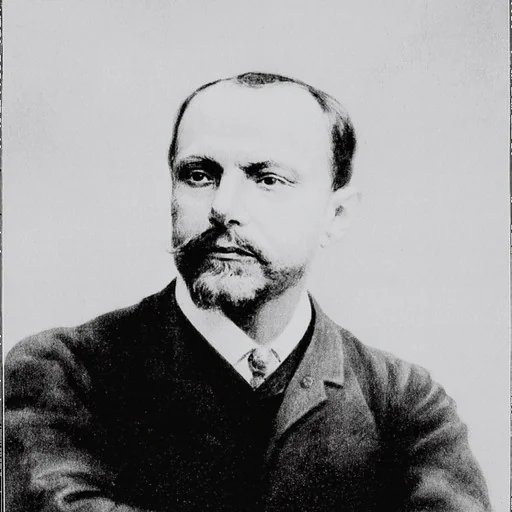
Louis-Joseph-Raphaël Collin (French pronunciation: ; 17 June 1850 – 21 October 1916) was a French painter born and raised in Paris, where he became a prominent academic painter and a teacher.

Museum
National Museum of Fine Arts, Argentina
Continue through works from the same source collection.