Artwork
Bindo Altoviti
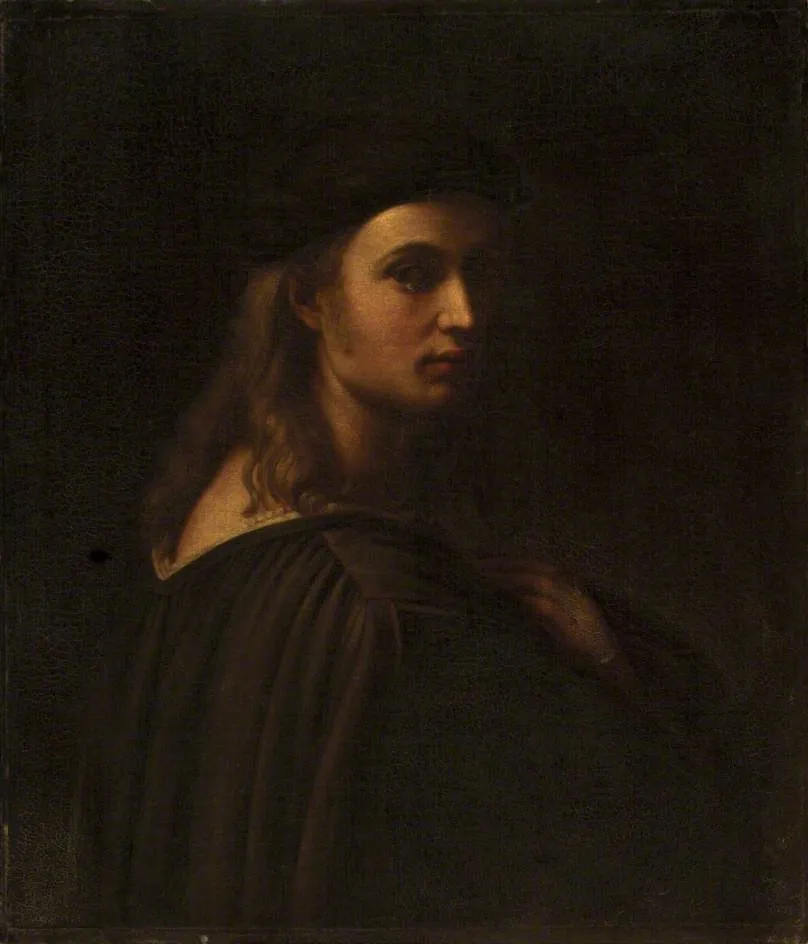
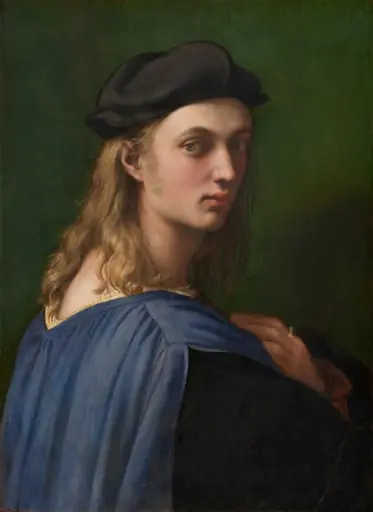
Bindo Altoviti is an oil painting by the High Renaissance artist Raphael. It dates from 1511 and is held in the collection of the Ashmolean Museum.
About this work
Overview
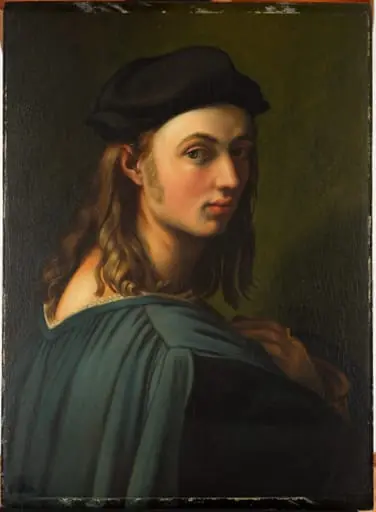
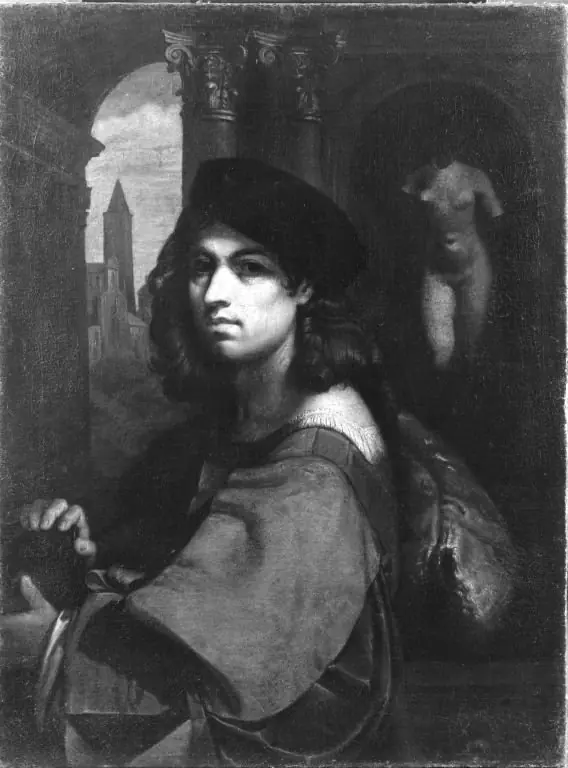
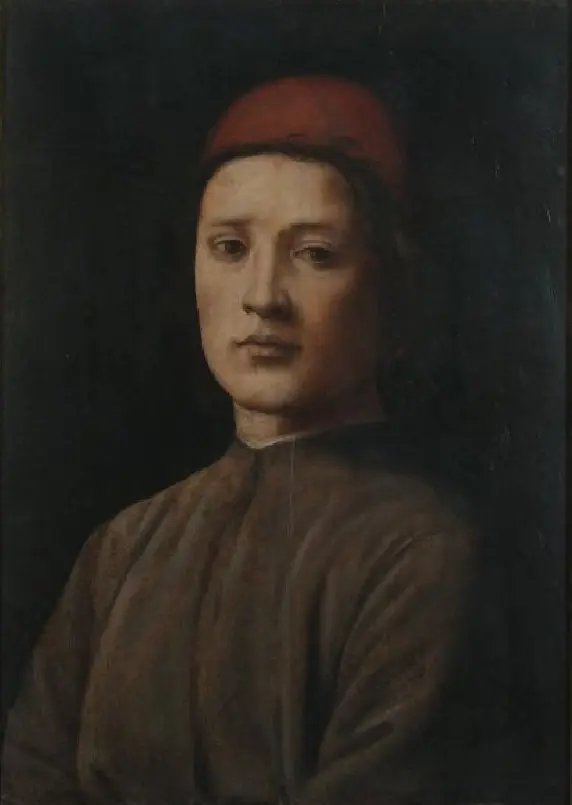
Raphael's 'Bindo Altoviti' is an oil painting from circa 1511, currently housed at the Ashmolean Museum. The work depicts a solemn, hat-wearing man with long, wavy hair set against a dark background, emphasizing his figure through chiaroscuro.
Subject & Meaning
The subject, Bindo Altoviti, is portrayed with a serious expression, his gaze directed at a distant point, conveying introspection or contemplation. The overall solemnity suggests a representation of dignity and character.
Technique & Style
Executed in a realistic style, the painting showcases meticulous attention to detail in the subject's attire and facial features. Raphael's characteristic use of chiaroscuro creates depth and volume, with the well-lit face contrasting sharply with the dark robe and background.
History & Provenance
Created around 1511, the painting's early history is not detailed here, but it is now part of the Ashmolean Museum's collection, ensuring its preservation and public accessibility.
Context
Painted during the High Renaissance, 'Bindo Altoviti' reflects the era's emphasis on individual portraiture and the artistic innovations of the time, including the expressive use of light and shadow.
Legacy
As a work by Raphael, 'Bindo Altoviti' contributes to the artist's legacy of influencing portraiture and the broader development of Western art, particularly in the application of chiaroscuro techniques.
Artist & collection
Artist
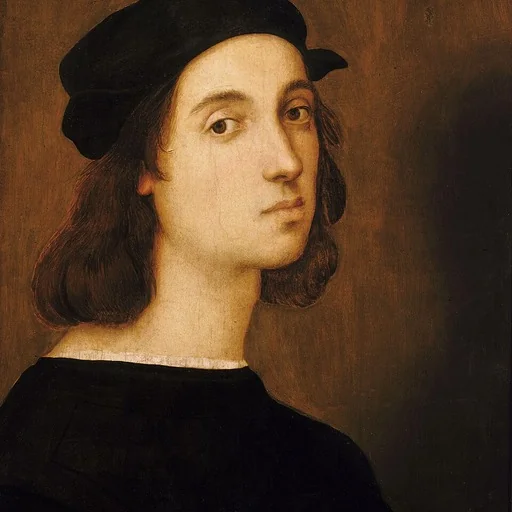
Raphael was born Raffaello Sanzio in Urbino on April 6, 1483, the son of Giovanni Santi, a painter and poet attached to the ducal court.