Artwork
Portrait of Maddalena Doni
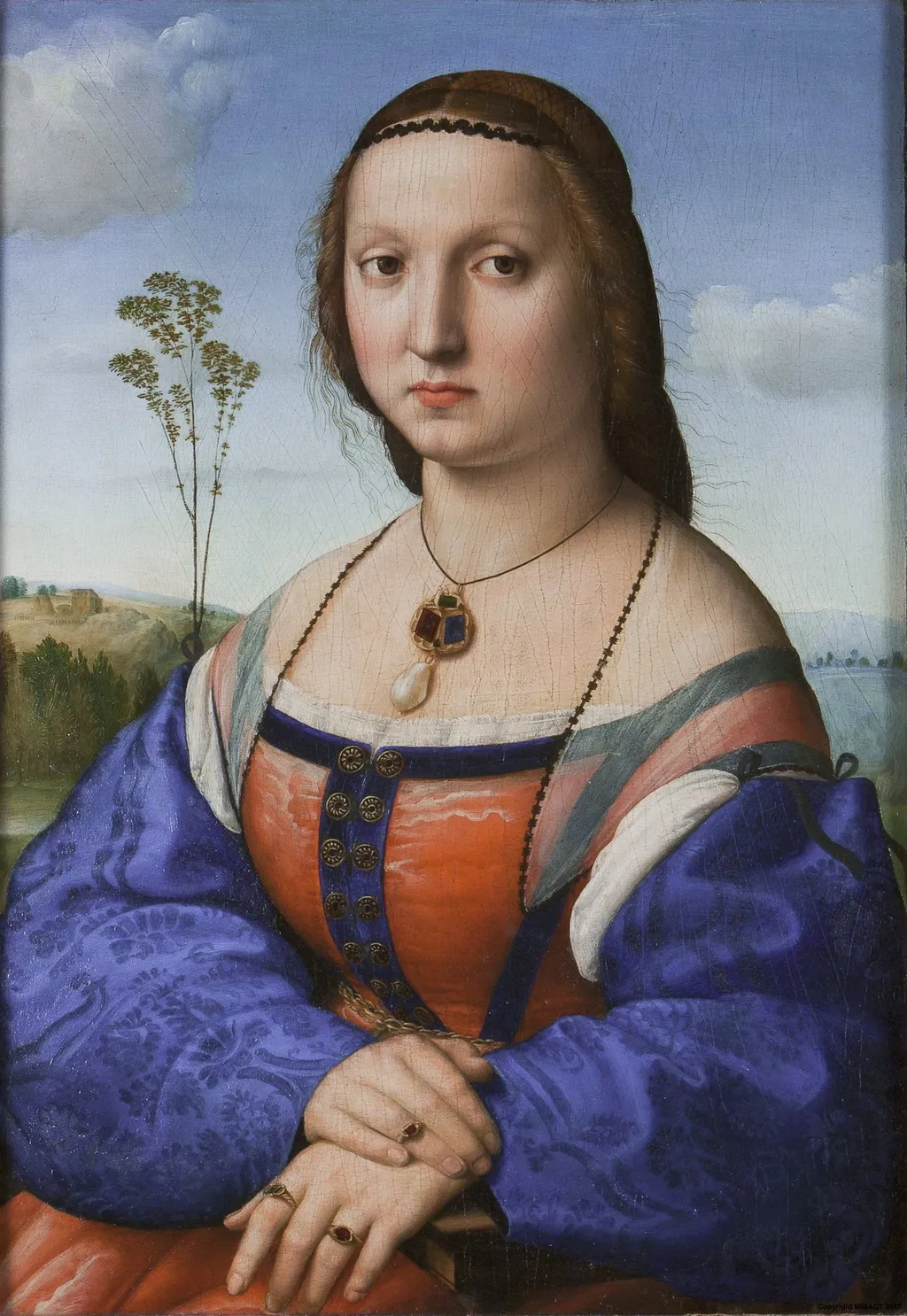
Portrait of Maddalena Doni is an oil painting by the High Renaissance artist Raphael. It dates from 1505 and is held in the collection of the Galleria Palatina. Created around 1504–1507, this oil on canvas portrays Maddalena Doni, a Florentine woman of the early sixteenth century.
About this work
Overview
Created around 1504–1507, this oil on canvas portrays Maddalena Doni, a Florentine woman of the early sixteenth century. The work resides in the Uffizi Gallery in Florence and forms a pair with a companion portrait of her husband, Agnolo Doni, executed simultaneously by the same hand.
Subject & Meaning
Maddalaena is shown seated, her hands gently pressed together, dressed in a richly colored garment of blue and orange tones. A modest necklace rests at her throat and a single ring adorns her finger, suggesting both personal status and the conventions of marital portraiture in Renaissance Italy.
Technique & Style
Raphael employs a balanced composition, rendering the figure with soft modeling and precise attention to fabric texture. The subtle gradations of light on the dress and the delicate rendering of the surrounding landscape—trees under a clear sky—demonstrate his mastery of color harmony and atmospheric perspective.
History & Provenance
The painting entered the collection of the Uffizi in the eighteenth century, where it has remained on public display. Its creation coincided with Raphael’s Florentine period, during which he received commissions from affluent merchant families such as the Donis.
Context
The portrait reflects the humanist ideals of the Italian Renaissance, emphasizing individual presence within an idealized natural setting. By pairing Maddalena with her husband’s portrait, Raphael underscores the social importance of marital alliances among the mercantile elite of Florence.
Own this work as a print
Artist & collection

Artist
Raphael was born Raffaello Sanzio in Urbino on April 6, 1483, the son of Giovanni Santi, a painter and poet attached to the ducal court.

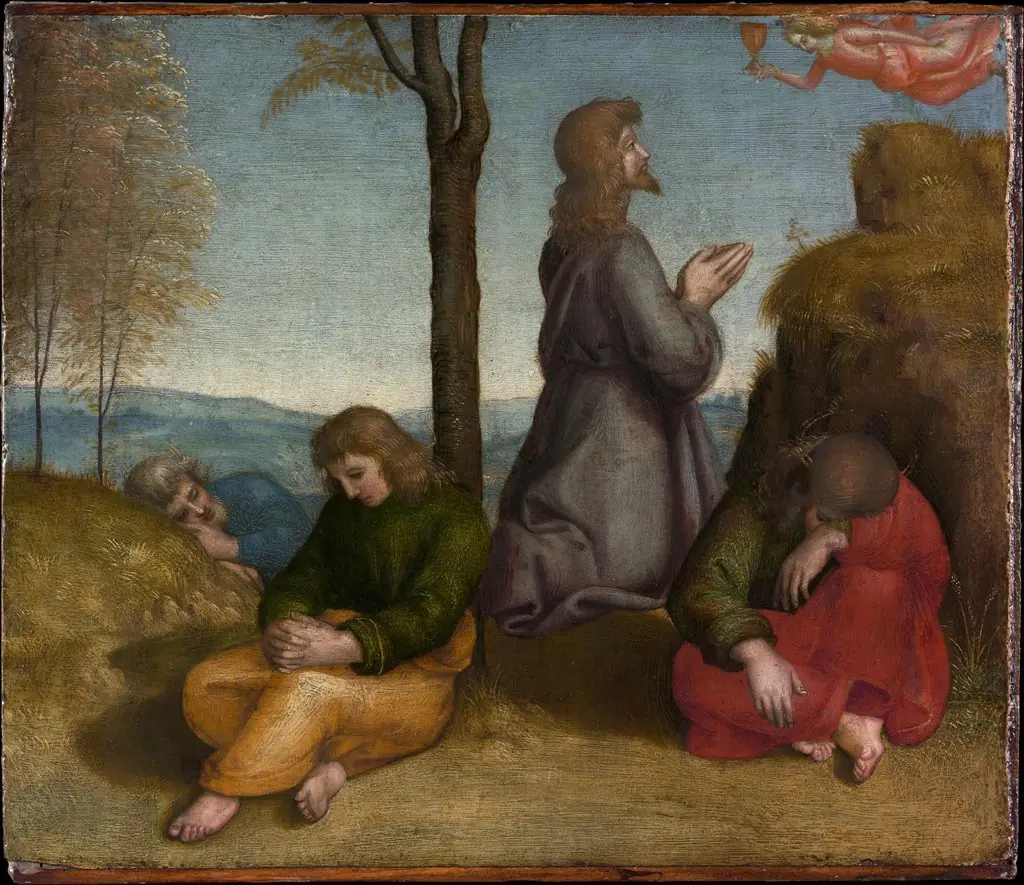
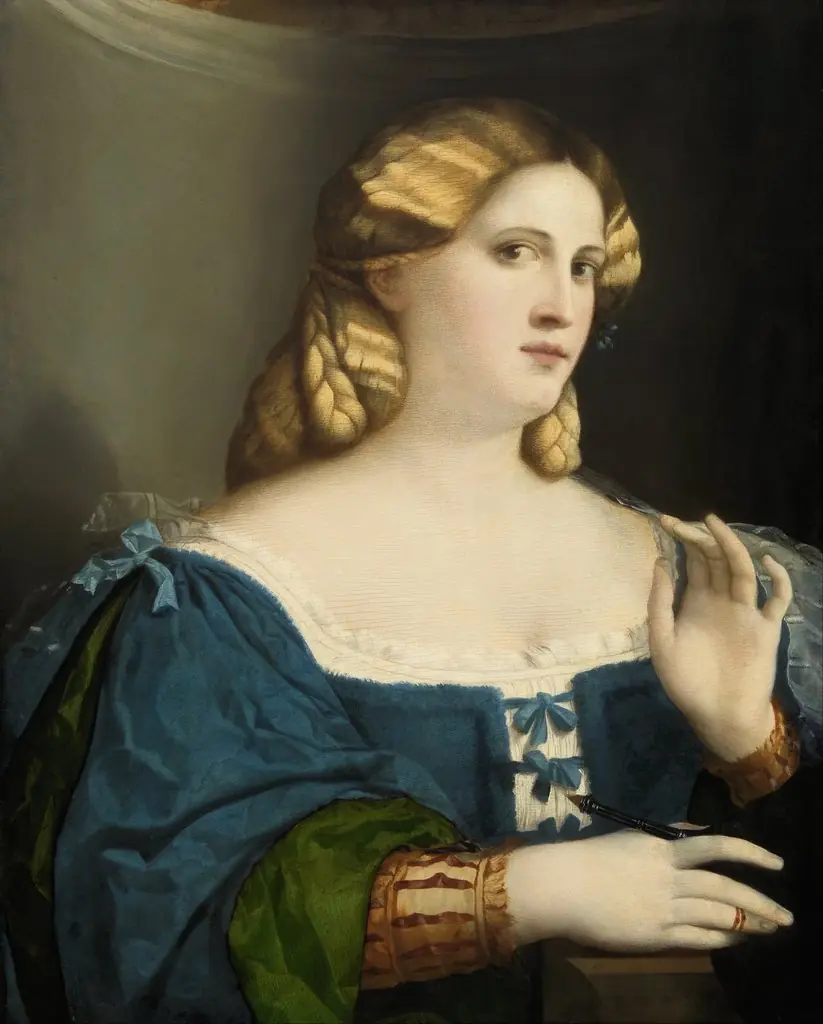 Young Woman in blue Gown with Feather
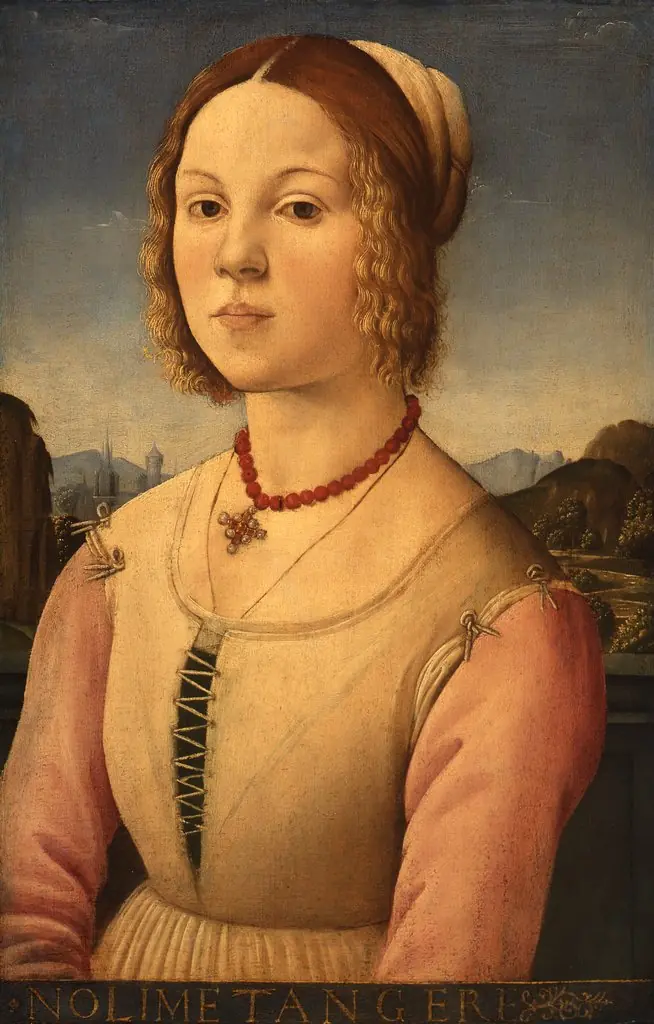 Portrait of a young woman
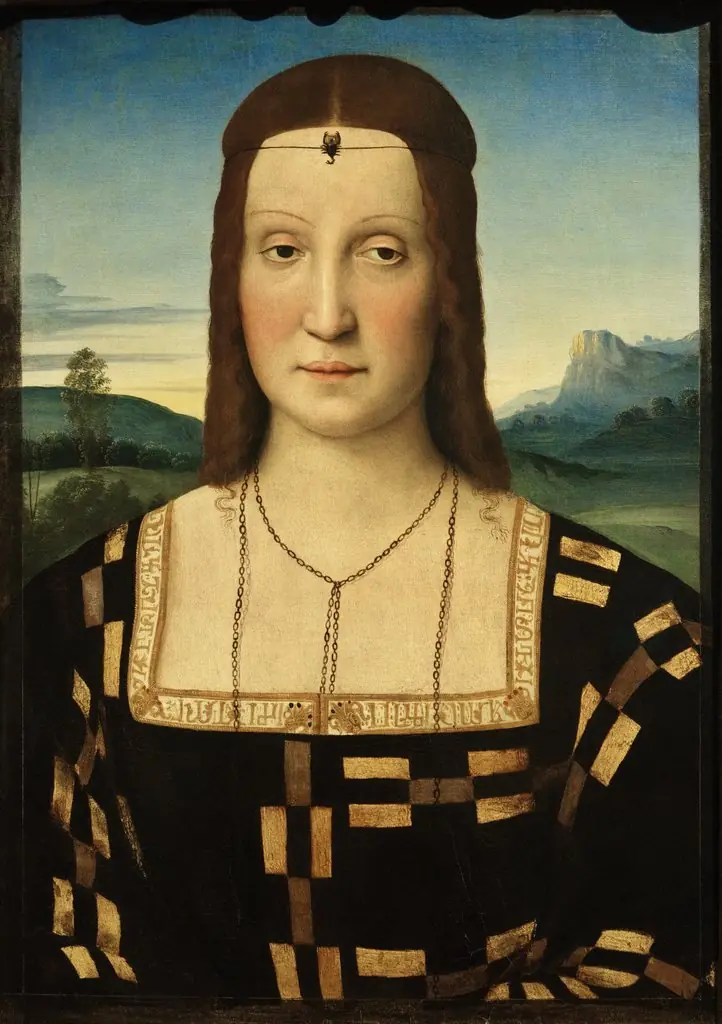 Portrait of Elisabetta Gonzaga
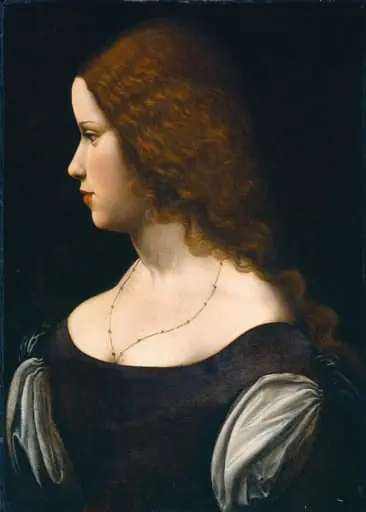 Portrait of a Young Lady
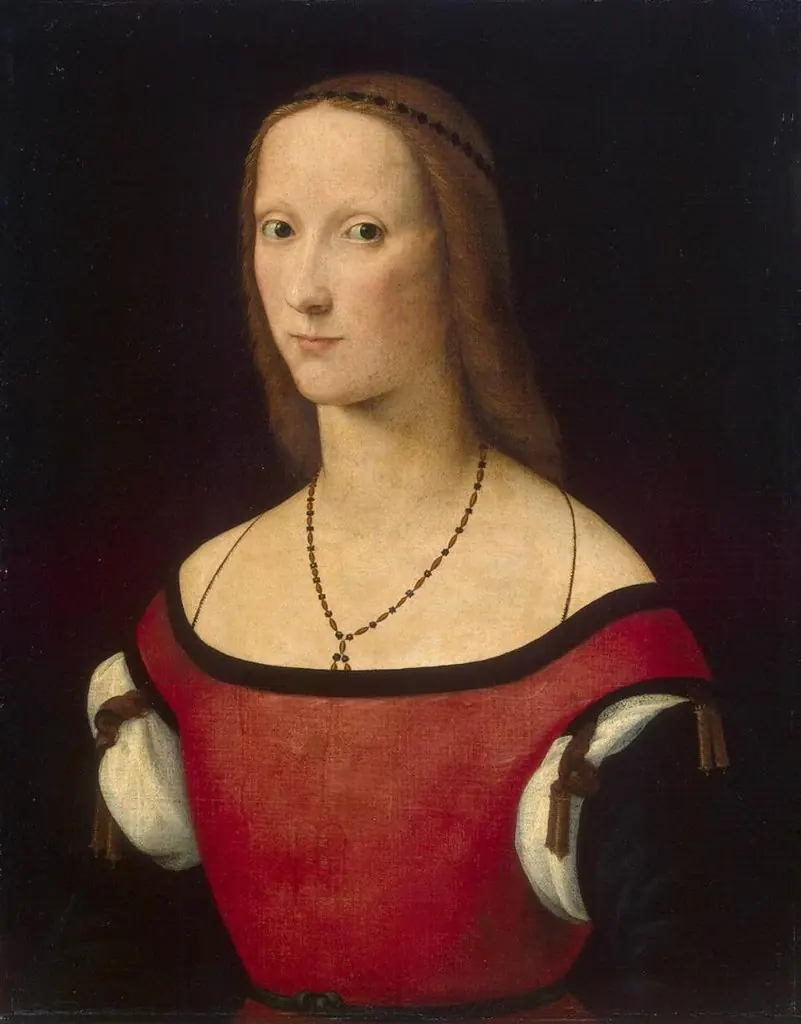 Portrait of a Lady
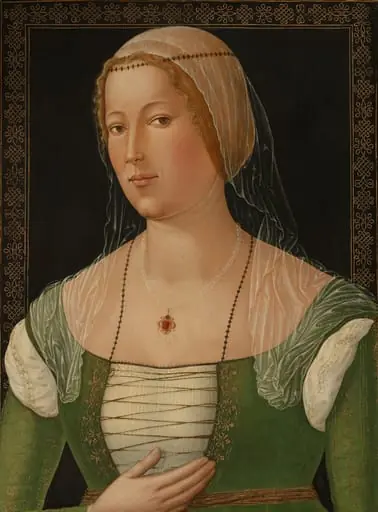 Portrait of a Young Woman
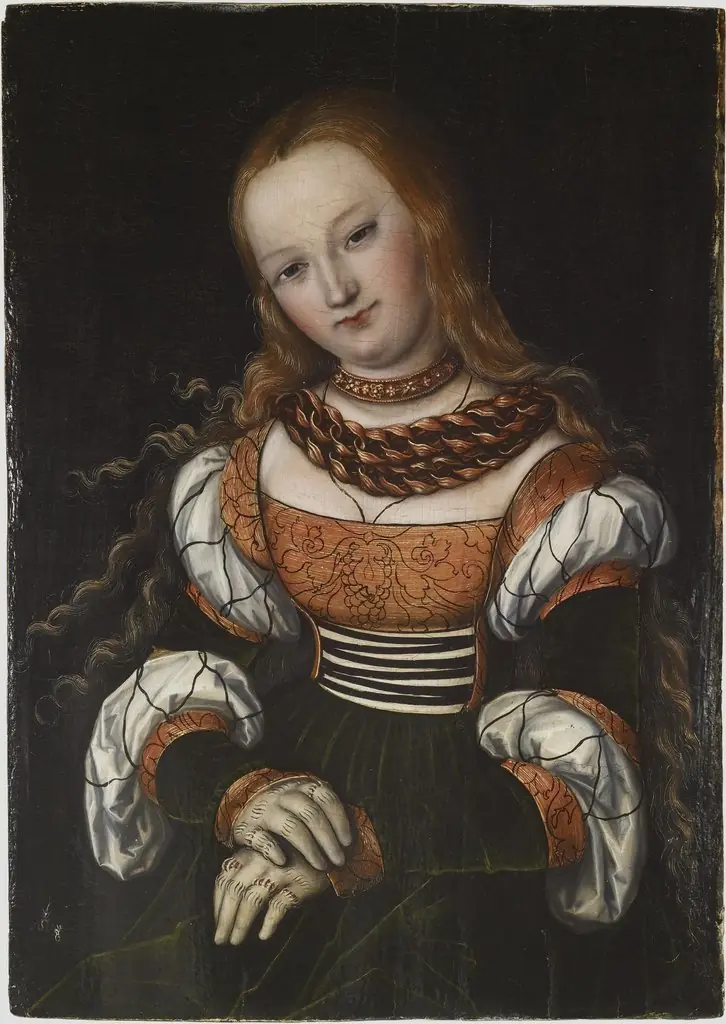 Portrait of a young woman
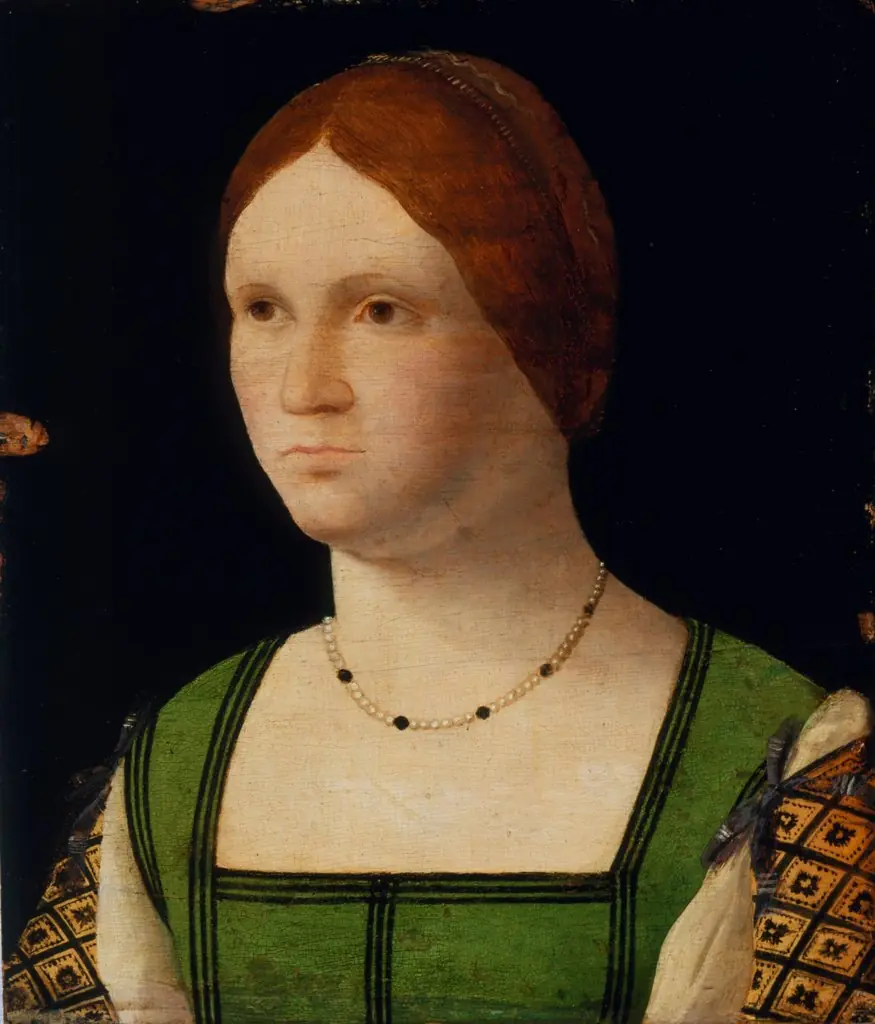 Portrait of a Young Woman
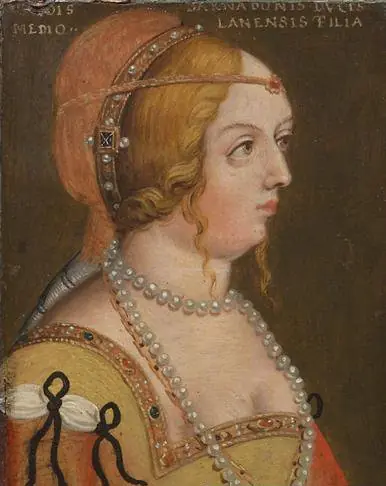 Portrait of Viridis Visconti (1352–1414)
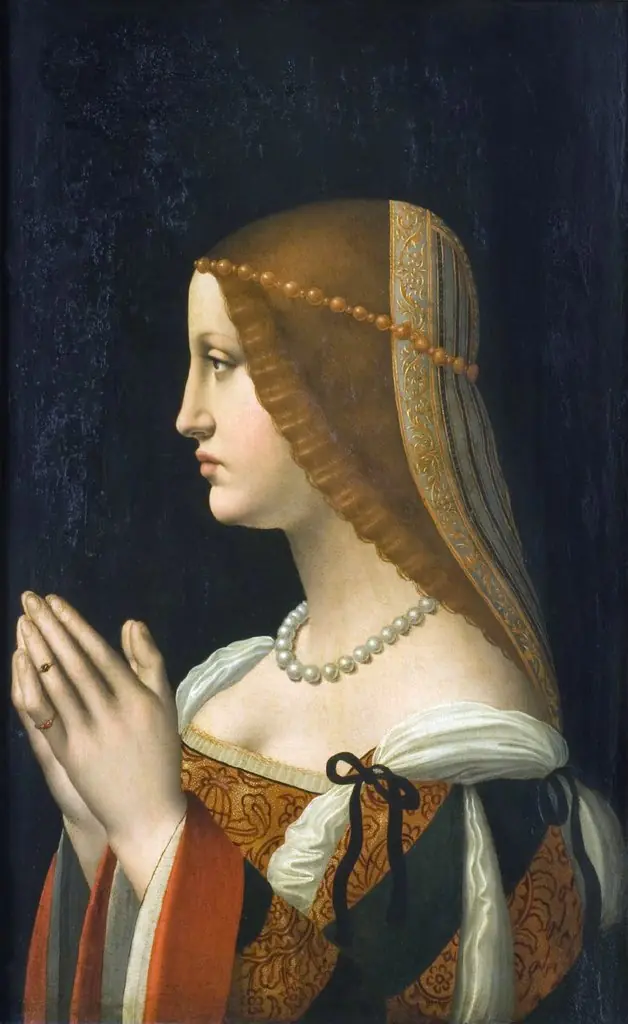 Portrait of a Lady
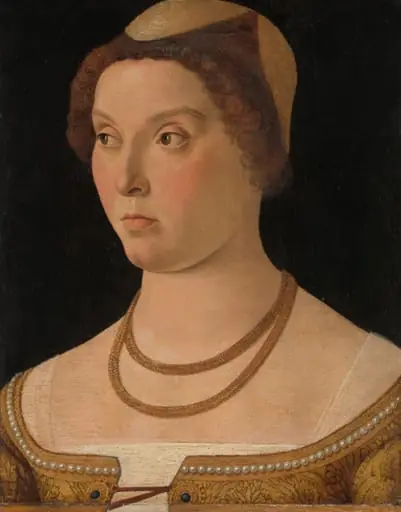 Portrait of a Woman
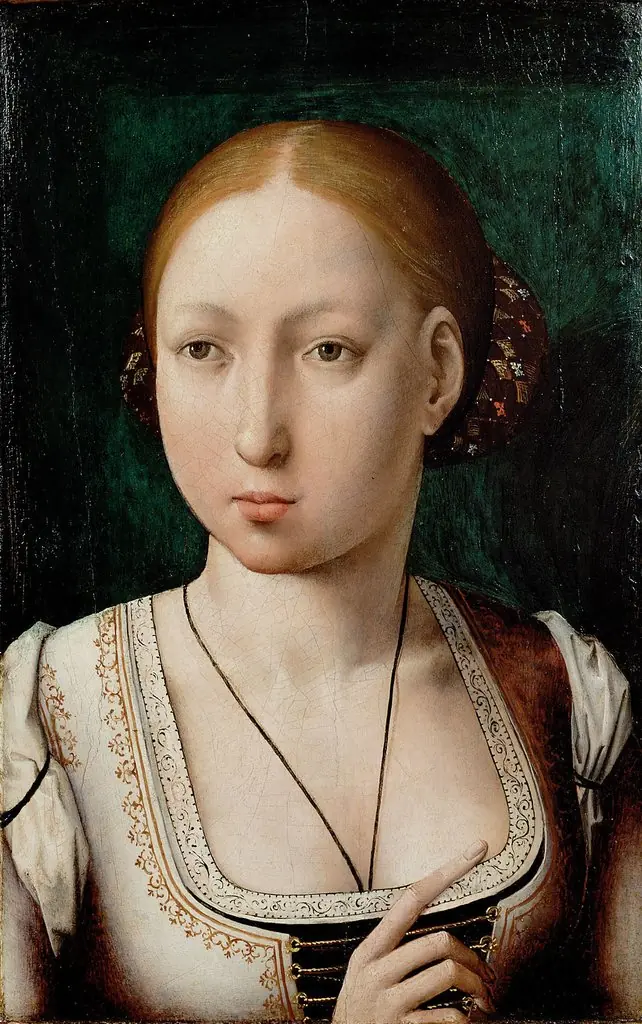 Portrait of Joan the Mad