Artwork
The Healing of the Lame Man
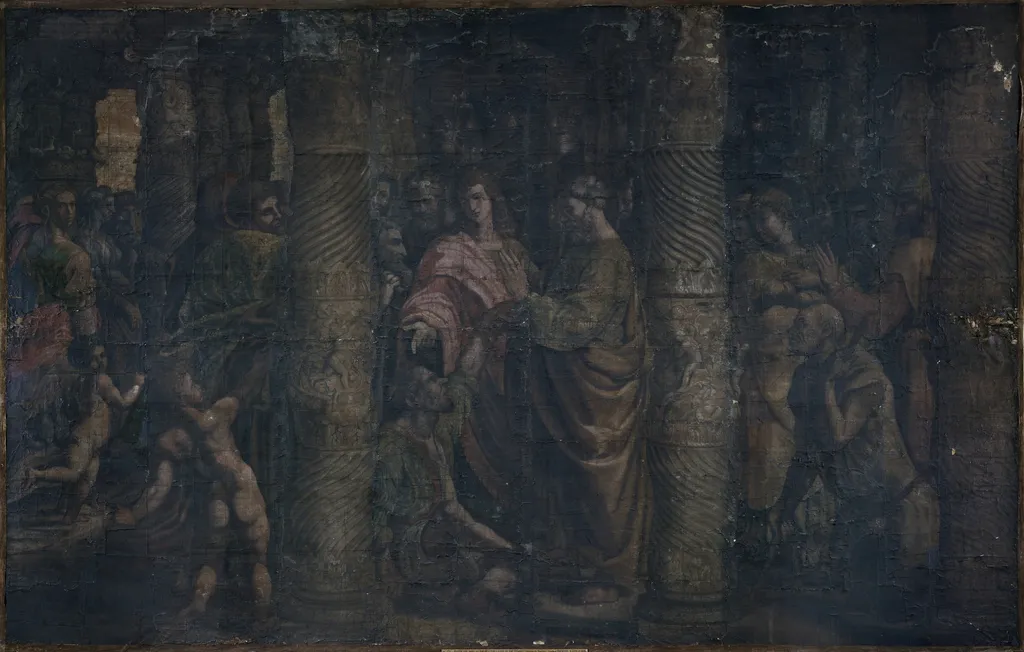
The Healing of the Lame Man is an unspecified painting by the High Renaissance artist Raphael. It dates from 1511 and is held in the collection of the National Gallery of Ireland.
About this work
Overview
Created around 1511 by the Italian painter Raphael, this oil work portrays a biblical miracle in which Jesus restores the ability of a crippled individual. The composition centers on the interaction between the healer and the afflicted, while a gathering of onlookers frames the scene, inviting contemplation of compassion and faith.
Subject & Meaning
The narrative captures the moment Jesus extends his right hand toward a kneeling man whose legs are bound, symbolizing the transfer of divine power. The surrounding spectators, varied in expression, reflect a spectrum of curiosity, reverence, and concern, underscoring the communal impact of miraculous acts within the Gospel tradition.
Technique & Style
Raphael employs a restrained palette of earth tones punctuated by cool blues, establishing spatial depth and atmospheric balance. Visible brushwork lends a tactile surface, while the strategic use of light and shadow—chiaroscuro—heightens the drama, directing attention to the central figures and enhancing the three‑dimensional illusion.
History & Provenance
The painting entered the collection of the National Gallery of Ireland, where it remains on public display. Its attribution to Raphael and dating to the early 1510s align with the artist’s mature period, reflecting his mastery of narrative composition and his engagement with religious subjects during the High Renaissance.
Artist & collection
Artist
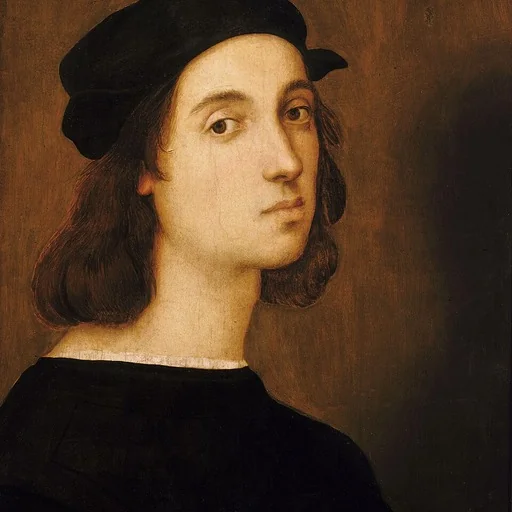
Raphael was born Raffaello Sanzio in Urbino on April 6, 1483, the son of Giovanni Santi, a painter and poet attached to the ducal court.

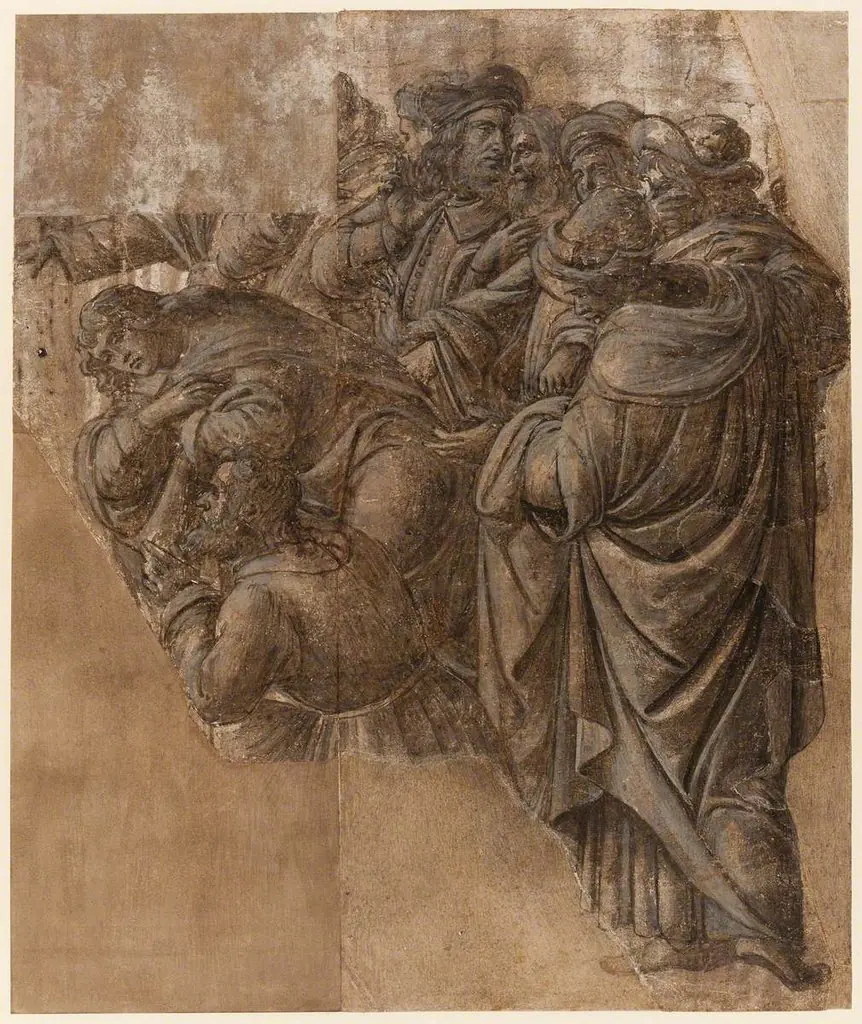 Two Fragments of a Cartoon of 'The Adoration of the Magi'
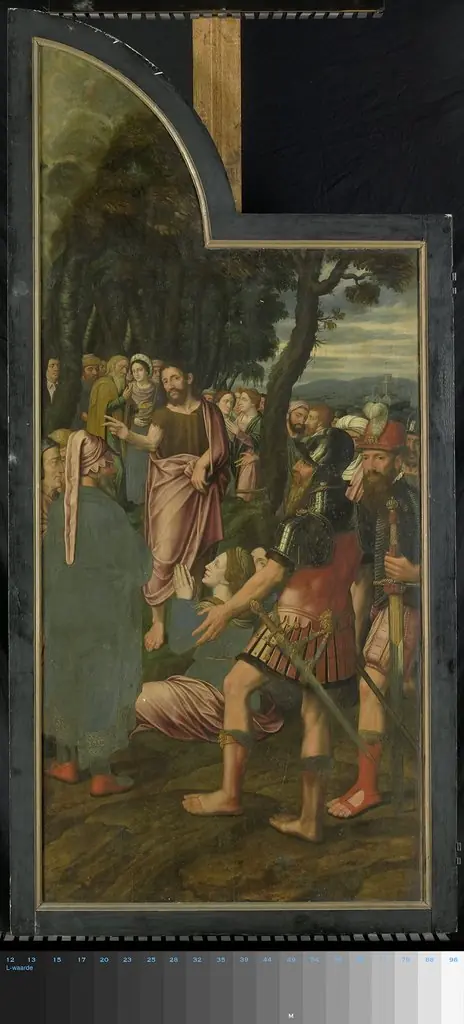 De prediking van Johannes de Doper, linkerpaneel van een drieluik
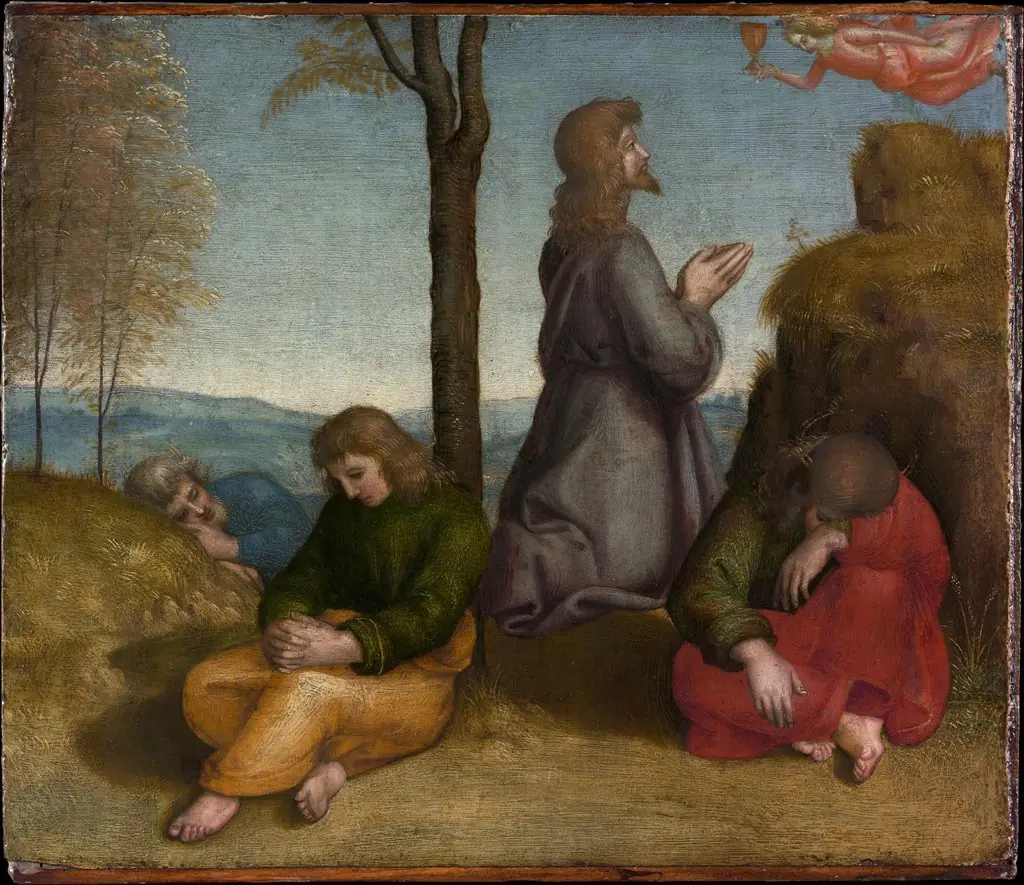
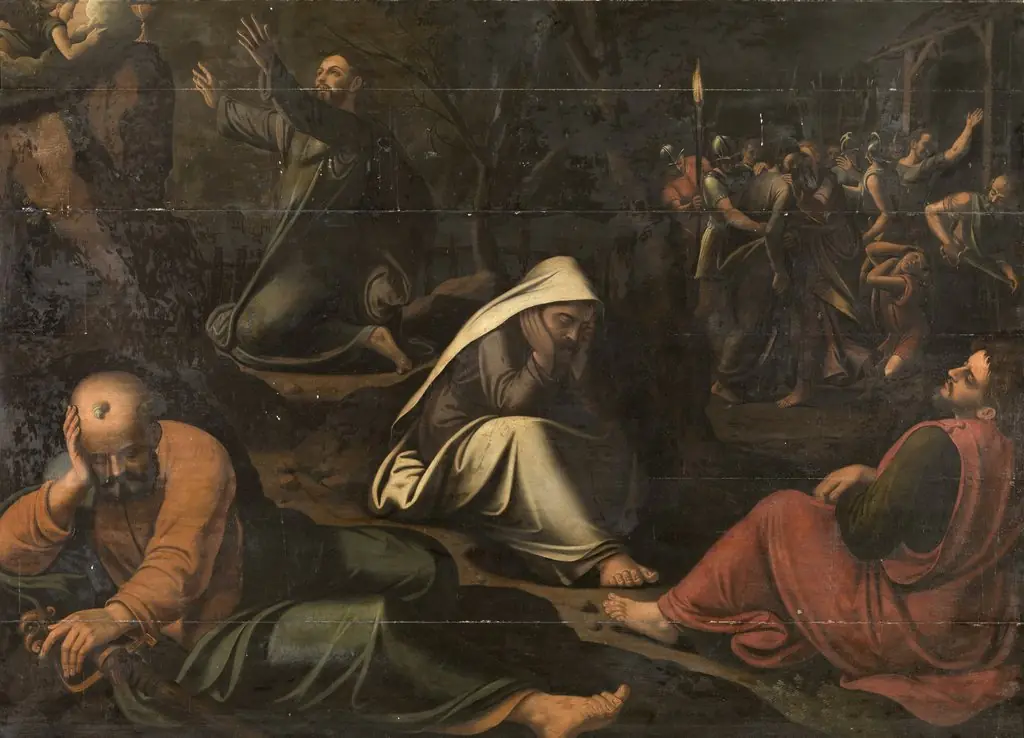 Christ in the Garden of Gethsemane
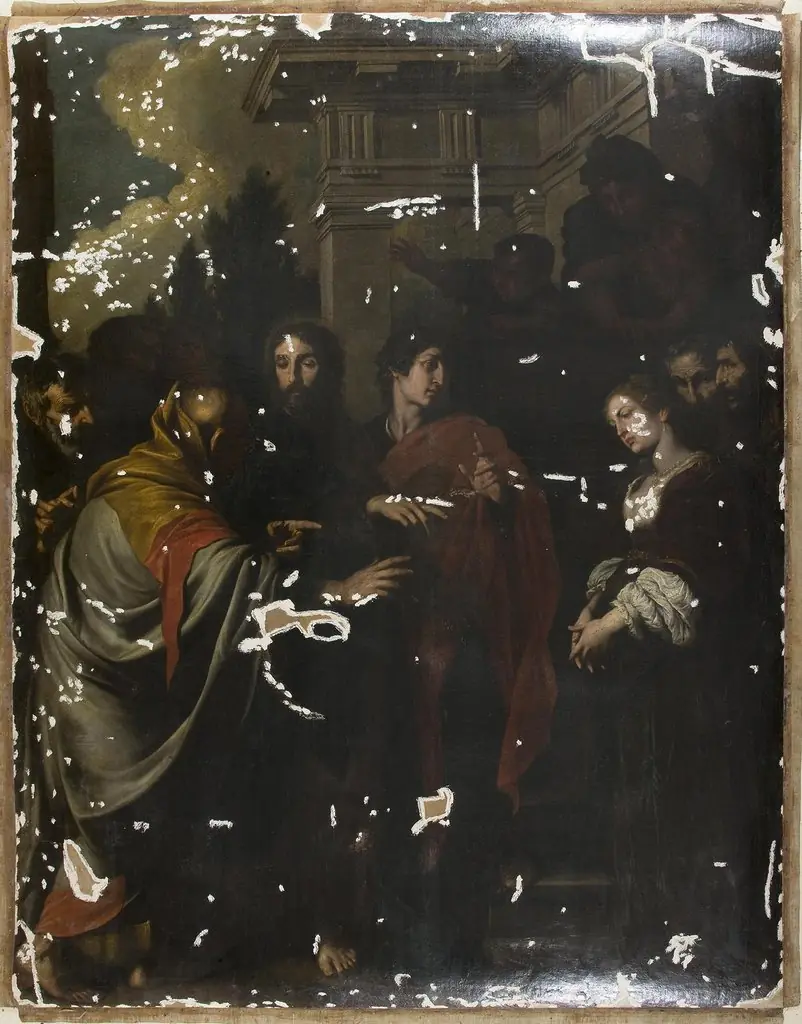 Christ and the Woman Taken in Adultery
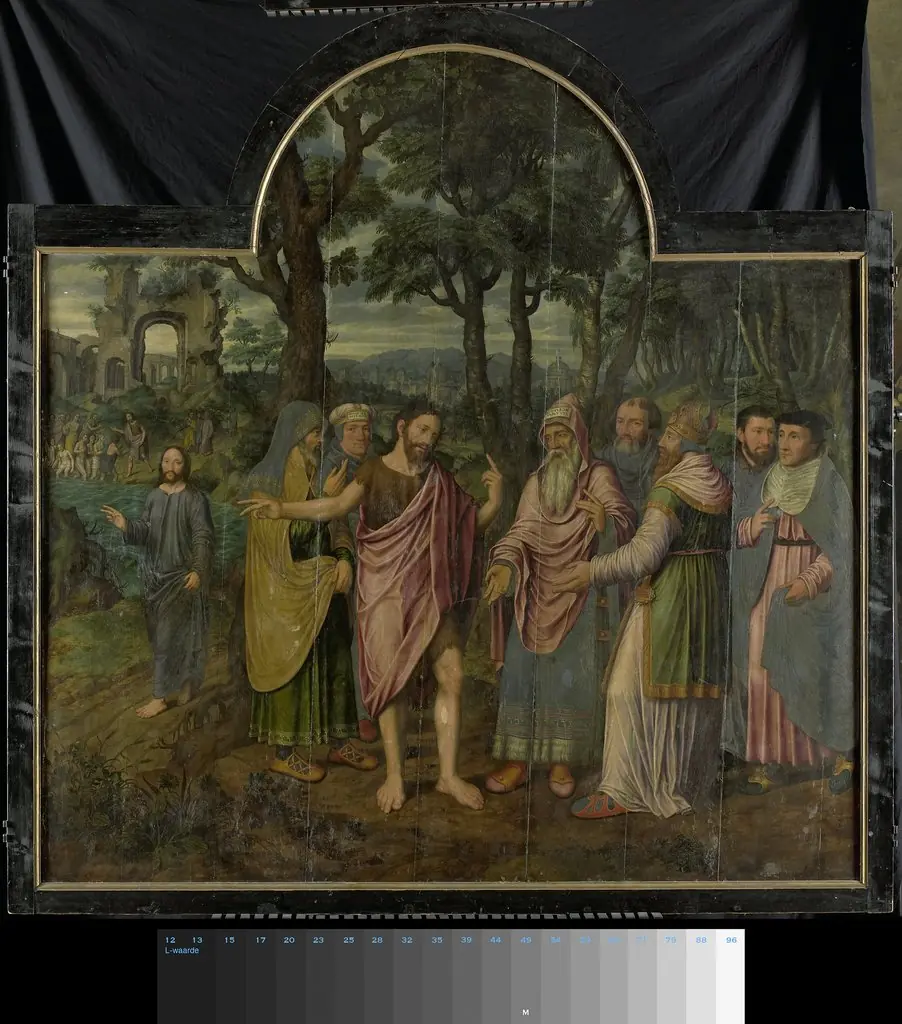 Johannes de Doper vermaant de Farizeeërs, middenpaneel van een drieluik
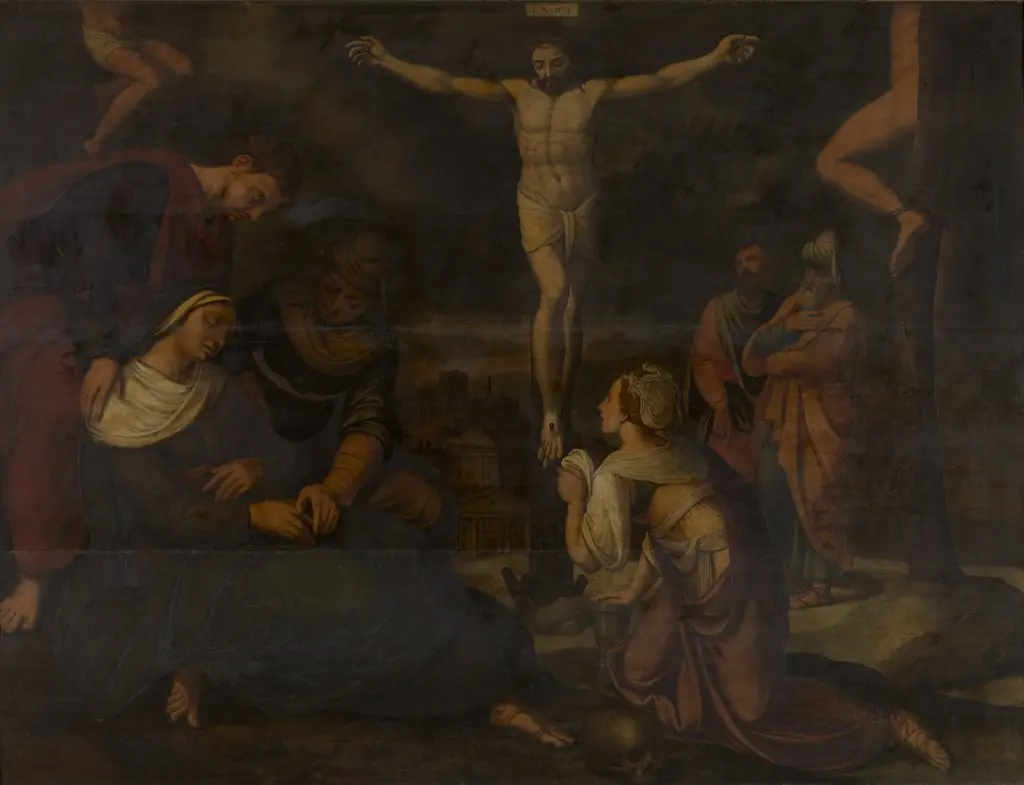 Crucifixion
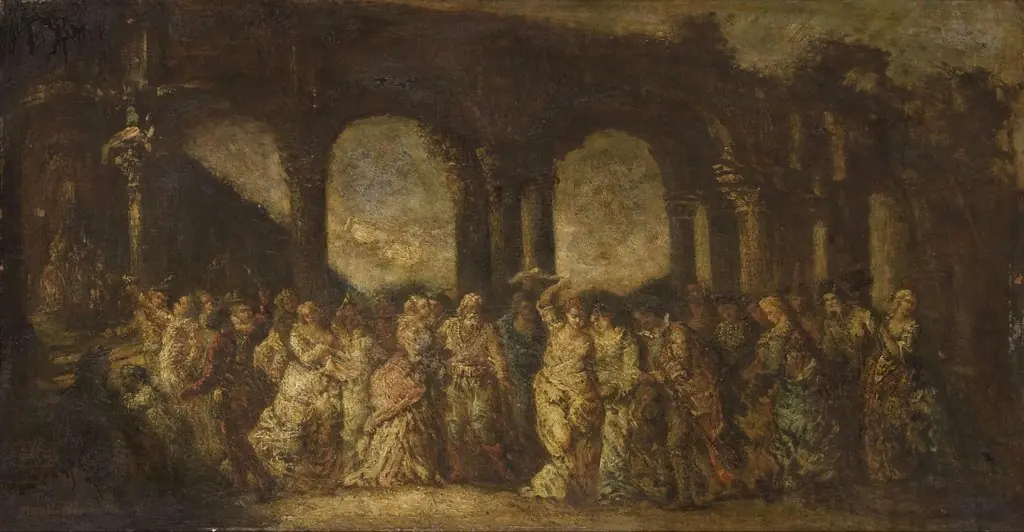 Masque
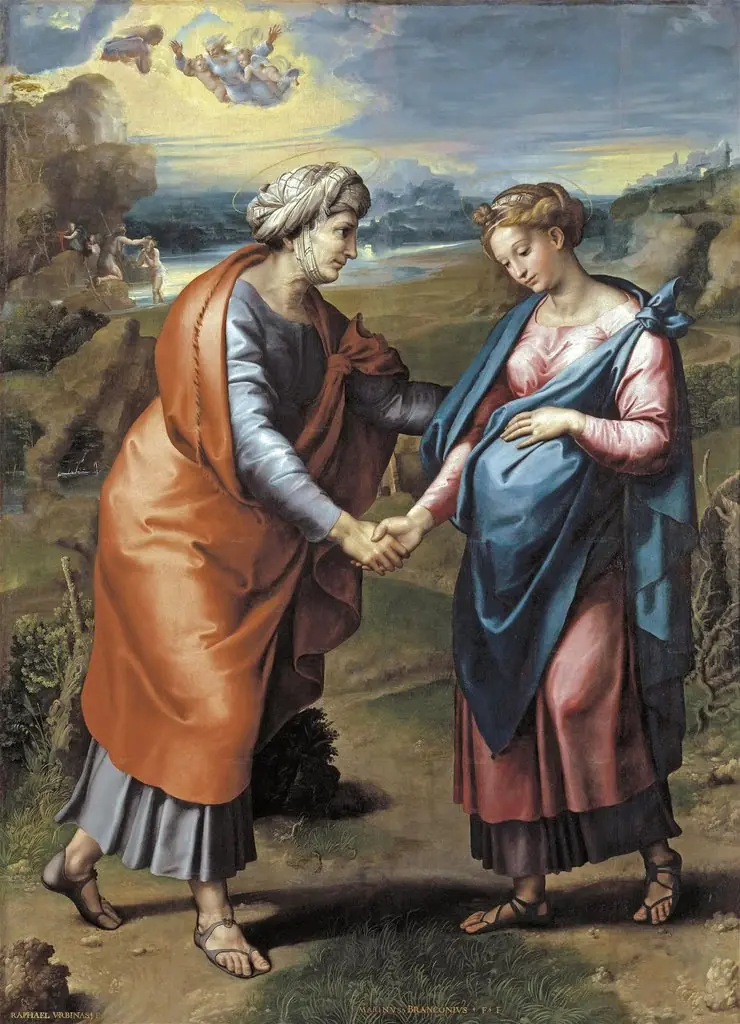
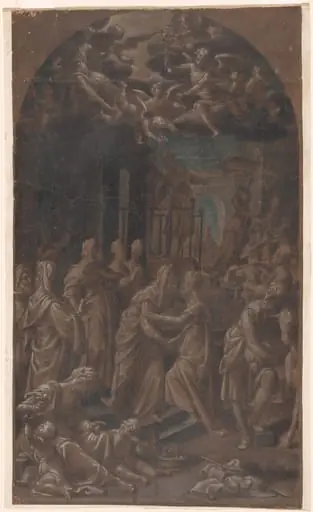 The Visitation
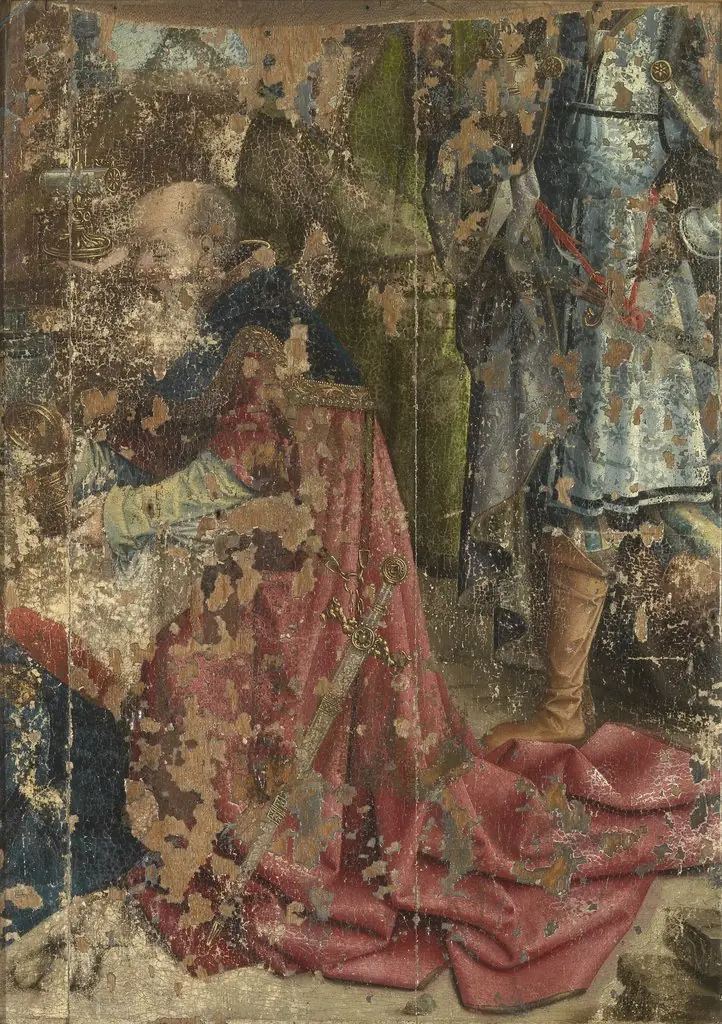 Aanbidding door de koningen
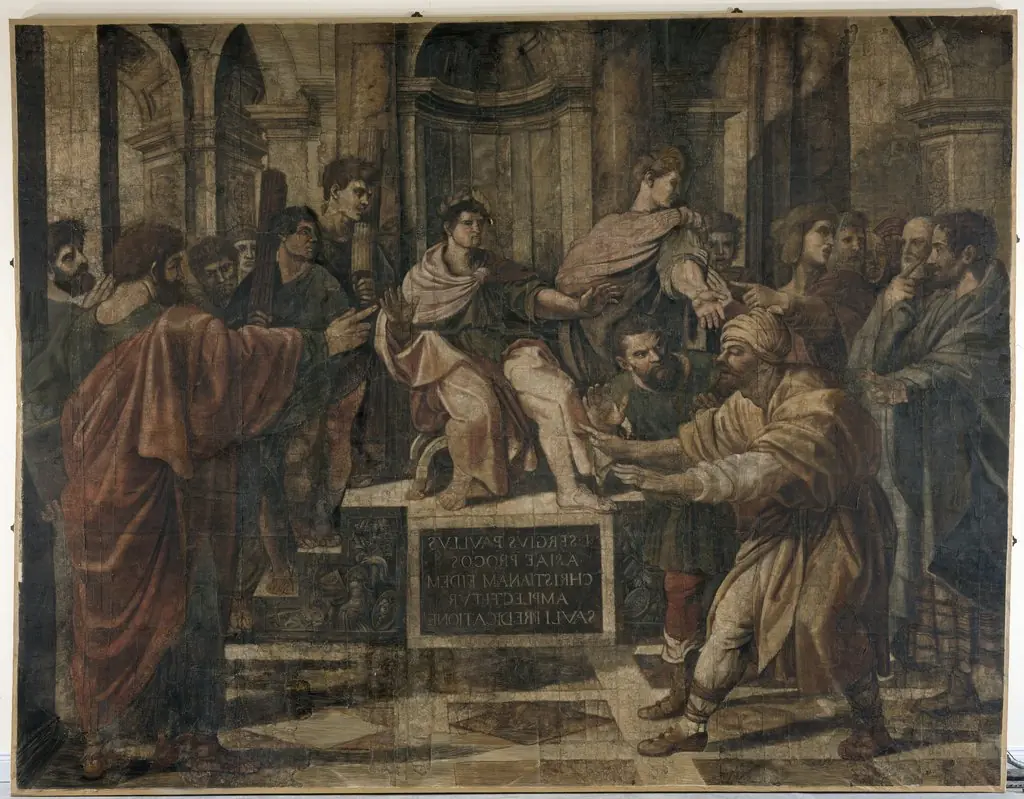 The Blinding of Elymas