Artwork
Falling Springs
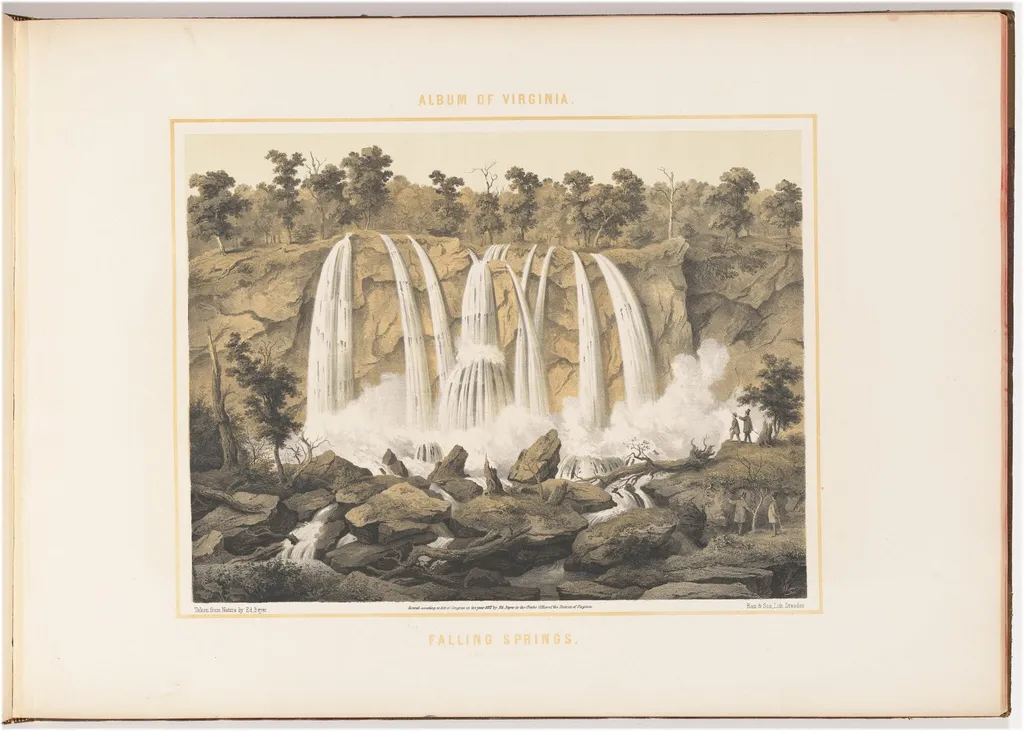
Falling Springs is an ink print by the Impressionist artist Woldemar Rau. It dates from 1857 and is held in the collection of the National Gallery of Art.
About this work
Overview
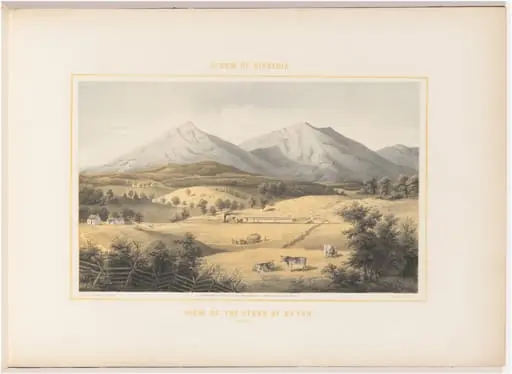
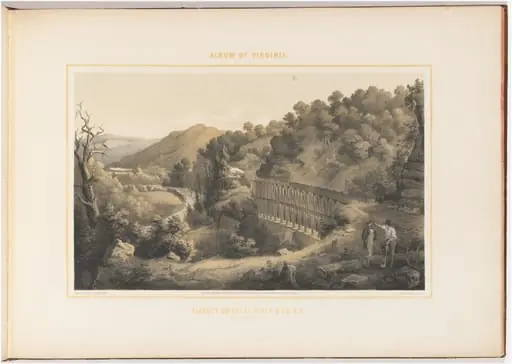
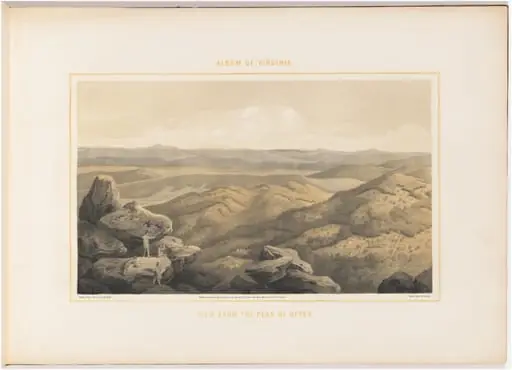
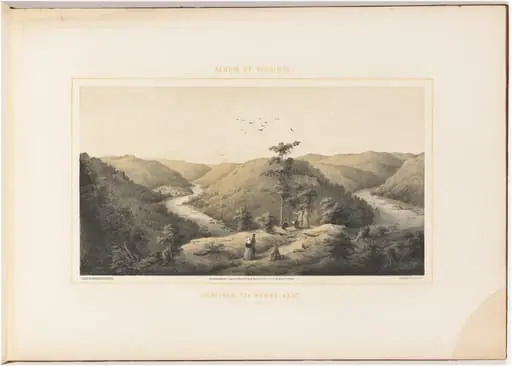
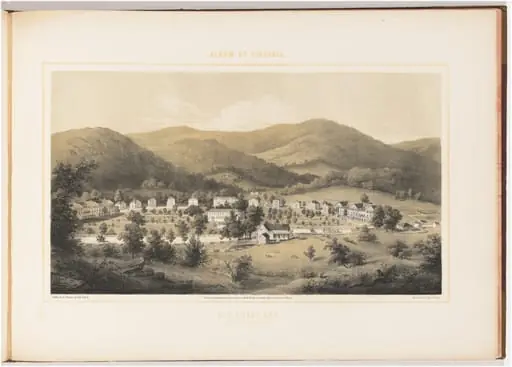
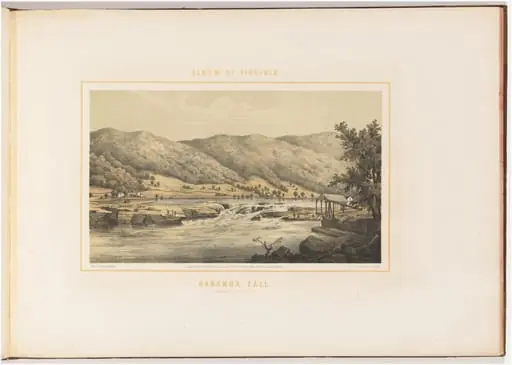
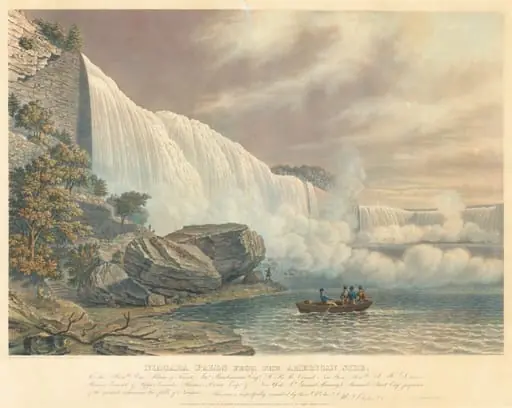
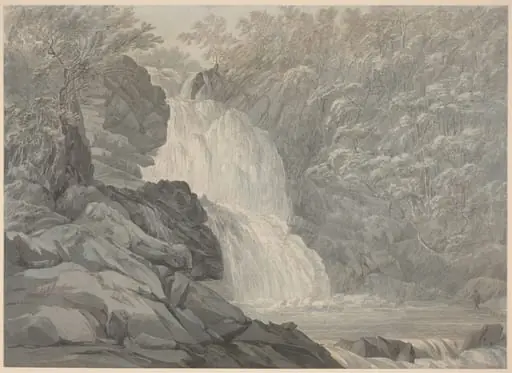
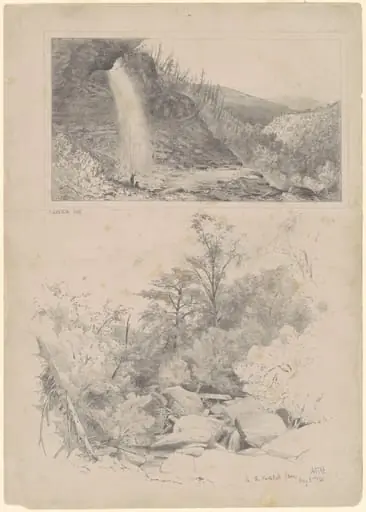
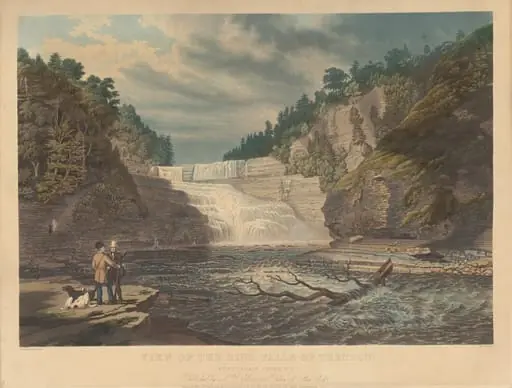
Falling Springs is a color lithograph on wove paper, created by Woldemar Rau in 1857. The print depicts a serene natural scene of a waterfall cascading down rocky cliffs into a misty pool, conveying a sense of calm amidst dynamic movement.
Subject & Meaning
The subject of Falling Springs is a waterfall in a natural setting, emphasizing the interplay of light, water, and rocky terrain. The scene's tranquility and sense of movement explore the balance between serenity and natural force.
Technique & Style
Executed in color lithography, a relatively novel technique in the 1850s, Falling Springs demonstrates the artist's use of this method to rapidly reproduce detailed, nuanced scenes. The soft light and misty effects showcase the lithographic process's capability for capturing subtle atmospheric conditions.
History & Provenance
Created in 1857 by Woldemar Rau, Falling Springs is an early example of color lithography. While specific provenance details are not provided, its creation reflects the mid-19th-century adoption of lithography among artists for mass-producing artworks.
Context
Falling Springs was produced during a period of technological advancement in printmaking. The use of color lithography allowed for wider dissemination of artistic works, bridging the gap between original paintings and accessible, printed reproductions.
Artist & collection