Artwork
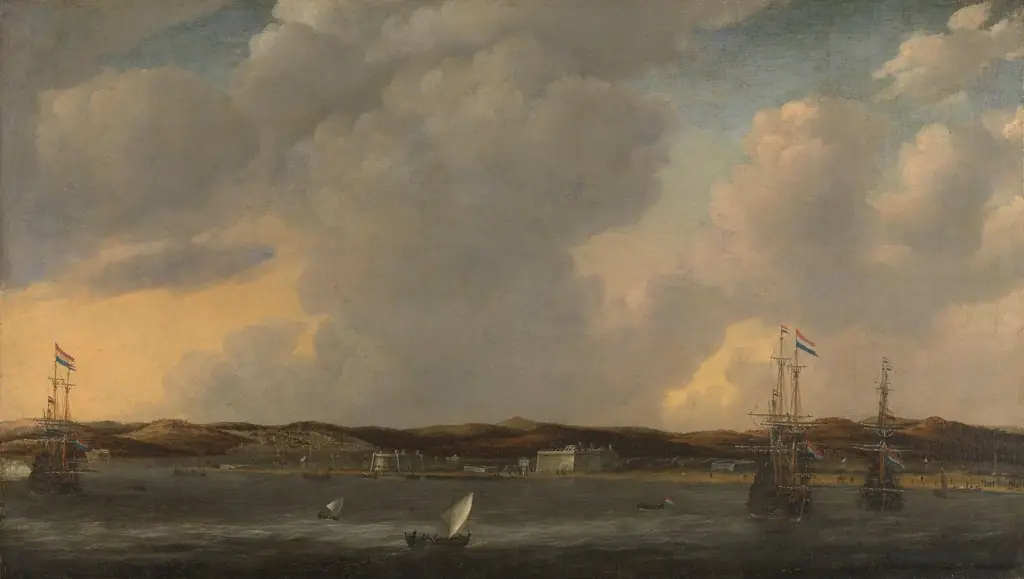
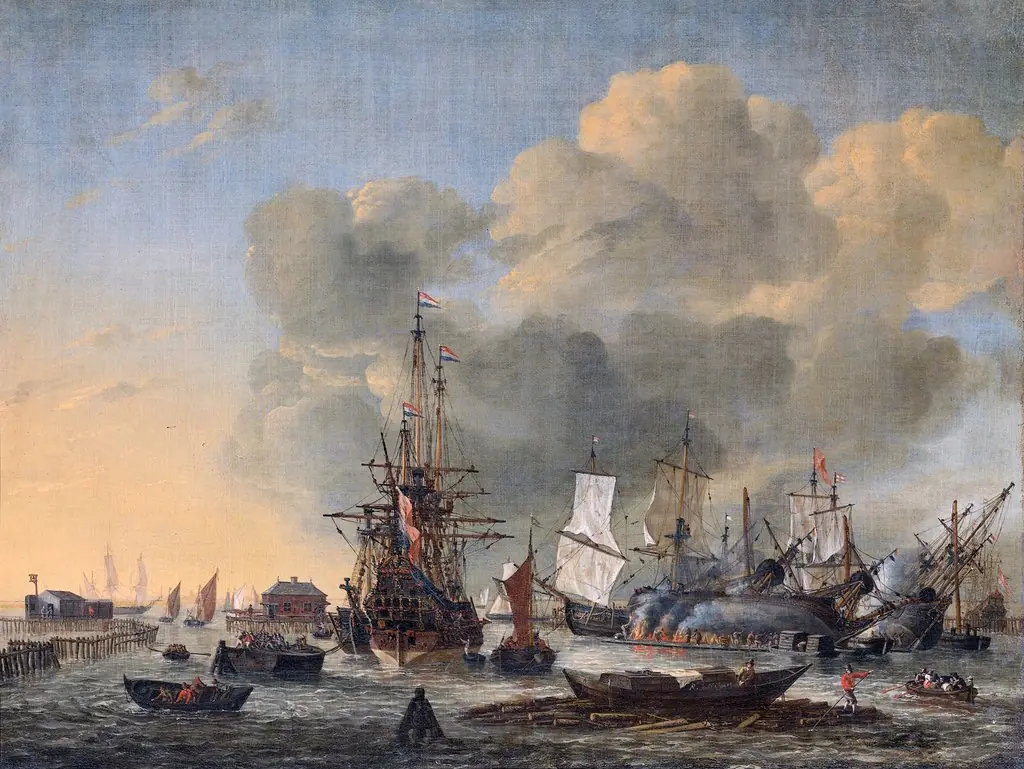
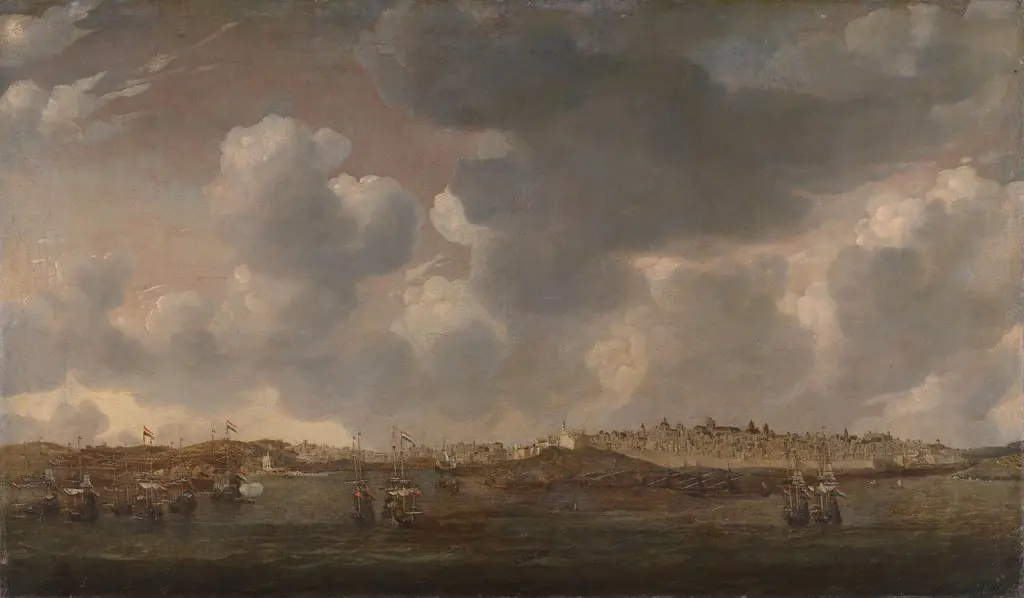
View of Algiers with de Ruyter's ship 'De Liefde', 1662
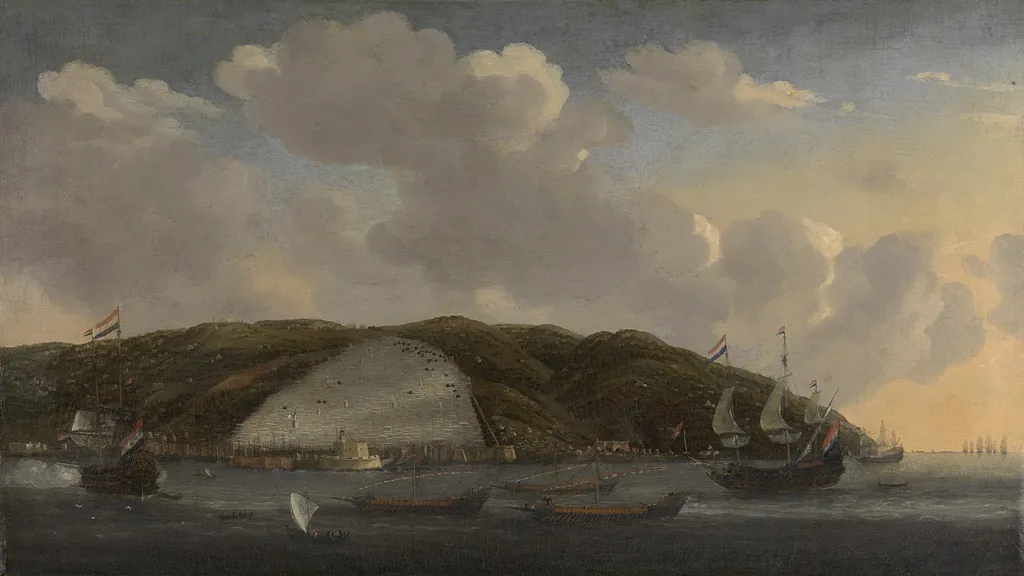
View of Algiers with de Ruyter's ship 'De Liefde', 1662 is an oil painting by the Dutch Golden Age artist Nooms, called Zeeman, Reinier. It dates from 1662 and is held in the collection of the Rijksmuseum. Reinier Nooms, known as Zeeman, painted View of Algiers with de Ruyter’s ship ‘De Liefde’ in 1662.
About this work
Overview
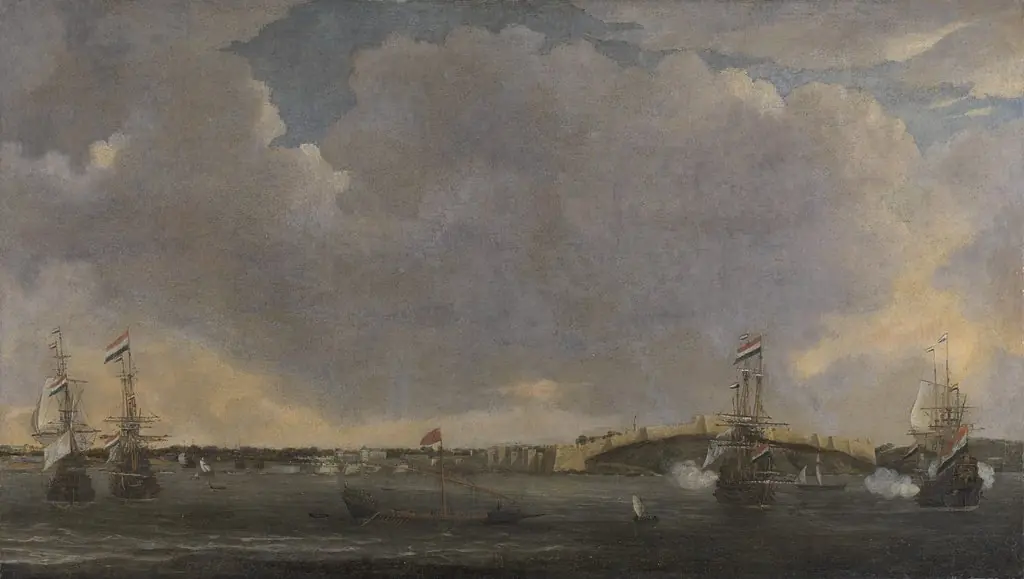
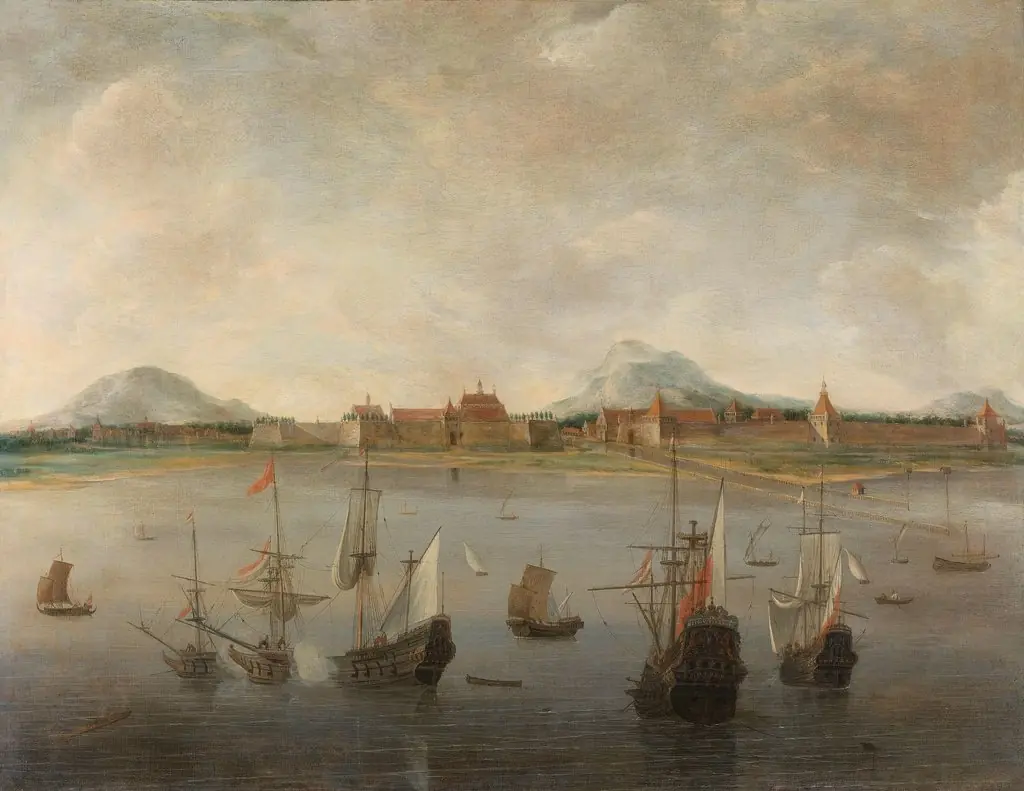
Reinier Nooms, known as Zeeman, painted View of Algiers with de Ruyter’s ship ‘De Liefde’ in 1662. Executed in oil, the canvas merges a bustling harbor with a panoramic view of Algiers framed by distant mountains, exemplifying the Dutch Golden Age’s interest in maritime and topographical subjects.
Subject & Meaning
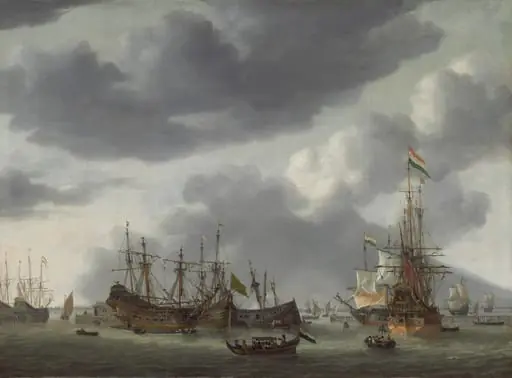
The composition centers on a large Dutch vessel, its flags and sails rendered with meticulous detail, anchored near a rugged coastline. Smaller boats populate the foreground, while the sky above is clouded yet suffused with a warm glow, suggesting a calm yet active seascape.
Technique & Style
Nooms employs a precise, almost documentary approach to ship anatomy, contrasting with softer, muted tones used for the surrounding sea and landscape. The careful rendering of rigging and hulls made his works valuable references for contemporaries seeking accurate maritime depictions.
History & Provenance
Created as part of a series of paintings and etchings Nooms produced from the 1650s onward, the piece entered the Rijksmuseum’s collection, where it remains on display as a representative example of 17th‑century Dutch naval art.
Context
During the mid‑17th century, Dutch artists frequently documented naval power and overseas ports, reflecting the Republic’s maritime dominance. Nooms, a former seaman, contributed detailed visual records that served both artistic and practical purposes for shipbuilders and cartographers.
Own this work as a print
Artist & collection

Artist
Reinier Nooms (c. 1623 – 1664), also known as Zeeman or Seeman (Dutch for "sailor"), was a Dutch maritime painter known for his highly detailed paintings and etchings of ships. From the 1650s, Nooms started producing…