Artwork
Abraham's Sacrifice
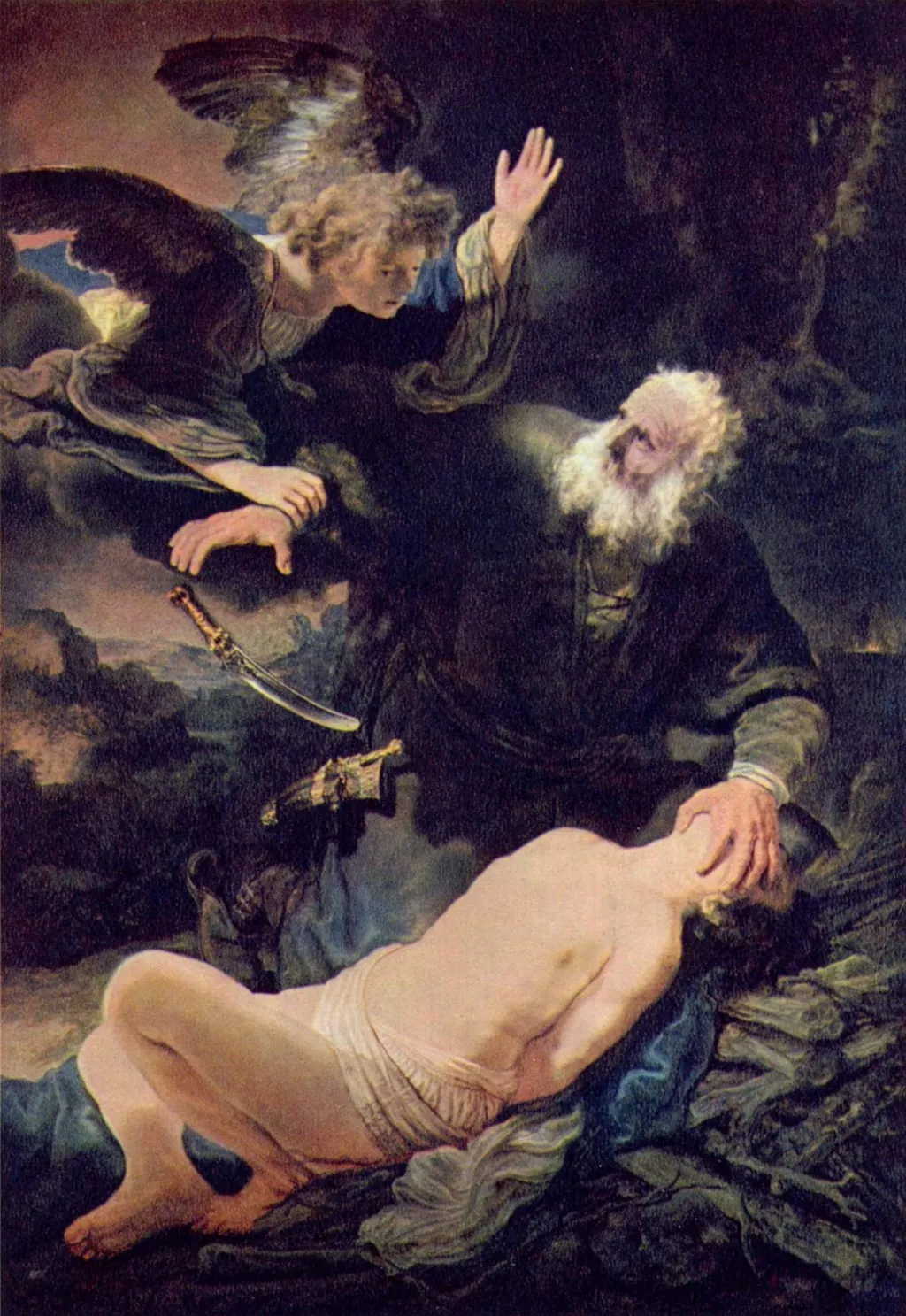
Abraham's Sacrifice is an oil painting by the Dutch Golden Age artist Rembrandt. It dates from 1635 and is held in the collection of the Hermitage Museum.
About this work
Overview
The composition centers on the two figures on a stark, rocky ground, illuminated by a dim light that highlights the tension of the scene.
Created in 1635, this oil on canvas by Rembrandt portrays the biblical moment when Abraham prepares to sacrifice his son Isaac. The composition centers on the two figures on a stark, rocky ground, illuminated by a dim light that highlights the tension of the scene. An angel intervenes from above, halting the act with an outstretched hand, while the surrounding darkness deepens the emotional impact.
Subject & Meaning
The work visualizes the test of faith recounted in Genesis, emphasizing the conflict between obedience and compassion. Abraham’s grip on the knife and Isaac’s vulnerable posture convey imminent danger, while the angel’s gesture introduces divine mercy. The juxtaposition of human resolve and supernatural intervention invites contemplation of trust, sacrifice, and the limits of devotion.
Technique & Style
Rembrandt employs chiaroscuro to sculpt the figures from the gloom, using stark contrasts of light and shadow to model form and accentuate drama. The illuminated left side casts a soft glow on Abraham’s face and the boy’s body, while the surrounding darkness recedes, creating depth. Brushwork is loose yet controlled, allowing texture in the rocky ground and the ethereal quality of the angel’s form.
History & Provenance
The original 1635 canvas resides in the Hermitage Museum in St. Petersburg. A year later, a close replica was produced, now part of the collection at the Alte Pinakothek in Munich. Both versions attest to the painting’s early replication and its circulation among European collections during the 17th and 18th centuries.
Context
Executed during Rembrandt’s early Amsterdam period, the painting reflects the artist’s interest in biblical narratives rendered with psychological intensity. The use of dramatic lighting aligns with contemporary Baroque sensibilities, while the intimate focus on the figures anticipates Rembrandt’s later explorations of human emotion and spiritual revelation.
Own this work as a print
Artist & collection
Artist
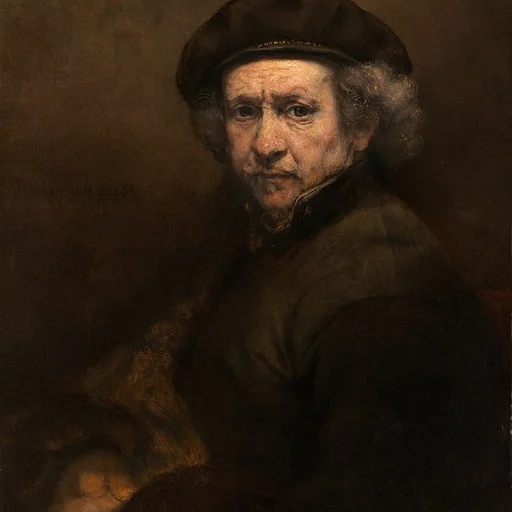
Rembrandt Harmenszoon van Rijn (15 July 1606 – 4 October 1669), known mononymously as Rembrandt, was a Dutch Golden Age painter, printmaker, and draughtsman.