Artwork
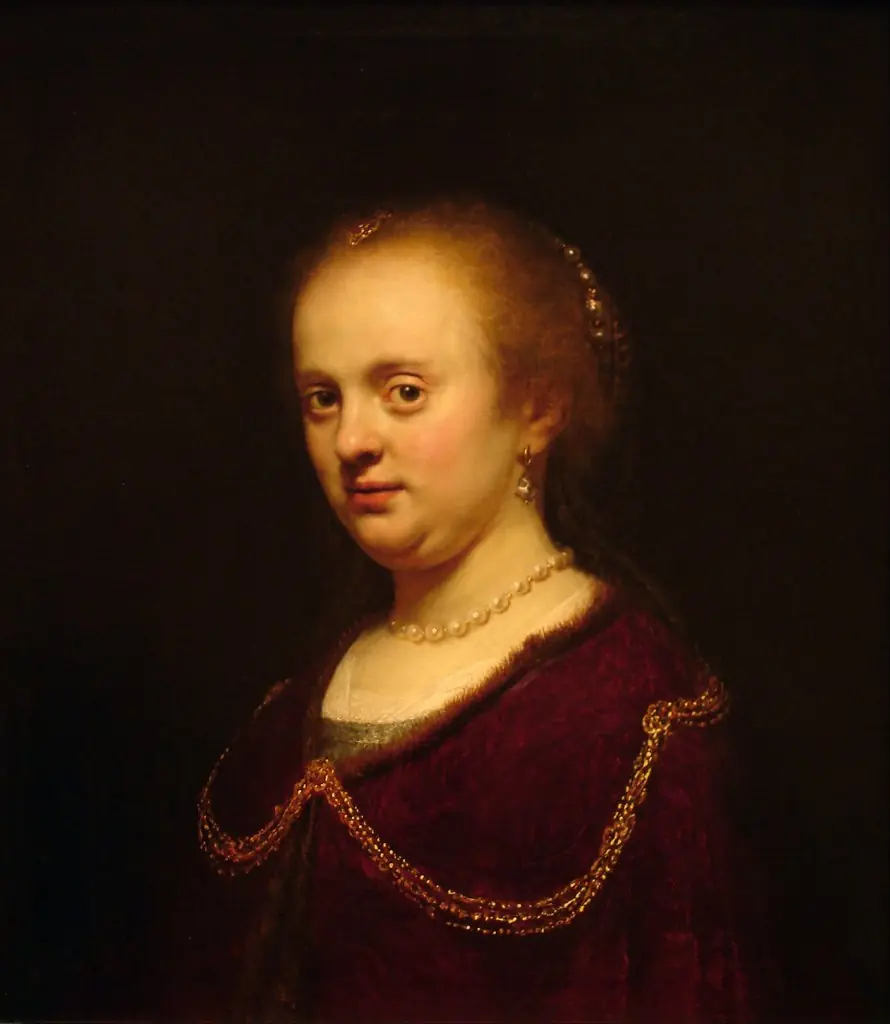
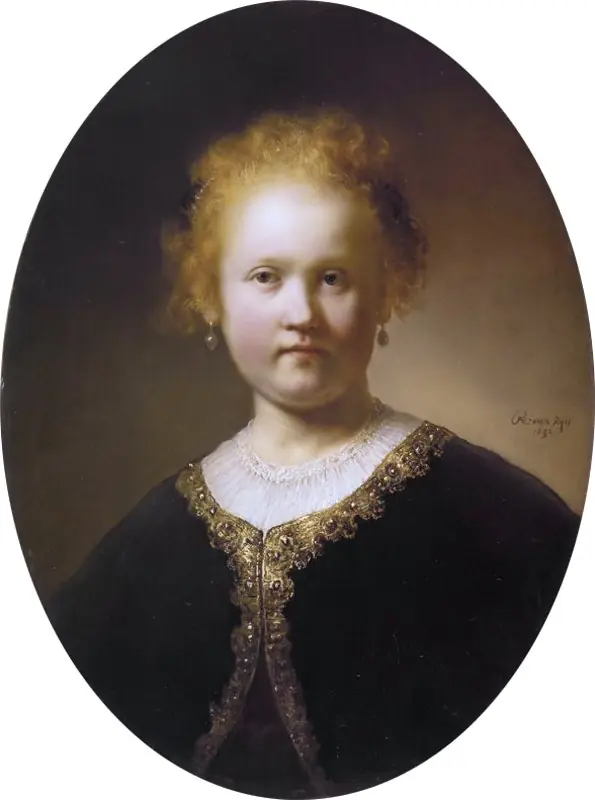
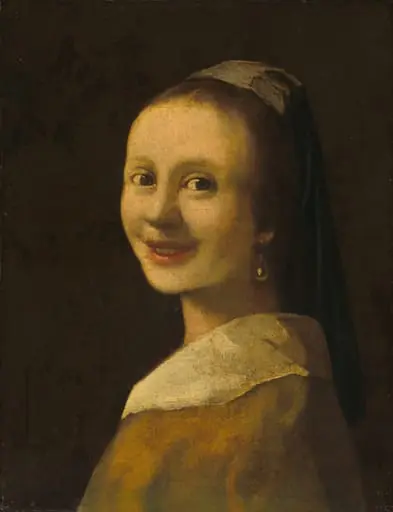
Bust of a Young Woman Smiling, possibly Saskia van Uylenburgh
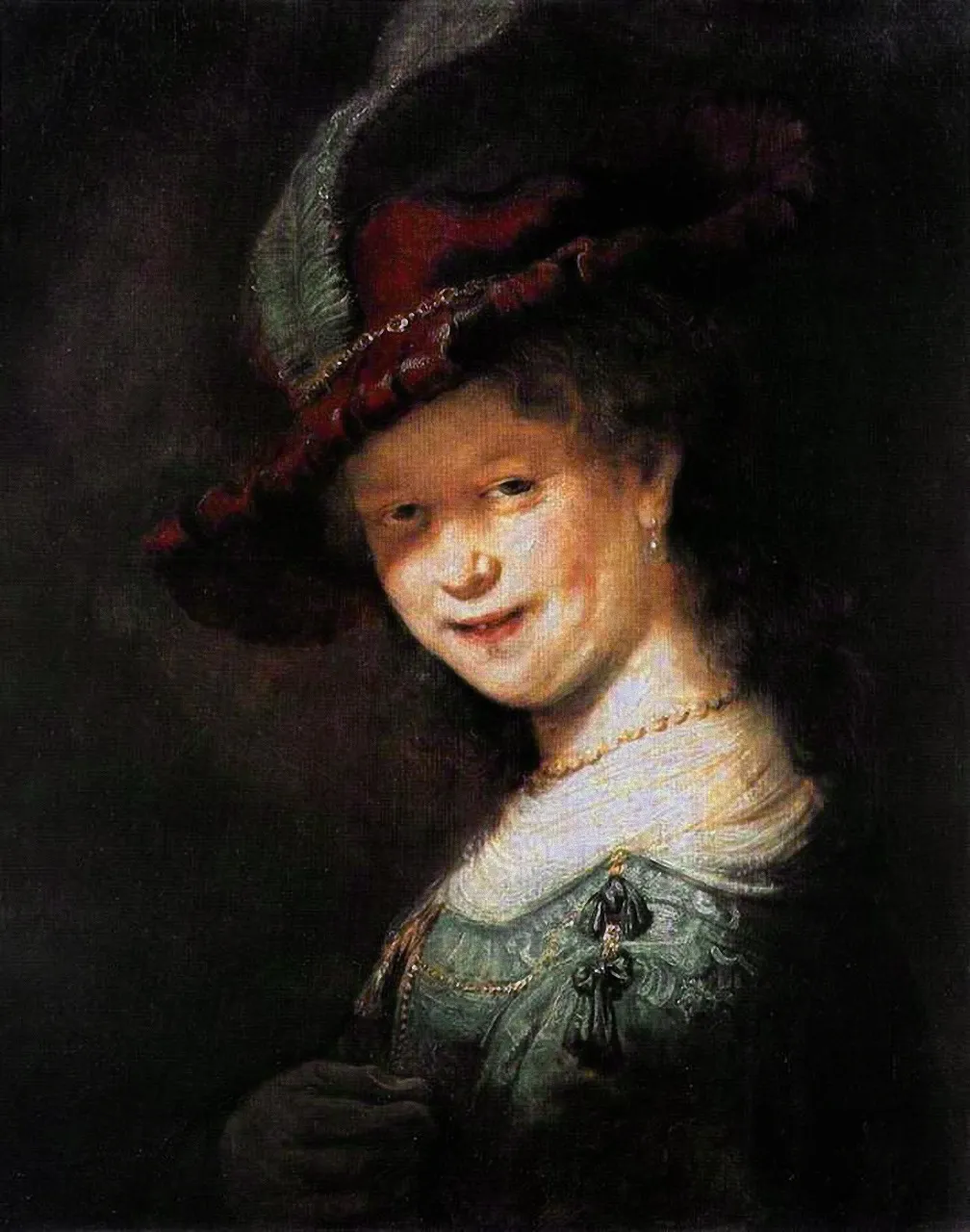
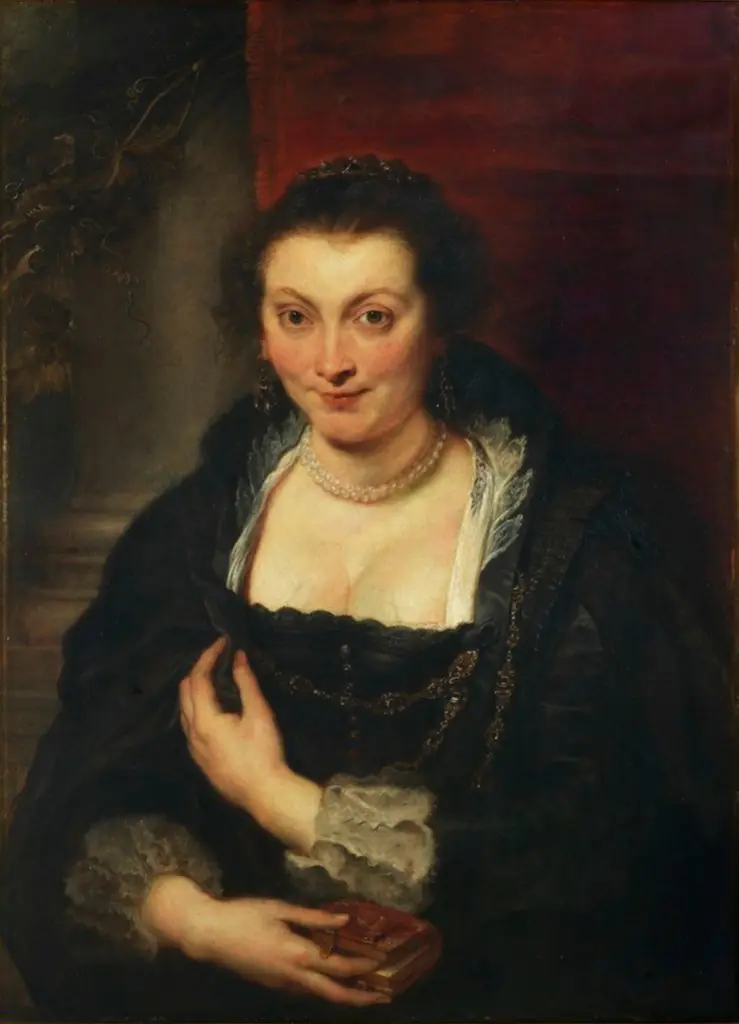
Bust of a Young Woman Smiling, possibly Saskia van Uylenburgh is an oil painting by the Dutch Golden Age artist Rembrandt. It dates from 1633 and is held in the collection of the Staatliche Kunstsammlungen Dresden. Painted in 1633, this oil-on-canvas portrait captures a young woman in a close-up, intimate format.
About this work
Overview
Painted in 1633, this oil-on-canvas portrait captures a young woman in a close-up, intimate format. Attributed to Rembrandt van Rijn, it reflects his interest in personal, expressive portraiture during his early Amsterdam years. The work is part of the Gemäldegalerie Alte Meister’s collection in Dresden, where it has been held since the 18th century.
Subject & Meaning
The sitter is widely believed to be Saskia van Uylenburgh, Rembrandt’s wife, though the identification remains tentative. Her gentle smile and direct gaze suggest a private, affectionate moment rather than a formal commission. The elaborate attire and adornments imply social status, yet the warmth of her expression humanizes the image, distinguishing it from conventional aristocratic portraiture.
Technique & Style
The composition focuses tightly on the upper body, eliminating background distractions to emphasize emotional presence.
Rembrandt employed subtle brushwork to render texture in fabric, feathers, and skin. Light falls softly across the face and shoulders, modeling form with minimal contrast. The green dress and gold trim are rendered with restrained richness, while the feathered hat adds dynamic verticality. The composition focuses tightly on the upper body, eliminating background distractions to emphasize emotional presence.
History & Provenance
The painting entered the Dresden collection in the 1740s as part of the Saxon royal holdings. Its attribution to Rembrandt has been consistently supported by stylistic analysis, though scholarly debate continues over the sitter’s identity. No early documentation confirms it as a portrait of Saskia, but its timing aligns with their marriage and Rembrandt’s frequent use of her as a model.
Context
Created during Rembrandt’s rise to prominence in Amsterdam, the work reflects a broader Dutch trend toward intimate, psychologically nuanced portraiture. Unlike grand state portraits, this image prioritizes personal expression over social display. It aligns with other studies of family and friends from this period, revealing Rembrandt’s shift toward capturing inner life over external grandeur.
Legacy
Though less famous than Rembrandt’s larger works, this portrait exemplifies his ability to convey quiet humanity through modest means. Its enduring presence in a major European collection underscores its value as a study in emotional authenticity. Later artists and scholars have cited it as an early example of psychological intimacy in Dutch portraiture.
Artist & collection
Artist
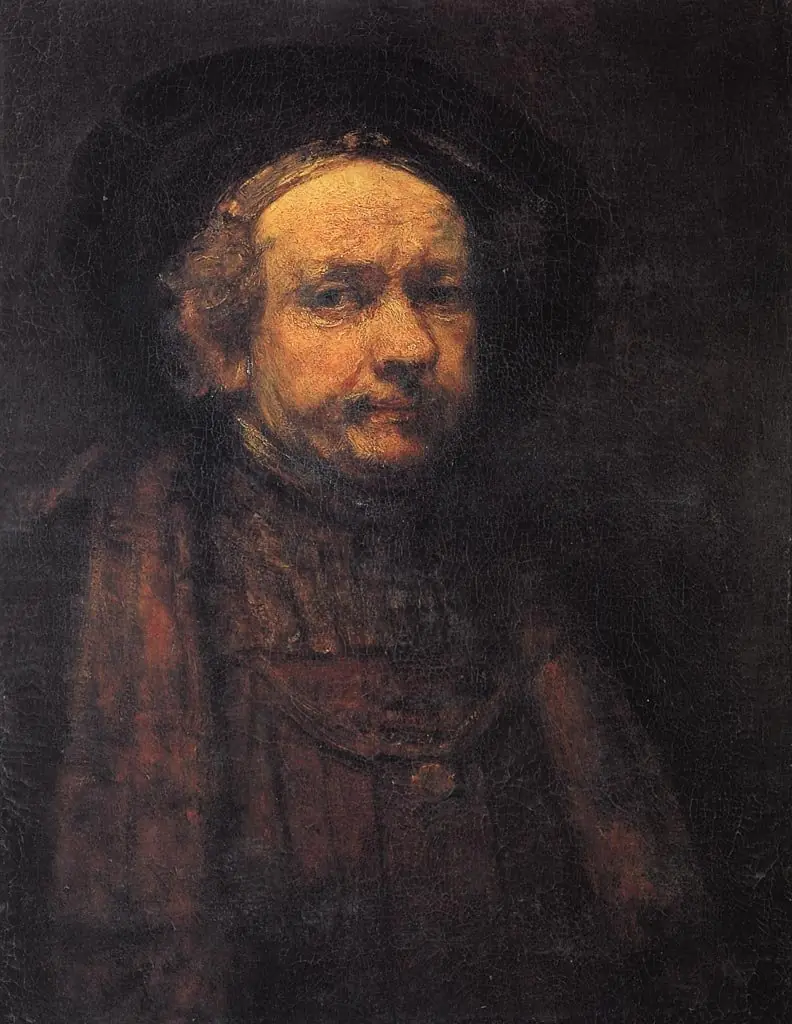
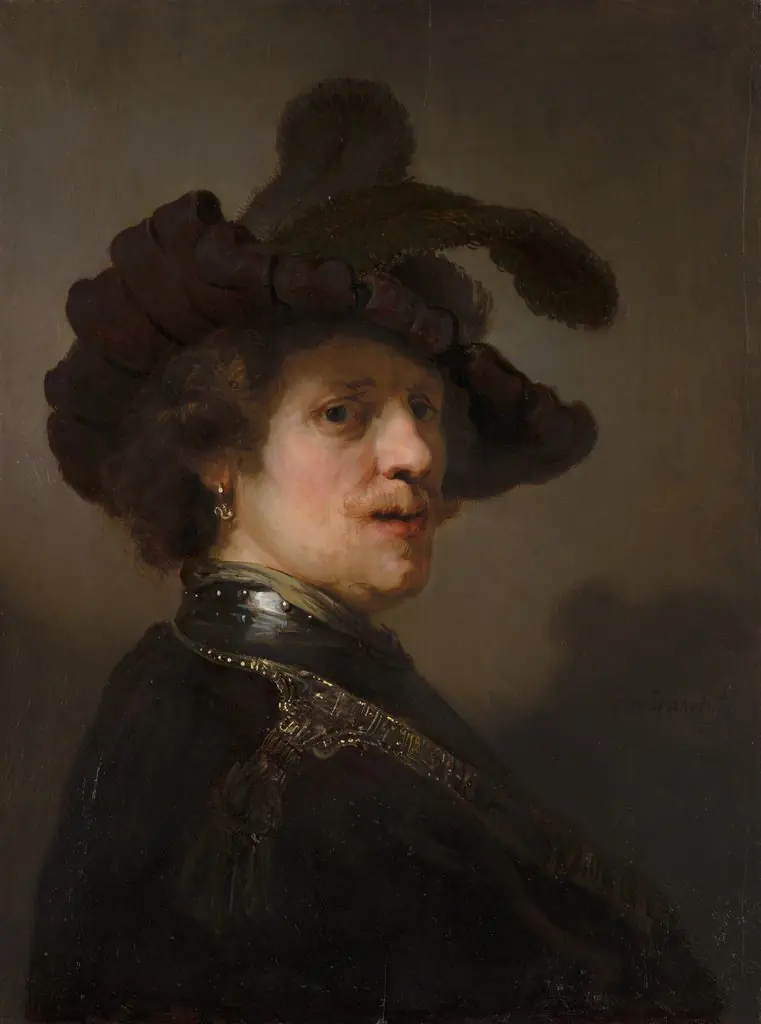
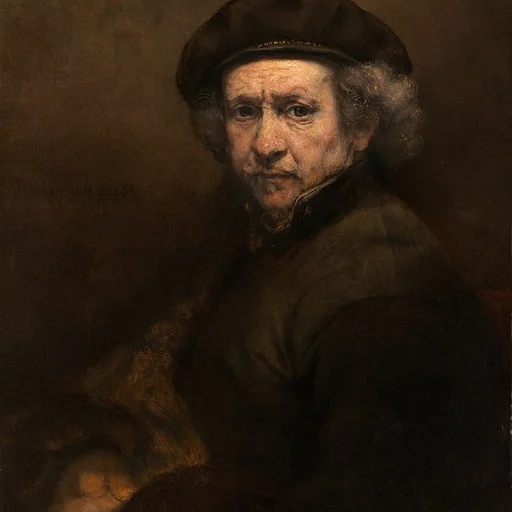
Rembrandt Harmenszoon van Rijn (15 July 1606 – 4 October 1669), known mononymously as Rembrandt, was a Dutch Golden Age painter, printmaker, and draughtsman.