Artwork
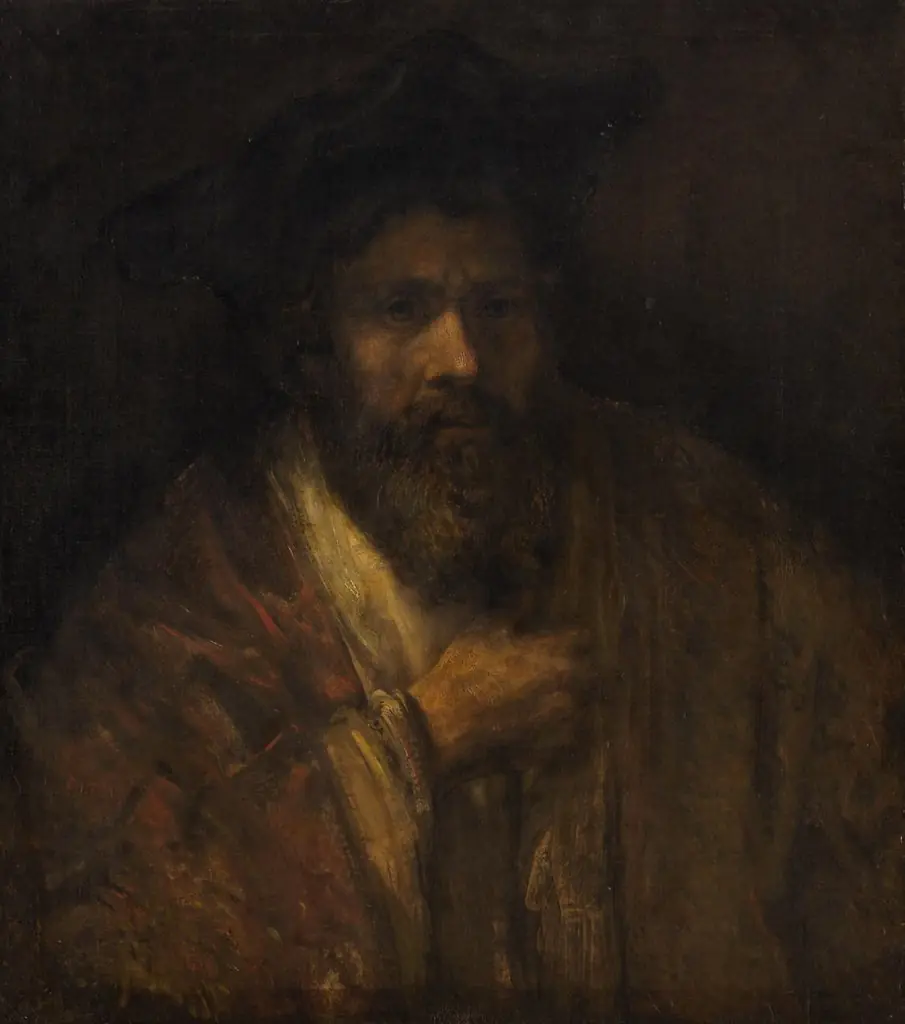
Man in a Beret looking Left
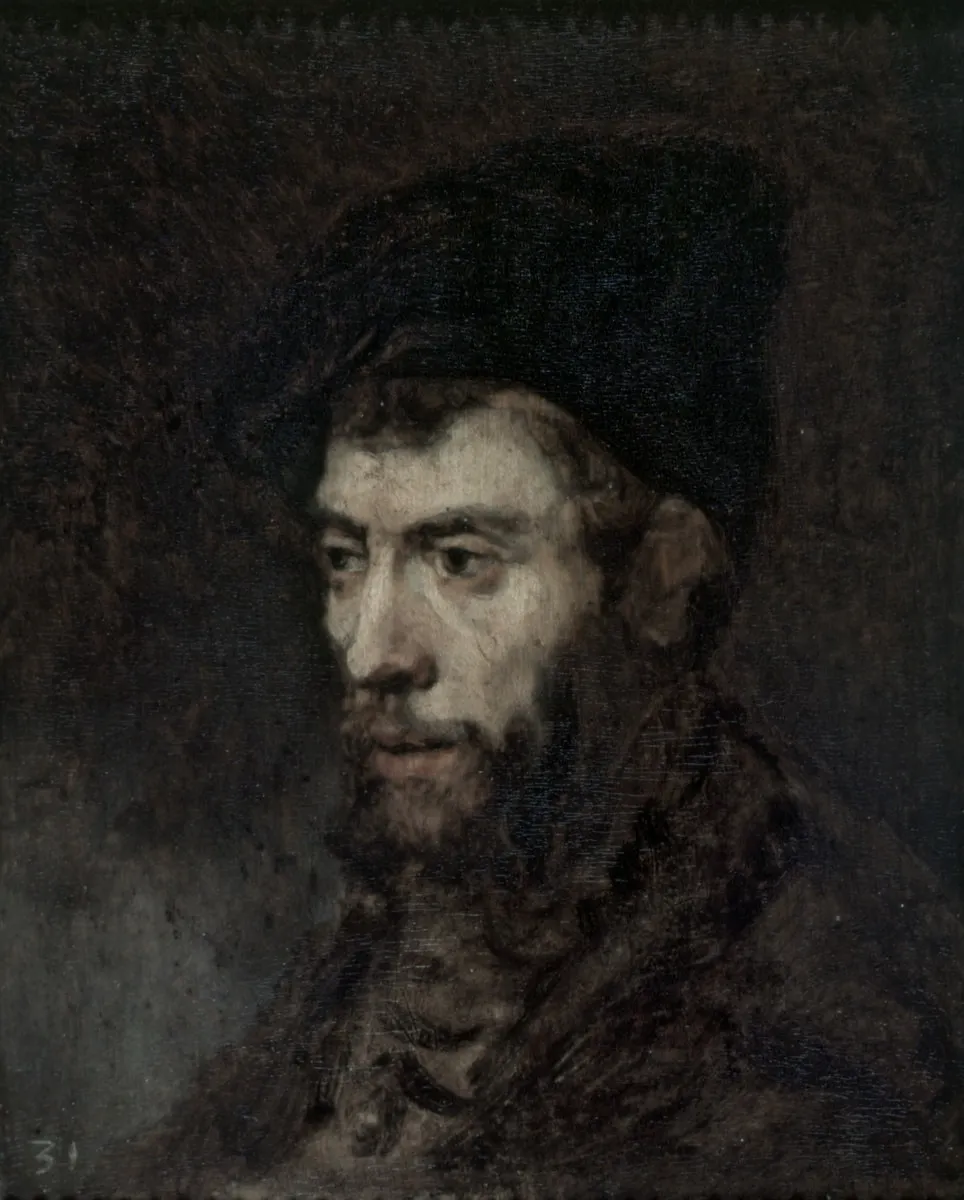
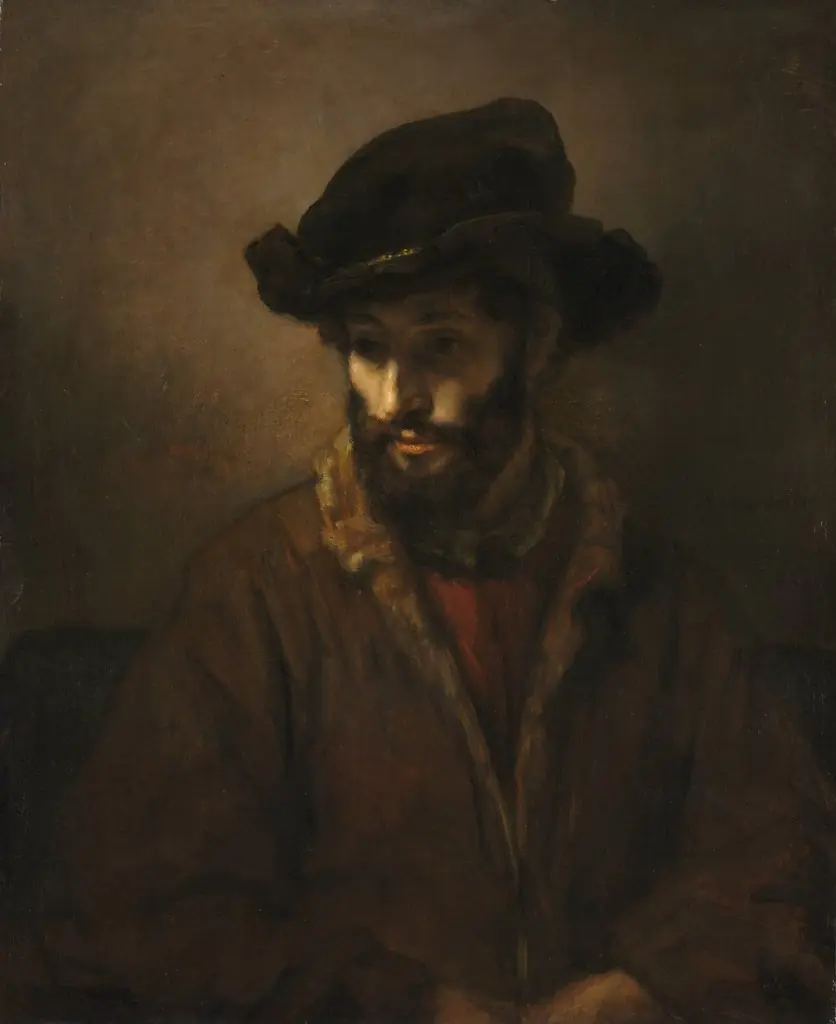
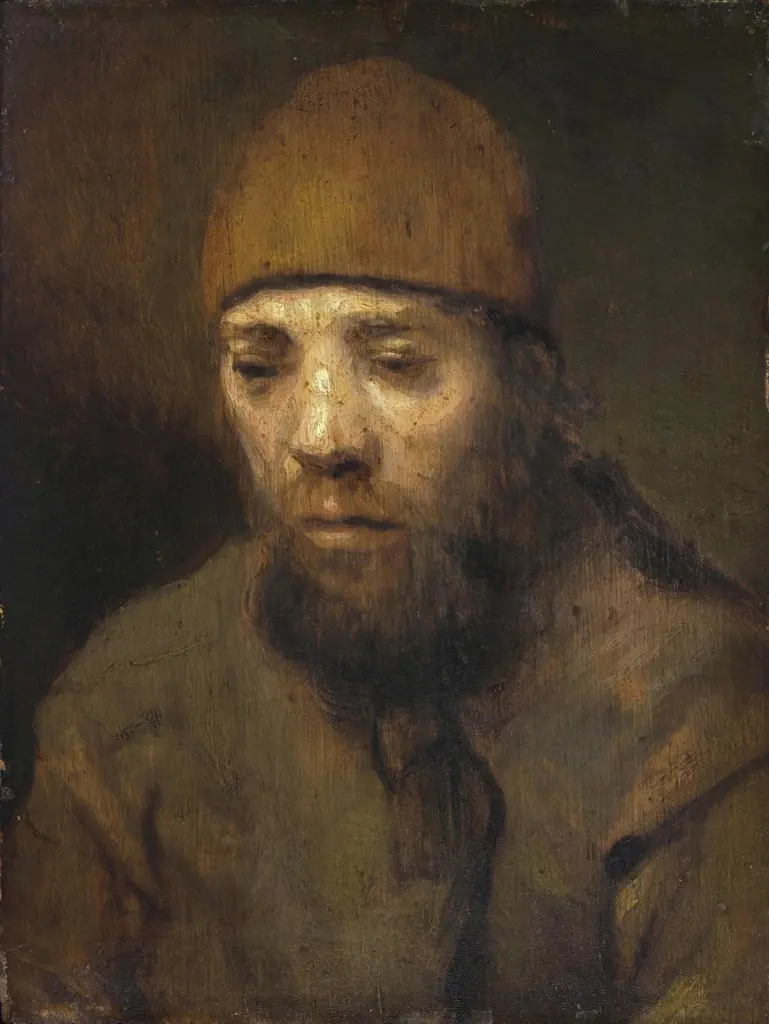
Man in a Beret looking Left is an oil painting by the Dutch Golden Age artist Rembrandt. It dates from 1646 and is held in the collection of the National Galleries Scotland.
About this work
Overview
Executed during the height of the Dutch Golden Age, the work reflects Rembrandt’s sustained interest in character studies.
Painted in 1646 by Rembrandt van Rijn, this oil portrait depicts a man in a beret gazing to the left. Executed during the height of the Dutch Golden Age, the work reflects Rembrandt’s sustained interest in character studies. Though not a commissioned portrait, it belongs to a series of introspective figures he rendered with psychological nuance. The painting is part of the Scottish National Gallery’s permanent collection.
Subject & Meaning
The subject is an unidentified man, likely a member of the urban middle class, dressed in modest attire. His neutral expression and averted gaze suggest contemplation rather than direct engagement. The absence of identifying symbols or context invites interpretation as a study of inner life, typical of Rembrandt’s approach to portraiture—emphasizing mood over status or narrative.
Technique & Style
Rembrandt employs chiaroscuro to model the face with subtle gradations of light and shadow, giving the figure tangible volume. The dark, unbroken background isolates the head, directing focus to the texture of skin, beard, and woolen beret. Brushwork varies from smooth transitions on the forehead to thicker, more tactile strokes along the collar and hat, revealing his mastery of materiality through paint.
History & Provenance
The painting entered the Scottish National Gallery’s collection in the 19th century, having passed through private hands in the Netherlands and Britain. Its attribution to Rembrandt has been consistently supported by stylistic analysis and technical examination. No definitive record of its original commission or owner exists, but its quality aligns with works produced during his mature period in Amsterdam.
Context
Created during a time when Dutch artists increasingly turned to secular subjects, this portrait reflects a broader cultural shift toward individualism. While formal portraits of elites remained common, Rembrandt and his contemporaries explored the dignity of ordinary people. This work belongs to a group of studies that prioritize psychological presence over social identity.
Legacy
The painting exemplifies Rembrandt’s enduring influence on the portrayal of human interiority. Its restrained composition and emotional reserve became a touchstone for later artists seeking to convey depth without theatricality. Though not widely exhibited, it remains a key reference in studies of 17th-century Dutch portraiture and the evolution of light as a narrative tool.
Artist & collection
Artist
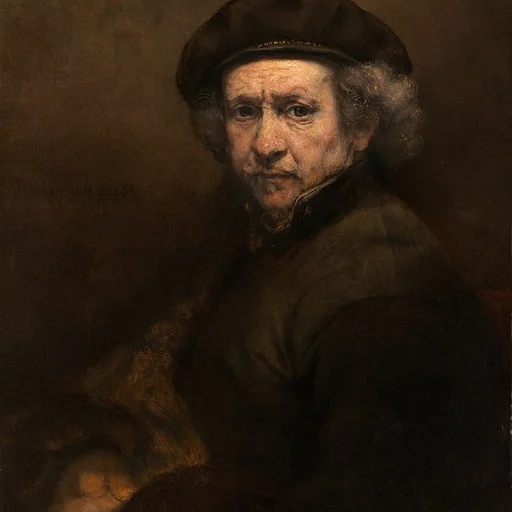
Rembrandt Harmenszoon van Rijn (15 July 1606 – 4 October 1669), known mononymously as Rembrandt, was a Dutch Golden Age painter, printmaker, and draughtsman.