Artwork
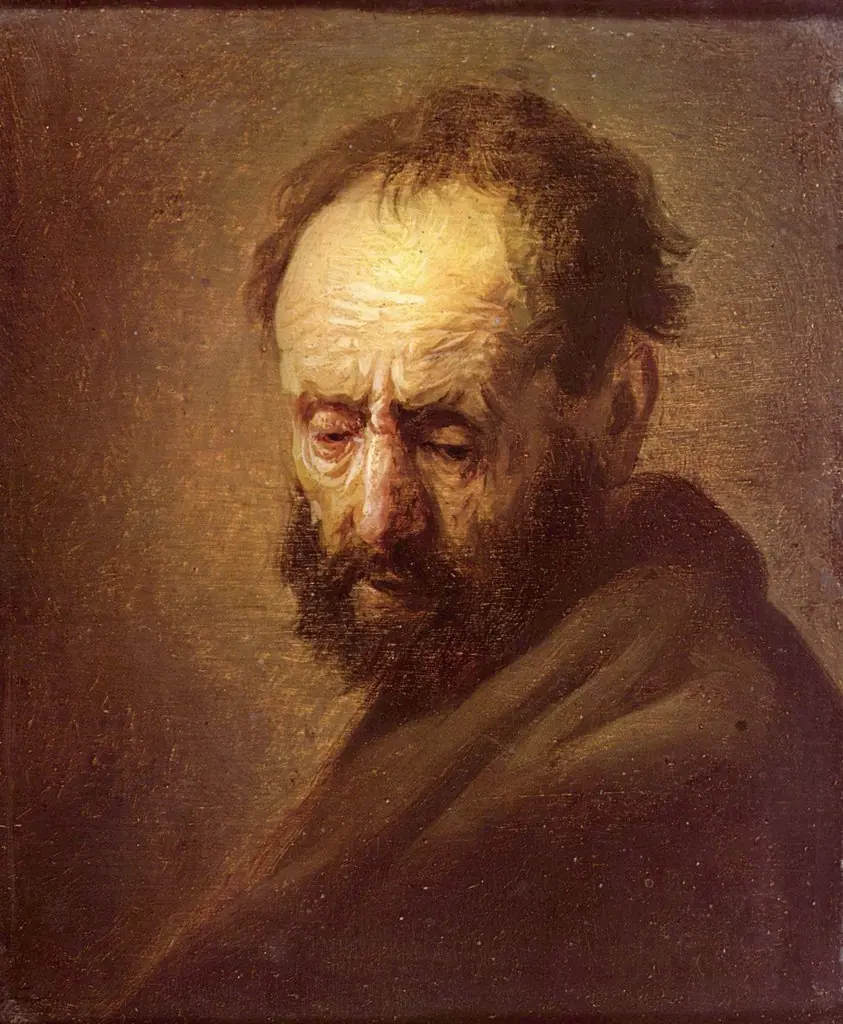
Study of an old man
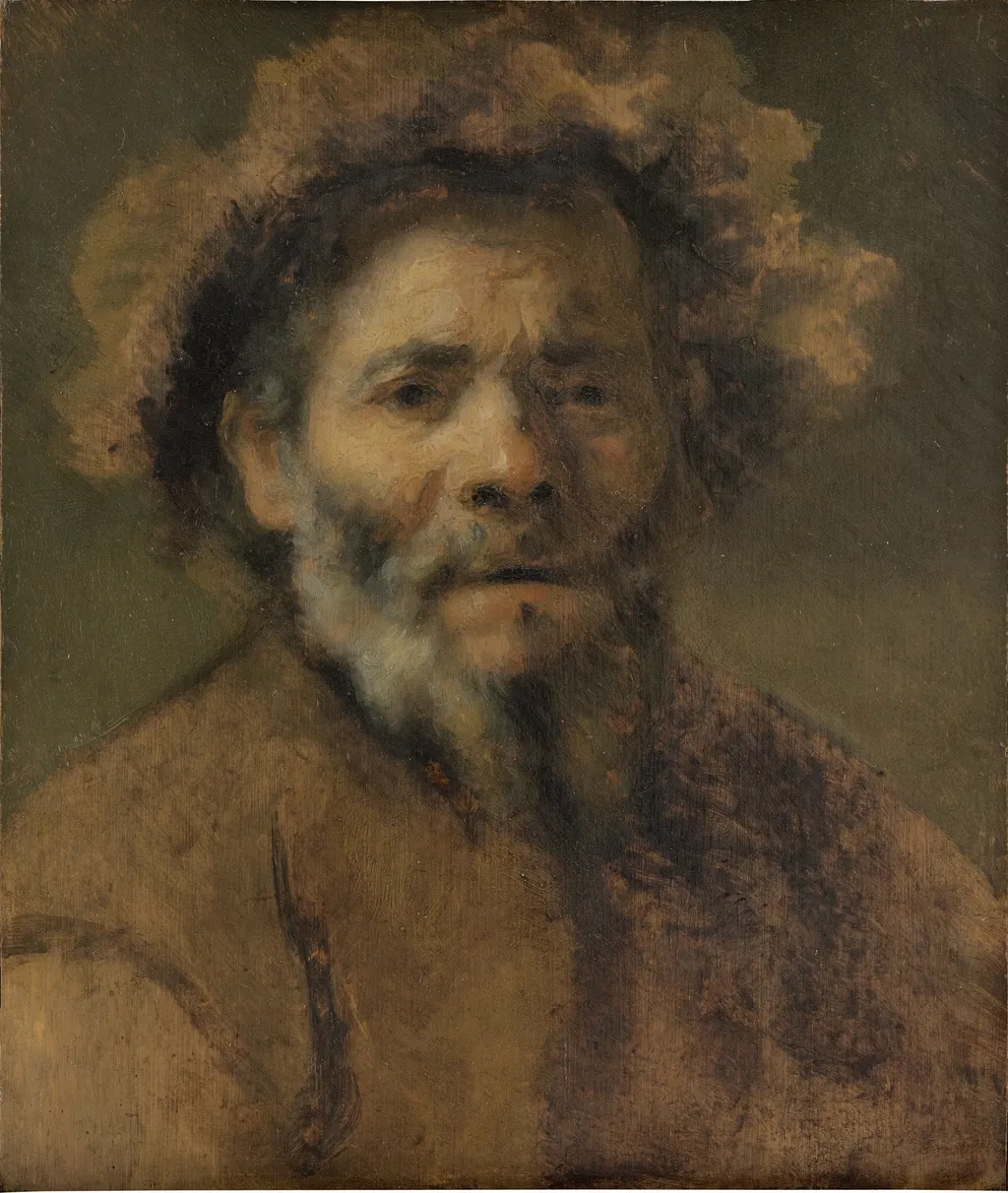
Study of an old man is an oil painting by the Dutch Golden Age artist Unknown. It dates from 1650 and is held in the collection of the Mauritshuis. This oil painting presents a close study of an elderly man, rendered with quiet intensity.
About this work
Overview
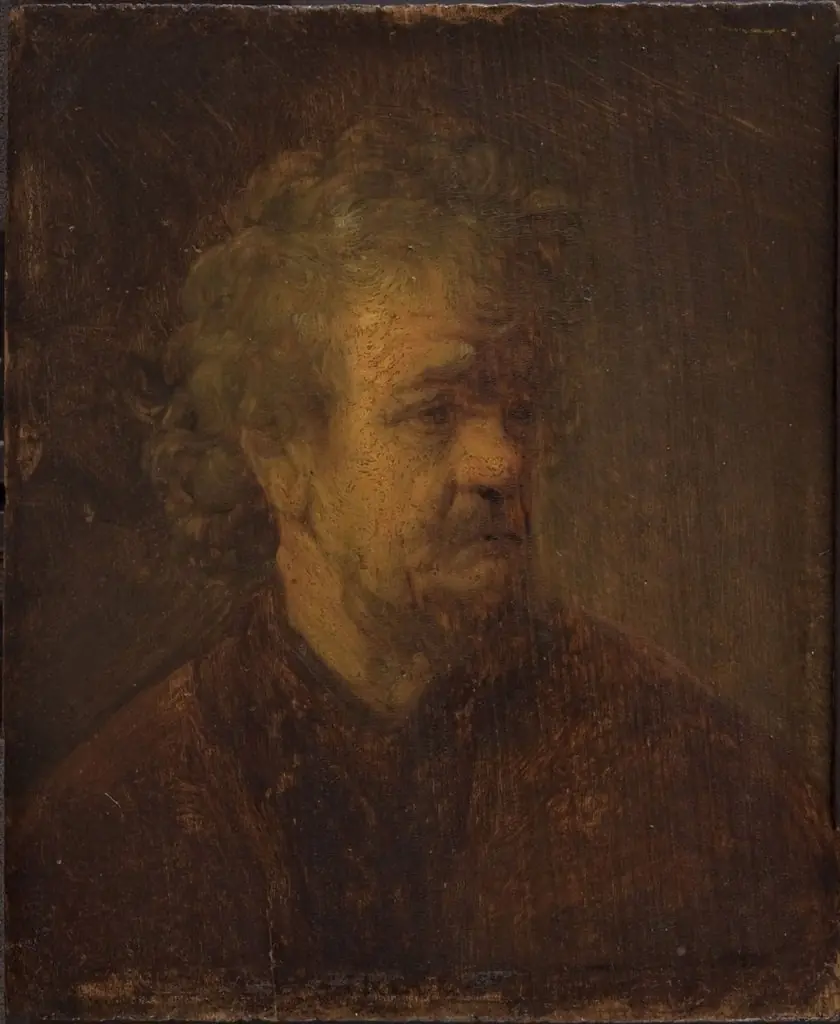
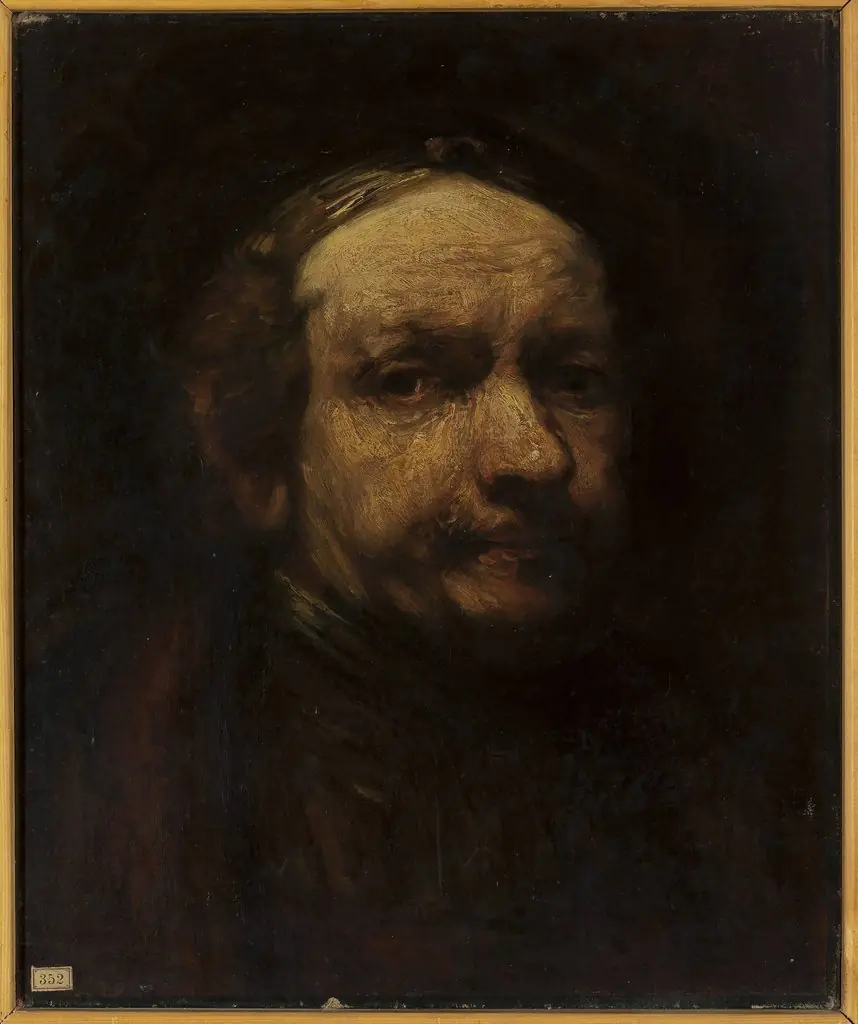
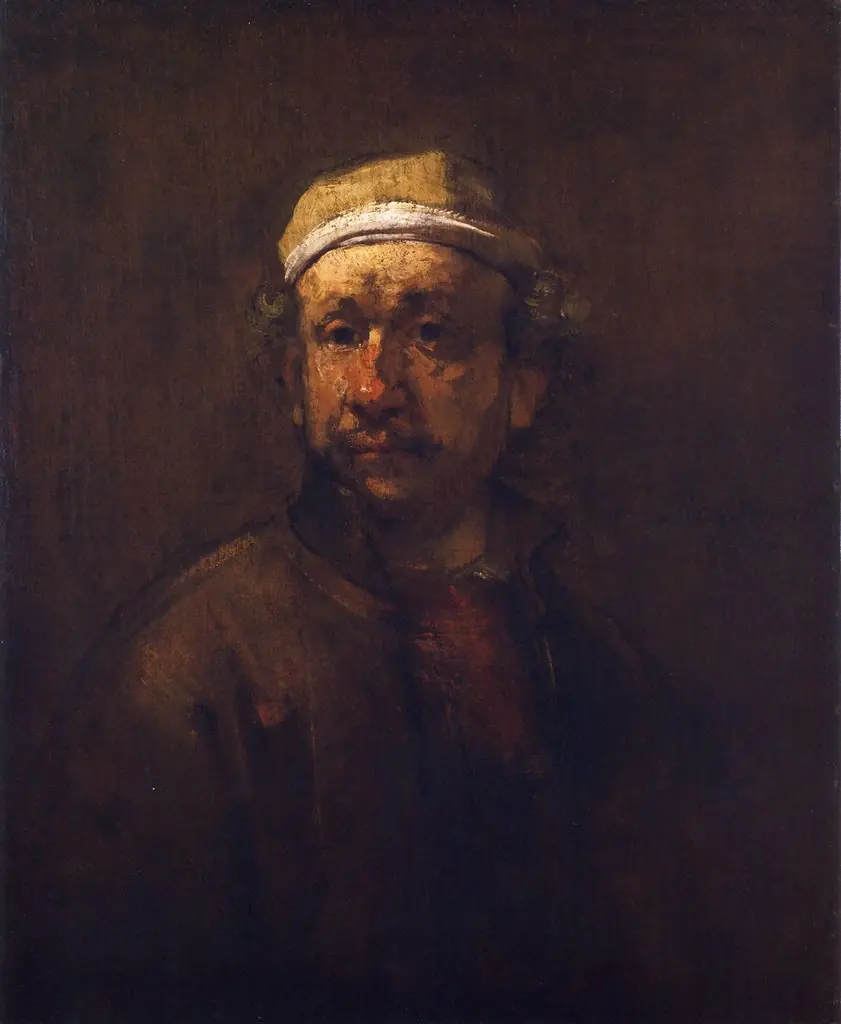
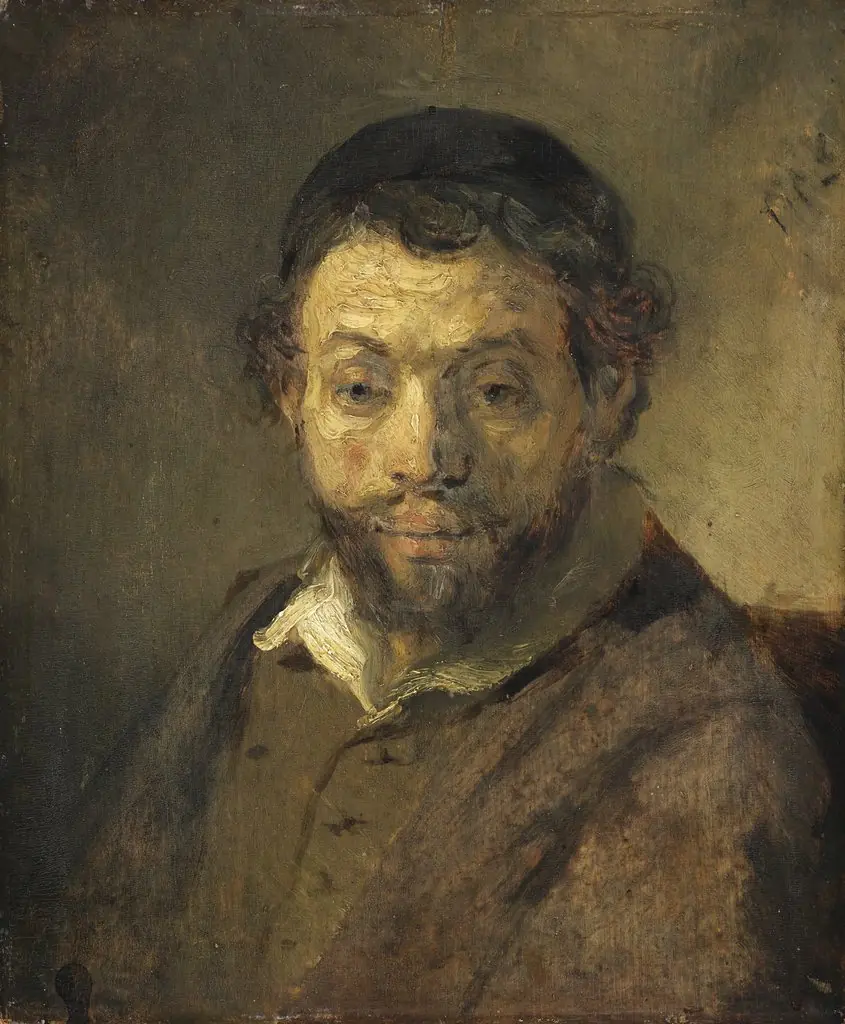
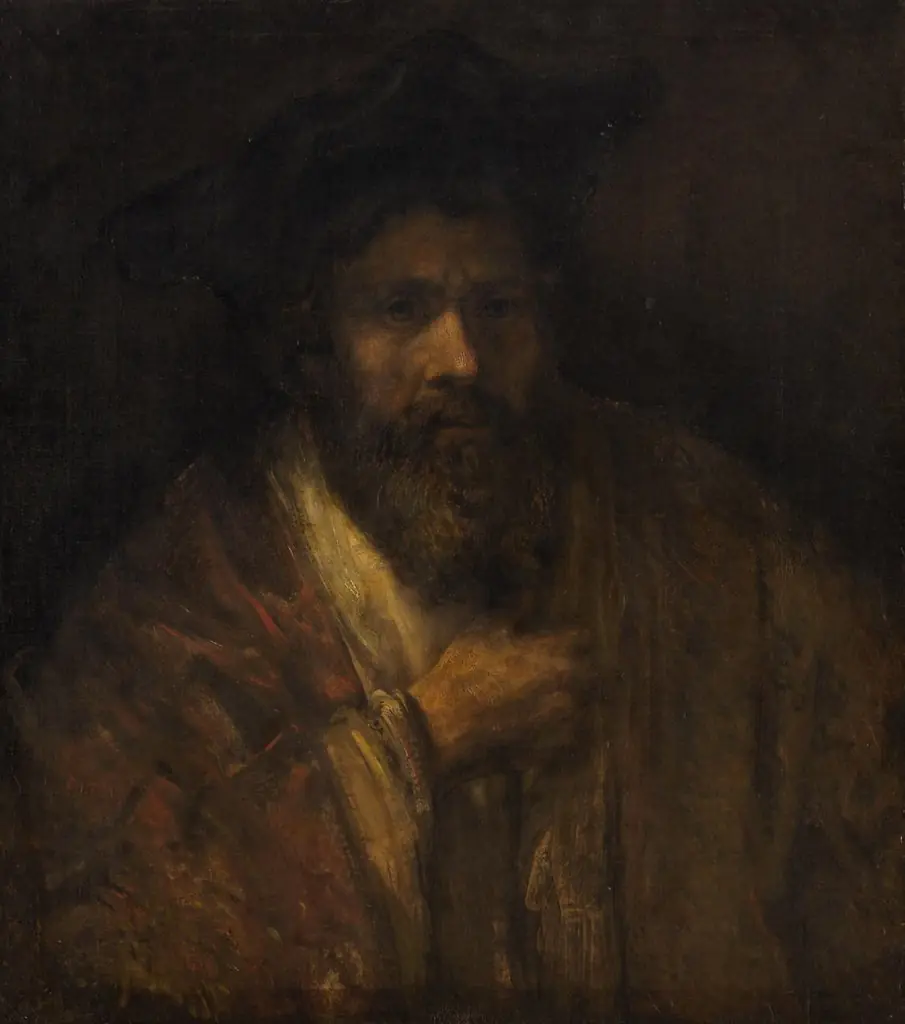
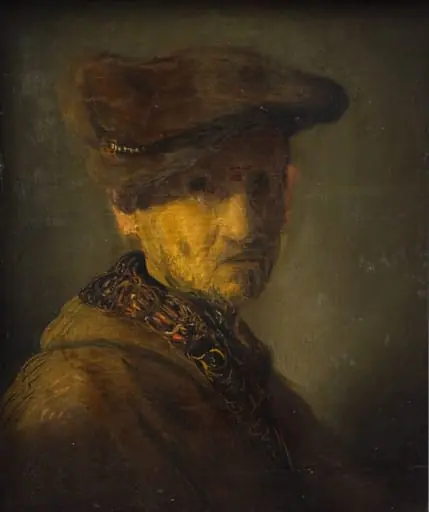
This oil painting presents a close study of an elderly man, rendered with quiet intensity. The composition centers on the face, framed by shadowed clothing and a dim background. The artist employs subtle tonal shifts to model form, avoiding sharp outlines in favor of gradual transitions. The work functions as a study in human presence rather than a formal portrait, emphasizing mood over identity.
Subject & Meaning
The man’s downward gaze and still posture suggest inward reflection, not narrative or social role. His age is evident in the texture of skin and the soft sag of features, but no identifiers—clothing, objects, or symbols—anchor him to a specific time or status. The absence of context invites contemplation of aging, solitude, or the quiet dignity of ordinary life.
Technique & Style
Chiaroscuro is used to sculpt the face from darkness, with light grazing the forehead, nose, and cheekbone. Brushwork varies: smoother on the skin, looser and more textured on the collar and background. The visible strokes convey immediacy, as if the artist worked directly from life, capturing fleeting light and the physicality of the subject without idealization.
History & Provenance
The painting’s origins are undocumented, but its style aligns with 17th-century Dutch studies of individual character. It lacks a clear provenance trail, suggesting it may have been a private exercise rather than a commissioned work. Its survival implies it was valued by collectors for its emotional resonance, even if not publicly exhibited in its time.
Context
In the Dutch Golden Age, artists increasingly turned to intimate studies of ordinary people, moving beyond aristocratic or biblical subjects. This work reflects a broader cultural interest in psychological depth and the dignity of the individual. Such studies were often kept in artists’ studios as references or personal explorations of light and expression.
Legacy
Though unsigned and unattributed, the painting’s approach to light and emotion echoes the methods of Rembrandt and his circle. It contributes to a tradition of observational portraiture that prioritized inner life over external status. Its enduring presence in collections underscores its quiet influence on later realist and expressive portraiture.
Artist & collection

 Domestic Scene
 Giacomo and Cardinal Marco, investing Andrea, Abbot of San Zeno, with his Benefice
 The Nymph of Fontainebleau
 Portrait of a Woman
 Madonna and Child with Saints in the Enclosed Garden
 Venus and Minerva
 Family Group of Four on Sofa
 Wall painting from Room H of the Villa of P. Fannius Synistor at Boscoreale