Artwork
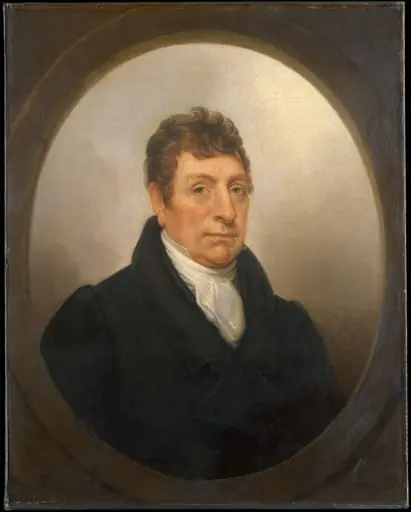
Portrait of Henry Robinson
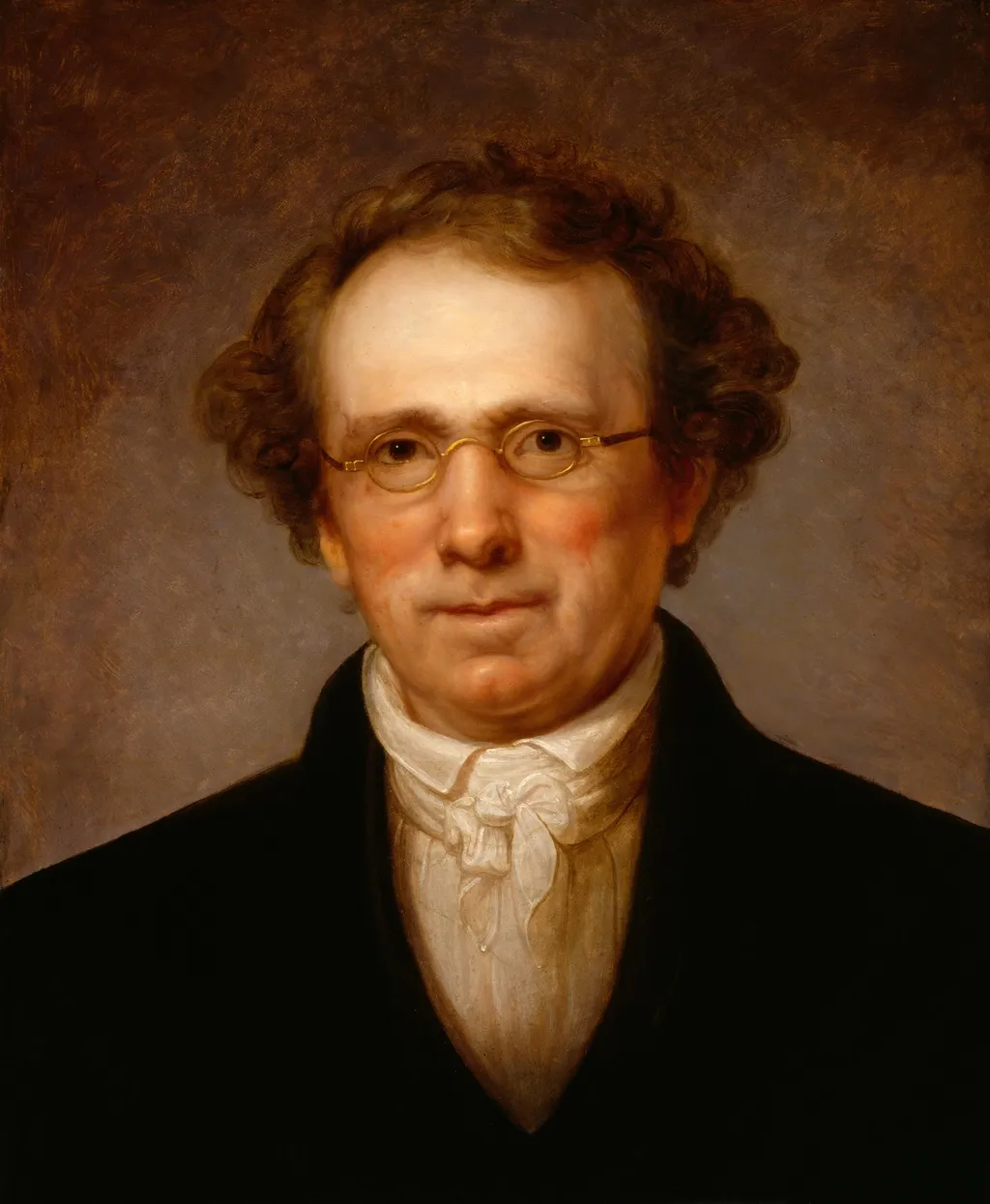
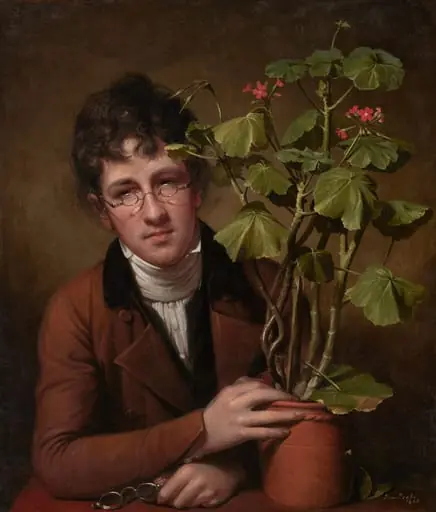
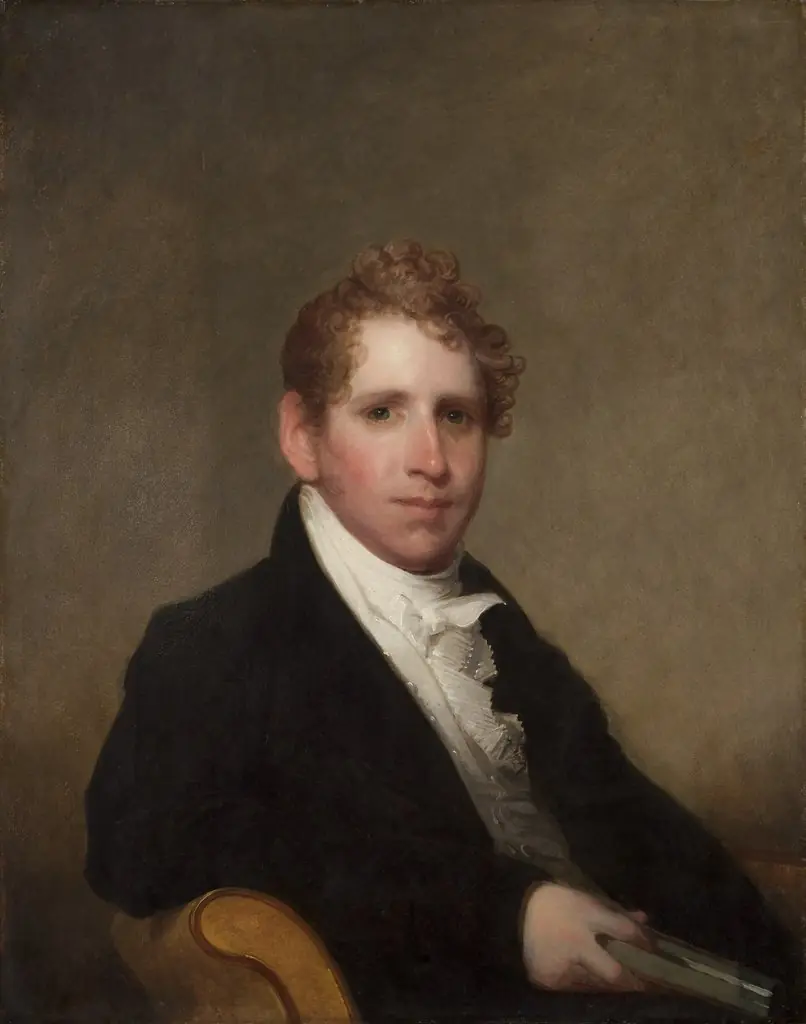
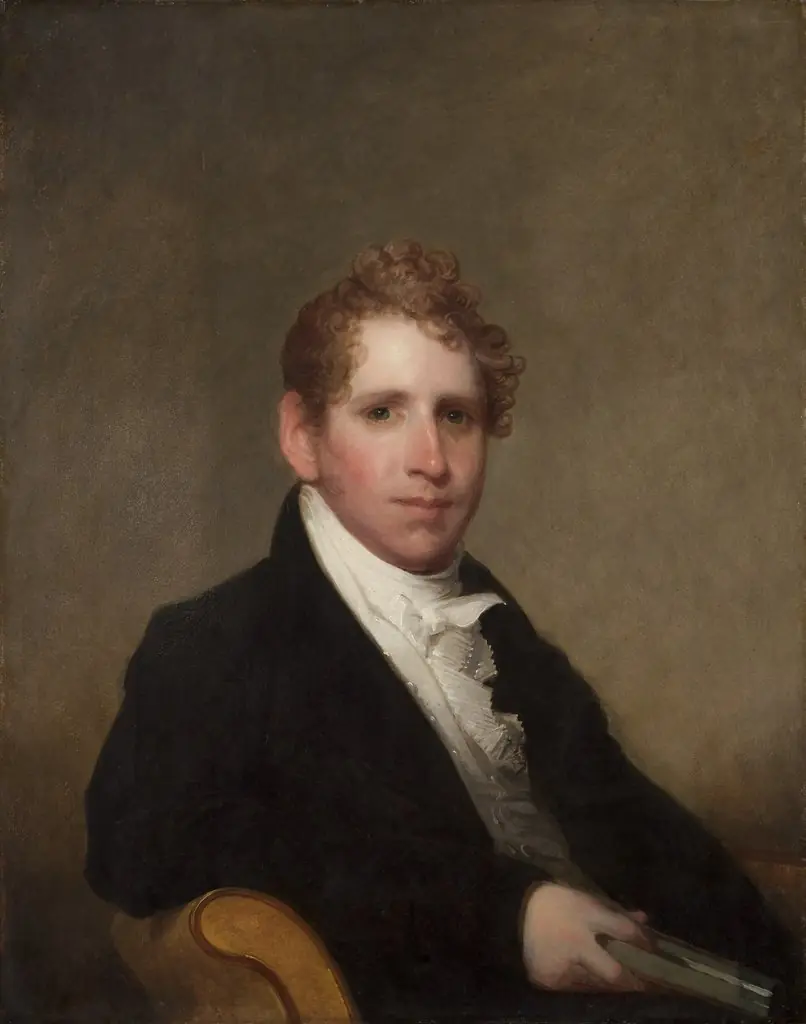
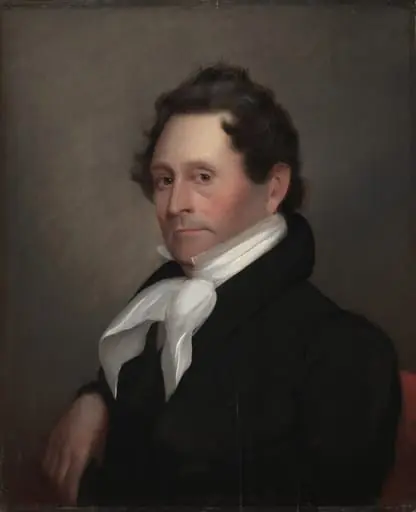
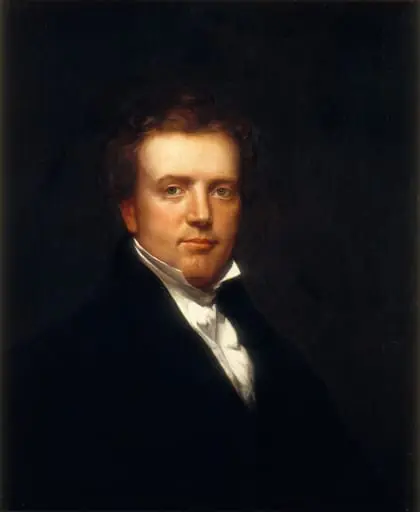
Portrait of Henry Robinson is an unspecified painting by Rembrandt Peale. It dates from 1828 and is held in the collection of the Museum of Fine Arts, Houston.
About this work
Overview
Painted around 1828 by Rembrandt Peale, this portrait captures Henry Robinson, a figure of quiet presence.
Painted around 1828 by Rembrandt Peale, this portrait captures Henry Robinson, a figure of quiet presence. Peale, an American artist trained in the tradition of academic portraiture, developed a refined style after studying in Paris, where he absorbed the restrained elegance of French neoclassical aesthetics. The work exemplifies his commitment to dignified representation and careful observation, aligning with the tastes of early 19th-century American patrons seeking sober, authoritative likenesses.
Subject & Meaning
Henry Robinson is depicted with a composed, introspective demeanor, his gaze lowered as if in private reflection. The absence of overt symbols or elaborate setting directs focus to his expression and bearing, suggesting intellectual or moral gravity. His attire—a dark coat and white cravat—conveys modest formality, typical of professional or civic men of the era. The portrait does not celebrate status through ornament but conveys character through stillness and subtlety.
Technique & Style
Peale employs chiaroscuro to model Robinson’s face with soft, graduated tones, creating a sense of three-dimensionality without dramatic contrast. The brushwork is precise yet unobtrusive, particularly in the rendering of hair and fabric textures. The muted, uneven brown background isolates the figure without distraction, reinforcing the portrait’s introspective mood. This controlled use of light and shadow reflects Peale’s training in European academic conventions and his dedication to lifelike representation.
History & Provenance
The painting entered the collection of the Museum of Fine Arts, Houston, where it remains today. While specific details of its early ownership are not widely documented, its preservation suggests it was valued by collectors who appreciated Peale’s reputation as a chronicler of American elites. As one of many portraits Peale produced in the 1820s, it reflects his ongoing engagement with the genre after his return from Europe and his efforts to establish a distinctly American school of portraiture.
Context
In the 1820s, American portraiture increasingly emphasized individual character over aristocratic grandeur. Peale, influenced by European training, adapted neoclassical ideals to suit a republic’s values—favoring restraint, clarity, and moral seriousness. Robinson’s portrait aligns with this shift, mirroring broader cultural trends that prized intellectual dignity and quiet virtue over ostentation, particularly among the emerging professional class in the United States.
Legacy
Though less celebrated than Peale’s portraits of Washington or Jefferson, this work exemplifies his consistent approach to capturing psychological depth through formal discipline. It contributes to a body of American portraiture that prioritized sincerity over spectacle, influencing later generations of artists who sought to represent character through understated means. The painting endures as a quiet testament to the era’s ideals of composure and introspection.
Own this work as a print
Artist & collection
Artist
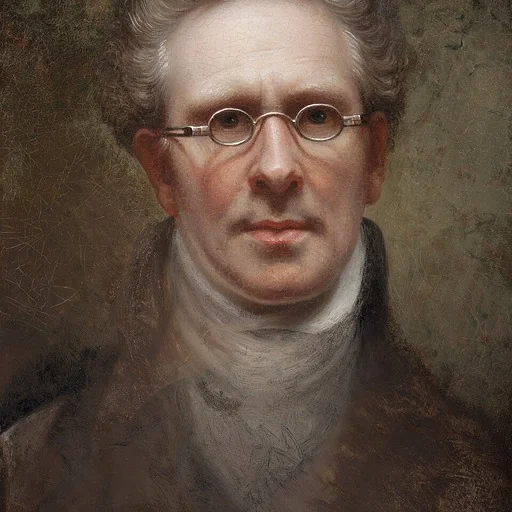
Rembrandt Peale (February 22, 1778 – October 3, 1860) was an American artist and museum keeper.