Artwork
Self Portrait
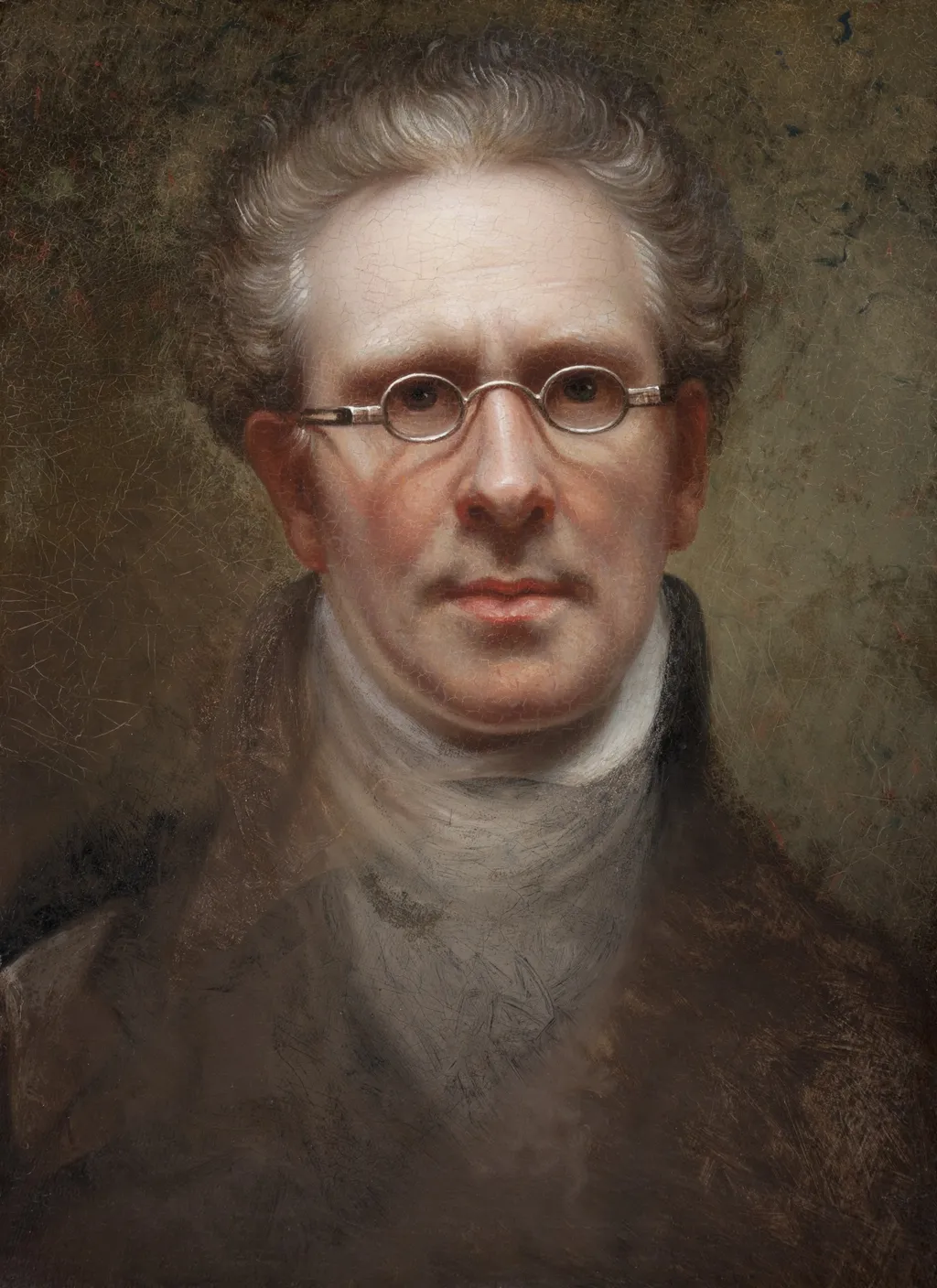
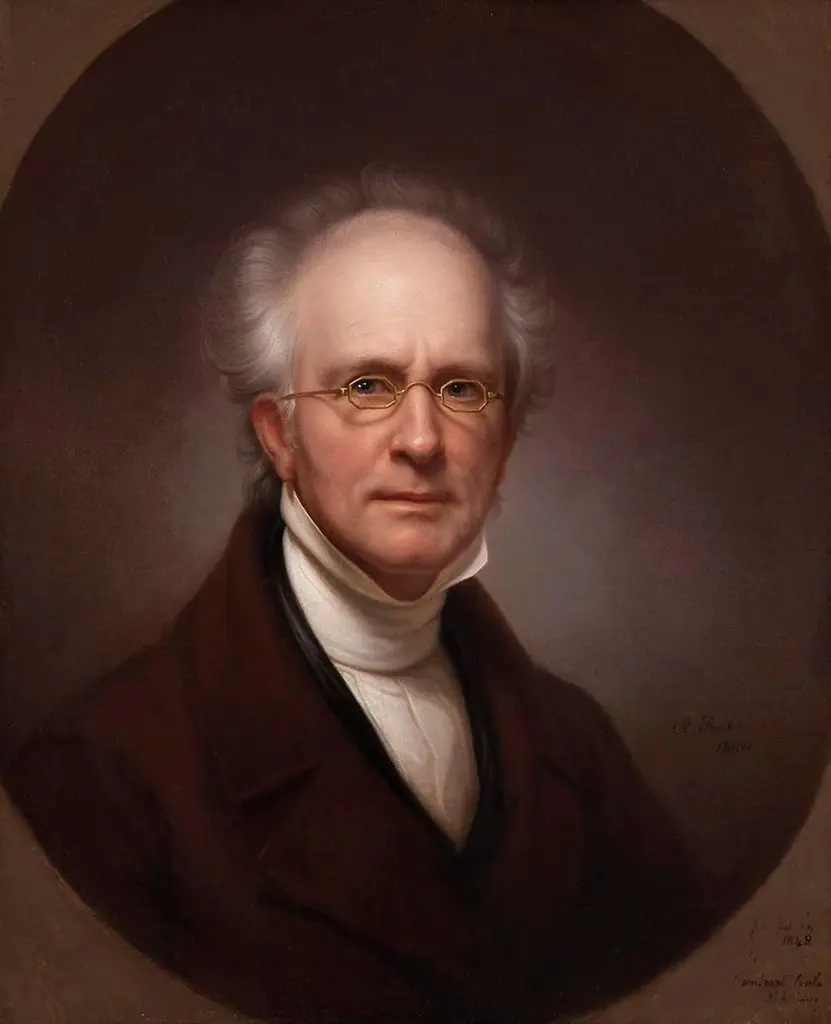
Self Portrait is an oil painting by the American Folk Art artist Rembrandt Peale. It dates from 1828 and is held in the collection of the Detroit Institute of Arts.
About this work
Overview
The painting resides in the Detroit Institute of Arts, where it represents Peale’s sustained engagement with the genre of self-representation.
Painted in 1828, this oil on canvas portrait depicts Rembrandt Peale, an American artist known for his formal portraiture. Executed during the height of his career, the work presents a focused, intimate view of the artist himself, emphasizing facial expression and texture over environmental context. The painting resides in the Detroit Institute of Arts, where it represents Peale’s sustained engagement with the genre of self-representation.
Subject & Meaning
Peale portrays himself with scholarly demeanor—glasses, neatly trimmed beard, and high collar suggesting intellectual refinement. The direct gaze and subdued expression convey introspection rather than grandeur. Unlike ceremonial portraits of political figures, this image prioritizes personal identity and artistic self-awareness, positioning the painter as both observer and subject within the tradition of European self-portraiture.
Technique & Style
The painting employs chiaroscuro to model the face with subtle gradations of light and shadow, enhancing three-dimensionality. Brushwork is refined yet unobtrusive, particularly in the rendering of facial hair and the lenses of the spectacles. The dark, indistinct background isolates the figure, directing attention to the nuanced treatment of skin tone and the quiet interplay of light across the forehead and cheekbones.
History & Provenance
Created during Peale’s mature period, the portrait follows his time in Paris, where exposure to French neoclassical aesthetics influenced his approach to form and composition. It was likely painted for personal or academic purposes, not as a commission. The work entered the Detroit Institute of Arts’ collection in the 20th century, where it remains a key example of early American portraiture.
Context
In early 19th-century America, self-portraits were uncommon among artists outside the European tradition. Peale, trained in a family of painters and influenced by European academies, aligned himself with this lineage. His depiction reflects a growing American interest in individual identity and artistic legitimacy, bridging colonial portraiture and the emerging Romantic emphasis on the artist’s inner life.
Legacy
The portrait stands as a quiet testament to Peale’s technical discipline and his role in shaping American artistic identity. Though less celebrated than his presidential portraits, this self-image reveals his commitment to psychological depth and formal control. It continues to inform studies of 19th-century American artists’ self-representation and the transmission of European techniques across the Atlantic.
Own this work as a print
Artist & collection
Artist
Rembrandt Peale (February 22, 1778 – October 3, 1860) was an American artist and museum keeper.

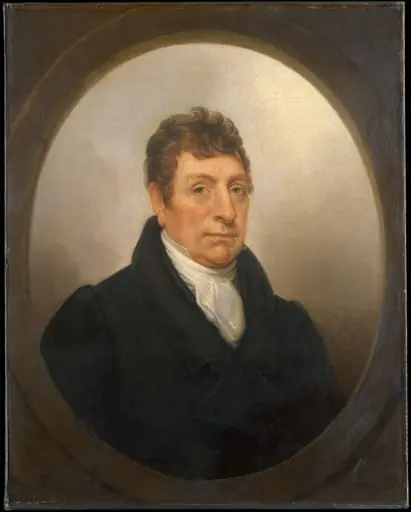
 Portrait of Henry Robinson
 Self-Portrait
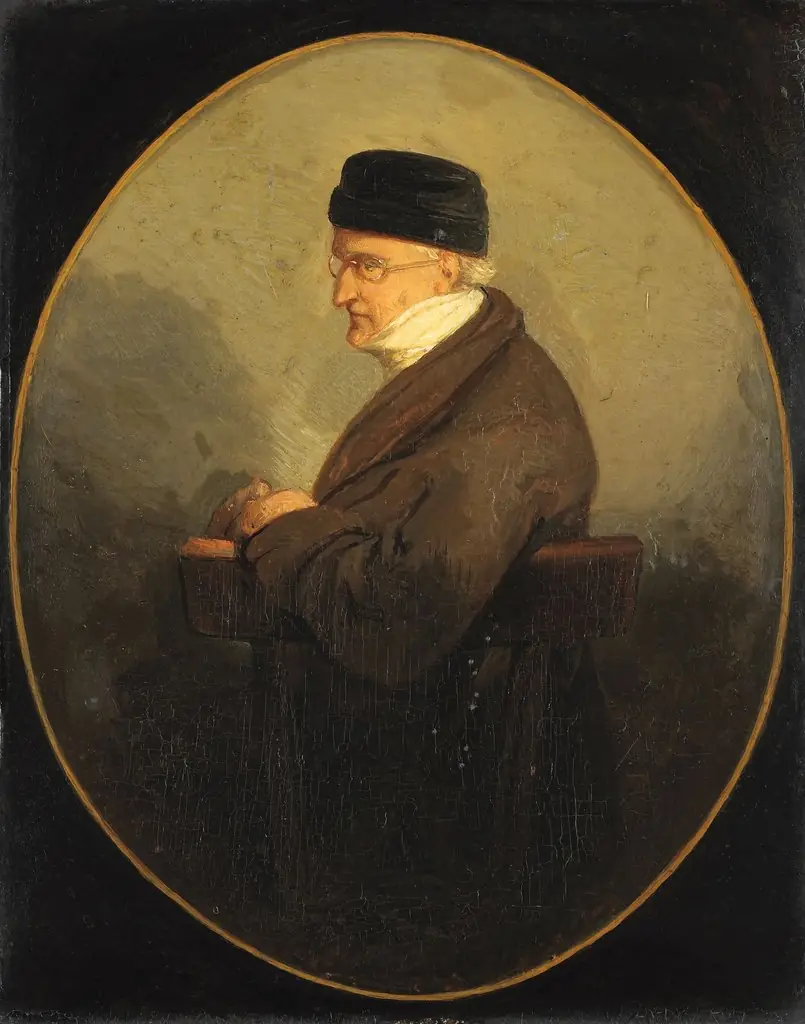 David Pierre Giottino Humbert de Superville (1770-1849), Painter and Writer
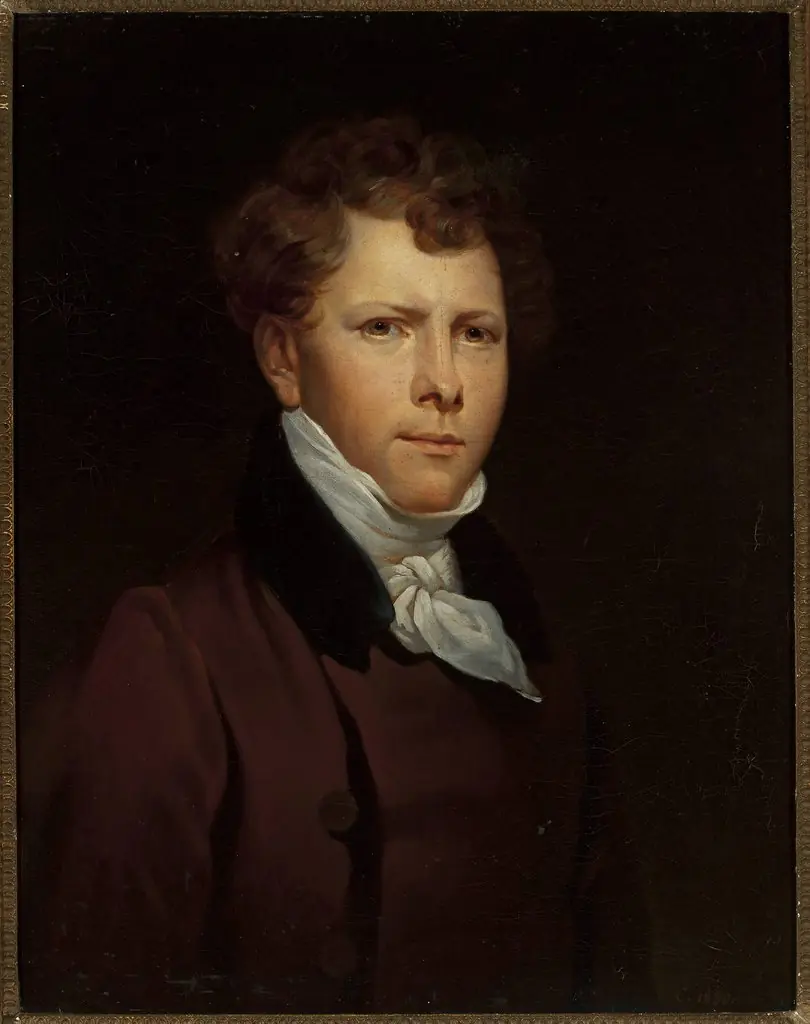 Copy of “Self-portrait” of Antoni Brodowski
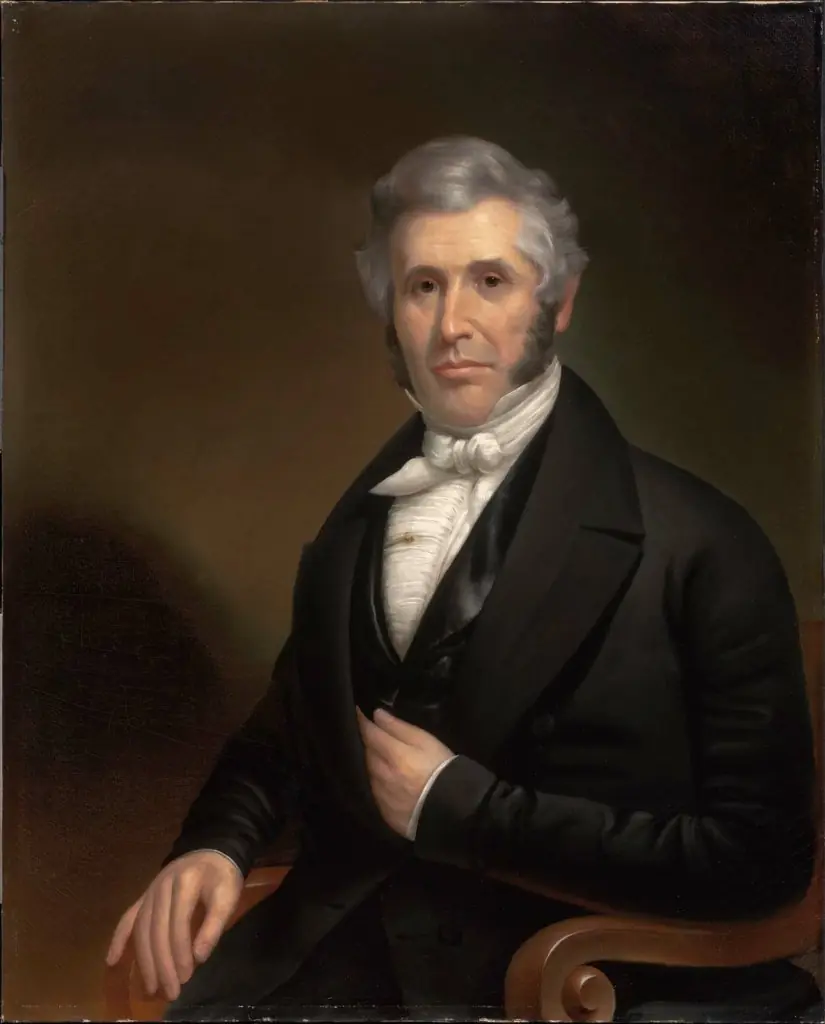 Roswell Gleason
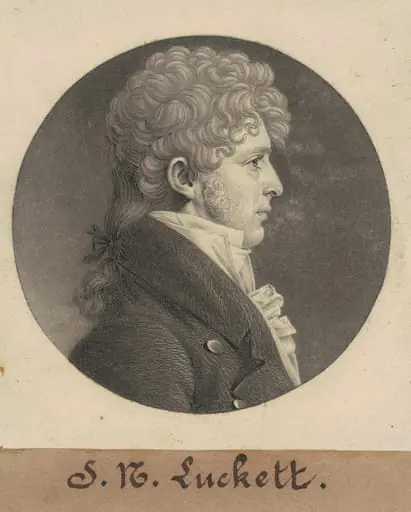 John Richards Triplett
 Thomas W. Dyott
 Self-Portrait
 Dr. James Stuart
 Dr. James Stuart
 Ebenezer Bliss
 Dr. James Stuart; Mary Campbell Stuart