Artwork
Philosopher in Meditation
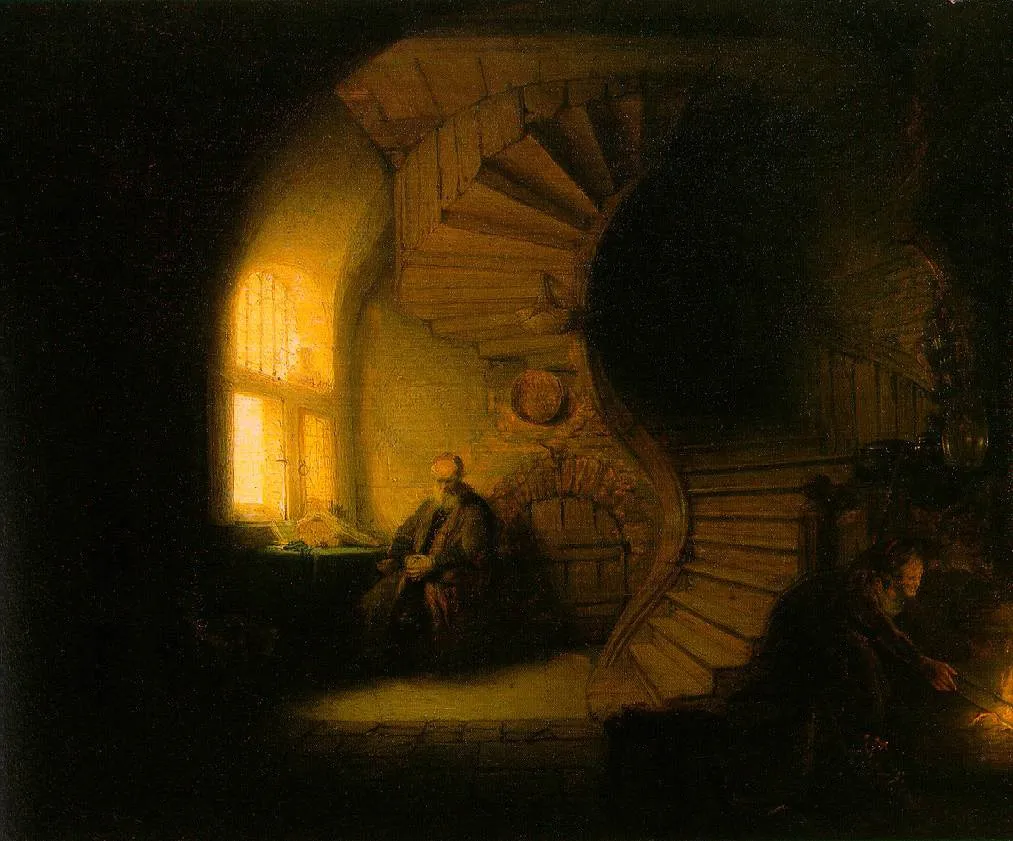
Philosopher in Meditation is an oil painting by the Dutch Golden Age artist Rembrandt. It dates from 1632 and is held in the collection of the Department of Paintings of the Louvre.
About this work
Overview
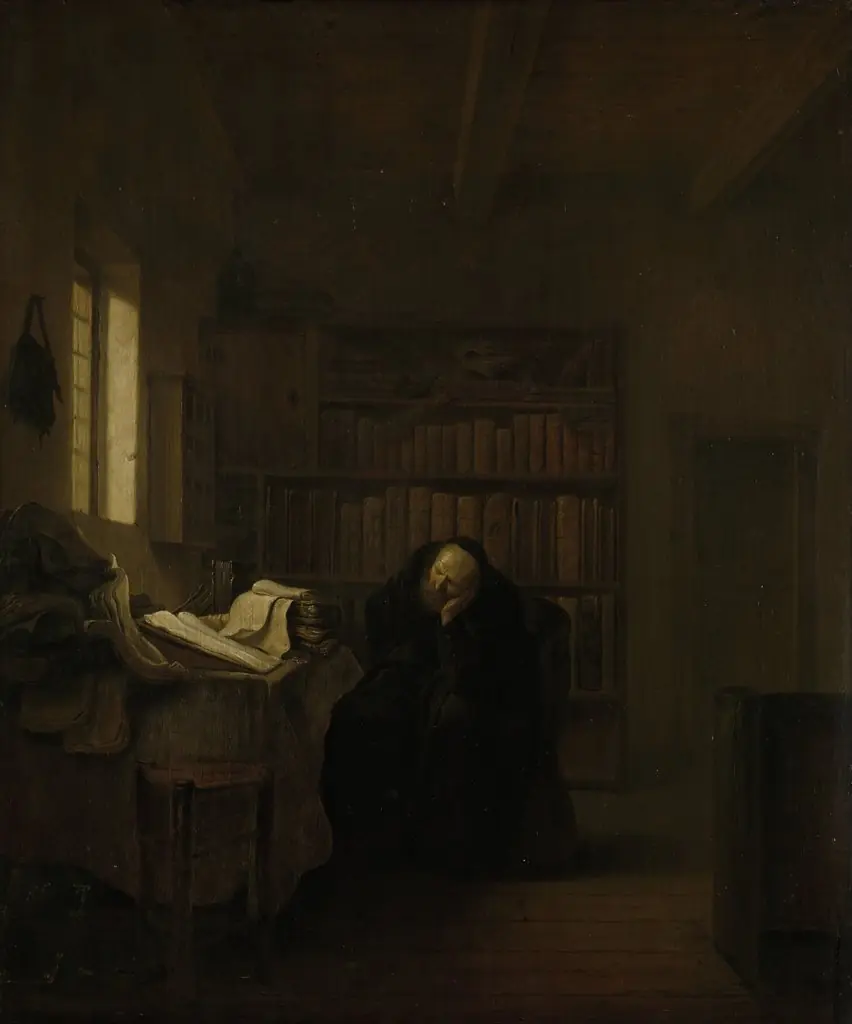
Philosopher in Meditation, recently retitled Philosopher in Contemplation, is an oil painting attributed to Rembrandt, signed and dated 1632. The work depicts a solitary figure in contemplation within a dimly lit, sparse interior.
Subject & Meaning
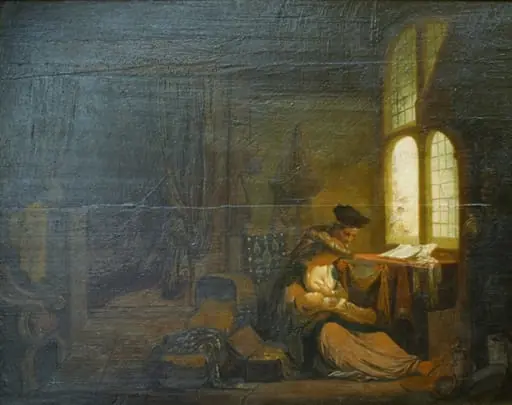
Traditionally interpreted as a philosopher in deep thought, recent scholarship suggests an alternative biblical scene: Tobit and Anna awaiting their son Tobias. This reattribution is supported by an 1738 auction catalogue, the earliest known reference to the painting.
Technique & Style
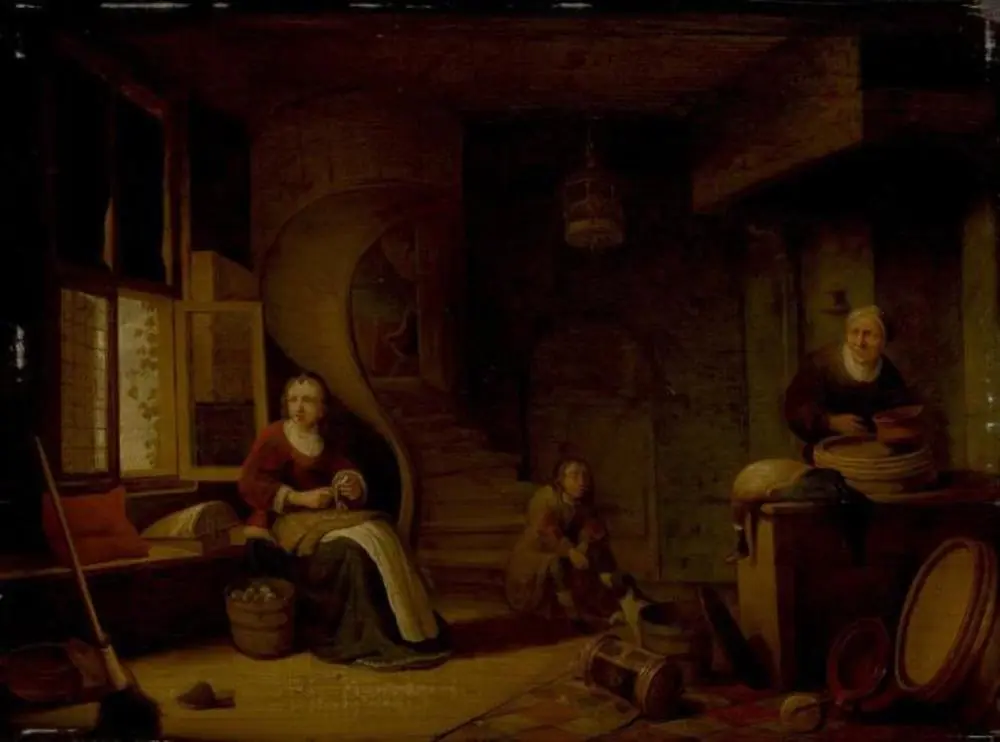
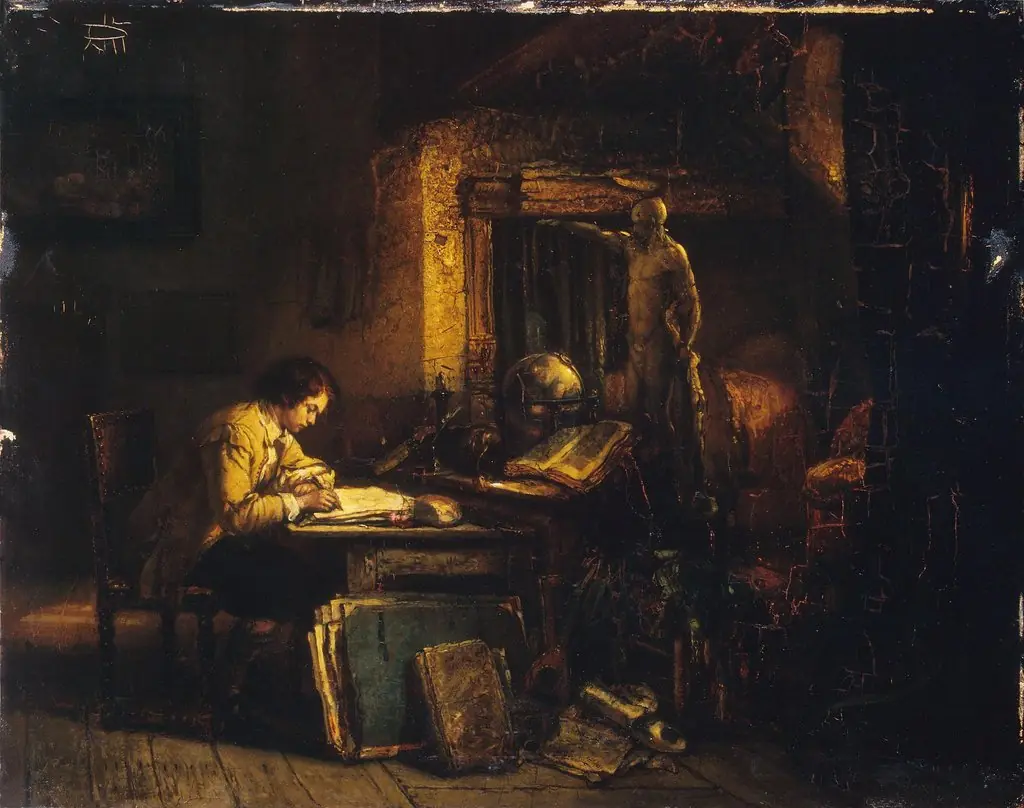
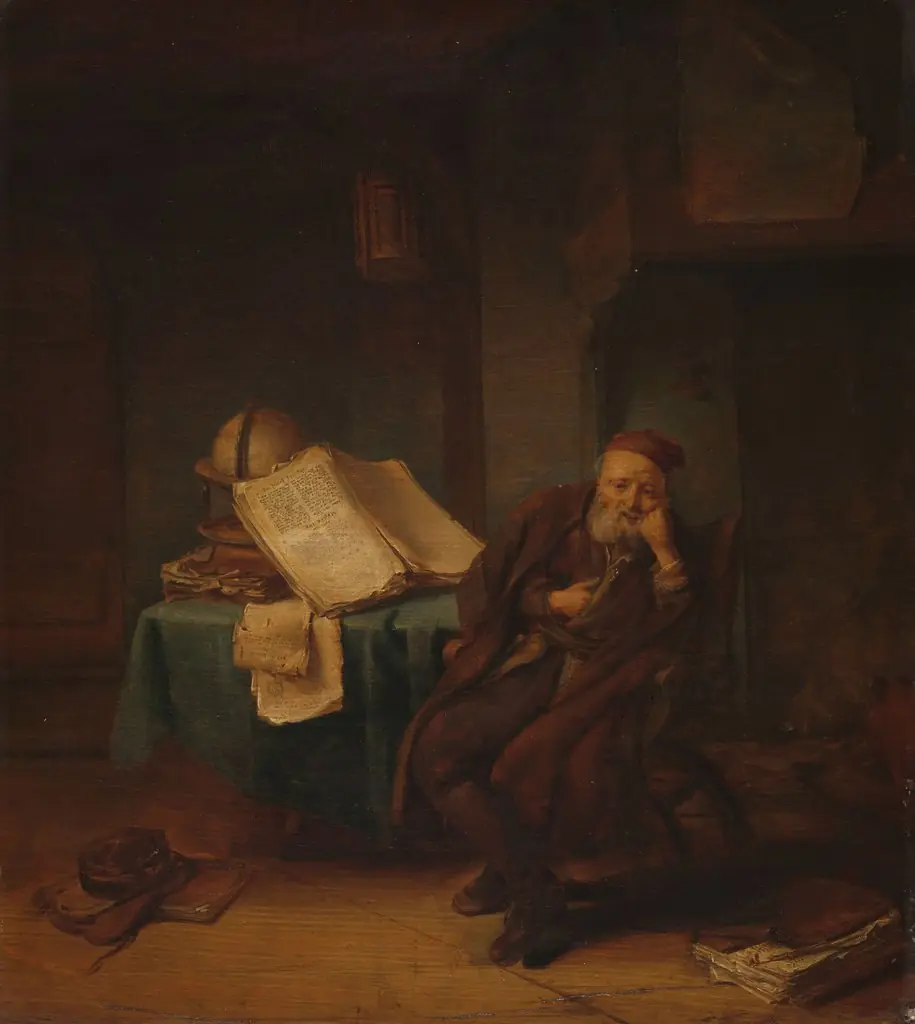
The painting exemplifies Rembrandt's mastery of chiaroscuro, with a fire and a window casting a warm, contrasting glow on the subject's face amidst enveloping shadows. The composition's simplicity and the use of a spiral staircase in the background add to its nuanced, introspective atmosphere.
History & Provenance
Created during Rembrandt's relocation from Leiden to Amsterdam, the painting was later moved from The Hague to Paris in the 18th century. It was often paired with a similar Rembrandt-esque work, collectively known as 'Philosophers', and circulated among prominent aristocratic collections before entering the Louvre.
Context
The painting's themes and artistic treatments resonated deeply with 19th- and 20th-century French literary figures, including George Sand, Marcel Proust, and Paul Valéry, among others, who referenced it in their writings.
Legacy
Despite the debate over its subject matter, the painting remains celebrated for its technical brilliance and emotional depth, continuing to inspire scholarly and literary interest.
Artist & collection
Artist
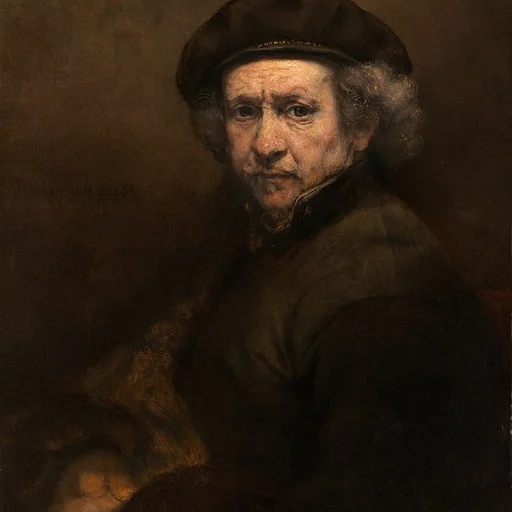
Rembrandt Harmenszoon van Rijn (15 July 1606 – 4 October 1669), known mononymously as Rembrandt, was a Dutch Golden Age painter, printmaker, and draughtsman.

Museum
Department of Paintings of the Louvre
Continue through works from the same source collection.